
Quick Guide to Evaluating Kiddylicious Baby Snacks
Kiddylicious snacks offer a wide range of options, from fruit-based purees to grain-based puffs and wafers, designed to support babies during their weaning journey. Weaning is a critical transitional phase where infants learn to explore different tastes, textures, and feeding mechanics. However, the nutritional value of these snacks depends entirely on the specific product line, making it essential for parents to evaluate individual labels rather than assuming all snacks are identical.
In Singapore, where busy lifestyles often require convenient, on-the-go solutions, commercial baby snacks are a popular choice. While these products offer excellent convenience, parents must balance their use with fresh, whole foods to ensure a well-rounded diet.
To make informed choices, parents should focus on three primary decision pillars: ingredient simplicity, nutritional density, and developmental age appropriateness. Checking the back of each packet ensures you know exactly what your baby is consuming.
Products mentioned in this guide
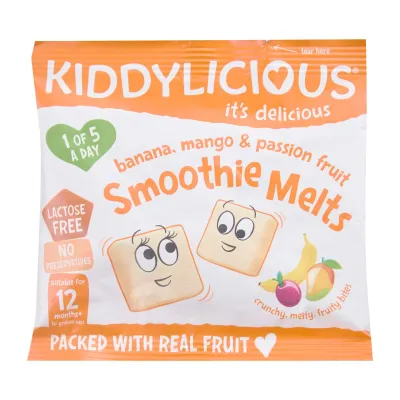
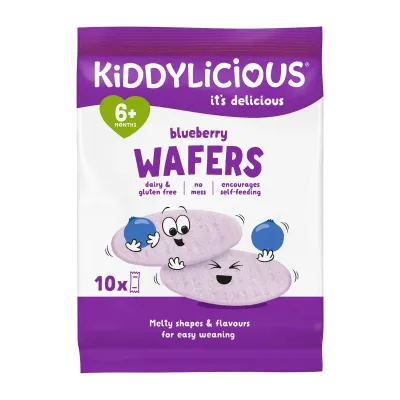
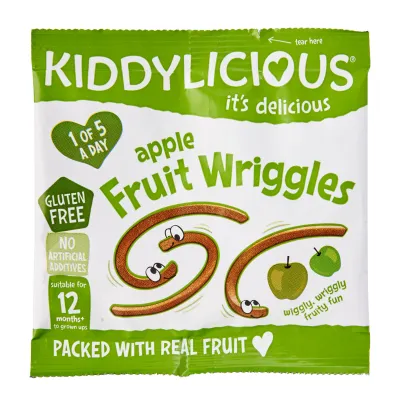
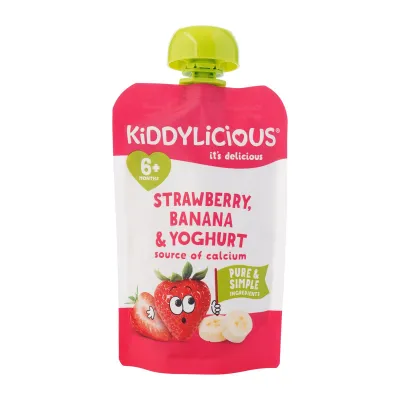
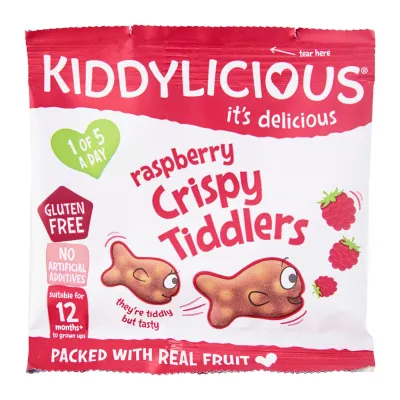
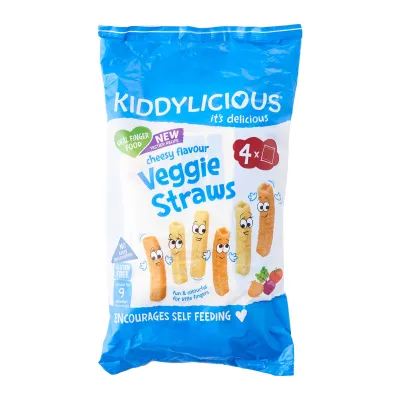
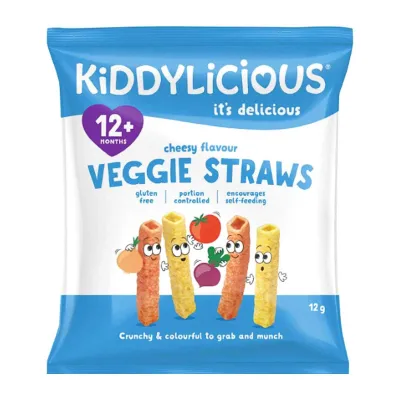
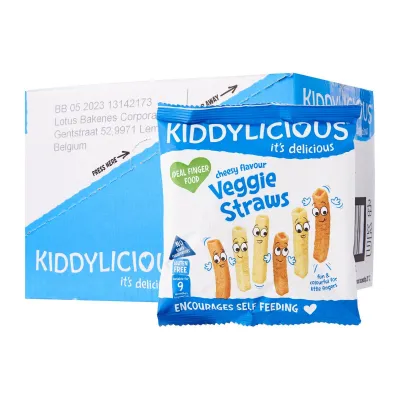
Prices are valid at publication and may change. Please refer to the product page for the latest price.
Navigating Kiddylicious Product Lines and Ingredient Profiles
Kiddylicious offers several snack formats, each with distinct ingredient structures that require careful inspection on the packaging.

Rice Cakes and Wafers These snacks typically use rice flour or jasmine rice as their primary base grain. Jasmine rice is often favored for its soft texture when baked, but parents should check if the rice is organic or conventionally grown based on their preferences. When examining the ingredient list, look for the percentage of the base grain to understand the product’s foundation. Flavorings in these products often come from fruit or vegetable juices and powders, such as apple, banana, or beetroot. Parents should verify whether these flavorings are derived from 100% fruit/vegetable sources or if they contain added concentrates that elevate the overall sugar content. Scan the label carefully for hidden sugars, syrups, or artificial flavorings. A high-quality wafer should rely on the natural sweetness of its agricultural ingredients rather than added sweeteners.
Fruit Purees and Pouches Pouches are highly convenient but require close inspection of fruit concentration. Check the ingredient list to see if fruit purees are the first listed ingredient, indicating they make up the majority of the product. Some pouches combine fruits with vegetables, such as spinach or sweet potato, to introduce savory flavors early, which is an excellent way to expand a baby’s palate. Verify if water, starch, or other thickeners have been added to dilute the puree. Ideally, the pouch should contain only crushed fruits and vegetables with no added water or artificial preservatives. Look for pasteurization details or storage instructions on the packaging. Commercial pouches undergo heat treatment to ensure shelf stability, which can affect certain heat-sensitive vitamins, making fresh fruit a necessary parallel in your baby’s diet.
Puffs and Melts Puffs and freeze-dried melts are popular for their dissolving textures. Puffs are generally made from corn flour, wheat flour, or rice flour, which should be clearly identified on the ingredient panel. Freeze-dried melts often contain dairy or fruit purees, and checking the order of ingredients helps determine if fruit or yogurt is the primary component. Check for fortification claims, such as added iron or B vitamins, which are sometimes introduced during manufacturing. Ensure these claims are backed by the nutritional information panel. Examine the binding agents used to hold the puffs or melts together. Some products use tapioca starch, gelatin, or pectin; parents should choose binders that align with their family’s dietary preferences and their baby’s digestive tolerance.
Decoding the Nutrition Label for Your Baby's Dietary Needs
Reading the nutritional information panel (NIP) is the most reliable way to ensure a snack fits into your baby’s daily dietary limits.
Sodium and Sugar Limits Infants have immature kidneys that cannot process high amounts of sodium. When reviewing the NIP, check the sodium content per serving and per 100 grams; pediatric guidelines generally recommend keeping sodium intake as low as possible, ideally under 100mg per 100g for baby foods. In Singapore, pre-packaged baby foods are subject to local food regulations, but parents should still remain vigilant by reading the nutrition information panel. Sugar content is another critical metric. Distinguish between naturally occurring sugars from fruits and added sugars by reading both the ingredient list and the sugar line on the NIP. Avoid snacks with added sugars to protect developing teeth and prevent a preference for overly sweet foods.
Fortification and Micronutrients Some baby snacks are fortified with essential micronutrients like iron, calcium, or vitamin D to support rapid growth. Look at the daily value percentages or absolute values listed on the label to verify these additions. Understand that while fortified snacks can support a balanced diet, they should not replace whole-food sources of iron and calcium, such as lean meats, legumes, and dairy or fortified plant alternatives.
Caloric Density and Satiety Evaluate whether the snack provides meaningful energy or consists primarily of empty calories. A snack with some dietary fiber and protein will offer better satiety and sustained energy than one composed entirely of simple carbohydrates. Compare the serving size to the caloric content to ensure the snack fits comfortably within your baby’s daily energy requirements without displacing milk feeds or main meals.
Verifying Allergens, Texture Safety, and Age Appropriateness
Safety is paramount when introducing commercial snacks, requiring a thorough check of allergens, physical textures, and age ratings.
Allergen Identification Always locate the allergen declaration on the packaging, which is often highlighted in bold within the ingredient list or stated clearly in a “contains” box. Common allergens to watch for include milk, gluten, wheat, soy, and eggs. Pay close attention to “may contain” or “made in a factory that handles” statements. These warnings indicate a risk of cross-contamination, which is crucial for babies with diagnosed severe allergies or highly sensitive digestive systems. While introducing allergens early and in a controlled manner is often recommended by pediatricians, commercial snacks with multiple mixed ingredients may not be the best vehicle for the very first introduction of a specific allergen.
Texture and Choking Hazards Assess the physical form of the snack against your baby’s current oral motor skills. Melt-in-the-mouth textures, like puffs and wafers that dissolve quickly with saliva, are excellent for early snackers who are still learning to chew. Avoid hard, crunchy, or sticky textures that do not dissolve easily, as these can pose significant choking hazards. Always supervise your baby closely during snack times, ensuring they are sitting upright.
Manufacturer Age Guidelines Manufacturers print age recommendations (such as 6+ months, 7+ months, or 12+ months) on the packaging. These guidelines are based on developmental milestones, swallowing capabilities, and digestive readiness. Never rush to introduce a snack targeted at an older age group, even if your baby seems advanced. Following these guidelines helps prevent choking incidents and ensures your baby’s digestive tract can handle the ingredients.
Frequently Asked Questions (FAQ)
Can Kiddylicious Snacks Replace Regular Meals?
No, commercial snacks are strictly supplementary and should never replace primary milk feeds or balanced solid meals. They are designed to bridge the gap between meals and offer sensory practice. Offer snacks only when your baby shows genuine hunger cues between scheduled meals, ensuring that snacking does not reduce their appetite for nutrient-dense main courses or breast milk/formula.
How Should I Store Opened Kiddylicious Pouches and Packets?
Once opened, fruit pouches must be refrigerated immediately and typically consumed within 24 hours to prevent harmful bacterial growth from saliva contact. For dry snacks like puffs and wafers, Singapore’s humid climate makes proper storage critical. Keep them in an airtight container in a cool, dry place to prevent them from absorbing moisture, losing their crisp texture, or spoiling prematurely.
Community discussion
Share your experience or ask a question. Comments are reviewed before publication.