
An ergonomic baby carrier must balance the developmental needs of a growing infant with the physical comfort of the carrying parent. The Ergobaby Deluxe is designed to address these dual requirements by incorporating a structured, adjustable seat that supports a baby’s natural anatomy alongside a robust harness system engineered to distribute weight evenly across the caregiver’s body. Evaluating these ergonomic features involves looking closely at hip positioning, lumbar support, fabric breathability, and safety adjustments to ensure a secure and comfortable fit for both parties.
Decode the Seat Design for Proper Baby Positioning
The foundation of any ergonomic baby carrier lies in how it supports the infant’s developing hips and spine. Pediatric osteopaths and hip health organizations emphasize the “M-shape” or “frog-leg” position, where the baby’s hips spread naturally, thighs are supported knee-to-knee, and knees sit slightly higher than the hips. This alignment reduces hip dysplasia risks by keeping the hip joint ball securely within its socket.
When evaluating the Ergobaby Deluxe, caregivers should inspect the seat base to ensure it maintains this position. A truly ergonomic seat provides full knee-to-knee support without letting the baby’s lower legs dangle straight down. As your baby grows, a fixed-width seat can become too narrow, failing to support the thighs and causing the legs to hang, which places stress on the hip joints.
Products mentioned in this guide
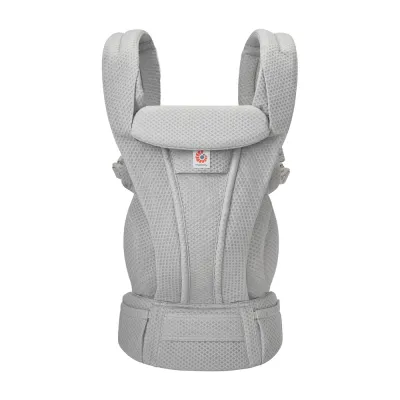
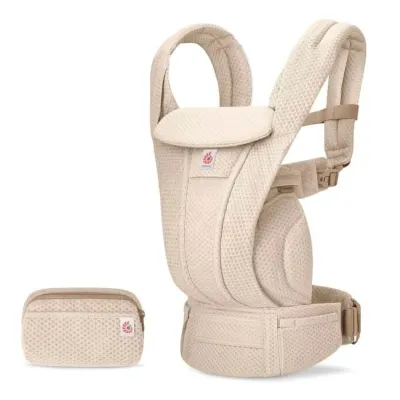
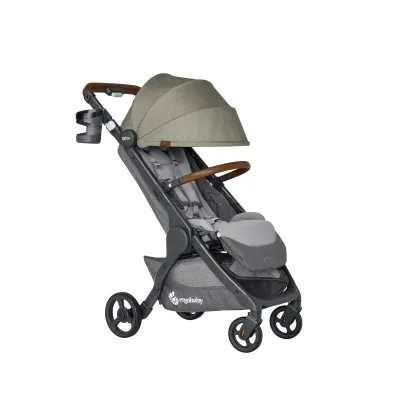

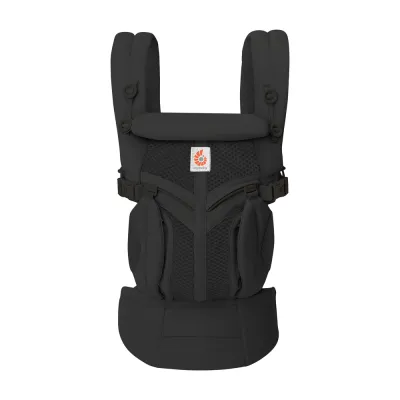
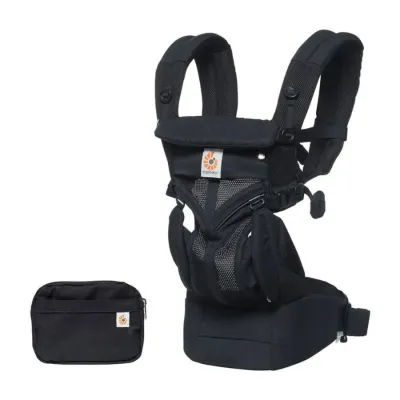
![[Ready stock] Ergo baby Carrier Ergonomics Kangaroo Infant Omni Breeze All-In-One Breathable Air Mesh 0-48 Months 3-20kg](https://img.lazcdn.com/g/p/35c15440588755fcc2a40bd89bfbba70.jpg_400x400q80.jpg_.webp)
Prices are valid at publication and may change. Please refer to the product page for the latest price.
To accommodate these changing developmental stages, check if the carrier features adjustable seat width mechanisms, such as sliding adjusters, buttons, or hook-and-loop tabs. Caregivers must consult the manufacturer’s official guidelines to identify the correct seat width setting corresponding to their baby’s current weight or height.
Evaluate Lumbar and Shoulder Support for Strain Relief
While baby positioning is critical, the carrier’s harness system determines how long a parent can comfortably wear the baby without experiencing back, shoulder, or neck strain. Carrying a baby shifts the parent’s center of gravity forward, which often leads to compensatory posturing, such as leaning backward or arching the lower back. Over extended periods, this misalignment can cause acute muscle fatigue.

The Ergobaby Deluxe addresses this challenge through a combination of structured lumbar support and padded shoulder straps. The lumbar support panel is integrated into the waistband, designed to sit firmly against the lower back. This structure helps transfer a significant portion of the baby’s weight away from the shoulders and upper back, distributing it instead to the parent’s hips and pelvis, which are naturally better suited for load-bearing. Caregivers should ensure the waistband is positioned snugly above the hips; a loose waistband allows the carrier to sag, pulling the shoulders forward.
Additionally, the configuration of the shoulder straps plays a vital role in weight distribution. Many ergonomic carriers offer two primary configurations: crossable straps (X-back) and parallel straps with a sternum clip (H-back). Crossable straps allow the weight to be distributed diagonally across the broad muscles of the back, which can be highly beneficial for parents with narrower shoulders. Parallel straps, when paired with a properly adjusted chest strap, prevent the shoulder pads from slipping outward.
Assess Material Breathability and Adjustability Mechanisms
The choice of fabric and the quality of the adjustment hardware directly impact the daily usability and comfort of a baby carrier, particularly in warm and humid climates. High temperatures and humidity can quickly lead to heat buildup between the caregiver and the baby, causing discomfort, skin irritation, or heat rash. When selecting a carrier, comparing material options is essential for maintaining a comfortable microclimate.
Mesh panels, often woven from lightweight synthetic fibers, offer superior airflow compared to heavy cotton canvas or dense synthetic blends. These breathable panels allow body heat to escape and breeze to circulate, keeping both parent and baby cooler during outdoor walks. On the other hand, premium cotton blends provide a softer, brushed texture that may feel gentler against a newborn’s sensitive skin, though they tend to retain more moisture and heat.
Beyond fabric, the adjustability mechanisms require close inspection before every use. High-quality buckles, sliding adjusters, and head support flaps must operate smoothly yet lock securely into place. Caregivers must routinely check high-stress areas, such as the seams where the shoulder straps meet the body panel and the plastic buckles, for any signs of fraying, cracking, or wear.
Verify Safety Standards and Usage Boundaries
Using an ergonomic carrier safely requires strict adherence to developmental guidelines and physical weight limits. No matter how advanced the ergonomic features are, a carrier can only perform as intended when used within its specified operational boundaries. Caregivers must locate the product label or refer to the official instruction manual to confirm the minimum and maximum weight limits, as well as any requirements for specialized infant inserts.
For newborns who lack head and neck control, the carrier must be configured to provide robust upper body support, keeping the airway completely clear. The baby’s face should always be visible, with the chin off the chest, and close enough to kiss. Caregivers should be aware of when to transition between different carrying positions, such as front-inward, front-outward, hip, or back carry.
Safety and structural reliability should always be verified through official compliance marks and batch numbers rather than relying solely on brand reputation. Look for recognized safety standards, such as ASTM or EN certifications, printed on the carrier’s care label. Regularly inspecting the carrier for physical damage and ensuring all buckles click firmly into place will help prevent accidental slips.
Frequently Asked Questions (FAQ)
How do I know if the seat is wide enough for my growing baby?
To determine if the seat width is correct, observe your baby’s legs while they are seated in the carrier. The fabric of the seat should extend all the way from the back of one knee crease to the back of the other, fully supporting the thighs. If the fabric only supports the pelvis and the thighs hang straight down, the seat is too narrow, and you should adjust the seat sliders, snaps, or hook-and-loop tabs to a wider setting according to the manufacturer’s size chart. If the fabric forces the baby’s lower legs to bend outward or restricts movement at the knee, the seat is too wide and should be narrowed. If your baby shows persistent signs of discomfort or restricted leg movement, consult a pediatrician.
Can the shoulder straps be adjusted to fit different caregivers?
Yes, the shoulder straps and sternum strap on the carrier can be adjusted to accommodate caregivers of various body types and heights. When sharing the carrier between multiple users, it is essential to re-adjust all tension points—including the waistband, shoulder straps, and chest clip—each time a different person wears it. To achieve a snug, ergonomic fit, pull the adjustment webbing until the baby is held close to your chest, ensuring the straps do not pinch your neck or restrict your arm movement. The chest strap should sit across the middle of your shoulder blades or upper chest to distribute weight evenly and prevent the shoulder pads from slipping.
Community discussion
Share your experience or ask a question. Comments are reviewed before publication.