
Selecting a baby mattress is one of the most important decisions you will make when setting up your nursery. Boori offers baby mattresses designed with specific firmness levels to support infant safety and toddler comfort. Their range typically features single-firmness options optimized for newborns, as well as dual-sided (flippable) designs that transition from a firm infant side to a slightly more cushioned toddler side. Choosing the right firmness involves understanding your baby’s current developmental stage and verifying the specific model’s guidelines to ensure a safe sleep environment.
Why Mattress Firmness Matters for Infant Safety
A firm sleeping surface is the foundation of safe infant sleep. Unlike adults, who often prefer a plush mattress that contours to the body, newborns require a highly resistant surface. A soft mattress can conform to a baby’s face if they roll over, creating a serious risk of suffocation or rebreathing, where carbon dioxide becomes trapped in the pocket of fabric and is inhaled again. Keeping the surface flat and firm minimizes these hazards significantly.
Beyond immediate safety, proper firmness is essential for physical development. During the first year of life, an infant’s bones are soft and their spine is growing rapidly. A firm mattress provides the necessary resistance to support their developing skeletal structure, ensuring their spine remains aligned during long sleep cycles. It also offers a stable base as they begin to push up, roll, and eventually crawl, helping them build motor skills safely.
Products mentioned in this guide
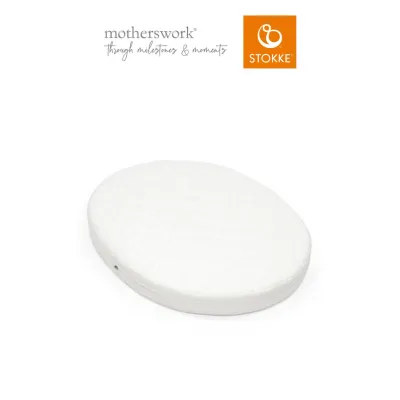
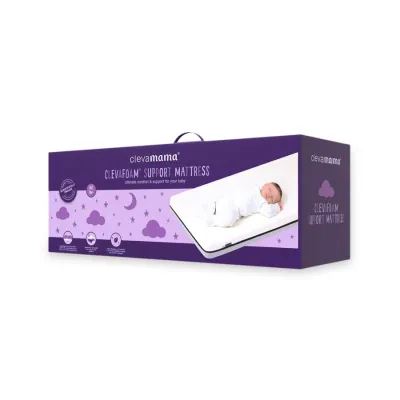
Prices are valid at publication and may change. Please refer to the product page for the latest price.
Caregivers must remember that what feels “too hard” to an adult is actually the ideal support level for a baby. Soft bedding, pillows, and plush mattress surfaces are unsafe for infants. Ensuring your cot mattress meets strict firmness standards is a vital step in creating a secure sleep space.
Common Firmness Designs in the Boori Mattress Lineup
To accommodate different stages of childhood, Boori utilizes specific structural designs across their mattress range. Rather than offering a single universal feel, their lineup generally falls into two categories: single-firmness mattresses and dual-sided, flippable models. Understanding these designs helps you select a mattress that aligns with your long-term nursery plans.

Single-firmness mattresses are engineered to provide a consistent, highly supportive surface from birth until your child transitions to a toddler bed. These models focus entirely on meeting baseline infant safety standards. They do not feature a softer side, ensuring there is no risk of accidentally placing a newborn on an unsuitable surface. These are often an excellent, straightforward choice for families prioritizing simplicity and safety.
Dual-sided mattresses feature a flippable design with two distinct firmness levels. One side is constructed with high-density materials to provide the maximum firmness required for newborns and young infants. The reverse side is designed with slightly more cushioning to offer pressure relief for older toddlers who have developed full head control and mobility. This dual-firmness approach extends the usable life of the mattress as your child grows.
The core materials used in these mattresses play a major role in their overall feel and breathability. Boori models often incorporate pocket springs, breathable fiber layers, or specialized foam alternatives. In warm, humid climates like Singapore, choosing a core that promotes airflow is highly beneficial. Proper ventilation helps regulate your baby’s body temperature, reducing sweating and keeping the sleep surface comfortable without compromising on the necessary firmness.
Matching Firmness to Your Baby's Developmental Stage
Using the correct mattress firmness depends entirely on your child’s age and physical milestones. For newborns and infants under twelve months, a strict, high-firmness surface is non-negotiable. During these early months, babies spend the majority of their time sleeping, and their inability to lift their heads or roll over independently means they rely entirely on a flat, unyielding surface to keep their airways clear.
The transition to a slightly softer toddler surface should only occur when your child is developmentally ready. While many dual-sided mattresses suggest flipping the mattress around the twelve-month mark, age is only a general guideline. You must observe your child’s physical abilities before making the switch. If your child can roll over easily in both directions, sit up without assistance, and stand up in their cot, they may be ready for the toddler side.
If your baby is still developing these motor skills or prefers sleeping on their stomach but cannot easily roll back onto their back, keep the mattress on the firmer infant side. There is no rush to transition to a softer surface, as the firm side remains perfectly safe and supportive throughout toddlerhood. When in doubt, consult your pediatrician to assess your baby’s developmental progress before altering their sleep environment.
How to Verify the Firmness of Your Specific Boori Mattress
Because mattress models and specifications can change over time, you should always verify the exact firmness and usage instructions for your specific product. Do not rely solely on the product name or general assumptions. The most reliable way to confirm your mattress’s features is to inspect the physical product and its official documentation.
Start by locating the manufacturer’s labels and care tags sewn into the mattress cover. For dual-sided models, these tags typically feature clear indicators marking the “Infant Side” and the “Toddler Side.” They may also include specific safety warnings and cleaning instructions. If the tags have been removed or are unclear, avoid guessing which side is which.
You can also perform a basic physical check to evaluate the surface resistance. Press your hand firmly into the center of the mattress. A safe infant mattress should feel highly resistant to pressure and should spring back to a perfectly flat state immediately after you lift your hand. If your hand leaves a lasting indentation or if the surface feels plush and easily compressible, it is not suitable for a newborn.
For absolute certainty, consult the official product manual or contact the manufacturer directly. Keep the model number and manufacture date handy, which are usually printed on a white tracking label on the mattress itself. The manufacturer can provide precise guidance on weight limits, flipping instructions, and compatibility with your specific cot model.
Frequently Asked Questions (FAQ)
When should I flip a dual-sided mattress to the toddler side?
You should generally wait until your child is at least twelve months old before flipping a dual-sided mattress to the toddler side. However, physical milestones are more important than age. Ensure your child can roll over effortlessly in both directions, sit up independently, and pull themselves up to stand before making the switch. Always check the sewn-in care tags on your specific mattress to identify the correct toddler-safe side.
Is it safe to add a soft mattress topper to make the bed more comfortable?
No, it is not safe to add aftermarket mattress toppers, pads, or extra cushioning to an infant’s cot. Introducing soft layers compromises the firm surface required for safe sleep and creates dangerous suffocation and rebreathing hazards. To ensure your baby’s comfort and safety, use only a tight-fitting, breathable fitted sheet designed specifically for your cot mattress dimensions, and keep the sleep area free of loose bedding.
Community discussion
Share your experience or ask a question. Comments are reviewed before publication.