
Attitude baby laundry detergent is formulated with plant-derived surfactants and mineral-based ingredients designed to minimize skin irritation, but verifying the exact ingredient list on your specific bottle is essential to ensure it is safe for your baby’s sensitive skin. Because baby skin is significantly thinner and more permeable than adult skin, even gentle formulations require careful inspection. Parents in Singapore, dealing with high humidity and heat that can exacerbate sweat rash and contact dermatitis, must look closely at what goes into their laundry routines. Evaluating the specific surfactants, fragrances, and preservatives used by the brand helps you make an informed choice for your little one’s delicate skin barrier.
How to Verify the Current Ingredient List
When selecting a baby laundry detergent, the physical product label on the bottle in your hands is always the primary source of truth. Manufacturers frequently update their formulations to improve performance, source alternative raw materials, or comply with evolving environmental standards. This means a bottle purchased today might have a slightly different ingredient profile than one bought a year ago, or even a bottle sold in a different region.
To verify what is inside, start by reading the back label of the packaging. Look for a full, legally compliant ingredient disclosure rather than a vague summary like “plant-derived cleaning agents.” A transparent brand will list the specific chemical or botanical names of every surfactant, stabilizer, and preservative used in the batch.
Products mentioned in this guide
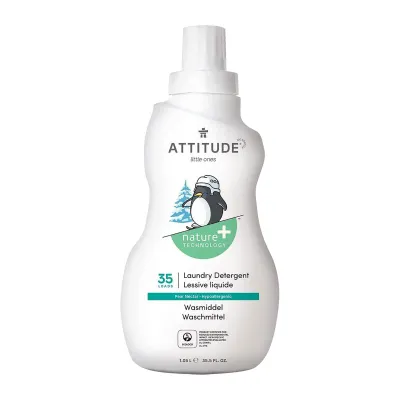
Prices are valid at publication and may change. Please refer to the product page for the latest price.
For a deeper dive, cross-reference the batch code or product name on the official brand website. Reputable manufacturers publish detailed formulation breakdowns and Safety Data Sheets (SDS) online. These documents provide a comprehensive look at the chemical properties and safety profiles of the ingredients. If your baby has diagnosed skin conditions like eczema, keeping a record of these specific ingredient lists allows you to trace any potential flare-ups back to a recent formulation change.
Key Ingredient Categories to Evaluate for Sensitive Skin
Evaluating a baby detergent requires breaking down its formulation into functional categories. Each category plays a specific role in cleaning, but some present higher risks of skin irritation than others.

Surfactants are the primary cleaning agents that lift dirt and oils from fabric fibers. In baby-specific detergents, look for plant-derived surfactants, such as those derived from coconut, corn, or oil palm (like coco-glucoside or lauryl glucoside). These are generally milder on the skin barrier compared to petroleum-based synthetic surfactants like sodium lauryl sulfate (SLS) or sodium laureth sulfate (SLES), which can strip natural lipids from a baby’s delicate skin.
Fragrance is one of the most common triggers for allergic contact dermatitis. Even natural essential oils contain volatile organic compounds like limonene or linalool that can irritate sensitive skin. For newborns and infants with highly reactive skin, choosing a completely fragrance-free or unscented formula is highly recommended. Ensure the label specifically states “fragrance-free” rather than just “unscented,” as unscented products may still contain masking agents to neutralize chemical odors.
Because water-based detergents can easily harbor bacteria and mold, preservatives are necessary for safety and shelf life. However, some traditional preservatives, such as methylisothiazolinone (MIT) or formaldehyde-releasing agents, are known sensitizers. Look for milder, food-grade, or skin-friendly preservation systems, such as potassium sorbate or sodium benzoate, which protect the product without posing a high risk of skin irritation.
Optical brighteners are synthetic chemicals designed to remain on clothes after washing to reflect light and make fabrics appear whiter or brighter. Because these chemicals are formulated to stay on the fabric, they come into direct, prolonged contact with your baby’s skin, potentially causing irritation. Dyes are purely aesthetic additions that serve no cleaning purpose. A safe baby detergent should be completely free of both optical brighteners and artificial colorants.
Interpreting Safety Claims and Certifications
The front of a baby detergent bottle is often covered in marketing claims like “natural,” “hypoallergenic,” or “dermatologically tested.” It is important to understand that some of these terms are not strictly regulated by government agencies. For instance, “hypoallergenic” simply means the manufacturer has formulated the product to minimize the likelihood of an allergic reaction, but it does not guarantee that the product is completely allergen-free for every child.
To cut through the marketing noise, look for independent, third-party certifications. Organizations like the Environmental Working Group (EWG) or EcoLogo evaluate products based on strict scientific criteria regarding ingredient toxicity, environmental impact, and manufacturing transparency. An “EWG Verified” seal, for example, indicates that the product avoids ingredients of concern and meets rigorous standards for health and safety.
While these certifications provide an excellent baseline for safety, parents must recognize their inherent limitations. A certified-safe or dermatologically tested detergent can still cause a localized reaction if your baby has a specific, unique sensitivity to a particular plant extract or mineral. Certifications evaluate general toxicity and common allergen profiles, but they cannot account for individual biological variations. Always treat certifications as a helpful screening tool rather than an absolute guarantee of compatibility.
Practical Steps for Testing and Monitoring Skin Reactions
Introducing a new laundry detergent to your baby’s routine should be done systematically to isolate variables and protect their skin. Instead of washing your baby’s entire wardrobe with a new product immediately, start with a controlled patch test.
Select a single, small item of clothing or a bedding sheet that comes into direct contact with your baby’s skin, such as a cotton onesie or a swaddle blanket. Wash this item separately using the new detergent, following the manufacturer’s dosage instructions carefully. Avoid using fabric softeners or dryer sheets during this test, as they introduce additional chemicals that can cloud your results.
Once washed and dried, have your baby wear the garment or use the bedding. Monitor their skin closely over the next 24 to 48 hours, paying special attention to areas where the fabric fits snugly, such as the collar, cuffs, and diaper line. Look for signs of contact irritation, which may present as localized redness, dry or rough patches, tiny bumps, or signs of itching and discomfort.
To minimize the risk of detergent residue, consider adjusting your washing machine settings. Adding an extra rinse cycle helps flush out any lingering surfactant molecules from the fabric fibers, which is especially beneficial in Singapore’s humid climate where sweat can reactivate detergent residues left on clothing.
If you observe any signs of skin irritation, redness, or hives, discontinue use of the detergent immediately. Rewash the affected clothing in plain water or a previously tolerated detergent. If the skin reaction persists, spreads, or causes your baby significant distress, consult a pediatrician or a pediatric dermatologist for professional guidance.
Frequently Asked Questions (FAQ)
Can I mix baby detergent with regular laundry detergent?
Mixing baby detergent with standard household laundry detergent defeats the purpose of choosing a gentle, specialized formula. Standard detergents often contain high concentrations of synthetic fragrances, optical brighteners, and harsh surfactants designed to tackle heavy adult soils. When you mix the two, you reintroduce these potential irritants back into the wash water, where they can bind to your baby’s clothing. To maintain a consistently gentle environment for your baby’s skin, keep their laundry separate and wash their garments using only the dedicated baby formula.
Do I need to use baby detergent for the whole family's laundry?
You do not strictly need to use baby detergent for the entire household, but doing so can simplify your laundry routine. If you choose to keep them separate, consider that babies are frequently held against adult clothing, meaning they will still come into contact with the residues of regular detergents. If your baby has extremely sensitive skin or eczema, switching the whole family to a fragrance-free, gentle detergent is often the most practical solution. However, keep in mind that baby detergents may be more expensive and might not clean heavily soiled adult workwear or sports gear as effectively as standard formulas.

Community discussion
Share your experience or ask a question. Comments are reviewed before publication.