
In Singapore’s tropical climate, high humidity and warm temperatures accelerate the decomposition of organic waste, making diaper pail odor control a critical concern for parents. Choosing between the UME diaper pail and other market alternatives requires understanding how different sealing technologies, material compositions, and bag systems perform under these challenging environmental conditions. While some systems rely on airtight mechanical seals, others utilize specialized barrier films or carbon filters to trap volatile organic compounds. Ultimately, the most effective odor control system is one that combines a robust physical barrier with a manageable maintenance routine tailored to your household’s daily habits.
Key Factors for Odor Control in Humid Climates
Managing diaper odors in a tropical environment like Singapore presents unique challenges that differ significantly from cooler, drier climates. High relative humidity levels mean that moisture is constantly present in the air, which can trap odor molecules and encourage the growth of odor-causing bacteria. When organic waste is exposed to warmth and moisture, it breaks down rapidly, releasing volatile organic compounds that can quickly permeate a nursery if not properly contained. Therefore, evaluating a diaper pail requires a close look at how its design addresses these environmental factors.
Mechanical seals serve as the primary line of defense in most modern diaper pails. These seals typically consist of rubber gaskets, silicone rings, or spring-loaded flaps that create a physical barrier between the waste compartment and the room. When the lid is closed, the seal must compress tightly to prevent any air exchange. In contrast, some systems incorporate secondary barriers such as activated carbon filters, gel deodorizers, or water-based traps. While these secondary elements can help neutralize or mask odors, they are generally supplementary; a diaper pail with a weak physical seal will still allow odors to escape into the room, regardless of how many filters are installed.
Products mentioned in this guide
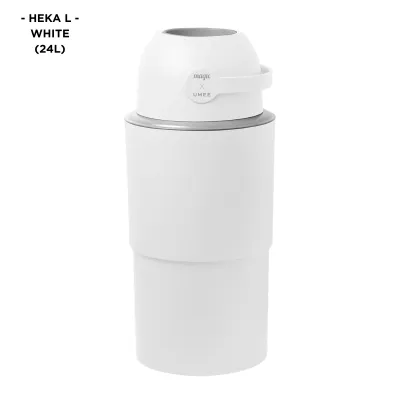
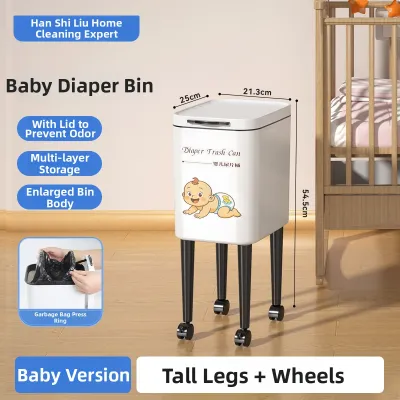
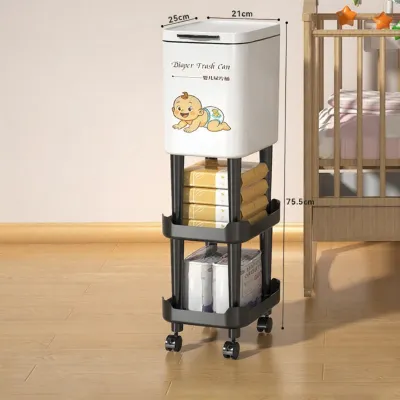
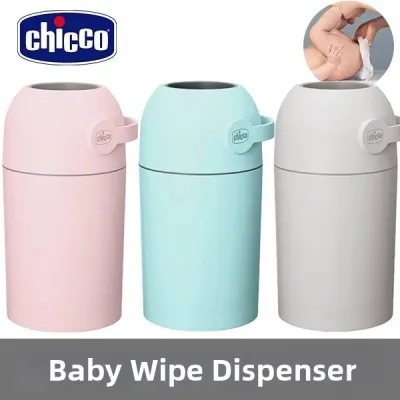
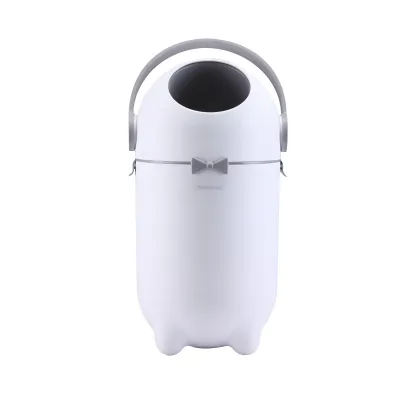
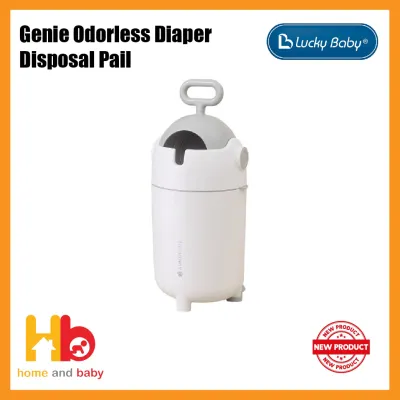
Prices are valid at publication and may change. Please refer to the product page for the latest price.
The material properties of the diaper pail itself play a crucial role in long-term odor containment. Many budget-friendly pails are constructed from standard plastics, which can be surprisingly porous at a microscopic level. Over months of continuous use, these pores can absorb acidic compounds and moisture, leading to a persistent, unpleasant smell that remains even after the pail is completely emptied and washed. High-quality, high-density plastics or alternative materials like powder-coated steel are much less porous, offering superior resistance to odor absorption and staining. Caregivers should inspect the interior surfaces regularly to ensure they remain smooth and free of scratches, which can harbor bacteria.
Another critical factor is the functional difference between continuous bag systems and individual bag-tying systems. Continuous bag systems allow users to pull down, cut, and tie off the bag at any point, which minimizes the volume of trapped air that escapes during a bag change. Individual bag-tying systems, which twist each diaper into its own sealed compartment, offer excellent isolation of individual waste items but typically consume more plastic. Standard trash bags, while highly economical, require manual tying and can allow a large volume of air to escape whenever the lid is opened, making the choice of bag system a major factor in overall odor containment.
Comparing Sealing Mechanisms and Bag Systems
When comparing the UME diaper pail to other common market alternatives, the structural design of the sealing mechanism is one of the most important differentiators. The UME diaper pail is designed with a specific lid mechanism and sealing structure intended to minimize air exchange during diaper disposal. Parents should verify the exact specifications of the UME model they are considering, as design updates may alter the gasket configuration or the way the lid locks. The sealing design typically aims to create a tight physical barrier that remains closed except for the brief moment a diaper is dropped inside, reducing the risk of odor puffs escaping into the nursery.

In comparison, competitor designs utilize a variety of mechanisms to achieve a similar goal. Step-on lids are highly popular because they offer hands-free convenience, allowing a caregiver to open the pail while holding a baby. However, some step-on designs can create a “bellows effect,” where the rapid opening of the lid forces a small amount of odorous air out into the room. Push-through flaps require the user to push the diaper through a flexible, spring-loaded barrier. While this keeps the main compartment sealed during disposal, it does require physical contact with the mechanism, which some parents find less hygienic. Twist-and-seal systems wrap each diaper individually in a fragranced or multi-layer film, which is highly effective at isolating odors but requires a specific manual twisting action for every disposal.
The choice of bag system also has a significant impact on both convenience and ongoing costs. Proprietary refill cassettes, such as those used in many specialized diaper pails, often feature multi-layer barrier films specifically engineered to block odor molecules. These films are typically much thicker and less permeable than standard household trash bags, making them highly effective in Singapore’s warm climate. However, proprietary refills come with a higher ongoing cost and require a reliable local supply chain. Standard trash bags are highly accessible and budget-friendly, but they lack the specialized barrier properties of dedicated diaper refills, meaning odors may permeate the plastic more quickly.
For parents evaluating these options, it is important to weigh the convenience of a hands-free mechanism against the long-term cost of proprietary refills. A system that allows the use of standard trash bags can save a significant amount of money over the diapering years, but it may require more frequent emptying to maintain the same level of odor control. Conversely, a system that relies on specialized refills may offer superior odor containment but requires a commitment to purchasing specific bags. Caregivers should assess their budget and tolerance for ongoing maintenance when deciding which system fits their lifestyle.
Maintenance and Cleaning Requirements
Even the most advanced diaper pail will eventually develop odors if not cleaned systematically. In Singapore’s humid environment, moisture can easily become trapped between the bag and the inner walls of the pail, creating an ideal breeding ground for mold and bacteria. Regular maintenance is essential to prevent long-term odor retention and ensure a hygienic nursery environment.
Caregivers should check how easily the inner bucket or liner can be removed for thorough washing. A design that allows you to completely disassemble the lid and seals makes it much easier to clean hard-to-reach crevices where dust, moisture, and organic matter can accumulate. Washing the components with mild soap and warm water is generally recommended, but it is crucial to avoid harsh chemical cleaners that could degrade the rubber or silicone seals. After washing, every component must be allowed to dry completely in a well-ventilated area before reassembly, as trapping even a small amount of moisture inside the pail can lead to rapid mold growth.
In addition to regular washing, performing visual and tactile checks of the rubber or silicone seals is highly recommended. Over time, exposure to moisture, cleaning agents, and friction can cause these seals to degrade, crack, or lose their elasticity. A compromised seal will directly affect the pail’s ability to contain odors, allowing volatile compounds to seep out into the room. If you notice any signs of wear, such as cracking or a loose fit, check the manufacturer’s guidelines to see if replacement seals are available.
Moisture control is another key aspect of maintenance in a tropical climate. Some parents find it helpful to place a small moisture-absorbing sachet or a sprinkle of baking soda at the bottom of the outer pail, beneath the bag liner. This can help absorb excess humidity and neutralize minor odors before they build up. However, these measures should never replace regular emptying and washing, which remain the most effective ways to keep the diaper pail smelling fresh.
How to Choose the Right Diaper Pail for Your Needs
Selecting the right diaper pail involves balancing odor-control performance, ongoing costs, and ease of use. Because every household has different priorities, there is no single “best” option that suits everyone. Instead, parents should use a conditional decision framework to identify the pail that best matches their specific needs and living situation.
Choose the UME diaper pail if you prefer a streamlined design with a specific sealing mechanism that fits neatly into your nursery layout. Its footprint and lid operation are well-suited for parents who want a dedicated system and are willing to perform regular seal maintenance to ensure optimal performance. If you plan to place the pail in a smaller, air-conditioned room where temperature and humidity are more controlled, the UME’s sealing design can provide highly effective odor containment.
Choose alternative brands if you prioritize the flexibility of using standard trash bags to save on long-term costs, or if you prefer a hands-free step-on mechanism that does not require manual lid operation. Some parents may also prefer specific aesthetic finishes, such as stainless steel, to match their home decor, or may require a larger capacity if they have multiple children in diapers. Additionally, if you live in a highly humid, non-air-conditioned space, you may want to look for a pail that specifically accommodates carbon filters or other active odor-neutralizing accessories.
Before making a final purchase, always verify the manufacturer’s instructions regarding age suitability, weight limits (if applicable to changing stations), and specific bag compatibility. Check the local availability of proprietary refills at your preferred online marketplace or local baby specialty stores, and review the warranty conditions to ensure long-term support. By carefully considering your household’s daily routine and environmental conditions, you can select a diaper pail that keeps your nursery fresh and comfortable.
Frequently Asked Questions (FAQ)
Can I use regular trash bags with the UME diaper pail?
Whether you can use regular trash bags with the UME diaper pail depends on the specific model’s design, so it is essential to check the manufacturer’s guidelines first. Some diaper pails are engineered strictly for use with proprietary continuous refill cassettes, while others include an adapter or a dual-use design that accommodates standard household trash bags. If you choose to bypass the proprietary refill system in favor of standard bags, be aware of the potential trade-offs in odor control. Standard trash bags are typically thinner and more permeable than specialized multi-layer barrier films, which means odors may escape more quickly, especially in Singapore’s humid climate.
How often should I empty the diaper pail to prevent odors?
The frequency with which you should empty your diaper pail depends on several variables, including your baby’s age, their diet, and the ambient room temperature. Newborn diapers generally have less intense odors, but as babies transition to solid foods, the waste becomes significantly more odorous. In Singapore’s warm and humid climate, it is generally recommended to empty the pail every two to three days, even if it has not reached its maximum capacity. Waiting longer can allow moisture to build up inside, leading to mold growth and persistent odors. Observable signs that indicate the pail needs immediate emptying include a lingering smell when the lid is closed, visible condensation on the interior walls, or difficulty closing the lid securely.
Community discussion
Share your experience or ask a question. Comments are reviewed before publication.