
When preparing a nursery, selecting a safe sleeping environment is the most critical decision a parent can make. If you are considering a ulop cot (often referred to in product listings as the Ultop cot), ensuring it meets rigorous safety standards is paramount to protecting your infant from sleep-related hazards. Because baby furniture is subject to strict regional regulations, you must know how to identify genuine compliance before finalizing your purchase.
To verify that a baby cot is safe, you must look for certified compliance with recognized international standards, perform hands-on physical inspections, and confirm the authenticity of the manufacturer’s safety claims. This guide outlines the specific safety standards a quality cot should meet, provides a step-by-step verification process, and details the physical checks you should perform upon delivery or in-store.
Recognized Safety Standards for Baby Cots
Baby cots sold globally are subject to distinct regional safety standards designed to eliminate structural hazards, entrapment risks, and chemical exposure. When evaluating a ulop cot, you should verify that it complies with at least one of the major international standards. These standards are updated periodically to reflect the latest pediatric safety research, making compliance a non-negotiable benchmark for any nursery furniture.
Products mentioned in this guide
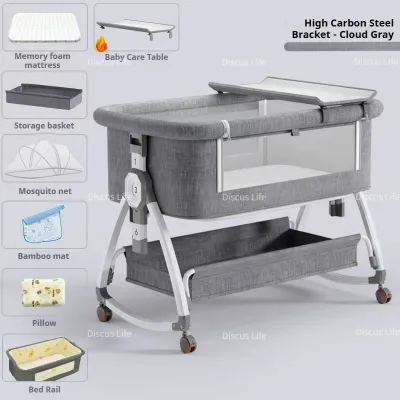
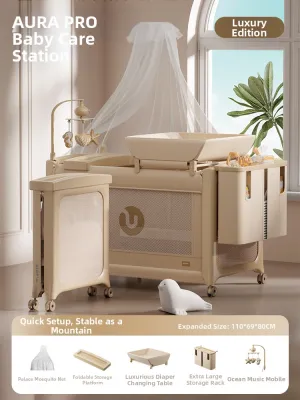
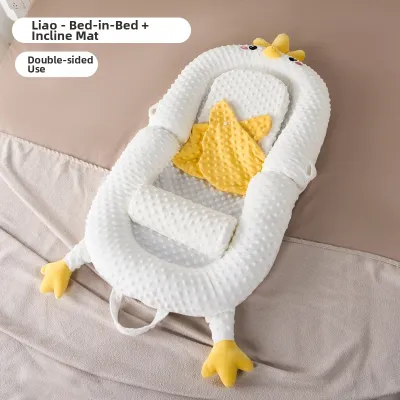
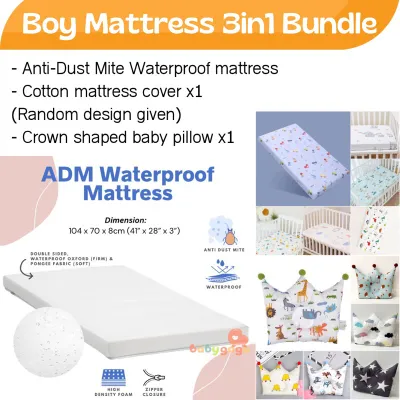
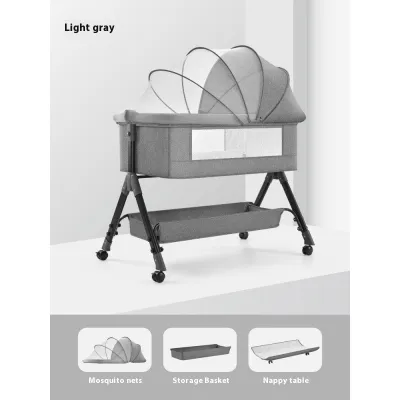
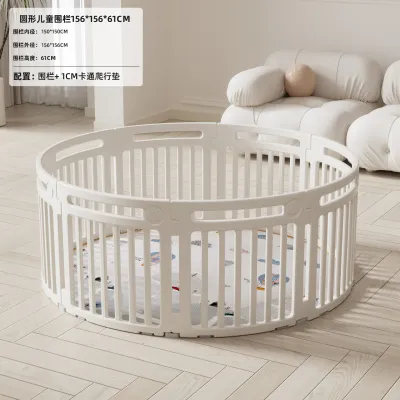
Prices are valid at publication and may change. Please refer to the product page for the latest price.
The European standard, EN 716 (specifically EN 716-1 and EN 716-2), is one of the most widely recognized frameworks for children’s cots and folding cots. This standard regulates the internal height of the cot to prevent climbing or falling, specifies the maximum allowable gap between slats, and mandates rigorous testing for structural impact. It also ensures that there are no small parts that could pose a choking hazard or accessible holes where tiny fingers could get trapped.
For products imported from or designed for the Australasian market, the AS/NZS 2172 standard governs household baby cots. This standard is particularly strict regarding drop-side mechanisms, requiring a double-action locking system to prevent accidental release by a child. It also outlines stringent strength tests for the cot base and frame, ensuring the furniture can withstand the daily physical stress of a growing, active infant.
In the United States, the ASTM F1169 standard sets the benchmark for full-size baby cribs. This standard completely prohibits the manufacture of traditional drop-side cribs due to historical safety concerns and mandates rigorous testing for wood strength, hardware durability, and latch integrity. If your chosen cot model aligns with ASTM F1169, it indicates a highly robust, fixed-side construction designed to prevent structural failures.
Regardless of the specific standard claimed, these regulations collectively control critical safety dimensions. They ensure that slat spacing prevents head entrapment, the mattress fits tightly to eliminate suffocation gaps, and the materials used are free from toxic lead paint or volatile organic compounds. Knowing these standards allows you to ask retailers targeted questions about their product certifications.
How to Verify Ultop Cot Compliance Before Purchase
Verifying safety compliance requires active research before you hand over any money. Do not rely solely on marketing claims or generic product descriptions on an online marketplace. Instead, follow a systematic verification process to confirm that the specific ulop cot model has undergone independent safety testing.

Begin by visiting the manufacturer’s official website or requesting the product manual directly from the retailer. Legitimate manufacturers who have invested in safety testing will proudly display their compliance certificates. Look for explicit references to EN 716, AS/NZS 2172, or ASTM F1169 within the technical specifications or user guides. If a brand uses vague language like “tested to international standards” without naming the specific code, treat this as a prompt for further inquiry.
Next, contact the retailer or brand distributor to request a copy of the official test reports or a Declaration of Conformity. A reputable seller should readily provide these documents. When reviewing a test report, check that the document is issued by an accredited third-party testing laboratory, such as SGS, TÜV Rheinland, or Intertek. Ensure that the model name on the test report matches the exact model of the cot you intend to buy, and verify that the report is relatively recent.
Finally, if you are inspecting the cot in a physical showroom or have already received the delivery, locate the physical compliance labels. Certified cots are required by law in many jurisdictions to have permanent safety labels affixed to the frame, the mattress base, or the inside of the end panels. These labels typically state the specific safety standard met, the manufacturer’s contact details, and crucial safety warnings regarding mattress thickness and safe usage.
Essential Physical Safety Checks for the Ultop Cot
Even if a cot claims compliance on paper, performing a physical inspection is a vital safety step. Manufacturing defects, shipping damage, or incorrect assembly can compromise the safety of an otherwise certified cot. Use this practical checklist to inspect your cot in-store or immediately after assembling it at home.
Slat Spacing and Strength
- Measure the distance between the vertical slats using a standard ruler or tape measure.
- The gap between slats must be between 50mm and 60mm.
- Gaps narrower than 50mm can trap a baby's arms or legs, while gaps wider than 60mm pose a severe risk of head entrapment.
- Gently squeeze adjacent slats to ensure they are rigid and do not bow or bend easily, which could widen the gap under pressure.
Mattress Fit and Firmness
- Ensure the mattress fits snugly within the cot frame with virtually no gaps.
- Push the mattress firmly to one side; the remaining gap between the mattress edge and the cot side must not exceed 20mm.
- A gap wider than 20mm (roughly the width of two adult fingers) creates a dangerous space where an infant's head or limbs can become wedged, presenting a suffocation hazard.
- The mattress must also be highly firm; it should not conform to the shape of your baby's head or body, as soft sleeping surfaces are linked to sudden infant death syndrome.
Hardware, Locks, and Moving Parts
- Inspect all screws, bolts, and brackets to ensure they are completely flush with the frame and tightly secured.
- Loose hardware can cause the cot to wobble or collapse, while protruding bolt heads can snag a baby's clothing, creating a strangulation hazard.
- If the cot features an adjustable mattress base, verify that the support brackets lock securely into place and cannot be accidentally dislodged.
- For models with drop-side mechanisms, test the release function to ensure it requires a deliberate, double-action movement that a child cannot replicate from the inside.
Surface Finishes and Edges
- Run your hands over every surface of the cot frame, paying close attention to the corners, edges, and the top rail.
- There must be no sharp edges, splinters, rough wood patches, or metal burrs that could scratch your baby's delicate skin.
- Check the paint or varnish for any signs of peeling, cracking, or bubbling.
- Because teething babies frequently chew on the cot rails, the finish must be entirely non-toxic, lead-free, and securely bonded to the wood.
Red Flags: When to Avoid or Return the Cot
Your baby’s safety is paramount, meaning you should never compromise on structural integrity or certification. If you encounter any of the following warning signs during your research or physical inspection, you should immediately avoid purchasing the cot or return it for a full refund.
A complete absence of verifiable safety labels or documentation is the first major red flag. If a retailer cannot provide a third-party test report, or if the physical cot lacks permanent safety markings, do not risk your child’s safety. A lack of transparency often indicates that the product has bypassed mandatory safety evaluations.
Structural instability is another critical reason to reject a cot. If the frame wobbles when gently shaken, if the joints do not align perfectly, or if the wood feels lightweight and flimsy, the cot is unsafe for long-term use. Over time, the physical stress of an infant moving, rolling, and standing in the cot will worsen these structural weaknesses, potentially leading to a catastrophic failure.
Finally, always check for active product recalls before finalizing your purchase. You can search official consumer safety databases, such as those maintained by Enterprise Singapore or international product safety regulators, using the brand and model name. If the specific model has been flagged for safety defects, design flaws, or hardware failures, do not use it under any circumstances.
Frequently Asked Questions (FAQ)
Does a higher price guarantee a safer baby cot?
A premium price tag does not automatically guarantee a safer sleeping environment for your baby. In the nursery furniture market, higher prices often reflect aesthetic design choices, luxury wood species, convertible features, or brand prestige rather than superior safety. A moderately priced cot that carries verified certification to EN 716 or AS/NZS 2172 is infinitely safer than an expensive, designer cot that lacks independent safety testing. Always prioritize verified compliance certificates over retail cost or brand popularity.
Are second-hand Ultop cots safe to use?
Using a second-hand cot carries inherent safety risks and requires extreme caution. Over time, wooden frames can warp, joints can weaken, and critical hardware can become lost or damaged. If you choose to use a pre-owned cot, you must verify that you have the original assembly instructions and all original hardware; never substitute missing bolts with hardware store alternatives. Additionally, ensure the cot has not been modified, shows no signs of structural wear or deep cracks, complies with modern safety standards, and has not been subject to any product recalls. If you cannot verify its complete history and structural integrity, it is safer to purchase a new, certified cot.

Community discussion
Share your experience or ask a question. Comments are reviewed before publication.