
Carrying an older toddler can quickly become physically demanding as they grow taller and heavier. The Tula Preschool carrier is engineered specifically to address this challenge, offering specialized ergonomic features that support both your child’s developing body and your own physical comfort. By focusing on optimal weight distribution and a spacious, supportive structure, this carrier allows you to continue babywearing well into the preschool years.
Whether you are navigating crowded Singapore MRT stations, enjoying a family day out at the Singapore Botanic Gardens, or simply managing daily routines, a properly designed carrier makes all the difference. Understanding how the seat, panel, and strap systems work together will help you maximize comfort and maintain safe posture for both you and your child.
Seat and Panel Design for Toddler Posture
The foundation of any ergonomic carrier is how it supports the child’s lower body and spine. The Tula Preschool carrier features an extra-wide seat base designed to support a larger child’s thighs from knee to knee. This wide base is crucial because it prevents the legs from dangling straight down, which can place unnecessary stress on the hip joints.
Products mentioned in this guide
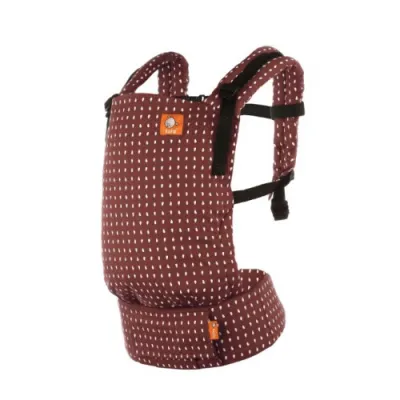
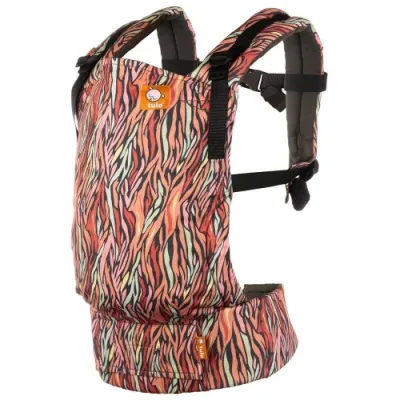
Prices are valid at publication and may change. Please refer to the product page for the latest price.
By supporting the legs from underneath, the carrier naturally encourages the ergonomic “M” position. In this position, the child’s knees sit slightly higher than their hips, and their pelvis is tilted slightly forward. This posture aligns the hip joints optimally and distributes the child’s weight across their thighs and buttocks rather than their spine.
Complementing the wide seat is a tall, structured back panel. As toddlers grow, they require more upper-body support to prevent them from leaning too far away from your body. The tall panel keeps their center of gravity close to yours, which reduces the strain on your core muscles and keeps their spine in a natural, comfortable curve.
Before using the carrier, always check the manufacturer’s specific height and inseam guidelines. The panel should be tall enough to support your child’s back securely, but it should not cover their face or restrict their ability to breathe freely. Ensuring a proper fit prevents the fabric from cutting into the back of their knees or restricting their arm movement.
Weight Distribution for Caregiver Comfort
Carrying a heavier child requires a system that can manage a substantial load without causing localized pain. The Tula Preschool carrier utilizes heavily padded, contoured shoulder straps to help distribute weight evenly across your shoulders and upper back. The contouring helps the straps follow the natural shape of your body, preventing them from slipping or digging into your neck.

Equally important is the wide, structured waistband. This component acts as the primary load-bearing element, transferring a significant portion of your toddler’s weight from your shoulders down to your hips. By shifting the weight to your pelvic bones, the waistband relieves pressure on your lower back and shoulders, allowing you to carry your child for longer periods.
To achieve this level of comfort, proper adjustment is essential. The waistband must be worn high and tight enough on your torso to prevent it from sagging under the child’s weight. If the waistband is too loose, the carrier will pull away from your body, causing the shoulder straps to dig in and forcing you to lean forward to compensate.
Regularly check the tension of the straps during your walks. A snug, secure fit ensures that the child’s weight remains centered over your hips, which preserves your natural posture and reduces muscle fatigue over time.
Adjustability for Multiple Caregivers
In many families, babywearing duties are shared among multiple adults with different body types. The Tula Preschool carrier is designed with highly adjustable straps and a flexible waistband to accommodate a wide range of torso lengths and waist sizes. This flexibility ensures that every caregiver can achieve an ergonomic fit.
When sharing the carrier, it is important to readjust the straps completely for each user rather than trying to make do with the previous person’s settings. Start by securing the waistband at your preferred height, then adjust the shoulder straps and chest clip to ensure the child is held close to your chest or back.
Pay close attention to how the carrier feels during use to identify any fit issues early. If you notice the waistband riding up toward your ribs or the shoulder straps slipping off your shoulders, these are clear signs that the carrier needs to be readjusted. Taking a few moments to fine-tune the fit before heading out ensures a safe and comfortable experience for everyone.
Verifying Readiness: Is Your Child Ready for a Preschool Carrier?
While the prospect of a larger carrier is exciting, it is vital to verify that your child is physically ready for the Tula Preschool model. This carrier is designed for older children who have outgrown standard toddler carriers, and using it too early can compromise their safety and comfort. Always check the official minimum weight, height, and age requirements on the product label before your first use.
One of the most critical checks is observing your child’s leg position in the seat. If the seat fabric is too wide, it will force their knees to lock straight or overstretch their hips, which can cause discomfort and potential joint strain. The fabric should stop just before the back of the knee, allowing the lower leg to swing freely.
If your child shows any signs of discomfort, restricted circulation, or poor posture, stop using the carrier immediately. Red marks on their thighs that do not fade quickly or complaints of tingling legs indicate that the fit is incorrect or that they are not yet ready for this size. If you have persistent concerns about your child’s physical development or comfort while babywearing, consult a pediatrician or a certified babywearing specialist.
Frequently Asked Questions (FAQ)
Can I use the Tula Preschool carrier for a small infant?
No, the Tula Preschool carrier is not safe or suitable for small infants. The panel and seat are designed specifically for older, taller children who meet the manufacturer’s minimum height and weight requirements. Infant inserts are not compatible with this model, and attempting to use one in a preschool-sized carrier can lead to positioning hazards and restricted airflow.
Does the Tula Preschool carrier support forward-facing carries?
The Tula Preschool carrier does not support forward-facing carries. It is designed exclusively for front-inward and back carries. Carrying a heavier toddler in a forward-facing position is not recommended because it pulls their center of gravity away from your body, placing immense strain on your back and shoulders while failing to support their hips ergonomically.
Community discussion
Share your experience or ask a question. Comments are reviewed before publication.