
The Tula Free-to-Grow (FTG) carrier is designed to support your baby’s natural development from infancy through toddlerhood without the need for a separate infant insert. By utilizing an adjustable panel that modifies both seat width and back height, this carrier ensures your child remains in an ergonomically sound position as they grow. This design promotes healthy hip and spine development while keeping your baby secure and comfortable during daily wear.
In the warm, humid climate of Singapore, choosing a carrier that minimizes bulk while maintaining structural integrity is essential for both parent and child. The Tula FTG addresses this need through its streamlined, adjustable canvas or mesh paneling. Understanding how these ergonomic features function allows you to customize the fit to your baby’s unique proportions, ensuring safety and comfort at every developmental milestone.
Decoding the Adjustable "Free-to-Grow" Panel
The core innovation of the Tula FTG lies in its highly adjustable main panel, which transitions seamlessly to accommodate growing babies. Unlike traditional carriers that require bulky inserts to support newborns, this model uses a system of snaps and webbing to alter the physical dimensions of the seat. This adjustability ensures that your baby receives customized support that evolves alongside their skeletal development.
Products mentioned in this guide
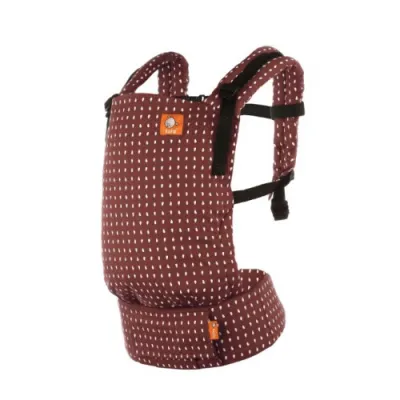
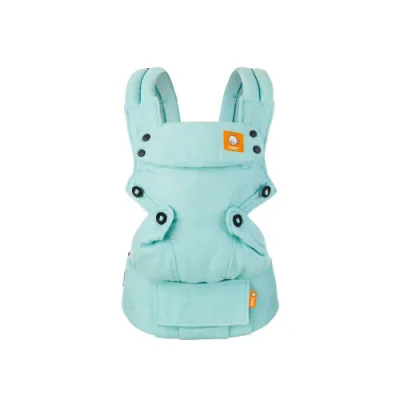
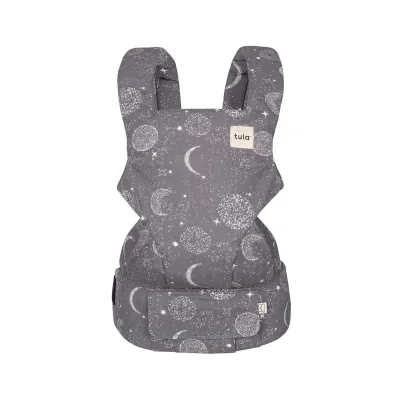
Prices are valid at publication and may change. Please refer to the product page for the latest price.
To maintain optimal hip development, the seat width must adjust to support your baby’s thighs from knee crease to knee crease. The Tula FTG features three width settings—narrow, middle, and wide—secured by durable snaps along the waistband. When adjusted correctly, this base supports the thighs in an “M-shape” position, where the knees sit slightly higher than the bottom. This alignment reduces stress on the developing hip joints and helps prevent hip dysplasia.
As your child grows taller, their torso requires varying levels of support to prevent slouching and maintain a clear airway. The Tula FTG panel height can be adjusted using the webbing straps located at the top corners of the panel. Lowering the panel is ideal for newborns, as it prevents fabric from covering their face, while raising it provides essential back support for older infants and toddlers. This vertical adjustment ensures the carrier’s back panel remains at a safe height relative to your baby’s spine.
Verifying the correct fit requires a quick visual inspection every time you secure your baby in the carrier. The seat is too wide if the fabric extends past your baby’s knee creases, forcing their lower legs to point straight out or preventing them from swinging freely. Conversely, the seat is too narrow if the fabric only supports the pelvis, leaving the thighs dangling downward without support. Regularly checking these indicators ensures your baby remains in a safe, ergonomic position during growth spurts.
Head, Neck, and Airway Support for Different Stages
Infants lack the muscle strength to support their own heads, making targeted neck support a critical safety feature in early babywearing. The Tula FTG features a padded, fold-down head and neck support collar at the top of the panel. For newborns, this collar can be snapped down to provide structured cushioning right at the base of the skull, preventing the head from tipping backward or sideways while keeping the face clear.

Airway safety is the most critical consideration when positioning a young baby in any carrier. Caregivers must consistently apply the “two-finger rule,” ensuring there is always a gap of at least two fingers between the baby’s chin and chest. A slumped posture can restrict the airway, so the baby’s head should be positioned high enough on your chest that you can easily kiss the top of their head. The face must remain completely visible and unobstructed by fabric at all times.
As your baby transitions into a toddler, they may still fall asleep during transit, requiring additional head stability. The Tula FTG includes a detachable, adjustable hood that snaps onto the shoulder straps to support a sleeping child’s head. This hood prevents the head from lolling backward, which could strain the neck muscles or compromise the airway. However, caregivers must ensure the hood is never used to tightly cover a newborn’s face or force their head forward.
In Singapore’s tropical environment, airflow around the baby’s head and neck is vital to prevent overheating. When using the hood or adjusting the neck support, ensure there is sufficient lateral ventilation. Choosing a Tula FTG model featuring breathable mesh paneling can further enhance airflow, keeping your baby cool while maintaining the necessary structural support for their head and neck.
How Caregiver Comfort Impacts Baby Positioning
The ergonomics of a baby carrier do not solely affect the child; the caregiver’s physical comfort directly influences how securely and correctly the baby is positioned. If a carrier causes shoulder or back pain, caregivers are more likely to let the straps sag or adjust them improperly, which compromises the baby’s alignment. The Tula FTG addresses this through heavily padded shoulder straps and a wide, supportive waistband.
The structured waistband is designed to transfer a significant portion of the baby’s weight from your shoulders down to your hips. This weight distribution is crucial for maintaining your natural posture, preventing you from leaning forward or backward to compensate for the baby’s weight. By keeping your spine aligned, the carrier helps you maintain a stable center of gravity, which in turn keeps your baby in a secure, upright position close to your body.
When a carrier is adjusted too loosely, the baby’s body can sag away from the caregiver, causing their spine to slump and their chin to drop toward their chest. To prevent this, tighten the shoulder straps until the baby’s chest is flush against your torso, while still allowing enough room for their chest to expand naturally as they breathe. The snug fit ensures that the baby’s center of gravity remains integrated with yours, reducing friction and shifting during movement.
To achieve an optimal fit, always adjust the chest clip so it sits comfortably in the middle of your shoulder blades. This placement prevents the shoulder straps from slipping off your shoulders or digging into your neck. Making these adjustments before embarking on walks in places like the Singapore Botanic Gardens or local shopping malls ensures a pain-free experience that keeps your baby safely positioned for extended periods.
A Practical Checklist for Hip-Healthy Positioning
Before heading out, performing a quick head-to-toe check ensures your baby is riding safely and ergonomically. A newborn’s spine naturally curves in a gentle “C-shape,” and the carrier should support this natural curvature without forcing the back into an unnaturally straight line. As your baby develops core strength and begins to sit independently, their spine will naturally adopt a more upright posture, which the carrier continues to support.
To simplify your safety routine, you can adapt standard babywearing guidelines specifically for the structured design of the Tula FTG. Ensure the carrier is tight enough to hold your baby close to you, keeping them “in view at all times” and “close enough to kiss.” Their chin must remain off their chest, and their back should be supported in its natural alignment. This simple mental checklist helps prevent common positioning errors before they lead to discomfort or safety hazards.
Because baby gear standards and physical designs can vary, always consult the official Tula product manual for the exact weight and height parameters of your specific carrier model. The Tula FTG is generally rated for infants starting at 3.2 kg up to toddlers weighing 20.4 kg, but verifying these limits directly through the manufacturer’s current documentation is essential. You should also check the manufacturer’s official resources to confirm any hip-health certifications or recommended safety updates.
Frequently Asked Questions (FAQ)
Does the Tula Free-to-Grow require a separate infant insert for newborns?
No, the Tula Free-to-Grow is specifically designed to be used from infancy without a separate infant insert. By adjusting the seat snaps to the narrowest setting and shortening the back panel, you can safely position a newborn directly in the carrier. Always verify that your baby meets the manufacturer’s minimum weight requirement, which is typically 3.2 kg (7 lbs), before your first use.
How do I know if the seat is too wide or too narrow for my baby?
Perform a visual check of your baby’s thighs while they are seated in the carrier. The fabric should support their thighs completely, extending from the back of one knee crease to the back of the other without bunching. If the fabric stops mid-thigh, leaving the legs dangling straight down, the seat is too narrow; if the fabric extends past the knees, preventing the lower legs from bending freely, the seat is too wide and needs to be adjusted to a narrower snap setting.
Community discussion
Share your experience or ask a question. Comments are reviewed before publication.