
Selecting the right baby carrier requires balancing physical support with daily portability. While the Tula Explore is widely recognized for its structured versatility, comparing it to ultra-lightweight alternatives reveals distinct trade-offs in weight, foldability, and long-term comfort. There is no single carrier that excels in every scenario; instead, the ideal choice depends on your daily transit habits, climate, and how compactly you need the gear to pack away. By examining verified manufacturer specifications, structural designs, and ergonomic features, you can determine whether a structured option like the Tula Explore or a minimalist lightweight alternative best fits your lifestyle.
Defining Your Portability Needs for Daily Use
To establish a practical baseline for your comparison, begin by analyzing your typical daily routine and transit environments. Parents navigating busy public transportation networks, such as trains and buses, often require a carrier that can be quickly removed, folded, and stowed without hassle. If your routine primarily consists of short errands where you frequently transition between a car seat and walking, a highly packable carrier that fits into a small bag is highly advantageous. Conversely, if you plan to use the carrier for extended outdoor walks or as a primary alternative to a stroller, long-term carrying comfort becomes far more critical than absolute packability.
Storage space is another essential factor to evaluate before making a purchase. Consider the physical limits of your daily gear, such as the storage basket under your stroller or the main compartment of your diaper bag. A carrier that is too bulky to fit alongside diapers, wipes, and personal items may end up being left behind, defeating its purpose. Additionally, if multiple caregivers of different heights and builds will share the carrier, look for designs that allow for rapid, intuitive adjustments without requiring complex re-threading of straps.
Products mentioned in this guide
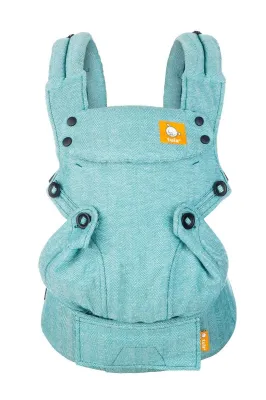
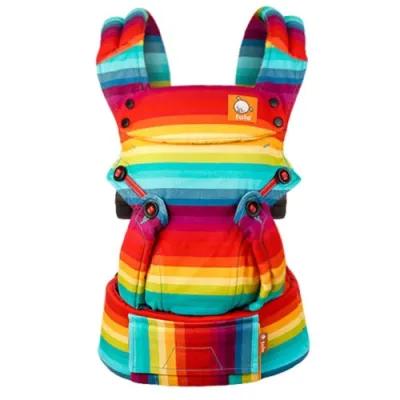
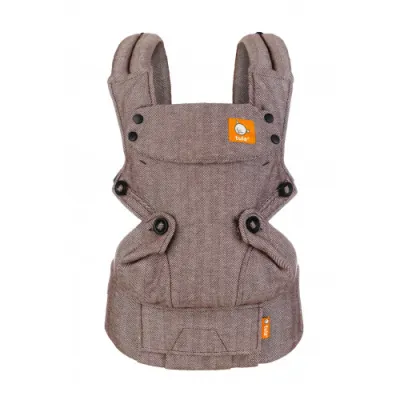
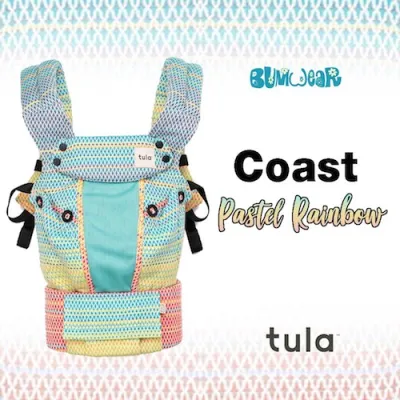
Prices are valid at publication and may change. Please refer to the product page for the latest price.
Comparing Weight and Packability: Tula Explore vs. Alternatives
When comparing the Tula Explore to dedicated lightweight carriers, it is vital to look past marketing terms like “ultralight” or “featherweight” and verify the actual product specifications. Manufacturers list the precise weight of the carrier on their official websites and product packaging. Structured carriers like the Tula Explore naturally carry more physical weight due to their padded waistbands, thick shoulder straps, and adjustable panel mechanisms. In contrast, minimalist fabric wraps or unstructured buckled carriers often weigh significantly less because they omit heavy padding and rigid support structures.

The folding mechanism of a carrier directly dictates how easily it integrates into your daily travel. Some ultra-lightweight carriers are designed to fold down into their own integrated zippered pockets, transforming into a compact pouch that can be clipped to a bag. Other models require a separate storage bag, which can easily be misplaced during busy outings. Structured carriers typically do not fold into a self-contained pocket; instead, they must be rolled or folded manually. Understanding how a carrier collapses helps you anticipate how much space it will occupy in your home or vehicle.
Strap management and waistband construction play a major role in how compactly a carrier can be stored. To evaluate this, observe how the waistband folds. A thick, padded waistband provides excellent support but resists tight folding, often requiring you to wrap the shoulder straps around the waist belt to keep the unit contained. Unstructured waistbands can be folded flat or rolled tightly, allowing them to slip into narrow side pockets. Measure your everyday diaper bag’s internal dimensions and compare them to the folded dimensions of the carriers you are considering to ensure a seamless fit.
Evaluating Comfort and Ergonomics on the Go
Long-term comfort for the caregiver relies heavily on how the carrier distributes the baby’s weight. When evaluating any carrier, inspect the width and thickness of the shoulder straps. Thickly padded, contoured straps help prevent the material from digging into your shoulders during extended wear, which is especially important as your baby grows heavier. Adjustable chest and back straps are also crucial, as they allow you to customize the fit to your specific torso length and shoulder width, preventing muscle strain.
The waistband is the foundation of ergonomic carrying, transferring a significant portion of the baby’s weight to your hips. A structured waistband with integrated lumbar support helps maintain proper spinal alignment for the caregiver, reducing lower back fatigue. Unstructured carriers often lack this rigid support, which may lead to discomfort during longer walks. When comparing models, check whether the waistband remains firm under load or if it tends to crease and roll, which can cause localized pressure points.
For the baby, maintaining an ergonomic position is non-negotiable for healthy hip and spinal development. Verify that the carrier supports the natural “M-shape” positioning, where the baby’s knees are aligned higher than their hips, and the thighs are fully supported to the knee joint. The carrier must also provide adjustable neck support that can be secured or folded down depending on the baby’s developmental stage and alertness. Ensure these ergonomic positions are achievable in all carrying directions supported by the model, whether front-facing inward, front-facing outward, or back carrying.
In warm and humid climates, fabric selection directly impacts both caregiver and baby comfort. Heavy, tightly woven cotton fabrics can trap body heat, leading to overheating and discomfort for both of you. Look for carriers that utilize breathable mesh panels, lightweight linen, or specialized moisture-wicking performance fabrics. These materials promote airflow through the carrier’s body panel, helping to regulate temperature during outdoor activities and keeping your baby dry and comfortable.
Decision Framework: Choosing the Right Carrier for Your Routine
Choosing between the Tula Explore and a highly packable alternative comes down to matching their design strengths with your daily lifestyle constraints. The Tula Explore is an excellent choice if you prioritize structured, multi-position carrying that can comfortably support your baby from infancy through toddlerhood. Its robust padding and lumbar support make it ideal for parents who plan to carry their child for hours at a time and do not mind dedicating extra space in their stroller basket or diaper bag to accommodate its structured frame.
On the other hand, an ultra-lightweight or unstructured carrier is highly suitable if your primary goal is maximum packability for quick transitions. If you frequently travel by public transit, live in a compact apartment with limited storage, or simply need a secondary carrier that can live permanently in your diaper bag “just in case,” a minimalist model will serve you well. These carriers excel at short-duration trips where quick setup and minimal bulk are more important than heavy-duty lumbar support.
However, neither option will be suitable if the carrier’s verified weight limits or physical dimensions do not safely align with your baby’s current developmental milestones. Always check the manufacturer’s official guidelines to ensure your baby meets both the minimum and maximum weight requirements. Additionally, verify the care instructions, warranty terms, and whether the carrier requires separate accessories, such as an infant insert, to be used safely. Taking the time to verify these details beforehand ensures a safe, comfortable, and practical carrying experience for both you and your baby.
Frequently Asked Questions (FAQ)
Can I use a lightweight baby carrier for a newborn?
Yes, but you must strictly verify the manufacturer’s stated minimum weight and age requirements on the product label before use. Many lightweight carriers require a minimum weight of around 3.2 kilograms (or approximately 7 pounds) and may necessitate a specific newborn setting or a separate infant insert to ensure safety. Proper positioning is critical for newborns to maintain an open airway, with the chin off the chest and the head fully supported. If your baby was born prematurely, had a low birth weight, or has any underlying health conditions, always consult your pediatrician before using any baby carrier.
How do I clean and maintain the carrier's buckles and fabric?
To preserve the structural integrity of your carrier, always follow the specific washing and drying instructions printed on the manufacturer’s care label. Avoid using harsh chemical detergents, bleach, fabric softeners, or lubricants on the plastic buckles and adjustment joints, as these substances can degrade the materials and compromise safety. For minor spills and dirt, spot cleaning with a damp cloth and mild soap is highly recommended. When a full wash is necessary, use a gentle cycle with a mild detergent, secure all buckles, place the carrier in a mesh laundry bag, and allow it to air-dry completely in a well-ventilated area away from direct sunlight to prevent mold, mildew, and fabric fading.
Community discussion
Share your experience or ask a question. Comments are reviewed before publication.