
The Tula Explore Mesh baby carrier is designed to provide ergonomic support for both developing infants and their caregivers by utilizing adjustable seating panels, padded straps, and breathable mesh fabric. Evaluating these features requires understanding how the carrier maintains proper hip and spine alignment for the baby while distributing weight evenly across the wearer’s body. For parents in warm climates like Singapore, balancing thermal comfort with structural safety is a key consideration when selecting baby gear.
Baby Positioning Specs: Hip and Spine Support Explained
An ergonomic baby carrier must support the natural development of a baby’s hips and spine. The primary feature to look for is a wide, adjustable seat base that supports the baby from knee to knee. This design facilitates the “M-shape” seated posture, where the baby’s knees are positioned higher than their bottom, and the thighs are supported. This position keeps the hip joint in a secure alignment, reducing the risk of hip strain.
As your baby grows, their seating needs change. Caregivers should consult the manufacturer’s manual to verify the specific weight ranges and developmental milestones required for each carrying position. While inward-facing carrying is standard for newborns, transitioning to an outward-facing mode requires the baby to have sufficient torso strength and head control. The seat width must be adjusted accordingly to maintain proper support in every position.
Products mentioned in this guide
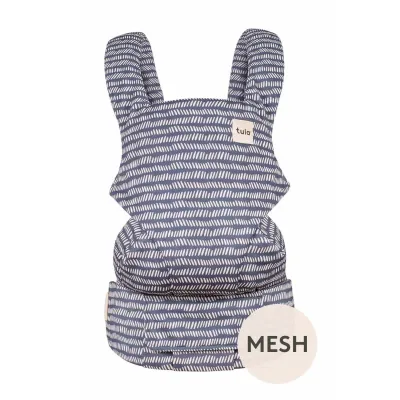
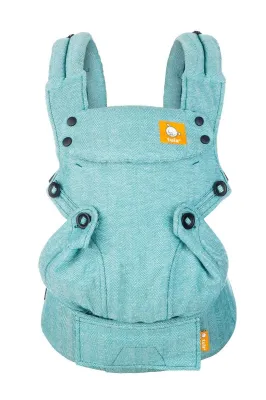
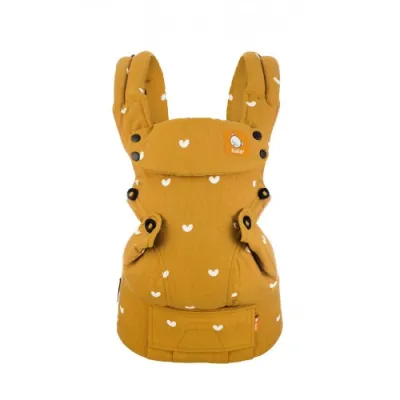
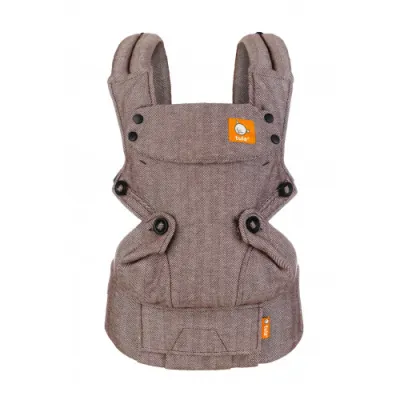
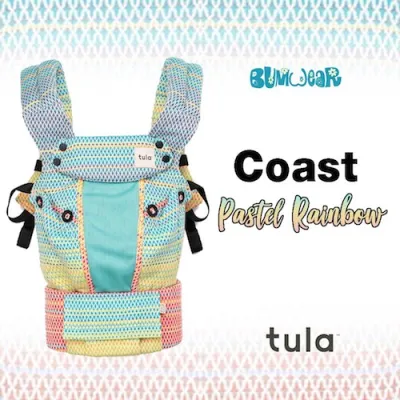
Prices are valid at publication and may change. Please refer to the product page for the latest price.
Head and neck support is another critical element. The carrier features an adjustable support panel at the top of the seat. This panel can be folded up or down and secured to match the baby’s current torso length. For younger infants who lack complete head control, keeping this panel raised provides essential stability, while older babies who can hold their head up can have the panel lowered to allow a wider field of view.
Parent Comfort Specs: Weight Distribution and Fit
A carrier’s ergonomic design is just as important for the wearer as it is for the baby. The waistband plays a crucial role in comfort by transferring the baby’s weight from the wearer’s shoulders down to the hips. A wide waistband with dense padding and structural rigidity prevents the fabric from digging into the waist and helps distribute the load evenly across the pelvis, reducing lower back strain during long walks.

Shoulder straps are another key component of weight distribution. Thickly padded straps cushion the shoulders, while adjustability allows the wearer to pull the baby close to their center of gravity. Caregivers should check whether the carrier supports standard H-strap configurations, which use a chest clip to keep the straps parallel, or cross-back configurations. Cross-back straps can help distribute upper back tension more evenly for some body types.
To ensure a secure fit, verify the waistband’s minimum and maximum circumference limits before purchasing. A proper fit is essential for safety; if the waistband is too loose, the carrier may sag, pulling the wearer’s shoulders forward and causing muscle fatigue. Ensuring the waistband can be tightened securely against your body shape is vital for maintaining an upright, comfortable posture.
Mesh Material Specs: Breathability vs. Structural Support
The mesh fabric used in the carrier is specifically engineered to improve airflow, helping to keep both the baby and the caregiver cool in humid environments. However, a common trade-off with highly breathable fabrics is a potential loss of structural support. To counter this, the carrier combines mesh panels with sturdy, non-stretch fabric borders. This hybrid construction ensures that while air flows freely through the center, the overall structure remains rigid enough to support the baby’s spine and prevent sagging.
When choosing a mesh carrier, it is important to inspect the quality of the fabric edges and seams. The mesh material should feel soft to the touch, and the seams around the leg openings must be smoothly finished. Rough or stiff edges can rub against a baby’s bare legs, leading to chafing or skin irritation, especially during warm-weather outings when the baby may wear lighter clothing.
Maintaining the structural integrity of mesh fabric requires proper care. Caregivers should check the manufacturer’s washing instructions, which typically recommend washing the carrier on a gentle cycle in cold water, using a mild detergent, and placing it inside a mesh laundry bag to prevent the straps from tangling. Air drying is generally recommended, as high heat from a tumble dryer can damage the synthetic mesh fibers, causing them to warp, shrink, or lose their supportive qualities.
Verifying Ergonomic and Safety Certifications
Before finalizing a purchase, caregivers should independently verify the ergonomic and safety claims associated with the carrier. Look for official hip-health acknowledgments from recognized pediatric orthopedic organizations, such as the International Hip Dysplasia Institute (IHDI). These acknowledgments are typically displayed as a logo or statement on the product packaging or the brand’s official website, indicating that the carrier supports healthy hip development when used as directed.
In addition to hip health, check for compliance labels that confirm the carrier meets local and international safety standards for baby carriers. These standards govern structural strength, fastener durability, and chemical safety for textiles. Ensuring the product complies with these regulations provides peace of mind regarding the durability of the buckles and the safety of the fabrics.
While ergonomic carriers are designed to support healthy development, individual physical needs can vary. If your baby has been diagnosed with hip dysplasia, spinal concerns, or low muscle tone, it is essential to consult a pediatrician or a qualified healthcare professional before using any baby carrier. A professional can provide personalized guidance on the safest carrying positions and adjustments for your baby’s specific medical needs.
Frequently Asked Questions (FAQ)
Does the Tula Explore Mesh require a separate infant insert for newborns?
To determine if the carrier can be used from birth without accessories, verify the manufacturer’s stated minimum weight limit. The carrier is designed with an adjustable seat base that can be narrowed using snaps or buttons to accommodate smaller infants. This integrated adjustment system allows caregivers to customize the seat width for a newborn without needing a separate infant insert, provided the baby meets the baseline weight and developmental safety criteria specified in the manual.
What are the ergonomic limits for using the outward-facing position?
The outward-facing position has specific developmental and physical limits. Caregivers should only use this mode once the baby has achieved full head and neck control, which typically occurs around five to six months of age, and meets the manufacturer’s minimum weight requirement for front-outward carrying. Additionally, because outward-facing can be highly stimulating and places different physical demands on the baby’s spine, it is recommended to limit the time spent in this position. Watch for signs of fatigue, such as a drooping head or fussiness, and turn the baby back to the inward-facing position or remove them from the carrier if they show signs of discomfort.
Community discussion
Share your experience or ask a question. Comments are reviewed before publication.