
The Tula Explore baby carrier is designed with adjustable ergonomic features—such as a variable seat width, a flexible back panel, and an adjustable neck support pillow—to promote healthy hip and spine development from infancy through toddlerhood. By facilitating the natural “M-shape” leg position and supporting the spine’s natural curvature, this carrier helps caregivers maintain proper infant positioning during daily wear.
In Singapore’s warm, humid climate, choosing a carrier that supports ergonomic positioning while keeping both caregiver and baby comfortable is a practical priority for active families navigating busy transit hubs or neighborhood walks.
Understanding the "M-Shape" Seating Position
The foundation of ergonomic babywearing is the “M-shape” seating position, where the baby’s hips are spread naturally, the thighs are supported from knee to knee, and the knees are aligned slightly higher than the hips. This deep squat position reduces stress on the developing hip joints, helping to keep the femoral head securely inside the hip socket.
Products mentioned in this guide
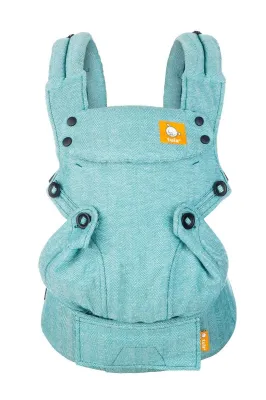
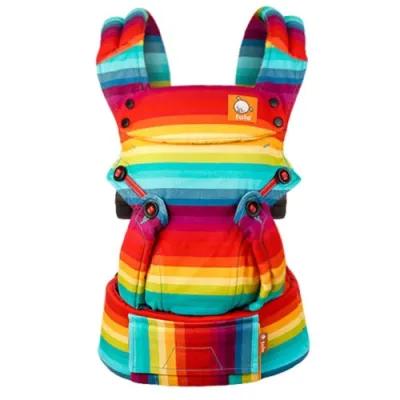
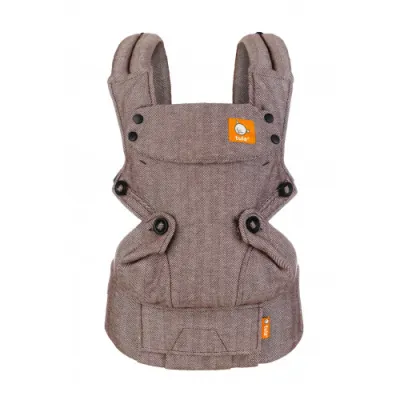

Prices are valid at publication and may change. Please refer to the product page for the latest price.
When placing your baby in the Tula Explore, visually inspect the leg positioning from the front and sides. The fabric of the seat should extend fully under the thighs, stopping just before the back of the knees to avoid restricting circulation. The baby’s bottom should sink deeply into the panel, creating a natural pelvic tilt that rounds the lower back.
Because babies grow rapidly, caregivers must regularly adjust the carrier’s seat width settings. The Tula Explore features adjustable snaps on the waistband to narrow or widen the seat. Always consult the manufacturer’s instruction manual to match these snap settings with your baby’s current weight and height, ensuring the seat is never too wide (which overstretches the joints) or too narrow (which lets the legs dangle).
Spinal Alignment and Back Panel Flexibility
A newborn’s spine is naturally curved in a gentle “C” shape, which gradually straightens and develops adult-like curves as the child gains head control, sits up, and begins to walk. The back panel of the Tula Explore is constructed from flexible fabric designed to hug this natural curvature rather than forcing the spine into a rigid, straight line.

Proper spinal support requires the fabric to be snug but not overly tight. If the panel is pulled too tautly across the baby’s back, it can flatten the natural C-curve, placing unnecessary pressure on the developing vertebrae. Conversely, a panel that is too loose will allow the baby to slump, which can compromise their airway and strain their back muscles.
To accommodate physical growth, caregivers should adjust the height of the panel using the integrated buttons or straps. As your baby transitions from a newborn to an active toddler, the panel must be adjusted to provide adequate torso support while allowing older babies to move their arms freely when developmentally appropriate.
Head and Neck Support Mechanisms
Infants do not develop sufficient neck strength to support their heads during the first few months of life, making targeted cervical support essential. The Tula Explore addresses this need with an adjustable neck support pillow located at the top of the back panel, which can be secured in different positions using integrated buttons.
For newborns and sleeping infants, the support pillow should be flipped upward and secured to prevent the head from slumping backward or sideways. Once your baby demonstrates consistent head and neck control—typically around four to six months of age—the pillow can be folded down to allow a wider field of view and encourage active neck muscle development.
Regardless of the support setting, caregivers must continuously monitor the baby’s airway during use. Ensure there is always a clear space of at least two fingers between the baby’s chin and chest to prevent accidental airway restriction. The baby’s face should remain visible and “close enough to kiss” at all times.
Caregiver Fit and Its Impact on Baby Positioning
The ergonomic positioning of the baby is directly linked to how securely the carrier is fitted to the caregiver’s body. The Tula Explore utilizes a wide, padded waistband and thick shoulder straps to distribute the baby’s weight evenly across the wearer’s hips and shoulders, preventing localized strain.
If the waistband is worn too low or too loose, the carrier will sag, causing the baby’s weight to pull forward and downward. This sagging not only strains the caregiver’s lower back but also flattens the baby’s seat, pulling them out of the recommended M-shape position and causing their spine to slump uncomfortably.
Before setting off on a walk, run through a quick safety and fit checklist. Confirm that the waistband is positioned high on your hips, the shoulder straps are snug and symmetrical, the chest clip is centered between your shoulder blades, and the baby is seated high and tight against your chest with their knees higher than their bottom.
Verifying Ergonomic Claims and Safety Standards
While many carriers claim to be ergonomic, caregivers should verify these assertions by checking the product packaging, labels, and official documentation for acknowledgments from recognized hip health organizations, such as the International Hip Dysplasia Institute. These designations indicate that the carrier’s design has been evaluated for supporting healthy joint development when used as directed.
Always cross-reference the manufacturer’s stated weight ranges and age recommendations with your baby’s actual physical milestones rather than relying solely on age averages. Every baby develops at a unique pace, and a child who falls within the weight limit may still require a different seat adjustment based on their leg length or torso height.
If you notice your baby consistently slumping, showing signs of discomfort, or if you are unsure whether their hips are positioned correctly, temporarily discontinue use and consult a pediatrician or a certified babywearing educator. A professional can assess your baby’s specific physical development and help you adjust the carrier for a safe, supportive fit.
Community discussion
Share your experience or ask a question. Comments are reviewed before publication.