
When baby-proofing a home, wall padding is a critical investment for protecting active toddlers from hard corners and flat surfaces. In Singapore, where many residential units feature solid concrete walls or hard drywall partitions, creating a soft, forgiving play area is essential as infants transition from crawling to taking their first unsteady steps. However, not all padding offers the same level of impact absorption or adhesive reliability. Because safety standards and material quality vary significantly across the market, identifying a trustworthy brand requires looking beyond marketing claims. This guide outlines the essential criteria, safety features, and sourcing strategies to help you evaluate and select reputable wall padding for your child’s safety.
Core Criteria for Evaluating Wall Padding Brands
To establish a reliable framework for evaluating wall padding brands, parents must first understand the core criteria that distinguish high-quality safety products from cheap, decorative wall stickers. The primary purpose of wall padding is shock absorption, which is directly determined by the material’s density and thickness. Low-density foams may cushion minor bumps, but they easily bottom out under the force of a falling toddler, offering little actual protection against hard concrete walls. High-density options, such as cross-linked polyethylene (XPE) or polyurethane (PU) foam wrapped in synthetic leather, distribute the force of an impact across a wider surface area, significantly reducing the risk of injury.
Chemical safety is another non-negotiable criterion when selecting a brand. Toddlers interact with their environment through touch and taste, meaning any wall padding installed within their reach must be entirely non-toxic, odor-free, and free from hazardous substances. Reputable brands formulate their products without bisphenol A (BPA), phthalates, lead, formamide, or volatile organic compounds (VOCs). Because some foam manufacturing processes historically relied on formamide to achieve softness, trustworthy brands will proactively test for this compound and publish their compliance reports.
Products mentioned in this guide
![ [SG Stock] Wall Cushion Baby Protection Pad DIY Wall Protector Kids Playroom Anti-collision Wall 20*50cm](https://img.lazcdn.com/g/p/575ac78c054e3fbfd1b7ce7cba6cbf19.jpg_400x400q80.jpg_.webp)
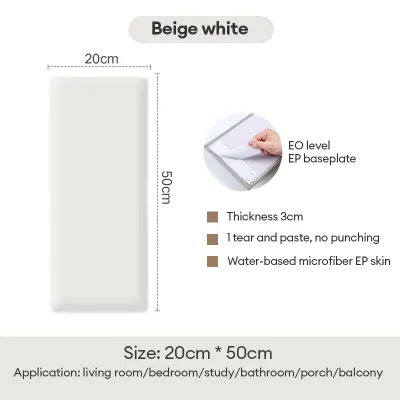
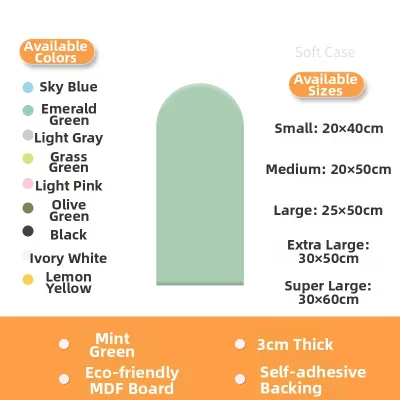
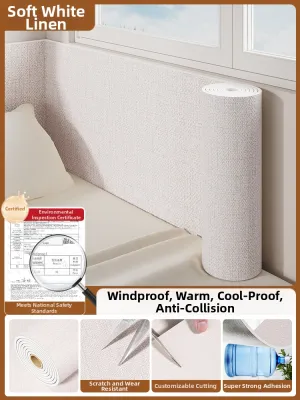
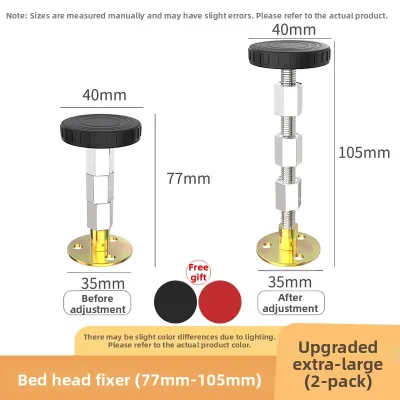
Prices are valid at publication and may change. Please refer to the product page for the latest price.
Adhesive performance represents a critical balance between safety and property preservation. The padding must adhere firmly enough to withstand constant pulling, leaning, and picking from curious fingers, as loose padding poses a choking hazard if small pieces are torn off. At the same time, the adhesive should be formulated to allow for clean removal when the child outgrows the need for padding. Brands that invest in high-quality, pressure-sensitive acrylic adhesives generally offer a more reliable hold without leaving stubborn, wall-damaging residues.
Finally, manufacturer transparency serves as a key indicator of brand reliability. A trusted brand will provide clear, traceable manufacturing origins, detailed material specifications, and comprehensive installation guides. They do not hide behind generic, white-label packaging or anonymous online storefronts. When a manufacturer offers accessible customer support and stands behind their product with clear safety declarations, it provides parents with the necessary confidence that the product has been designed with child safety as the primary focus.
Material and Safety Features to Verify Before Purchase
Before making a purchase, parents should know how to inspect product labels and physical attributes to verify safety claims. The most reliable way to confirm chemical safety is by looking for recognized independent testing marks on the packaging. Certifications from global testing organizations, such as SGS, TÜV Rheinland, or compliance with European safety standards like EN 71 (specifically EN 71-3 for chemical migration), indicate that the product has undergone rigorous laboratory analysis. If a brand claims to hold these certifications, parents should verify if the manufacturer provides certificate numbers or downloadable test reports on their official channels.

The physical characteristics of the foam also require close inspection. A high-quality wall pad should exhibit an excellent rebound rate, meaning it quickly returns to its original shape after being compressed. You can evaluate this by reading verified customer reviews that discuss long-term durability or by visiting a physical store to press the foam yourself. If the foam remains indented or feels excessively soft and airy, it likely lacks the density required to absorb significant impacts. Additionally, consider the outer material; PU leather covers are highly durable and easy to clean, whereas exposed EVA or XPE foam must have a sealed, scratch-resistant skin to prevent toddlers from picking off small, swallowable pieces.
Adhesive compatibility and curing instructions are equally important safety features to verify. Reputable brands will explicitly state which wall surfaces their adhesives are compatible with, such as painted drywall, concrete, wood, or wallpaper. They will also provide detailed instructions on curing times, which is the period the adhesive needs to bond with the wall before any pressure or pulling is applied. Skipping this curing phase—which typically ranges from 24 to 48 hours—is a primary cause of adhesive failure, leading to peeling corners that toddlers can easily grab.
Lastly, parents must check for explicit safety warnings regarding age limits and potential choking hazards. Some modular or puzzle-style wall pads feature small, removable decorative shapes or letters. While visually appealing, these designs can pose a severe choking risk if a child manages to pry them loose. Trusted brands prioritize structural integrity, offering solid, seamless panels or large, unified edge guards that minimize the risk of small parts detaching during daily use.
Where to Source and Cross-Check Reputable Brands in Singapore
Navigating the retail landscape in Singapore requires a strategic approach to ensure you are purchasing authentic, high-quality wall padding. To minimize the risk of buying counterfeit or substandard products, prioritize official brand websites, authorized baby specialty retailers, and established local e-commerce platforms. Many reputable brands maintain official flagship stores on major online marketplaces, which offer buyer protection programs, verified customer reviews, and clear return policies if the product does not match the advertised specifications.
Cross-referencing parent reviews across multiple independent channels is an invaluable step in validating a brand’s reputation. While product pages often highlight positive testimonials, searching local parenting forums, social media groups, and independent blog reviews can reveal how the padding performs in real-world Singaporean homes. Pay close attention to feedback regarding how well the adhesive holds up in Singapore’s hot and humid climate, as high humidity can sometimes weaken low-grade adhesives, causing the panels to peel prematurely.
Visiting physical maternity and baby specialty stores in Singapore provides an excellent opportunity for tactile evaluation. Physically handling the wall padding allows you to assess the thickness, feel the firmness of the foam, and inspect the quality of the outer cover and stitching. This hands-on experience is particularly helpful when comparing different materials, such as deciding between lightweight foam stickers and premium, heavy-duty PU leather wall panels. It also allows you to ask store staff detailed questions about installation and surface compatibility.
Conversely, parents should exercise caution and avoid unbranded, white-label, or unusually cheap wall padding options commonly found on generic online marketplaces. These products often bypass stringent quality control measures and rarely come with verifiable safety certifications or clear material listings. While the lower price point may seem appealing, the lack of traceable manufacturer origins means there is no guarantee of chemical safety or impact protection, potentially exposing your child to harmful off-gassing or inadequate cushioning.
Installation, Maintenance, and Replacement Guidelines
To ensure that your chosen wall padding remains secure and effective throughout its intended lifespan, proper installation and ongoing maintenance are essential. The installation process begins with thorough wall surface preparation. The target wall area must be completely clean, dry, and free of dust, dirt, grease, or loose paint. Wipe the wall down with a dry microfiber cloth or a mild cleaning solution, and allow it to dry completely. In Singapore’s humid climate, even a small amount of trapped moisture can severely compromise the adhesive’s ability to form a strong bond, leading to premature peeling.
Once installed, establish a routine weekly check to monitor the condition of the wall padding. Inspect the edges, corners, and seams for any signs of lifting or loose adhesive. Toddlers are naturally inquisitive and will quickly exploit any loose edges, peeling them further and potentially chewing on the exposed foam or adhesive backing. If you notice minor peeling, address it immediately according to the manufacturer’s guidelines, which may involve applying a small amount of compatible, baby-safe adhesive or replacing that specific panel. Regular cleaning is also necessary; wipe the surfaces with a damp cloth and a mild, non-toxic soap to remove sweat, dirt, and food residues, keeping the play area hygienic.
When the time comes to remove or replace the wall padding, following the manufacturer’s removal instructions is critical to prevent damaging your home’s walls. Many high-quality adhesives are designed to soften when exposed to gentle heat. Using a hair dryer on a low-medium setting to warm the adhesive backing before slowly peeling the pad away at a 45-degree angle can help release the bond cleanly. Rushing this process or pulling the padding off forcefully can strip away layers of paint, plaster, or wallpaper, resulting in costly wall repairs.
Finally, parents must recognize the clear indicators that signify the need for immediate replacement. Wall padding should be replaced if the foam exhibits permanent indentation and no longer rebounds, as this indicates the material has lost its shock-absorbing capacity. Other critical signs include torn outer covers that expose the inner foam, persistent adhesive failure that cannot be safely repaired, or visible mold growth, which can occasionally occur in poorly ventilated, humid spaces. Regularly assessing the physical integrity of the padding ensures your child remains fully protected during their active play hours.
Frequently Asked Questions (FAQ)
Are all wall padding adhesives safe for painted walls?
No, adhesive safety depends heavily on the type of paint, the wall finish, and how well the paint has cured. Standard water-based emulsion paints commonly used in Singapore homes can sometimes peel if the adhesive bond is stronger than the paint’s adhesion to the plaster. Matte and chalky finishes are particularly susceptible to damage compared to glossy or semi-gloss paints. To prevent widespread damage, always check the manufacturer’s surface compatibility list and perform a small, hidden patch test in an inconspicuous area, such as behind a door or near the skirting board, before applying the padding across a large wall area.
How often should baby wall padding be replaced?
There is no fixed calendar timeline for replacing wall padding, as its lifespan depends on material wear, adhesive durability, and environmental factors like humidity. Instead, rely on regular visual and physical checks. You should replace the padding if the foam becomes permanently compressed and no longer rebounds, if the outer protective cover tears, or if the adhesive repeatedly fails despite reapplication. Additionally, as your child grows and their center of gravity shifts, you may need to adjust the height of the padding or replace it with taller panels to ensure their head and upper body remain protected during active play.

Community discussion
Share your experience or ask a question. Comments are reviewed before publication.