
Quick Answer: Finding the Right Pregnancy Belly Belt in Singapore
Selecting the right pregnancy belly belt in Singapore is a highly individual decision that depends on your specific physical support needs, your current stage of pregnancy, and how well the garment performs in a tropical climate. There is no single brand that fits every mother perfectly; instead, the most reliable options are those that prioritize high-quality elastic materials, offer highly adjustable fastening systems, and use exceptionally breathable fabrics designed to handle heat and humidity.
When evaluating different brands, look for those that provide clear, measurement-based sizing guides rather than generic size categories. Because your body undergoes rapid anatomical changes during each trimester, a quality support belt must be able to adapt without losing its structural tension or causing localized pressure points.
While a maternity support garment can significantly alleviate daily discomfort, it is not a cure for underlying medical conditions. If you are experiencing severe pelvic girdle pain, symphysis pubis dysfunction, or chronic lower back pain, always consult your obstetrician, gynecologist, or a specialized women’s health physiotherapist before using a support belt. A healthcare professional can provide a tailored clinical assessment and ensure that a support garment is safe and appropriate for your specific physical condition.
Products mentioned in this guide
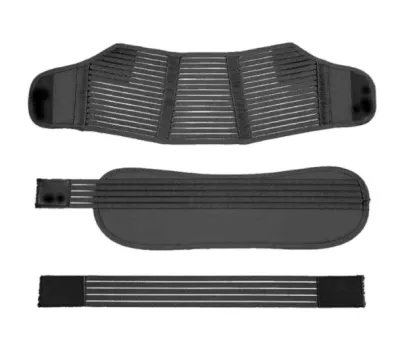
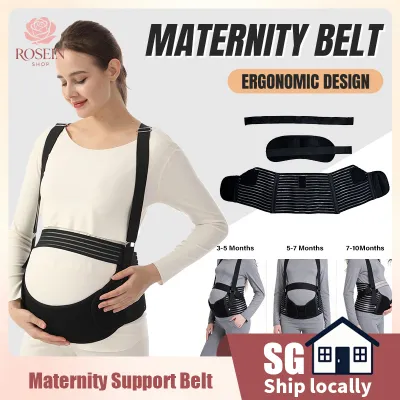
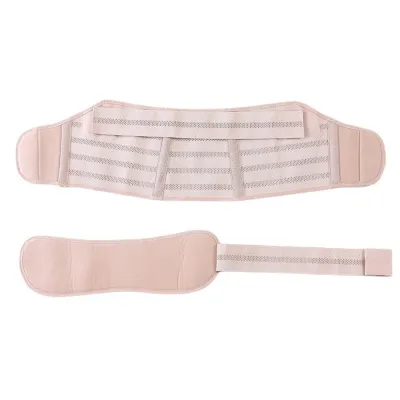
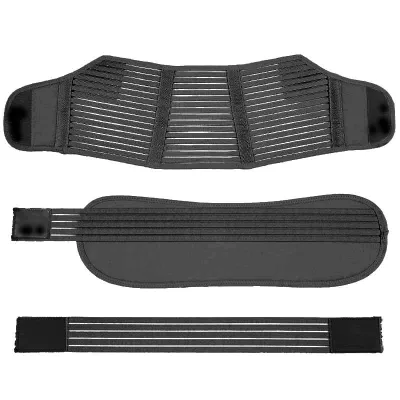
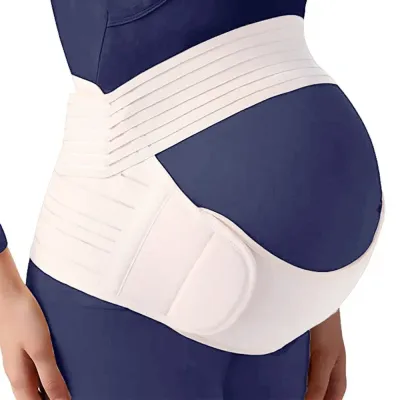
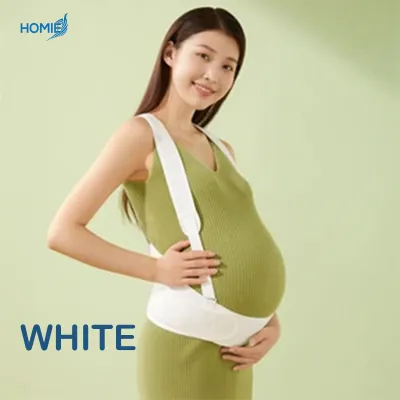
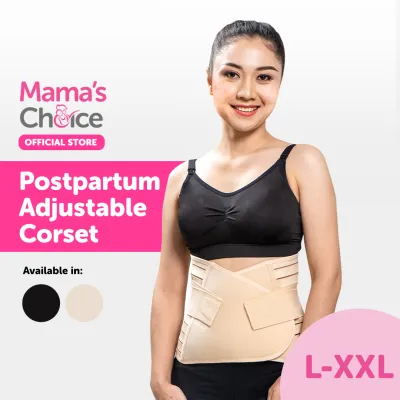
Prices are valid at publication and may change. Please refer to the product page for the latest price.
Essential Features to Look for in a Pregnancy Belly Belt Brand
Support and Adjustability
As your pregnancy progresses, your center of gravity shifts forward, placing increased strain on your lower back, pelvis, and abdominal muscles. A reliable pregnancy belly belt brand must offer robust support that can be precisely calibrated to your changing shape. Look for designs featuring multi-layered tension straps or double-pull elastic bands. These allow you to adjust the level of compression and support throughout the day, accommodating your body whether you are standing, walking, or sitting.

High-quality hook-and-loop fasteners (often referred to generically as Velcro) are critical for maintaining this adjustability. Inferior fasteners can quickly degrade, lose their grip, or scratch your skin. Reputable brands invest in medical-grade, low-profile fasteners that remain secure even under significant tension, ensuring the belt does not slip or loosen as you move. The fastening system should allow for micro-adjustments so you can easily slacken the belt when sitting down and tighten it when standing up for extended periods.
Breathability and Climate Suitability
In Singapore’s year-round hot and humid climate, thermal comfort is a primary consideration. Wearing a thick, non-breathable elastic band around your midsection can trap heat and sweat against your skin. This moisture buildup can quickly lead to painful skin conditions such as heat rash (miliaria), contact dermatitis, or fungal infections.
To prevent these issues, prioritize brands that emphasize advanced fabric technology. Look for materials such as bamboo-derived viscose, perforated neoprene, lightweight mesh panels, or moisture-wicking synthetic blends. These fabrics facilitate continuous airflow, allowing heat to dissipate and sweat to evaporate quickly. Hypoallergenic linings are also highly beneficial, as pregnancy hormones can make your skin significantly more sensitive and prone to irritation.
Ergonomic Design
An effective pregnancy belly belt does not simply compress your abdomen; rather, it lifts and redistributes the weight of your growing bump. The ergonomic goal of a support belt is to mimic the natural support of your abdominal muscles, transferring a portion of the load to your hips, pelvis, and lower back. This redistribution helps stabilize the sacroiliac joints and reduces the downward pressure on your pelvic floor.
Brands that focus on ergonomic design construct their belts with contoured shapes that curve naturally around the lower abdomen and widen at the back. Some structured models include flexible, semi-rigid plastic or steel stays sewn into the rear panel. These stays provide a physical framework that encourages proper spinal alignment and prevents you from arching your lower back excessively, a common postural habit that exacerbates lumbar pain.
Discretion and Fit
For many expectant mothers, a support belt needs to integrate seamlessly into their daily wardrobes, whether they are wearing professional office attire, casual wear, or lightweight summer dresses. A poorly designed belt can be bulky, creating noticeable ridges, lumps, or lines under thin fabrics. This lack of discretion can make you feel self-conscious and discourage regular use.
Evaluate how well a brand’s products lay flat against the body. Look for seamless edges, ultra-thin fastening tabs, and tapered designs that conform closely to your natural curves. The belt should remain securely in place without rolling down from the top or bunching up at the hips when you sit or bend. Brands that successfully address these fit issues allow you to go about your day in Singapore—whether commuting on the MRT or attending business meetings—with complete confidence and comfort.
Understanding the Different Types of Maternity Support Belts
Basic Belly Bands
Basic belly bands are typically seamless, highly elastic tubes of fabric that slip over your abdomen. They are designed primarily for early to mid-pregnancy, offering mild, non-restrictive compression. These bands do not feature heavy-duty straps or structured panels; instead, their primary function is to provide light support and help extend the lifespan of your pre-pregnancy wardrobe.
By covering the unzipped or unbuttoned fly of your favorite pre-pregnancy pants, a basic belly band allows you to wear your regular clothes comfortably during the transitional weeks of your second trimester. They are exceptionally soft, lightweight, and low-profile, making them a comfortable introductory option for daily wear. However, they are generally insufficient for individuals requiring significant structural stabilization or those experiencing moderate to severe back and pelvic pain.
Structured Support Belts
Structured support belts represent the most common category for addressing physical discomfort during the late second and third trimesters. These belts consist of a wide, adjustable band that wraps beneath the belly, paired with secondary tension straps that allow you to customize the level of upward lift. The rear portion of the belt is typically wider and reinforced to provide targeted lumbar support.
These belts are highly effective at stabilizing the pelvis and relieving pressure on the lower back. They are particularly beneficial if your daily routine involves standing for long periods, walking, or performing physical tasks. Because they are highly adjustable, you can easily modify the tension as your belly grows, making them a versatile investment for the most physically demanding stages of your pregnancy.
Full-Coverage Support Garments
Full-coverage support garments offer the highest level of comprehensive postural support. This category includes maternity support briefs, high-waisted leggings with engineered compression panels, and heavy-duty support belts equipped with over-the-shoulder straps. By incorporating shoulder straps or full-torso fabric coverage, these garments distribute the weight of the abdomen across your upper body and shoulders, completely eliminating the risk of the belt slipping or rolling down.
These garments are ideal for active individuals, those carrying multiples, or mothers experiencing severe postural instability. The integrated design provides continuous, uniform support to the entire torso. However, because they cover a larger surface area of the body, it is especially critical to verify that the fabric is highly breathable and moisture-wicking to ensure comfort in Singapore’s humid climate.
Before purchasing any of these options, always check the manufacturer’s product label to verify the intended use, recommended pregnancy stage, and any specific weight or size limits. Selecting a garment designed specifically for your current physical stage ensures both safety and maximum effectiveness.
How to Verify Brand Reliability and Where to Buy in Singapore
Purchasing from Authorized Retailers
To ensure you are buying an authentic, high-quality product, always purchase your pregnancy belly belt from authorized retailers. In Singapore, these include established physical maternity boutiques, recognized department stores with dedicated baby sections, official brand websites, or reputable pharmacy chains.
Buying from authorized sources guarantees that the product has undergone proper quality control and is free from manufacturing defects. It also protects you from purchasing counterfeit goods made with cheap, potentially toxic dyes or low-grade elastics that degrade after a few uses. Furthermore, authorized retailers can provide reliable customer service, product demonstrations, and assistance with warranty claims if a defect arises.
Evaluating Brand Transparency
Reliable brands demonstrate high transparency by providing comprehensive product information. When researching brands, look for those that clearly state the exact material composition of their belts (such as the percentages of nylon, spandex, polyester, or natural fibers). Avoid brands that use vague terms like “synthetic blend” without further elaboration.
Furthermore, trustworthy brands provide highly detailed, measurement-based sizing charts. Because dress sizes vary widely between fashion labels, a reliable brand will instruct you to measure your current hip or lower belly circumference using a measuring tape. They will often provide clear instructions on exactly where to place the tape to ensure an accurate fit. If a brand only offers generic Small, Medium, or Large labels without corresponding physical measurements, it is best to look elsewhere.
Checking Safety and Care Labels
Because a pregnancy belly belt is worn close to your skin—and often directly over your abdomen—verifying the safety of the textiles is highly important. Look for brands that carry recognized textile safety certifications, such as the Oeko-Tex Standard 100. This independent certification verifies that every component of the garment, including threads, buttons, and fasteners, has been tested for harmful substances and is safe for human health.
Additionally, examine the product’s care label. High-quality brands provide explicit, easy-to-follow washing and maintenance instructions. Clear care guidelines are a strong indicator that the manufacturer has thoroughly tested the durability of their materials and is committed to helping you preserve the elastic integrity of the belt over months of regular use.
Navigating Return and Exchange Policies
Your body shape can change rapidly during pregnancy, meaning a belt that fits perfectly during your online research might feel different once you try it on at home. Before finalizing your purchase, carefully review the retailer’s return and exchange policies.
Prioritize retailers that offer flexible, hassle-free exchanges for unworn items in their original packaging. Some physical maternity boutiques in Singapore allow you to try on sample belts in-store under the guidance of trained staff. This hands-on experience is highly valuable, as it allows you to assess the feel, tension, and comfort of different styles before making a financial commitment.
Safe Usage, Maintenance, and When to Stop Wearing
Proper Wearing Guidelines
Using a pregnancy belly belt safely requires moderation and adherence to manufacturer guidelines. A support belt is designed to assist your muscles, not replace them. Wearing a belt continuously for extended periods can lead to muscle deconditioning, where your core and lower back muscles rely entirely on the external support and gradually weaken. This can ultimately worsen your postural instability and pain once the belt is removed.
Most physiotherapists and manufacturers recommend limiting wear to 2 to 4 consecutive hours at a time, specifically during periods of physical activity, standing, or walking. You should always remove the belt when sitting for long periods, lying down, or sleeping, as your muscles do not require external support in these positions, and continuous compression can restrict blood circulation. Always read and follow the specific wearing duration limits provided by the manufacturer.
Correct Positioning
To ensure both safety and comfort, you must position the belly belt correctly on your body. The band should sit low on your hips, running underneath your belly bump. It should act like a supportive hammock, gently cradling the lower abdomen and lifting it upward and backward toward your spine.
Never position the main support strap directly across the middle or upper portion of your pregnant uterus. Applying direct, inward compression to the center of your belly can restrict blood flow to the uterus, cause physical discomfort to your baby, and place unnecessary pressure on your internal organs. The fit should feel firm and supportive, providing a gentle lift rather than a tight, restrictive squeeze.
Cleaning and Care Instructions
To maintain the elasticity, shape, and fastening strength of your belly belt, proper cleaning is essential. Always refer to the care label on your specific product, but as a general rule, hand-washing is the safest method to prolong the life of elastic garments.
Follow these steps to clean and maintain your belt:
- Secure the Fasteners: Before washing, fasten all hook-and-loop tabs securely to prevent them from snagging, tearing, or collecting lint from other fabrics.
- Wash Gently: Wash the belt by hand in cold water using a mild, hypoallergenic laundry detergent. Avoid using fabric softeners, bleach, or harsh chemical stain removers, as these can break down the elastic fibers.
- Machine Wash with Care: If the manufacturer's label permits machine washing, place the fastened belt inside a mesh laundry bag and select a gentle, cold-water cycle.
- Air Dry Only: Never place your pregnancy belly belt in a clothes dryer. The high heat of a dryer will rapidly degrade the elastic spandex and nylon fibers, warping the shape and ruining the tension. Instead, lay the belt flat on a clean towel or hang it up to air-dry in a shaded, well-ventilated area away from direct sunlight and heat sources.
When to Consult a Professional
A maternity support belt should always enhance your comfort and ease of movement. If you experience any of the following warning signs, stop wearing the belt immediately and consult your healthcare provider:
- Numbness, tingling, or a "pins and needles" sensation in your legs, groin, or pelvic region
- Shortness of breath or a feeling of restricted breathing
- Increased acid reflux, heartburn, or sharp digestive discomfort
- An increase in localized pain, or the onset of new pain in your pelvis or lower back
These symptoms are clear indicators that the belt is either positioned incorrectly, fastened too tightly, or is clinically unsuitable for your body’s unique anatomical structure. Your obstetrician or a specialized women’s health physiotherapist can help determine if you require a different style of support or alternative therapeutic exercises.
Frequently Asked Questions (FAQ)
Can I wear a pregnancy belly belt all day?
No, you should not wear a pregnancy belly belt all day. Continuous wear can cause your abdominal and lower back muscles to become underactive, relying entirely on the external support of the band. Over time, this can lead to muscle weakness and dependency, potentially worsening your back pain and joint instability when the belt is removed. Additionally, wearing a belt constantly in Singapore’s humid climate can trap heat and sweat, increasing the risk of skin irritation. Limit your usage to 2 to 4 hours at a time during physical activities, and always remove the belt when resting, sitting for long periods, or sleeping.
Will a belly belt prevent stretch marks?
No, a pregnancy belly belt cannot prevent stretch marks. Stretch marks occur in the middle layer of the skin (the dermis) when the connective tissue is stretched beyond its elastic limits, a process heavily influenced by rapid weight gain, genetics, and hormonal changes that naturally soften skin fibers during pregnancy. While a belly belt provides excellent physical support for your muscles, joints, and ligaments, it does not alter the structural elasticity of your skin. To support your skin’s health, focus on maintaining proper hydration, eating a balanced diet, and keeping your skin moisturized with gentle, pregnancy-safe lotions.
How do I know if my belly belt is too tight?
Your pregnancy belly belt is too tight if you experience physical warning signs such as shortness of breath, a feeling of restricted breathing, increased acid reflux, or digestive discomfort. Other clear indicators of an overly tight fit include deep, red indentations or chafing marks left on your skin after removing the belt, or a tingling, numb sensation in your thighs, hips, or pelvic region. The belt should provide a firm, comforting lift—similar to a supportive hug—rather than a restrictive, squeezing sensation. If you experience any discomfort or physical symptoms, loosen the tension straps or remove the belt immediately.
Community discussion
Share your experience or ask a question. Comments are reviewed before publication.