
When searching for the most reliable maternity abdomen braces in Singapore, expectant mothers often face an overwhelming array of choices. From simple fabric wraps to complex multi-strap support systems, finding the right fit requires balancing physical comfort, ergonomic relief, and suitability for Singapore’s tropical climate. While several international and regional brands are frequently discussed in local parenting circles, selecting the right support is a deeply personal decision based on your body’s changing needs.
An effective belly support band should alleviate the physical strain of pregnancy without restricting your natural movement or causing skin irritation. To help you navigate the options available in Singapore, this guide breaks down the science behind abdominal support, the essential features of high-quality brands, and how to safely integrate these supportive garments into your daily routine. By understanding what to look for, you can make an informed choice that supports your body comfortably through every trimester.
Why Expectant Mothers Use Maternity Abdomen Braces
Pregnancy brings rapid physiological changes that alter your body’s mechanics and posture. As your baby grows, your center of gravity shifts forward, pulling your lower spine out of its natural alignment. To compensate for this forward pull, many expectant mothers lean backward, placing excessive strain on the lower back muscles, facet joints, and supporting ligaments.
Products mentioned in this guide
![[SG Stock] Maternity Supporting Belt Pregnancy Support Band Back Waist Belly Brace 3-in-1 Adjustable](https://img.lazcdn.com/g/p/1a835aab74c711786988fdef9c93dedb.jpg_400x400q80.jpg_.webp)
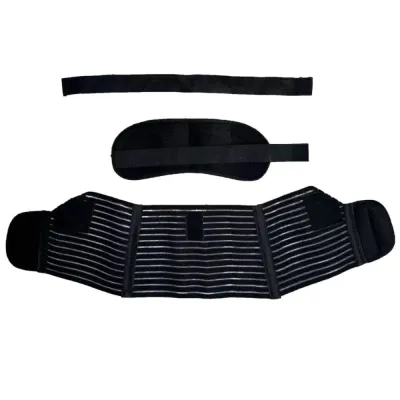
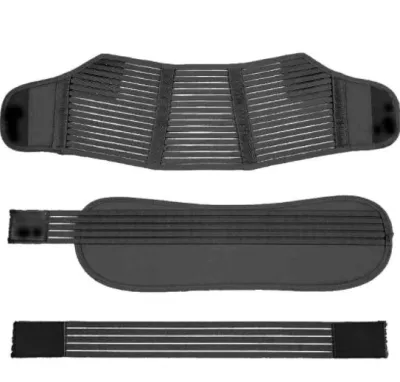
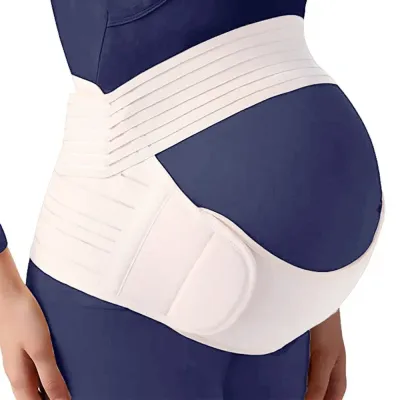
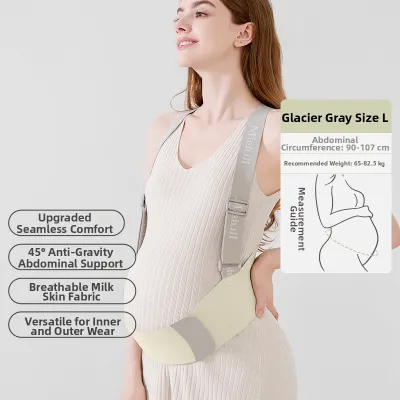
Prices are valid at publication and may change. Please refer to the product page for the latest price.
Simultaneously, your body releases a hormone called relaxin, which softens the ligaments in your pelvis to prepare your body for childbirth. While this hormonal shift is essential for delivery, it can temporarily reduce joint stability. This instability often manifests as pelvic girdle pain (PGP) or symphysis pubis dysfunction (SPD), making everyday activities like walking, climbing stairs, or rolling over in bed highly uncomfortable.
Maternity abdomen braces are engineered to address these structural challenges by providing targeted, external compression and upward lift. By gently cradling the lower abdomen and distributing the weight of the baby bump more evenly across your hips and lower back, these braces help stabilize the pelvic ring. This support can significantly reduce the load on your lower back muscles, allowing you to maintain a more upright, ergonomically sound posture.
It is crucial to recognize that abdomen braces are designed as supportive aids rather than standalone medical cures. They work best when integrated into a holistic prenatal care plan that includes targeted pelvic floor and core strengthening exercises, regular rest, and guidance from healthcare professionals. While a high-quality brace can provide immediate temporary relief during physical activity, it should complement, not replace, active physical conditioning.
Key Features That Define a Trusted Support Brand
When evaluating different maternity support brands in Singapore, focusing on material science and structural design is far more reliable than relying on brand name alone. The local market features a variety of imported and regional brands, but the most trusted options consistently excel in several critical areas.

Breathability and Moisture Management Singapore’s year-round hot and humid climate makes thermal comfort a primary consideration for any wearable maternity accessory. Non-breathable synthetic fabrics trap body heat and sweat against the skin, which can quickly lead to heat rash (miliaria), contact dermatitis, or painful chafing. Trusted brands prioritize lightweight, moisture-wicking materials such as bamboo-derived viscose, organic cotton blends, or high-tech perforated mesh panels. These fabrics allow continuous airflow, keeping your skin cool and dry even during outdoor walks or daily commutes on public transit.
Adjustability and Growth Accommodation Your body shape changes continuously throughout pregnancy, meaning a fixed-size garment will quickly become obsolete or uncomfortable. Premium brands design their braces with highly adjustable, multi-point fastening systems—typically using medical-grade, non-scratch hook-and-loop fasteners. These systems allow you to micro-adjust the tension as your abdomen expands from the second trimester to your full term. High-quality elastic components must possess excellent recovery properties, meaning they stretch to accommodate growth but do not permanently stretch out of shape or lose their supportive tension after repeated wear.
Ergonomic Lift vs. Restrictive Squeeze A common flaw in poorly engineered support bands is that they apply uniform, circumferential compression, essentially squeezing the abdomen inward. Trusted brands design their braces with an anatomical curve that mimics the natural shape of a pregnant belly. The primary support panel is engineered to sit low on the pelvis, cradling the bump from underneath and lifting it upward. This upward lift mimics the natural support of your abdominal muscles, reducing downward pressure on your bladder and pelvic floor without compressing your internal organs or restricting blood circulation.
Seamless and Discreet Wear For working professionals and active mothers in Singapore, a support brace must integrate seamlessly under everyday clothing. Bulky seams, thick fasteners, and stiff fabrics can create unsightly lines under thin maternity dresses or office wear. Reputable brands focus on low-profile designs, utilizing flat-locked seams and ultra-thin, high-density materials that provide maximum support with minimal bulk. This allows you to wear the brace discreetly under your clothes, maintaining your personal style while receiving continuous physical support.
Matching Support Band Designs to Your Pregnancy Stage
Maternity support wear is not a one-size-fits-all solution; different designs serve distinct purposes depending on your physical symptoms, activity levels, and trimester. Understanding these categories allows you to select the right tool for your specific stage of pregnancy.
Basic Belly Bands (Tubes) These are simple, seamless fabric sleeves that slip over your abdomen. Typically made from highly elastic nylon-spandex blends, they offer very mild, generalized compression. Basic belly bands are ideal for the first and early second trimesters when your bump is just starting to show. Their primary function is wardrobe extension—they slide over unbuttoned pre-pregnancy pants to hold them securely in place while covering the exposed zipper area. They also provide a smooth silhouette under clothing and offer light, comforting warmth without heavy structural support.
Adjustable Support Belts with Straps This category represents the classic maternity support belt, featuring a wide, structured band that fastens under the belly, combined with secondary tension straps that pull from the back to adjust the level of lift. Some advanced models also include an upper strap that runs over the top of the bump to keep the belt securely in place. These belts are highly recommended for the late second and third trimesters, or for mothers carrying multiples. They provide robust, targeted support to the lower back and pelvic joints, making them excellent for walking, shopping, or standing for extended periods.
Full-Coverage Support Garments These are integrated maternity briefs, shorts, or leggings that feature woven-in support bands directly under the belly and around the lower back. By combining the support of a belt with the coverage of standard undergarments, they distribute pressure evenly across the lower body. Full-coverage garments are highly suitable for women who experience generalized pelvic floor pressure or those who prefer a smooth, single-piece solution that will not shift or ride up during movement. They are particularly popular for active wear or long days at the office.
To help you compare these options, the table below outlines the primary use cases, support levels, and recommended trimesters for each design:
| Design Category | Primary Use Case | Support Level | Recommended Trimester |
|---|---|---|---|
| Basic Belly Bands (Tubes) | Wardrobe extension, smooth silhouette, and light coverage | Light / Gentle | First to early second trimester |
| Adjustable Support Belts | Targeted lower back and pelvic girdle pain relief | Moderate to High | Late second to third trimester |
| Full-Coverage Garments | All-day active wear, pelvic floor support, and uniform pressure | Moderate | Second to third trimester |
How to Source and Verify Reliable Brands in Singapore
Navigating the retail landscape in Singapore to find authentic, high-quality abdomen braces requires a cautious and systematic approach. With numerous online and offline options available, verifying the quality of a brand before purchasing is essential for your comfort and safety.
Specialized Maternity Retailers One of the most effective ways to evaluate a support brand is to visit physical maternity and baby specialty stores located in Singapore’s major shopping districts. Physical shopping allows you to touch the fabrics, test the elasticity of the bands, and evaluate the strength and noise level of the fasteners. Many specialized boutiques have trained staff who can assist you with sizing and demonstrate how to position the brace correctly. Trying on different styles over your clothing helps you assess how the material feels against your body and whether it restricts your movement.
Pharmacy and Healthcare Channels For mothers seeking medical-grade support, sourcing braces through established physical pharmacy chains or dedicated women’s health physiotherapy clinics is highly recommended. Pharmacies in Singapore often stock brands that have undergone rigorous quality control and meet basic ergonomic standards. If you are experiencing significant pelvic girdle pain, consulting a women’s health physiotherapist is highly beneficial; they can recommend specific clinical-grade brands and custom-fit the brace to match your anatomical alignment.
Online Verification If you prefer the convenience of online shopping, it is crucial to purchase directly from official brand flagship stores on major e-commerce platforms or verified local distributor websites. This protects you from purchasing counterfeit goods that may look identical but use inferior, non-breathable materials or weak elastics. When browsing online, carefully read reviews from local buyers in Singapore. Look for specific feedback regarding how the material performs in the local humidity, whether the sizing runs small or large, and how well the elastic retains its shape after multiple wash cycles.
Red Flags to Avoid Be highly skeptical of unbranded, exceptionally cheap support bands sold on online marketplaces, often priced under S$15. These budget alternatives frequently use low-grade synthetic fabrics that trap heat and cause skin irritation. They often lack detailed, anatomical sizing charts, relying instead on “one-size-fits-all” designs that rarely provide adequate support. Furthermore, avoid brands that make exaggerated medical claims, such as promising to completely cure chronic spinal issues or guarantee a pain-free delivery, as these claims are unverified and misleading.
Safe Usage Practices and When to Consult a Professional
While maternity abdomen braces are highly beneficial, they must be used correctly to prevent adverse effects. Misuse of support garments can lead to muscle weakness, skin issues, or restricted blood circulation.
Proper Fitting Techniques To get the most benefit from your support band, it must be positioned correctly. The main band should sit low on your hips, resting across your pelvic bone and cradling the very bottom of your baby bump. It should never be wrapped tightly around the middle of your stomach or high up on your waist, as this can apply downward pressure on your uterus and bladder. When fastening the band, ensure it is snug but not constrictive. A good rule of thumb is that you should be able to slide two fingers comfortably between the band and your skin. The brace should support your belly while allowing you to breathe deeply, digest food comfortably, and move naturally.
Wear Time Limits Abdomen braces are designed to assist your muscles, not replace them. Wearing a support band continuously for long periods can lead to muscle dependency, where your core and lower back muscles rely on the external support and begin to weaken. To prevent this, limit your wear time to 2 to 4 hours at a time, using the brace primarily during periods of physical activity, such as walking, standing, or doing household chores. Take regular breaks throughout the day to allow your muscles to engage naturally. Never wear a support band while sleeping, as your body needs to rest, circulate blood freely, and let your skin breathe without any external compression.
Warning Signs to Stop Use You should listen closely to your body and remove the support band immediately if you experience any of the following warning signs:
- An increase in lower back, pelvic, or abdominal pain
- Numbness, tingling, or a "pins and needles" sensation in your legs, hips, or pelvic area
- Shortness of breath or difficulty breathing deeply
- Skin irritation, persistent redness, itching, or heat rashes under the band
- Any noticeable reduction in your baby's movements
Professional Consultation Before purchasing or using a maternity support band, it is highly recommended to consult your obstetrician, gynecologist, midwife, or a specialized women’s health physiotherapist. This is particularly crucial if you have a high-risk pregnancy, are expecting twins or triplets, have pre-existing spinal or pelvic conditions, or are experiencing severe, debilitating pelvic pain. A healthcare professional can verify whether a support band is safe for your specific condition and guide you on the most appropriate design and usage schedule.
Frequently Asked Questions (FAQ)
Can I wear a maternity abdomen brace while sleeping?
It is generally advised against wearing any form of maternity support band or abdomen brace while sleeping. When you lie down, the gravitational pull on your abdomen changes, reducing the need for upward lift. Wearing a compressive band while sleeping can restrict your blood circulation, cause physical discomfort, and trap heat against your skin, leading to irritation. If you require physical support to sleep comfortably, consider using a specialized pregnancy pillow. These pillows are designed to support your bump, align your hips, and relieve pressure on your lower back in a side-sleeping position without applying circumferential compression.
Will wearing a support band weaken my core muscles?
Wearing a support band will not weaken your core muscles if it is used correctly as a temporary, supplementary aid. Muscle weakness, or dependency, typically occurs only if the brace is worn continuously all day long for consecutive weeks, preventing your muscles from doing any work. By limiting your wear time to 2 to 4 hours daily during active tasks, your core muscles continue to engage and support your body. To maintain and improve your core strength, combine the use of a support band with safe, doctor-approved prenatal exercises, such as pelvic floor contractions (Kegels) and gentle pelvic tilts, which help build long-term stability.
How do I wash and maintain my belly support band?
To preserve the elasticity and structural integrity of your support band, proper maintenance is essential. Always check the manufacturer’s care label first. Generally, it is best to hand-wash the band in cool water using a mild, hypoallergenic, baby-safe detergent to protect your skin from residual chemical irritants. If you prefer to use a washing machine, place the band inside a delicate mesh laundry bag and select a gentle cycle with cool water. Crucially, make sure to fasten all hook-and-loop (velcro) straps securely before washing to prevent them from snagging the fabric or damaging other garments. Always air-dry the band flat in a shaded area away from direct sunlight; never place it in a clothes dryer, as high heat quickly degrades elastic fibers and warps plastic or metal support stays.
Community discussion
Share your experience or ask a question. Comments are reviewed before publication.