
Parents in Singapore looking for trusted knee guards for their children should focus on brands that prioritize high-quality, breathable materials, certified non-toxic components, and ergonomic designs tailored to specific developmental stages. Because Singapore’s tropical climate is highly humid, and local homes often feature hard flooring like ceramic tiles, marble, or vinyl, the right knee guard must balance robust impact protection with excellent ventilation to prevent skin irritation. Evaluating a brand requires looking beyond marketing claims and focusing on structural integrity, material safety, and proper fit.
By understanding what makes a knee guard reliable, you can confidently navigate the market to find products that keep your child safe during indoor crawling or outdoor play. This guide outlines the essential criteria for evaluating knee guard quality, verifying safety certifications, matching designs to your child’s age, and avoiding counterfeit products in Singapore.
How to Evaluate the Quality and Reliability of Knee Guard Brands
When assessing the reliability of a knee guard brand, the material composition is the first line of defense. In Singapore’s warm and humid weather, children sweat easily, making breathability a primary concern. Trusted brands utilize high-grade cotton blends or advanced moisture-wicking synthetic fabrics that allow air to circulate freely. These materials help draw sweat away from the skin, significantly reducing the risk of heat rash, friction burns, or eczema flare-ups during active play.
Products mentioned in this guide
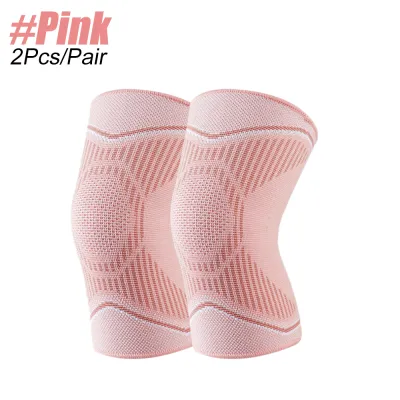
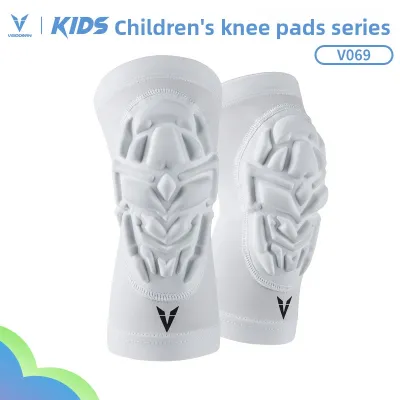
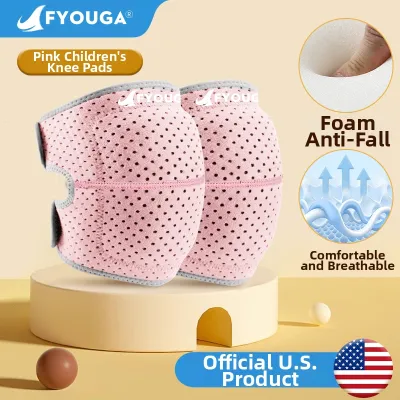
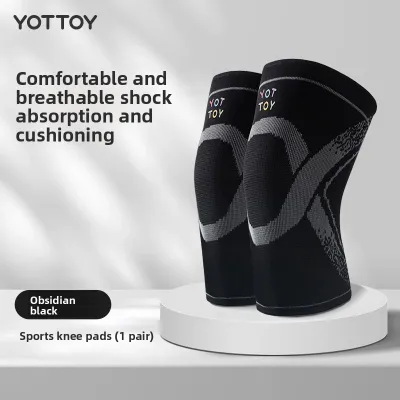
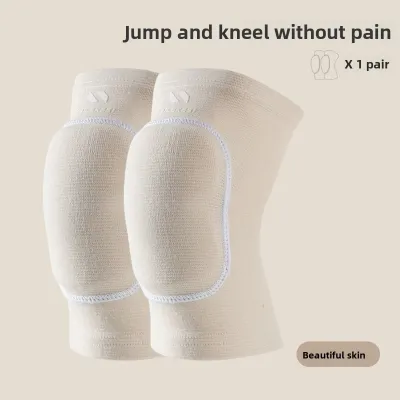
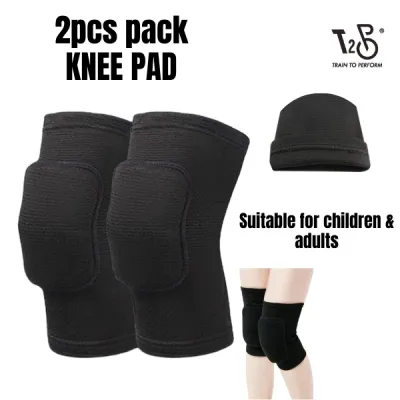
Prices are valid at publication and may change. Please refer to the product page for the latest price.
The protective padding is another critical component to evaluate. High-quality knee guards typically feature specialized foam padding, such as ethylene-vinyl acetate (EVA) or high-density sponge, which offers superior shock absorption. For indoor environments with hard tiled or parquet floors, the padding should be thick enough to cushion falls without being so bulky that it impedes natural movement. For outdoor activities on concrete or playground rubber mats, look for brands that offer reinforced, impact-resistant padding to prevent scrapes and bruises.
Elasticity and strap design determine how well the knee guard stays in place. A reliable brand designs its products with wide, flexible bands or adjustable hook-and-loop straps that distribute pressure evenly. Narrow or poorly constructed elastic bands can constrict blood circulation, slip down constantly, or leave deep, painful red marks on your child’s legs. The elastic should stretch easily to accommodate movement while retaining its original shape after multiple uses.
Durability and construction details are clear indicators of a brand’s manufacturing standards. Examine the stitching along the edges and around the padded zones; double-stitched seams are much less likely to unravel under the stress of constant crawling or running. Additionally, look for anti-slip features, such as small, strategically placed silicone grips on the inner lining or outer surface. These grips prevent the guards from sliding out of position when your child transitions between different physical activities.
Safety Certifications and Material Labels to Verify Before Buying
Because knee guards come into direct contact with your child’s sensitive skin, verifying safety certifications is a crucial step in the purchasing process. Reputable brands voluntarily submit their products to independent testing organizations to ensure they are free from harmful chemicals. Look for recognized textile standards such as the OEKO-TEX Standard 100 label on the packaging, which certifies that every component of the product, from the fabric to the thread, has been tested for toxic substances.

For products sold internationally, compliance with the Consumer Product Safety Improvement Act (CPSIA) is another strong indicator of safety. This standard ensures that children’s products do not contain dangerous levels of lead, phthalates, or other hazardous materials. In Singapore, while local safety marks may apply to specific categories of children’s goods, checking for these established international certifications provides peace of mind regarding material safety.
It is essential to distinguish between genuine certification logos and unverified marketing buzzwords. Claims like “100% organic,” “hypoallergenic,” or “completely safe” carry little weight unless they are backed by a specific certification number or testing body. Genuine brands will display their certification license numbers clearly on their packaging or official websites, allowing parents to verify the status of the certificate through the issuing organization’s online database.
Additionally, check the material list for potential allergens. If your child has sensitive skin or a known allergy, prioritize brands that explicitly declare their products to be latex-free and BPA-free. Avoid products that emit a strong, chemical odor upon opening, as this can indicate the presence of volatile organic compounds (VOCs) or cheap dyes that may cause contact dermatitis or respiratory irritation.
Matching Knee Guard Designs to Your Child's Developmental Stage
Children’s physical needs change rapidly as they grow, meaning a knee guard that works well for a crawling baby is rarely suitable for an active preschooler. For babies in the crawling and early walking stages (typically 6 to 12 months), the primary goal is to protect against minor bumps and friction burns on rugs, play mats, or smooth indoor tiles. For this stage, lightweight, soft-padded pull-on sleeves are ideal. These sleeves should offer maximum flexibility, allowing the baby to bend their knees naturally without feeling restricted.
As children transition into active toddlers and preschoolers (ages 1 to 4 years), their play environments expand to include outdoor playgrounds, concrete pavements, and activities like riding balance bikes or scooters. At this stage, knee guards require reinforced padding, durable outer shells, and secure, adjustable straps. These designs provide robust protection against high-impact falls on hard surfaces while ensuring the guards do not shift during vigorous running or jumping.
For children with specific joint sensitivities, developmental delays, or unique physical needs, off-the-shelf knee guards may not provide the correct support. In such cases, it is highly recommended to seek professional advice from a pediatrician or a pediatric physiotherapist. A qualified professional can recommend specialized orthopedic supports or advise on whether knee guards are appropriate for your child’s specific motor development path.
To ensure maximum safety and comfort, accurate sizing is essential. Never rely solely on age recommendations, as children’s leg sizes vary widely. Use a flexible measuring tape to measure the circumference of your child’s leg approximately 5 centimeters above the center of the kneecap (the thigh) and 5 centimeters below (the calf). Compare these measurements against the brand’s official sizing chart, opting for a larger size if your child’s measurements fall between two sizes to prevent constriction.
Finding Authentic Products and Avoiding Counterfeits in Singapore
To ensure you are purchasing genuine, high-quality knee guards that meet safety standards, it is best to buy from authorized sources. In Singapore, prioritizing official brand flagship stores, reputable department stores, and established physical baby boutiques is the safest approach. Purchasing from physical stores allows you to feel the fabric, test the elasticity, and inspect the stitching quality firsthand before making a decision.
When shopping on e-commerce platforms or online marketplaces, extra caution is required to avoid counterfeit or substandard products. Look for sellers with official mall tags or verified distributor badges, which indicate a direct relationship with the manufacturer. Check the seller’s overall rating, aiming for those with high scores and a substantial history of successful transactions. Be wary of listings that use stock photos exclusively without showing real-life product images.
Several red flags can help you identify potential counterfeit products. An unusually low price—such as a product listed at a fraction of the brand’s standard retail price—is a strong indicator of a counterfeit or a low-quality imitation. Other warning signs include poor packaging quality, spelling errors on the labels, missing safety certification logos, or a lack of clear manufacturer contact information. Genuine brands invest in professional packaging and clear, accurate product documentation.
Reading verified buyer reviews is an invaluable tool for assessing authenticity and real-world performance. Focus on reviews that provide detailed feedback on long-term durability, how the product holds up after multiple washes, and whether the sizing matches the manufacturer’s guide. Look for reviews with photos or videos uploaded by local parents, as these offer a realistic view of the product’s appearance and fit on a child.
Ensuring Proper Fit, Daily Maintenance, and Knowing When to Replace
Once you have purchased a quality pair of knee guards, ensuring a proper fit during daily use is vital for both safety and comfort. When you put the guards on your child, perform a quick fit check. You should be able to slide two fingers comfortably under the elastic bands or straps. Watch your child move; the guards should remain securely over the kneecaps without sliding down, and there should be no visible bunching of fabric behind the knees, which can cause painful chafing.
Proper maintenance is essential to preserve the elasticity and protective qualities of the knee guards. Always refer to the manufacturer’s care label for specific instructions. Generally, it is best to hand wash knee guards in cool water using a mild, baby-safe detergent to prevent chemical residues from irritating your child’s skin. If you prefer to use a washing machine, place the guards inside a mesh laundry bag and select a gentle, delicate cycle.
Air-drying is the safest method for preserving the structural integrity of the materials. Avoid using a clothes dryer, as high heat can warp foam padding, degrade elastic fibers, and melt silicone anti-slip grips. Hang the guards to dry in a well-ventilated indoor area or in partial shade, keeping them away from direct, intense sunlight which can cause the fabrics to become brittle over time.
Regularly inspect the knee guards for signs of wear and tear that could compromise their protective function. Look for thinning or shifting foam padding, stretched-out elastic bands that no longer hold their shape, frayed seams, or peeling anti-slip grips. If the guards are damaged, discard them immediately and replace them with a new pair. Attempting temporary DIY repairs can alter the fit, create uncomfortable pressure points, or fail to provide adequate protection during a fall.
Frequently Asked Questions (FAQ)
Do toddlers really need knee guards when learning to walk?
While knee guards can protect against minor bumps on hard floors, they are generally not necessary for indoor walking practice. Natural, barefoot exploration on safe, clean surfaces is crucial for a toddler’s motor development, as it allows them to receive sensory feedback from their feet and joints. Knee guards are most beneficial when toddlers transition to outdoor environments with rougher surfaces, or if they are particularly prone to frequent, heavy falls on hard tiled floors.
Can my child wear knee guards all day?
No, children should not wear knee guards continuously throughout the day. Prolonged wear can restrict blood circulation, cause skin irritation from trapped sweat, and limit natural joint mobility. It is best to use knee guards only during active play sessions, outdoor activities, or crawling periods on rough surfaces. Remove the guards during rest times, naps, and quiet indoor play to allow your child’s skin to breathe and recover.
How do I wash knee guards without ruining the elastic?
To protect the elastic fibers, hand washing in cool water with a mild detergent is highly recommended. Avoid using fabric softeners, bleach, or harsh chemical stain removers, as these can break down the elastic and damage the foam padding. Never wring or twist the guards tightly to remove excess water; instead, gently press them between a clean towel to absorb moisture, then lay them flat to air-dry away from direct heat sources.
Community discussion
Share your experience or ask a question. Comments are reviewed before publication.