
When toddlers transition from crawling to pulling themselves up, the sharp corners of coffee tables, TV consoles, and low shelving units suddenly turn into significant safety hazards. In Singapore, where space-efficient layouts often feature custom built-in carpentry with crisp, modern lines, finding the right foam protector is a top priority for baby-proofing. However, selecting a brand is rarely a one-size-fits-all decision, as parents must balance immediate safety needs with furniture protection, aesthetic preferences, and budget constraints.
Trust among Singapore parents is generally divided between premium, high-density brands designed for critical, high-impact zones and budget-friendly multipack brands suited for broad, whole-home coverage. While brand names provide some reassurance, true reliability depends on physical properties: verified non-toxic materials, appropriate foam density that does not bottom out under pressure, and humidity-resistant adhesives. Ultimately, the most suitable choice depends on the specific furniture material, the child’s developmental stage, and how long the protection needs to remain in place.
Active caregiver supervision remains the primary line of defense for child safety. Foam edge guards are designed to mitigate the severity of accidental bumps, but they do not replace the need for watchful eyes. When purchasing any safety accessory, parents should carefully review the manufacturer’s age recommendations, installation warnings, and material safety data sheets to ensure the product matches their specific household setup.
Products mentioned in this guide
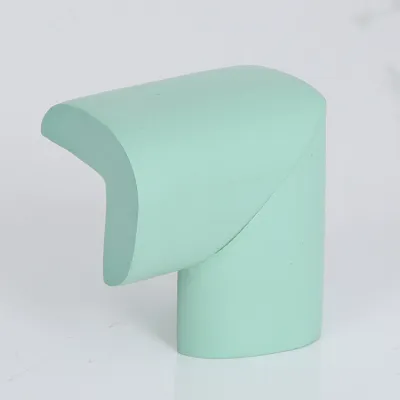
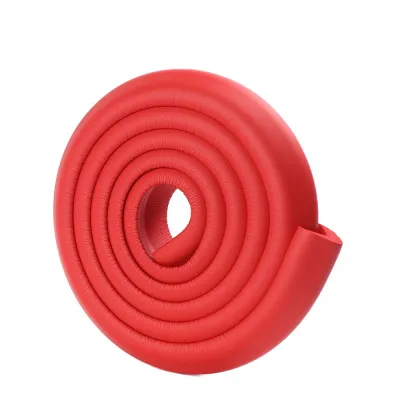
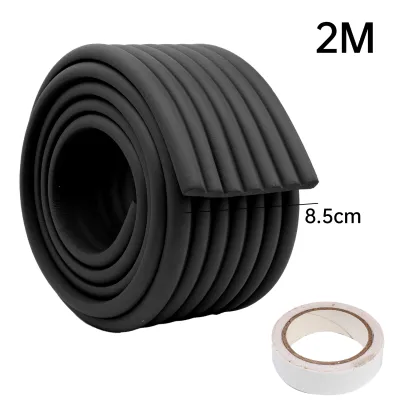
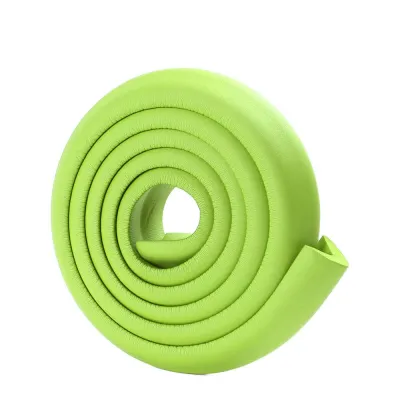
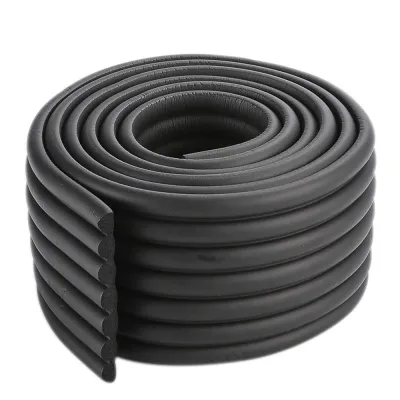
![Edge Protector 3M Tape [ U L M High Density Foam Corner 2m 4m Toddler Baby Safety Guards Collision ]](https://img.lazcdn.com/g/p/37567a9b000c3e30490abb78b538ddf4.jpg_400x400q80.jpg_.webp)
Prices are valid at publication and may change. Please refer to the product page for the latest price.
Key Criteria for Evaluating Foam Edge Guard Safety and Durability
Evaluating a foam protector requires looking beyond appealing packaging to understand the physical and chemical properties that determine how well a guard performs during an impact. Understanding these criteria helps parents make informed decisions rather than relying solely on generic marketing claims.
Material Density and Shock Absorption
The primary job of a foam protector is to absorb and disperse kinetic energy when a child bumps into a sharp edge. Most foam guards are made from Nitrile Butadiene Rubber (NBR) or Polyvinyl Chloride (PVC) foam. High-density NBR is characterized by a dense, closed-cell structure that resists compression. When a toddler impacts high-density foam, the air pockets within the material compress gradually, cushioning the blow and preventing the child’s head from making contact with the hard furniture edge underneath.
In contrast, low-density foam compresses too easily under minimal force. If a foam guard bottoms out completely during a fall, the child still experiences the full impact of the sharp corner. Parents can test density by pinching the foam firmly between their thumb and forefinger; if the fingers easily meet with little resistance, the foam is likely too soft to provide adequate protection for active, heavier toddlers.
Adhesive Quality and Climate Resilience
An edge guard is only as reliable as the adhesive holding it in place. In Singapore’s hot and highly humid climate, standard adhesives can degrade rapidly, causing the foam to peel, slide, or detach entirely. This peeling not only compromises safety but also creates an enticing strip for curious toddlers to pull on.
Trusted brands typically partner with established adhesive manufacturers, using double-sided acrylic or tissue tapes engineered to withstand ambient moisture. The ideal adhesive must strike a delicate balance: it must grip the furniture surface firmly enough to resist a child’s pulling force, yet release cleanly when it is time for removal. This balance is particularly critical for families living in leased properties or those with high-value solid wood, veneer, or lacquered furniture, where aggressive industrial glues can strip away finishes.
Toxicity and Choking Hazards
Because teething infants and toddlers frequently explore their environment with their mouths, the chemical composition of edge guards is a major safety consideration. Parents should look for products that explicitly state they are free from Bisphenol A (BPA), phthalates, heavy metals, and flame retardants. These safety claims should ideally be backed by independent laboratory testing, which parents can verify by checking the manufacturer’s official documentation or product packaging.
Physical durability also directly impacts chemical safety. If a child manages to bite or tear off a piece of degraded, low-density foam, that piece becomes an immediate choking hazard. No foam material is entirely chew-proof. If a child shows a strong tendency to bite or chew on household surfaces, foam protectors may not be suitable, and parents should consider firmer, non-toxic alternative materials.
Comparing Popular Foam Protector Brand Categories in Singapore
Singapore’s retail landscape offers a wide variety of edge protection products, ranging from premium specialty safety brands found in boutique baby stores to unbranded bulk options available on local online marketplaces. Understanding how these broad categories compare helps narrow down the choices.

Premium High-Density Brands for Maximum Impact Protection
Premium safety brands focus heavily on material engineering and rigorous quality control. These products are typically made from medical-grade or extra-thick NBR foam, designed to withstand heavy impacts without losing their shape or cushioning ability over time.
- Advantages: These brands offer superior shock absorption and use high-quality, branded double-sided adhesives that hold up well against both humid air and curious hands. They frequently provide clear, verifiable safety certifications regarding chemical non-toxicity on their packaging.
- Limitations: Premium brands carry a higher price tag, often ranging from S$15 to S$35 per roll or set. The foam profiles are also significantly thicker, which can look bulky and alter the appearance of sleek furniture. Color selections may be limited to basic neutral tones.
- Best Use Cases: These guards are ideal for high-risk areas, such as sharp glass coffee tables, low-lying metal frames, stone countertops, and high-traffic play zones where active toddlers are prone to running and falling.
Budget-Friendly Multipack Brands for Whole-Home Coverage
For parents who need to secure an entire apartment, budget-friendly multipacks sold in long rolls or multi-piece sets offer a highly economical alternative. These are widely available on e-commerce platforms and in local department stores.
- Advantages: Highly affordable, often costing between S$2 and S$8 for a substantial length of foam, these products allow parents to cover extensive areas without a major financial investment. The foam is typically soft, flexible, and easy to cut to custom lengths with standard household scissors.
- Limitations: These budget options generally feature lower-density foam that compresses easily and degrades faster under daily wear. The included double-sided tape is often generic, prone to peeling in humid conditions, and may leave a stubborn, sticky residue or damage delicate furniture finishes upon removal.
- Best Use Cases: Budget rolls are best suited for relatively blunt wooden edges, low-risk zones like high shelving units or the back edges of desks, and temporary baby-proofing setups in short-term rentals or grandparents' homes.
Specialty and Non-Foam Alternatives for Aesthetics and Chewers
As baby-proofing designs evolve, many parents seek alternatives to traditional foam that blend more seamlessly into modern home interiors or address the risks associated with teething children.
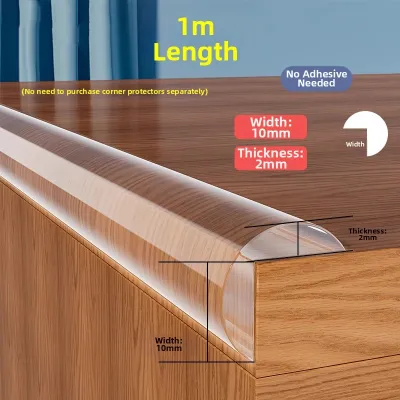
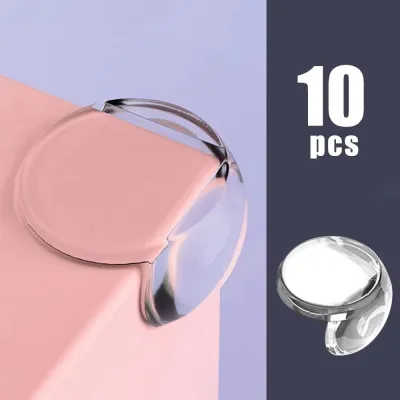
- Advantages: Clear silicone or PVC guards offer excellent visual discretion, preserving the natural look of wood, marble, or glass furniture. Because food-grade silicone is tough and highly resilient, it completely eliminates the risk of a child biting off and swallowing soft foam pieces.
- Limitations: Silicone and solid plastics do not compress the way foam does; instead, they disperse the force of an impact across a wider surface area. This means the contact still feels relatively firm. Additionally, these specialty guards carry premium pricing and require specialized, strong adhesives that can be difficult to remove without proper techniques.
- Best Use Cases: These are highly recommended for aesthetic-focused living spaces, glass dining tables where transparency is desired, and households with infants who are actively teething and prone to chewing on furniture.
Quick Comparison: Features to Verify Before Buying
To help evaluate options on the shelf or online, the table below outlines the key differences across the primary product categories available in Singapore.
Disclaimer: Product specifications, adhesive performance, and material certifications can vary widely within each category. Always verify the specific product labels, manufacturer instructions, and safety warnings before purchasing or installing.
| Feature | Premium High-Density Brands | Budget Multipack Brands | Specialty/Silicone Alternatives |
|---|---|---|---|
| Material Density | High to Extra-High (excellent shock absorption) | Low to Medium (moderate shock absorption) | Solid/Firm (impact dispersion rather than compression) |
| Adhesive Type | Branded, humidity-resistant tape (e.g., 3M) | Generic double-sided acrylic or tissue tape | Heavy-duty clear acrylic adhesive |
| Choking Hazard Risk | Low (highly tear-resistant, but requires regular monitoring) | Moderate to High (easier to tear or bite apart) | Very Low (extremely durable and bite-resistant) |
| Aesthetic Profile | Bulky, opaque profiles in limited neutral colors | Standard opaque foam, widely available in various colors | Slim, transparent, and highly discrete |
| Best Use Case | Sharp glass, metal, stone, and high-risk impact zones | Broad coverage of blunt wooden edges and temporary setups | Modern living rooms, glass tables, and teething children |
Safe Installation, Maintenance, and When to Replace
Even the highest-quality foam protector will fail to protect a child if it is installed incorrectly or allowed to degrade. Proper application and regular maintenance are essential to ensure these safety tools perform as intended.
Surface Preparation and Application
Before applying any adhesive, it is crucial to prepare the furniture surface properly. Dust, skin oils, and household polish residues will prevent the adhesive from forming a strong bond, especially in Singapore’s humid climate.
- First, consult the furniture manufacturer's care instructions to confirm which cleaning agents are safe for the finish. If compatible, wipe the edge thoroughly with a mild soapy water solution or a diluted isopropyl alcohol solution to remove grease and dirt.
- Allow the surface to dry completely. Any residual moisture trapped beneath the adhesive tape will weaken the bond and can cause wood finishes to warp or mildew.
- Measure and cut the foam protector to the required length. Apply the adhesive tape to the inside of the guard first, pressing down firmly along the entire length.
- Align the guard with the furniture edge, peel away the tape backing, and press the guard firmly onto the furniture. Apply steady, even pressure along the protector for at least 30 seconds to activate the pressure-sensitive adhesive.
- For the best results, allow the adhesive to cure undisturbed for 24 hours before allowing children near the area.
Monitoring for Wear and Tear
Parents should inspect all installed edge guards at least once a week. Look closely for signs of peeling corners, shifting foam, or bite marks. If a foam protector becomes loose, it must be re-secured immediately using fresh, high-quality double-sided tape.
If the foam itself shows signs of tearing, crumbling, or permanent compression from past impacts, it has lost its protective capacity. Damaged foam should be removed and replaced right away to prevent it from becoming a choking hazard.
Safe Removal Techniques
Removing adhesive guards without damaging furniture finishes requires patience and the right approach.
- Check both the adhesive product label and the furniture manufacturer's care guidelines for recommended removal methods.
- To soften the adhesive bond, use a hair dryer set to low or medium heat, directing the warm air along the edge of the guard for a few minutes. Avoid using high heat, which can warp wood veneers, melt plastics, or damage delicate lacquers.
- Gently peel the foam guard away from one end, pulling slowly at a shallow angle rather than ripping it upward.
- For any remaining sticky residue, test a mild adhesive remover, baby oil, or warm soapy water on a hidden area of the furniture first to ensure it does not discolor or strip the finish. Once safety is verified, gently rub the residue away with a soft microfiber cloth.
- If the furniture material is unidentified, highly delicate, or antique, stop and consult a professional furniture restorer to avoid permanent damage.
Final Decision Framework: Choosing the Right Foam Protector
To make a final decision, parents can use this structured framework to match their household needs with the appropriate category of edge protection.
- Choose Premium High-Density Brands if:
- The home features sharp-edged glass, metal, or stone furniture in high-traffic areas.
- The child is highly active, running, or learning to walk, presenting a higher risk of hard falls.
- You require verified chemical safety certifications (such as BPA-free or heavy-metal-free testing) printed on the product packaging.
- Choose Budget-Friendly Multipacks if:
- You need to baby-proof a large number of linear meters, such as extensive built-in cabinetry, long hallways, or multiple rooms, on a limited budget.
- The furniture edges are already relatively blunt or made of softer wood, requiring only minor cushioning.
- You are setting up temporary baby-proofing in a rental property, a holiday home, or a relative's house.
- Choose Specialty or Silicone Alternatives if:
- Maintaining the visual design and aesthetic of your home interior is a high priority.
- You are securing glass tabletops where opaque foam would look overly disruptive.
- Your child is actively teething and has a habit of biting or chewing on household items, making soft foam a choking risk.
- Verify and Proceed with Caution if:
- The furniture is an antique, a leased item, or features a delicate, unsealed, or painted finish that could easily be stripped by strong adhesives. In these cases, select gentle, clean-removal adhesives, test them on a hidden area first, or consider free-standing safety barriers instead of adhesive-mounted guards.
Community discussion
Share your experience or ask a question. Comments are reviewed before publication.