
When infants transition from crawling to cruising and taking their first steps, their curiosity outpaces their physical coordination. During this active developmental stage, which typically begins between 6 and 10 months of age, sharp furniture corners and low-lying surfaces pose a constant risk of bumps and bruises. Installing a reliable edge guard is a practical way to minimize the severity of impact injuries, transforming a sharp wooden coffee table or a glass TV console into a cushioned surface. However, finding the right brand in Singapore requires looking beyond simple aesthetics to evaluate material safety, cushioning density, and how well the adhesive holds up in tropical humidity.
While baby-proofing products provide a valuable layer of physical protection, they are secondary safety measures designed to minimize impact severity. They do not replace the necessity of active, continuous caregiver supervision. Every home environment is unique, and parents should regularly assess their living spaces as their child’s height and motor skills develop. By understanding how to evaluate different brands and materials, you can select an edge guard system that secures your home while preserving your furniture’s integrity.
How to Evaluate Edge Guard Brands for Baby Safety
Evaluating the safety and quality of an edge guard brand requires looking past marketing claims on the front of the packaging. Because toddlers frequently explore their environment with their mouths, material safety is the primary consideration. Parents should check the product packaging or manufacturer documentation for explicit non-toxic labels, such as BPA-free, phthalate-free, and heavy metal-free certifications. Rather than relying solely on generic material names like NBR (nitrile butadiene rubber) or EVA (ethylene-vinyl acetate), look for recognized safety standards such as EN 71 (the European standard for toy safety) or ASTM F963 (the US standard). These certifications indicate that the material has undergone rigorous testing for chemical leaching and mechanical safety.
Products mentioned in this guide
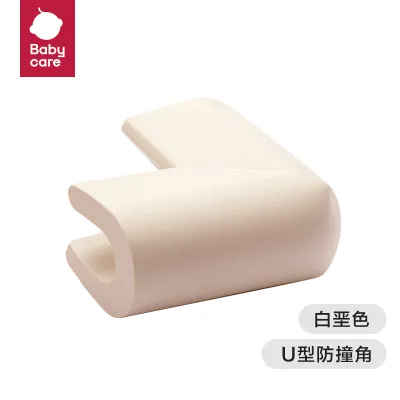
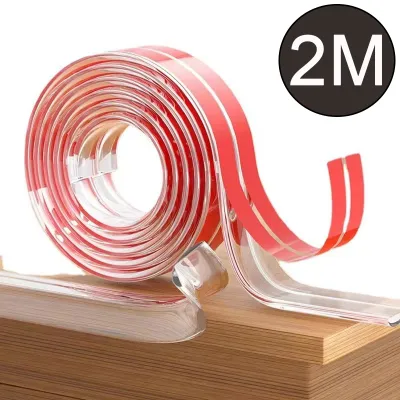
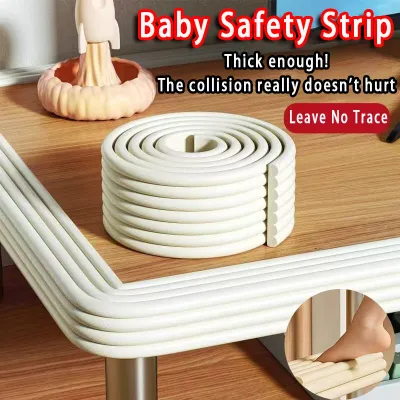
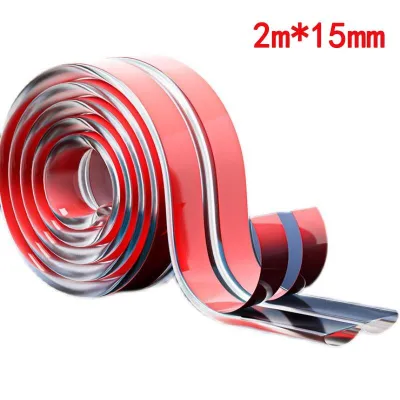
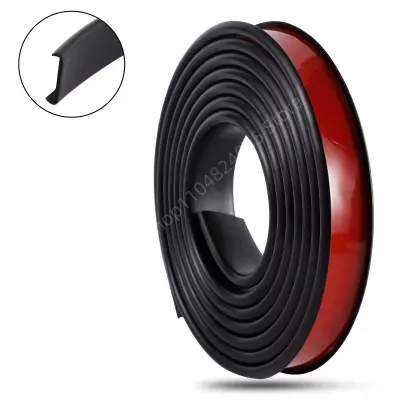
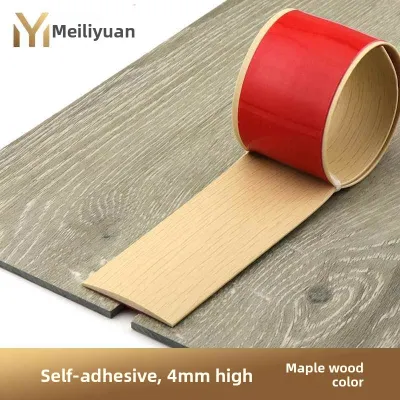
Prices are valid at publication and may change. Please refer to the product page for the latest price.
Cushioning performance and density determine how effectively a guard absorbs impact forces. When a child stumbles, the edge guard must decelerate the impact over a fraction of a second to prevent injury. High-density foam achieves this by compressing under force without bottoming out. To evaluate this physically, perform a simple “press test” on a sample or the product itself: press your thumb firmly into the foam. High-quality foam should offer noticeable resistance rather than collapsing easily, and it should rebound immediately to its original shape once pressure is released. If the material remains indented or feels hollow, it may not provide adequate protection during a high-velocity fall.
Adhesive quality is the final pillar of a reliable edge guard. A guard is only effective if it remains firmly attached to the furniture surface, resisting the constant tugging, pulling, and chewing of a curious toddler. Look for brands that partner with recognized adhesive manufacturers, such as utilizing 3M double-sided tapes or specialized acrylic adhesives. In Singapore’s warm, humid climate, standard rubber-based adhesives can soften and slide over time, leading to peeling edges. High-performance acrylic adhesives offer superior shear strength and moisture resistance, ensuring a long-lasting bond. Always check the brand’s surface compatibility list to ensure the adhesive is suitable for your specific furniture material, whether it is varnished wood, glass, metal, or laminate.
Common Trusted Edge Guard Brands Available in Singapore
Navigating the baby-proofing market in Singapore reveals a wide variety of brands, ranging from premium international safety specialists to cost-effective regional options. Understanding how these brands categorize their products helps narrow down the choices based on your household budget, aesthetic preferences, and specific furniture types. Regardless of the brand you choose, always verify the specific product batch labels and safety specifications, as manufacturers frequently update their formulations and adhesive types.

Established Global Baby Safety Brands
Established global brands specialize in comprehensive childproofing solutions and are widely distributed across international markets. Brands in this category design their products to comply with strict European or American safety standards, offering parents a high level of reassurance regarding chemical safety and mechanical durability. They typically invest heavily in research and development, resulting in optimized foam densities and high-grade, custom-engineered adhesives that resist peeling.
The primary advantage of choosing a global brand is the consistency of material quality and the availability of detailed safety documentation. These products are thoroughly tested to ensure they do not tear easily, minimizing the risk of small pieces becoming choking hazards. However, these premium brands often come with a higher price point, typically ranging from S$20 to S$40 or more per pack. They also tend to offer fewer aesthetic variations, often limiting their color palettes to basic neutral tones like grey, brown, white, or black.
Regional and Value-Focused Baby Brands
Regional and value-focused brands offer highly accessible baby-proofing solutions tailored to the Southeast Asian market. These brands provide practical, high-density soft foam guards in a wide variety of colors, making it easier for parents to match their home decor at a fraction of the cost of global brands. Prices for these products generally range from S$5 to S$15 per roll, allowing parents to baby-proof large living areas or multiple rooms economically.
While these brands offer excellent value, quality control can vary between batches. It is essential for parents to carefully inspect the packaging for explicit non-toxic certifications and to check for any strong chemical odors upon opening the product. Additionally, because the included adhesives may vary in strength, it is highly recommended to test the adhesive on a small, inconspicuous area of your furniture before proceeding with a full installation to ensure it bonds securely without damaging the finish.
Specialty and Transparent Guard Brands
Specialty brands focus on maintaining modern home aesthetics, offering discreet baby-proofing solutions that blend seamlessly into contemporary interiors. These brands typically utilize clear PVC, silicone, or thermoplastic polyurethane (TPU) to create transparent guards. They are highly favored by parents living in modern apartments who wish to protect their children without covering their elegant wood grain, marble, or glass furniture with bulky foam strips.
The clear benefit of transparent guards is their minimalist appearance, making them virtually unnoticeable from a distance. However, these materials are physically firmer and thinner than high-density foam, meaning they offer less shock absorption during high-impact falls. They are highly effective at preventing sharp cuts and lacerations but may not cushion a heavy impact as gently as foam. When choosing a specialty transparent brand, verify the material’s flexibility and the inner channel width to ensure a snug fit over your furniture edges.
Key Features to Compare Before Purchasing
Selecting the right edge guard requires matching the product’s physical design to the specific geometry of your furniture. Different furniture profiles demand different guard shapes to ensure complete coverage and secure adhesion.
Shape and Profile
The three primary shapes of edge guards serve distinct structural purposes:
- L-Shape: This is the most common profile, featuring a 90-degree angle designed to cover the top and side of sharp edges, such as dining tables, desks, and low TV consoles.
- U-Shape: This profile wraps around the top, edge, and bottom of thin surfaces. It is specifically designed for glass tabletops, metal shelving, or thin wooden panels where an L-shape would leave the sharp underside exposed.
- Flat Strips: These are flat, cushioned bands used to cover wide, flat surfaces or vertical wall corners where a standard angled guard is impractical.
Customization and Aesthetics
Most foam edge guards are sold in continuous rolls that can be easily cut to the exact length required using standard household scissors. To simplify installation and ensure a neat finish, look for brands that offer matching pre-cut corner pieces. Pre-cut corners eliminate the need to measure and cut complex miter joints, reducing installation errors and preventing gaps where dust or small fingers can compromise the adhesive.
Aesthetics also play a role in ensuring the guards remain in place. If an edge guard stands out too starkly against the furniture, it may attract the child’s attention, encouraging them to pull or chew on it. Matching the guard’s color to your furniture—such as choosing wood grain finishes for timber tables, dark brown for walnut, or transparent guards for glass—helps the safety measures blend into the background.
Comparison of Edge Guard Shapes
| Shape Type | Ideal Furniture Application | Cushioning Level | Installation Complexity |
|---|---|---|---|
| L-Shape | Rectangular tables, cabinets, TV consoles | High (thick foam) | Low to Medium (requires corner cutting) |
| U-Shape | Glass tabletops, thin metal shelves, panels | Medium (moderate foam) | Medium (must match edge thickness precisely) |
| Flat Strips | Wall corners, wide columns, flat surfaces | High (dense foam) | Low (straight line application) |
Installation, Maintenance, and Safe Removal
Proper installation is critical to ensuring that an edge guard functions as intended and remains securely attached over time. Even the highest-quality brand will fail to adhere if the furniture surface is not prepared correctly.
Surface Preparation and Curing
Before applying any adhesive or cleaning agent to your furniture, always check the applied product’s label and the treated item’s manufacturer instructions. If instructions conflict, the item is unidentified, or the use is not covered, stop and consult the manufacturer or a qualified professional.
To begin installation, thoroughly clean the furniture edge to remove dust, skin oils, and polish residue. Wipe the surface with isopropyl alcohol or a mild degreaser, ensuring the material is compatible with the cleaner. Allow the surface to dry completely. Measure and cut the edge guard to the desired length. Apply the double-sided adhesive tape to the inside of the guard, peel off the backing, and align the guard with the furniture edge. Press firmly along the entire length of the guard for at least 30 seconds to activate the pressure-sensitive adhesive.
Once applied, allow the adhesive to cure completely. Most high-performance adhesives require a waiting period of 24 to 72 hours to reach maximum bond strength. Keep your child away from the newly installed guards during this curing period to prevent them from pulling the guard loose before the adhesive has fully set.
Routine Inspection and Maintenance
Edge guards are subject to daily wear and tear from vacuum cleaners, toys, and curious children. Establish a routine weekly inspection to check the integrity of all installed guards. Look for signs of peeling edges, splitting foam, or bite marks. Teething babies may attempt to chew on soft foam guards; if you notice any physical degradation or missing chunks of foam, replace the guard immediately to eliminate choking hazards.
Safe Removal Techniques
When your child outgrows the need for edge protection, removing the guards safely requires patience to avoid damaging your furniture’s finish. Check your furniture’s care instructions before proceeding. To remove the guard, use a hairdryer on a low heat setting to gently warm and soften the adhesive backing. Slowly peel the guard back at a 45-degree angle, applying continuous heat as you progress.
If any sticky residue remains on the furniture, apply a small amount of furniture-safe adhesive remover or a mild vegetable oil. Let it sit for a few minutes to break down the adhesive, then gently wipe it away with a soft microfiber cloth. Avoid using sharp metal scrapers, screwdrivers, or harsh chemical solvents like acetone, which can scratch, strip, or discolor wood, lacquer, or veneer finishes.
Where to Buy and Verify Authenticity in Singapore
Purchasing authentic baby safety products ensures that the materials used are free from harmful chemicals and perform reliably under pressure. Singapore offers several secure channels for sourcing genuine edge guards.
Physical Retail and Specialty Stores
Visiting established brick-and-mortar maternity and baby specialty stores in Singapore allows you to inspect the products firsthand. Physical retail outlets in major shopping centers provide an opportunity to feel the density of the foam, test the flexibility of transparent guards, and read the safety certifications directly on the packaging before making a purchase. Retail staff can also offer guidance on compatibility with common furniture types.
Online Channels and Verification
When shopping online, purchase exclusively from official brand flagship stores or authorized distributors on major e-commerce platforms. Avoid purchasing unbranded, ultra-cheap items from third-party sellers that lack clear manufacturer details, as these products may not comply with chemical safety standards.
Upon receiving your order, conduct a quick verification check before installation. Ensure the packaging is completely sealed and features clear importer details, safety compliance marks (such as EN 71 or ASTM), and a comprehensive instruction manual in English. If the product lacks safety labeling, exhibits a strong chemical odor, or appears counterfeit, contact the retailer or manufacturer immediately to request a replacement or refund.
Frequently Asked Questions (FAQ)
How long do edge guards typically last before needing replacement?
The lifespan of an edge guard depends on material quality, environmental exposure, and your child’s behavior. In Singapore’s humid climate, adhesives can degrade over time, typically requiring replacement every 6 to 12 months. You should inspect the guards weekly and replace them immediately if you observe adhesive failure, peeling edges, physical tearing, or bite marks from teething children.
Are transparent edge guards as effective as thick foam ones?
Transparent edge guards made of PVC or silicone are highly effective at preventing lacerations and cuts from sharp corners while preserving your furniture’s appearance. However, because they are thinner and firmer than high-density foam, they offer less shock absorption during high-impact falls. For high-risk zones where toddlers are prone to falling, such as low coffee tables or TV consoles, thick foam guards are generally preferred for superior impact protection.

Community discussion
Share your experience or ask a question. Comments are reviewed before publication.