
Setting up a nursery is one of the most exciting preparation steps for expectant parents in Singapore. Among the essential pieces of nursery furniture, a reliable diaper station stands out as a daily workhorse. During the first year of a baby’s life, you can expect to perform thousands of diaper changes. This repetitive task makes the choice of a changing table a critical decision for both your baby’s safety and your own physical comfort.
In Singapore’s unique housing landscape, which is characterized by cozy HDB flats and compact modern condominiums, finding the right diaper station requires balancing space efficiency with structural integrity. Parents often seek out brands that offer a combination of safety, durability, and space-saving functionality. Popular brands like IKEA, Stokke, and various specialized nursery labels are frequently discussed in local parenting communities. However, a brand’s reputation is only as good as its alignment with your specific household layout, budget, and safety practices.
Rather than relying solely on brand popularity or marketing claims, it is essential to understand the underlying engineering and design features that make a diaper station truly reliable. This guide will walk you through the key factors that define a trustworthy diaper station, how to select a model that withstands Singapore’s humid tropical climate, the distinct categories of changing tables available, and the non-negotiable safety practices every caregiver must implement.
Products mentioned in this guide
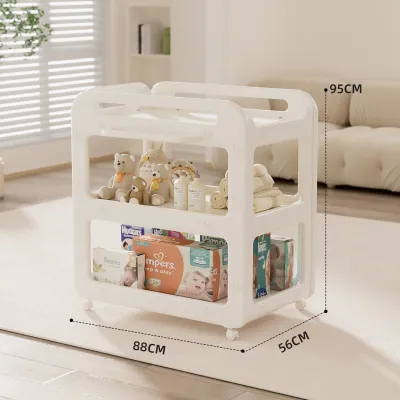
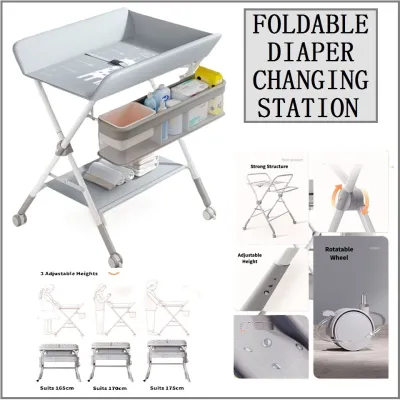
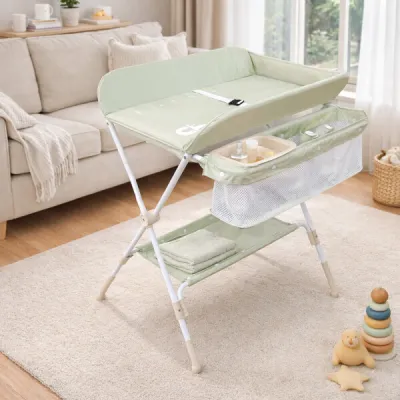
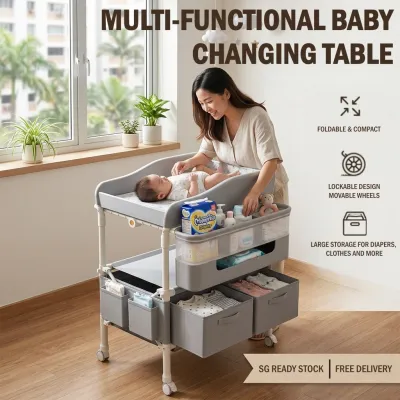
Prices are valid at publication and may change. Please refer to the product page for the latest price.
What Makes a Diaper Station Brand Trustworthy?
When evaluating different diaper station brands, safety must always be your absolute priority. A trustworthy brand will clearly document its compliance with recognized international safety standards, rather than using vague marketing buzzwords. For example, look for models that have been certified under the European safety standard EN 12221 or the American standard ASTM F2388. These rigorous testing frameworks evaluate structural stability, the height of protective side barriers, the strength of materials, and the absence of hazardous gaps where a baby’s fingers or limbs could become trapped. Always verify these certifications by checking the physical product labels, instruction manuals, or the manufacturer’s official documentation, rather than relying on third-party retail listings.
The quality of materials used in construction directly impacts both safety and longevity. Premium brands typically construct their changing tables from solid hardwoods (such as beech, birch, or oak) or high-grade, low-emission engineered woods like MDF that meet CARB Phase 2 or E1 standards. The finishes, paints, and varnishes applied to the furniture must be certified lead-free and non-toxic, as babies frequently touch, rub, and even chew on nursery furniture surfaces. A well-constructed diaper station will have smooth, rounded edges, flush-fitting joints, and heavy-duty hardware that does not loosen easily under regular use.
Ergonomics is another critical factor that separates high-quality brands from poorly designed alternatives. Diaper changes are a repetitive physical task that can quickly lead to chronic lower back, neck, and shoulder strain if the changing surface is too low or too high. Trustworthy brands design their stations with caregiver ergonomics in mind, offering heights that generally range between 85 to 100 centimeters from the floor. Some premium brands offer adjustable height settings, allowing multiple caregivers of different heights to use the station comfortably without bending excessively.
Finally, robust after-sales support is a hallmark of a reliable nursery brand. In Singapore, purchasing a diaper station from a brand with an established local distributor or dedicated customer service presence ensures you can easily access replacement parts, extra hardware, or compatible accessories. If a minor component like a drawer runner, a safety strap, or a locking wheel caster becomes damaged over time, a reputable brand will provide a clear path to purchase or claim a replacement under warranty, preventing you from having to discard an otherwise perfectly functional piece of furniture.
Choosing the Right Fit for Singapore Homes
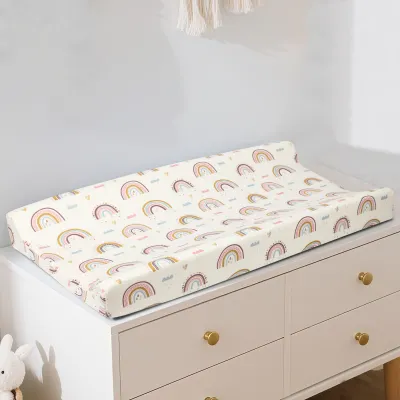
The physical layout of Singaporean homes plays a decisive role in determining which diaper station is most practical for your family. Standard HDB apartments and condominium units often require creative space management. A massive, wide changing dresser might overwhelm a small nursery or master bedroom. To address this, many parents look for space-saving designs. Foldable diaper stations that can be collapsed and stored flat against a wall or inside a closet when not in use are highly popular. Alternatively, cot-top changers—which are lightweight wooden or plastic frames designed to sit securely across the rails of a standard baby cot—offer an excellent way to utilize vertical space without expanding the furniture footprint. For those who prefer permanent wood furniture, a chest of drawers equipped with a removable changing topper provides a dual-purpose solution that transitions seamlessly into standard bedroom furniture as your child grows.

Singapore’s tropical climate, characterized by persistently high humidity and warm temperatures, presents unique challenges for furniture preservation. High humidity levels can cause low-grade particle boards to absorb moisture, leading to swelling, warping, and structural weakening over time. Furthermore, damp environments are highly conducive to mold and mildew growth, which can pose respiratory health risks to infants. When choosing a diaper station, look for brands that utilize moisture-resistant finishes, sealed wood surfaces, or powder-coated metal frames. It is equally important to maintain a well-ventilated nursery environment, utilize dehumidifiers if necessary, and immediately wipe up any spilled liquids, baby oils, or cleaning solutions to prevent moisture from penetrating the furniture joints.
Longevity and convertibility are key indicators of a brand’s value proposition. Because a child will only use a changing table for a relatively short phase of their early life, purchasing a single-use piece of furniture can feel like an impractical expense. Forward-thinking brands design modular systems that evolve alongside your family’s needs. For instance, some premium changing tables are engineered to be reconfigured into toddler play tables, study desks, shelving units, or even cozy children’s armchairs once the diapering phase is complete. While these convertible models often require a higher initial financial outlay, their ability to remain useful for a decade or more offers outstanding long-term value and reduces household waste.
Diaper Station Types: What to Look for in Each Category
Understanding the distinct categories of diaper stations allows you to evaluate which style aligns best with your home environment and lifestyle. Each category has specific structural features, weight limits, and safety considerations that you must inspect before making a purchase.
Dresser-Style Changing Tables
Dresser-style changing tables are solid, permanent pieces of furniture that combine a top changing surface with multiple spacious drawers or shelves underneath. This design is highly favored for its exceptional storage capacity, keeping all diapering essentials, baby clothes, swaddles, and medical supplies neatly organized in one central location. Having everything organized prevents you from having to leave your baby unattended to search for a clean diaper or wipe.
When selecting a dresser-style station, you must prioritize structural stability and tip-over prevention. Tall, heavy chests of drawers pose a severe hazard to older infants and toddlers who may attempt to climb on open drawers, causing the entire unit to tip forward. It is absolutely mandatory to verify that the brand includes a dedicated wall-anchoring kit (anti-tip straps or brackets) with the furniture. If the manufacturer does not supply one, or if your home’s wall structure requires specialized anchors (such as heavy-duty masonry plugs for concrete HDB walls), you must source compatible hardware from a reputable local supplier before assembling the unit.
Additionally, inspect the mechanical quality of the drawers. The drawer glides should operate smoothly and quietly so as not to disturb a sleeping baby, and they must feature built-in safety stops to prevent the drawers from being pulled entirely out of the frame. Always check the manufacturer’s documentation for the maximum weight capacity of the changing surface—which typically ranges from 11 to 15 kilograms—as well as the weight limits for individual drawers to avoid overloading and compromising the unit’s stability.
Foldable and Portable Changing Stations
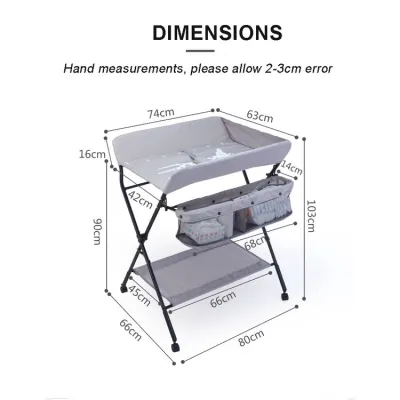
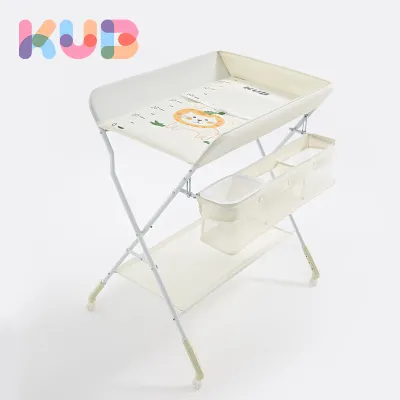
Foldable and portable changing stations are lightweight, highly flexible solutions designed for families with limited space, multi-story homes, or those who travel frequently. These units typically feature a folding steel or aluminum frame covered with durable fabric shelves and a padded changing surface on top. Many models also include lockable caster wheels, allowing you to roll the station effortlessly between the living room, bathroom, and bedroom.
The primary safety check for any portable changing station is its structural rigidity and frame stability. When the unit is fully unfolded, there should be absolutely no swaying, wobbling, or loose joints. Look for brands that feature wide, reinforced base legs equipped with robust non-slip rubber feet or heavy-duty wheels with highly effective, independent braking systems. The folding hinges must have positive-locking mechanisms that click audibly into place, ensuring the frame cannot accidentally collapse while bearing weight.
Hygiene is another crucial factor for portable units, as fabric and plastic elements can trap moisture and bacteria. Ensure the integrated changing pad is covered with a thick, waterproof, non-toxic polyurethane or PVC-free material that can be easily wiped clean and disinfected. Before every single use, you must perform a quick visual inspection of the locking hinges and structural joints to verify they are fully locked and free of wear or damage. Never attempt to lift, fold, or roll the changing station while your baby is lying on it.
Bath and Change Combo Units
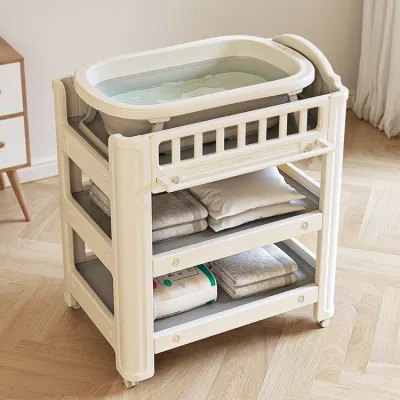
Bath and change combo units are specialized, multi-functional stations designed to streamline the bathing and diapering process. These units typically feature a padded changing table top that either flips upward or slides to the side to reveal an ergonomically designed baby bathtub nestled within the frame. This configuration is highly convenient for compact bathrooms, allowing you to bathe and dress your baby in one continuous, comfortable workflow without bending over a low adult tub.
When evaluating a bath and change combo, pay close attention to the water drainage system. A high-quality unit will include a flexible, heavy-duty drainage hose connected to the bottom of the tub, allowing you to empty the bath water directly into a floor trap, toilet, or adult bathtub. This eliminates the highly risky and physically demanding task of lifting and carrying a heavy, sloshing tub of water. Ensure the drainage plug fits tightly and is made of durable, leak-proof rubber or silicone.
Because water adds significant dynamic weight, these combo units bear substantial physical loads. You must strictly verify the manufacturer’s specified maximum weight limits for both the changing surface and the water-filled bathtub. Never exceed these limits, as overloading can cause the frame to buckle or tip. Additionally, because these units are frequently exposed to water and high humidity in bathrooms, check that the frame is made of rust-resistant materials, such as powder-coated aluminum or high-grade plastic, and verify that the caster wheel brakes lock securely to prevent any sliding on wet bathroom tiles.
Safety and Setup Checklist Before First Use
To ensure your diaper station remains a safe environment for your baby, you must execute a thorough assembly and maintenance protocol. Regardless of the brand’s reputation or cost, improper setup or negligent use can lead to serious accidents. Use the following checklist to guide your installation and daily operations:
- Wall Anchoring: Secure all permanent, dresser-style changing tables to the wall using heavy-duty anti-tip straps or L-brackets. In Singapore, HDB walls are typically made of solid concrete or precast panels, which require specialized masonry drill bits and plastic wall plugs (anchors) to achieve a secure hold. Do not rely on simple adhesive strips or standard drywall screws.
- Pad Security: If your changing table utilizes a separate changing pad, you must secure it firmly to the wooden or metal frame. Most reliable brands provide safety straps, snaps, or non-slip adhesive pads to prevent the changing pad from sliding off the table surface. When placing your baby on the pad, always fasten the integrated safety harness, keeping in mind that a harness is a supportive aid and never a substitute for your active, continuous hand-on supervision.
- Supply Placement: Arrange all essential diapering supplies—including clean diapers, wet wipes, barrier creams, and change clothes—within your immediate arm's reach before you begin the changing process. You must be able to access everything you need without taking your eyes off your baby or removing your hand from their body. Ensure these supplies are stored in bins or shelves that are completely out of your baby's physical reach to prevent choking hazards, chemical exposure, or accidental falls caused by a baby reaching for an object.
- Routine Inspections: Perform a systematic safety inspection of the diaper station at least once a month. Tighten any structural screws, bolts, or cam locks that may have loosened due to regular movement or wood expansion. Inspect metal hinges on foldable models for rust or structural fatigue, and check plastic components for cracks. If you detect any peeling paint, splinters, or torn seams on the changing pad, address them immediately to prevent skin irritation or bacterial accumulation.
- Transitioning Out: You must actively monitor your baby's physical growth and developmental milestones to determine when to stop using the diaper station. Do not rely on generic age guidelines. Stop using an elevated changing table immediately if your baby reaches the manufacturer's stated weight limit, or if they develop the ability to roll over, sit up, or pull themselves up. Once these milestones are reached, the risk of a fall increases exponentially, and you should transition to changing your baby on a secure, padded mat placed directly on the floor.
Frequently Asked Questions (FAQ)
Do I really need a dedicated diaper station?
While it is entirely possible to change your baby on a bed, a sofa, or a simple portable mat on the floor, a dedicated diaper station offers significant advantages for both caregiver health and household hygiene. The primary benefit is ergonomic; standing at a waist-height changing surface prevents the repetitive, deep bending that often causes severe lower back and neck strain during the early months of frequent changes. Furthermore, a dedicated station centralizes all diapering supplies and waste disposal in one organized, sanitary area. This containing of diapering activities helps keep your main living and sleeping surfaces free from accidental spills and contamination.
How do I clean and maintain the changing pad?
To maintain a sanitary environment and protect your baby’s sensitive skin, wipe down the changing pad surface after every diaper change using mild, fragrance-free soap and warm water, or gentle, baby-safe sanitizing wipes. Avoid using harsh household chemicals, concentrated bleach, ammonia, or abrasive scrubbing pads, as these substances can degrade the waterproof polyurethane, vinyl, or PVC coating, causing the material to crack, peel, and harbor harmful bacteria. If the changing pad has a removable fabric cover, wash it regularly in hot water using a hypoallergenic, baby-safe laundry detergent, and always refer to the manufacturer’s care label for specific maintenance instructions.
At what age or weight should I stop using the changing table?
There is no universal age limit for retiring a diaper station, as infants grow and develop at different rates. You must strictly adhere to the maximum weight and height limits specified by your changing table’s manufacturer, which typically range between 11 and 15 kilograms (often reached between 12 to 24 months of age). More importantly, you must stop using an elevated changing surface immediately if your baby reaches developmental milestones such as rolling over vigorously, sitting up independently, or attempting to pull themselves up on the side barriers. At this stage, the risk of a catastrophic fall from an elevated surface is extremely high, and you must transition to changing your baby on a clean, padded mat on the floor for their safety.

Community discussion
Share your experience or ask a question. Comments are reviewed before publication.