
Selecting a trusted changing table brand in Singapore requires balancing stringent safety certifications, structural stability, and spatial suitability for local homes. As you prepare your nursery, finding a dedicated space for diaper changes is crucial for both your baby’s comfort and your own physical well-being. With many parents navigating the compact layouts of Housing & Development Board (HDB) flats and condominiums, the ideal changing unit must offer maximum utility without compromising on safety boundaries.
A reliable changing table provides a secure, elevated platform that minimizes the physical strain of bending down hundreds of times a month. However, not all brands are created equal, and marketing claims can often obscure the actual structural integrity of the furniture. Understanding what makes a brand genuinely trustworthy—and how its designs perform in Singapore’s unique living environments—will help you make a confident, long-term investment for your growing family.
What Makes a Changing Table Brand Trusted?
When evaluating changing table brands, safety and material quality must always take precedence over aesthetic appeal. Trusted manufacturers design their products to meet rigorous international safety standards, such as ASTM F2388 in the United States or EN 12221 in Europe. These certifications are not merely bureaucratic labels; they guarantee that the furniture has undergone strict physical testing to ensure it can withstand dynamic loads, possesses adequate barrier heights to prevent falls, and is free from hazardous gaps that could trap a baby’s limbs.
Products mentioned in this guide
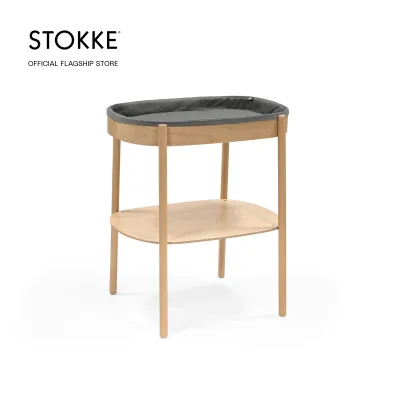
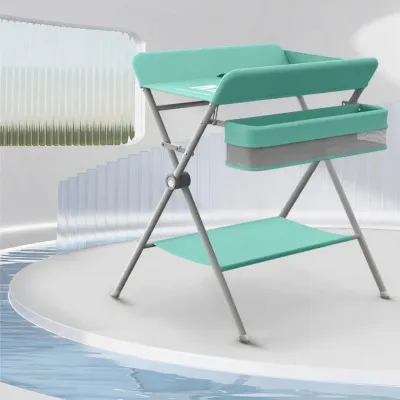
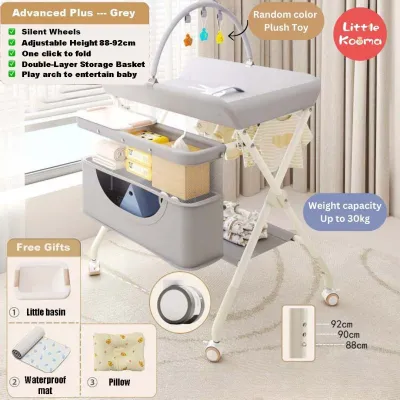
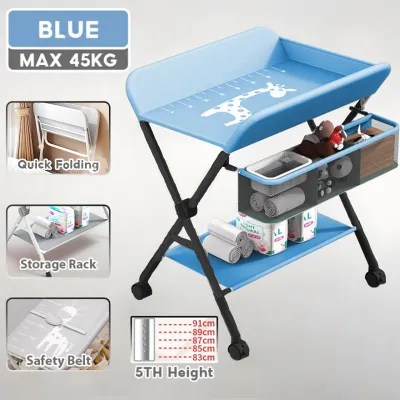
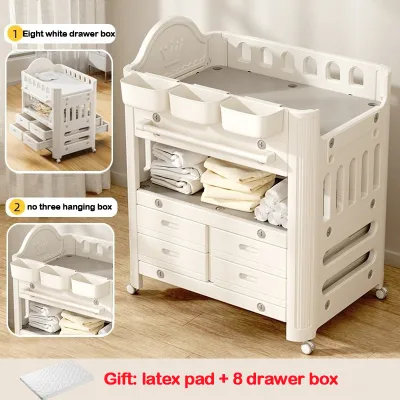
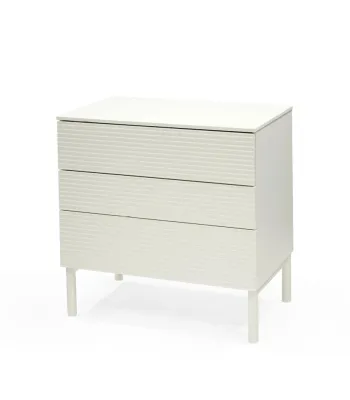
Prices are valid at publication and may change. Please refer to the product page for the latest price.
Material safety is another critical pillar of trust, particularly in Singapore’s warm and humid climate. High humidity can accelerate the off-gassing of volatile organic compounds (VOCs) from low-quality paints, varnishes, and adhesives. Reputable brands utilize non-toxic, lead-free finishes and formaldehyde-free engineered wood, or opt for solid timber certified by organizations like the Forest Stewardship Council (FSC). Look for certifications such as GREENGUARD Gold or compliance with European EN 71-3 standards to verify that the materials used are safe for your baby’s sensitive respiratory system.
Structural stability and physical durability are what separate premium brands from low-quality alternatives. A trusted brand constructs its changing tables with a wide, stable base, robust joinery, and a low center of gravity to prevent any wobbling or tipping. Furthermore, reputable manufacturers always provide dedicated anti-tip hardware and clear instructions for anchoring the furniture to the wall. This long-term durability ensures the table remains safe not just for your newborn, but also as your baby grows more active and begins to roll, pull up, or climb.
Finally, consistent positive feedback from the parenting community provides real-world validation of a brand’s reliability. A history free of safety recalls, combined with positive reviews regarding ease of assembly, structural sturdiness, and reliable customer service, helps establish a brand’s standing. When parents consistently report that a changing table remains stable and functional after years of daily use, it offers a strong indication of the brand’s commitment to quality.
Highly Rated Changing Table Brands to Consider
To help you narrow down your choices, this guide evaluates several highly regarded changing table brands available in Singapore. These brands have been selected based on their compliance with international safety standards, structural durability, suitability for local residential layouts, and feedback from local parents. Rather than declaring a single best option, these recommendations are categorized by use case, budget, and space requirements to help you find the perfect fit for your home.

Premium Picks for Long-Term Use
For parents looking for premium craftsmanship, exceptional durability, and furniture that grows with their child, Babyhood is a highly trusted brand in Singapore. This Australian brand is renowned for its focus on ergonomics and multi-functional designs, such as the Babyhood Ergonomic Elite or the Babyhood 4-in-1 changing tables. Constructed from sustainable New Zealand pine, Babyhood tables are specifically engineered to reduce caregiver back strain by offering adjustable height settings, allowing you to customize the table to your height.
The primary value proposition of Babyhood lies in its long-term utility. Many of their models are designed to transition seamlessly into other useful household furniture—such as a shelving unit, a toy box, or a small play table—once your child outgrows the diaper-changing stage. This multi-functional capability helps justify the higher initial price point, which typically ranges from S$300 to over S$600 in local retail stores.
However, parents should be aware of the space and assembly requirements associated with these premium solid-wood units. They are physically heavy, have a substantial footprint, and require a dedicated area in the nursery. Precise, careful assembly is absolutely essential to ensure that all structural joints are perfectly aligned and secure, so you may want to consider professional assembly services if you are not confident in your DIY skills.
Space-Saving Designs for HDB Homes
If you are working with limited space in an HDB flat or a smaller condominium, Troll Nursery offers exceptionally well-designed, compact solutions. This Swedish brand is highly regarded for its minimalist Scandinavian aesthetic and space-efficient dimensions, with models like the Troll Sun changing table fitting easily into tight corners or shared master bedrooms. Made from solid European birch, Troll furniture provides a sleek, modern look without sacrificing structural integrity.
Despite their smaller footprint, Troll changing tables maintain excellent stability. The brand achieves this by utilizing dense, high-quality timber that keeps the unit’s center of gravity low, preventing any top-heavy wobbling. Many of their models also feature lockable castors, allowing you to easily wheel the table between the nursery and the living room as needed, which is incredibly convenient for active daily use.
The main trade-off with these compact designs is their limited storage capacity. Unlike large changing dressers, space-saving tables typically feature open shelves or a single small drawer, meaning you will need to organize your diapering supplies efficiently using storage baskets. In Singapore, Troll changing tables generally fall into the mid-to-premium price range, typically costing between S$250 and S$400.
Reliable Budget-Friendly Options
For cost-conscious parents who refuse to compromise on safety, IKEA offers highly reliable, budget-friendly changing tables such as the Sniglar or Gulliver models. Built from solid beech wood (in the case of Sniglar), these tables are exceptionally sturdy despite their minimalist appearance. They comply fully with European safety standards (EN 12221), proving that you do not need to spend a fortune to secure a safe changing surface for your baby.
The primary trade-offs with budget-friendly models are their simple aesthetics and basic functionality. They offer open shelving without drawers, which leaves your baby supplies exposed to dust and requires separate storage bins to keep things organized. Additionally, these tables do not convert into other furniture types, meaning their useful lifespan is strictly limited to the diaper-changing years.
However, at a highly accessible price point (often under S$100), IKEA tables provide outstanding practical value. They are lightweight, relatively straightforward to assemble, and their solid wood construction ensures they remain stable and safe throughout their period of use. This makes them an excellent choice for families seeking a straightforward, no-frills safety solution.
Crucial Safety and Design Features to Verify
Regardless of the brand you choose, you must personally inspect and verify specific safety features before purchasing or using any changing table. The first critical component is the changing pad. Ensure the table accommodates a contoured changing pad with raised sides to help keep your baby centered. The pad must fit snugly within the table’s barriers with no gaps that could trap a baby’s limbs, and it should be securely anchored to the wooden frame using the manufacturer-provided straps or screws. Remember that a safety strap does not replace active caregiver supervision; never leave your baby unattended on a changing surface, even for a second.
Wall anchoring is non-negotiable for changing tables and dressers. As babies grow into toddlers, they often attempt to climb open drawers or shelves, which can cause the entire unit to tip over, leading to severe injuries. Always verify that the changing table includes an anti-tip kit, and follow the manufacturer’s instructions to secure the unit firmly to your wall. In Singapore, where residential walls are often made of concrete or solid brick, ensure you use the correct wall plugs and screws suitable for masonry rather than standard drywall anchors.
Inspect the drawer mechanisms and hardware if the changing table includes drawers or cabinets. They should feature smooth, enclosed metal runners with built-in safety stops to prevent the drawers from being pulled completely out of the frame. Soft-close mechanisms are also highly beneficial, as they prevent drawers from slamming shut and pinching delicate fingers. Avoid tables with exposed, sharp-edged hardware or complex mechanisms that could catch on clothing or scratch your baby.
Lastly, verify the manufacturer’s specified weight limit and test the unit’s physical stability. Most changing tables are rated for babies up to 11 kg or 15 kg, depending on the model. Always consult the product manual for the exact weight limit and age recommendations. Before placing your baby on the table, apply firm downward pressure on the changing surface to check for any wobbling, loose joints, or structural flexing. If the unit feels unstable, stop using it immediately, re-tighten all screws, and consult the manufacturer or a professional if the instability persists.
Navigating Purchases and Authenticity in Singapore
To guarantee that your changing table meets genuine safety and material standards, always purchase from authorized baby retailers, official brand stores, or reputable physical maternity shops in Singapore. Retailers like Mothercare, Motherswork, and established local online platforms like Pupsik Studio source their inventory directly from manufacturers, ensuring you receive authentic products that comply with local and international safety regulations.
Be highly cautious when browsing unverified third-party sellers on general online marketplaces. While these listings may offer lower prices, they often bypass safety compliance checks, and the authenticity of the materials (such as non-toxic paints and solid wood construction) cannot be verified. Purchasing from unauthorized sellers also voids any manufacturer warranties and leaves you without recourse if the product arrives damaged or missing critical assembly hardware.
Buying through authorized local channels also grants you access to essential after-sales support. This includes local warranties that cover manufacturing defects, professional assembly services to ensure the table is put together safely, and reliable customer service if you need replacement parts or have safety concerns. Given the structural importance of nursery furniture, having local support provides invaluable peace of mind.
Frequently Asked Questions (FAQ)
Do I really need a dedicated changing table, or can I use a regular dresser?
While a regular dresser can be used, a dedicated changing table is designed with built-in safety barriers, an optimized height to prevent caregiver back strain, and secure attachment points for a changing pad. If you choose to retrofit a standard dresser, you must make specific safety modifications. This includes securely bolting a compatible changing topper to the dresser, using a non-slip contoured pad, and anchoring the dresser to the wall with heavy-duty anti-tip hardware.
How do I verify if a changing table brand meets safety standards?
To verify compliance, look for physical safety certification labels (such as ASTM F2388 or EN 12221) printed on the product packaging, the underside of the table, or within the instruction manual. You should also visit the manufacturer’s official website to review their compliance documentation and safety certifications. Additionally, search global recall databases and local consumer protection alerts (such as Enterprise Singapore) to ensure the specific model has no history of safety hazards or manufacturing defects.

Community discussion
Share your experience or ask a question. Comments are reviewed before publication.