
Introducing solid foods is a significant milestone in your baby’s development, but navigating the baby food aisle in Singapore supermarkets can feel overwhelming. With dozens of colorful squeeze pouches lining the shelves, choosing the right option requires looking beyond eye-catching packaging. A high-quality baby pouch offers a convenient, nutrient-dense solution for busy days, provided it aligns with your child’s specific developmental stage and nutritional needs.
Rather than relying solely on the age recommendation printed on the front of the pack, parents must evaluate the texture, ingredient complexity, and nutritional profile of each product. From single-ingredient purees at six months to textured toddler meals at one year, selecting the right baby pouch involves understanding how your baby’s digestive system and oral motor skills progress. This guide breaks down how to evaluate baby pouches and highlights trusted brands available in Singapore for every stage of your baby’s weaning journey.
How to Evaluate Baby Pouches: Core Selection Criteria
Before purchasing any baby pouch, it is essential to establish a reliable baseline for evaluation. The convenience of these products should never come at the expense of nutritional quality or developmental safety. By learning what to look for on the label and packaging, you can confidently select products that support your baby’s growth.
Products mentioned in this guide
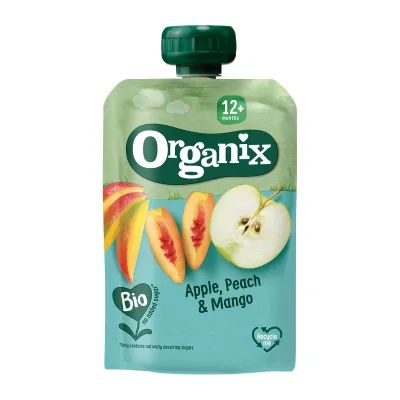
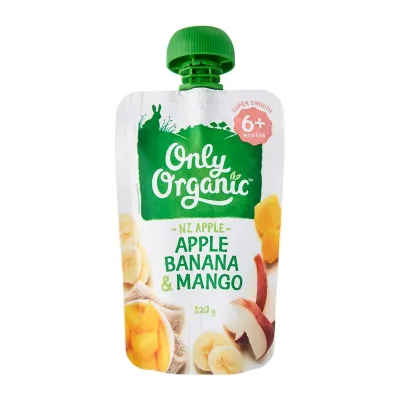
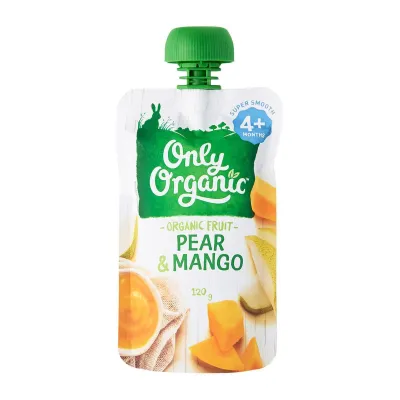
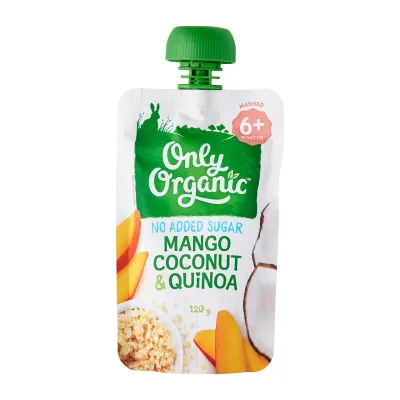
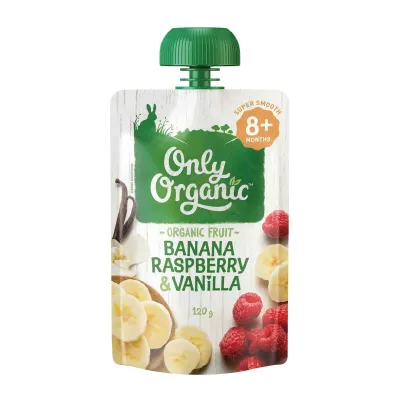
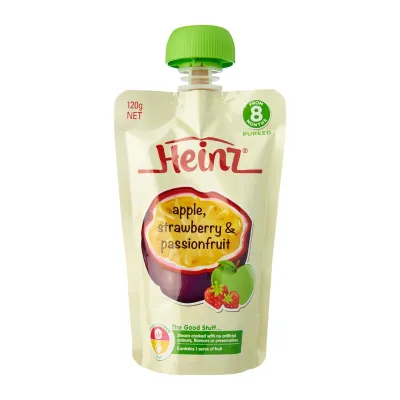
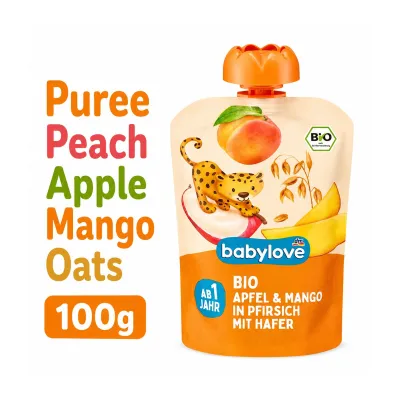
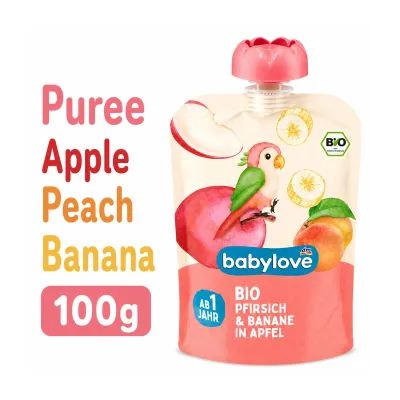
Prices are valid at publication and may change. Please refer to the product page for the latest price.
Ingredient Transparency and Hidden Sugars
The first step in evaluating a baby pouch is reading the ingredient list on the back of the packaging. Ingredients are listed in order of weight, meaning the first few items make up the majority of the food. Parents should look for products that place whole vegetables, fruits, or high-quality proteins at the top of the list. Be highly cautious of hidden sugars, which often appear under the guise of fruit juice concentrates, pureed sweet fruits used as cheap fillers, or syrups. While natural sugars from whole fruits are acceptable, excessive fruit juice concentrates artificially raise the sugar content, potentially encouraging a preference for overly sweet flavors early in life.
Texture Progression and Oral Motor Skills
Texture is just as important as nutritional content when selecting a baby pouch. As babies grow, their oral motor skills develop from a simple front-to-back sucking motion to a complex side-to-side chewing pattern. Pouches must match this progression. Beginners require ultra-smooth, watery purees that are easy to swallow without choking. As your baby reaches seven to nine months, they need thicker, mashed textures that encourage them to use their tongue to move food around. By ten months and beyond, soft lumps and chewable chunks are necessary to stimulate jaw muscle development and prepare them for family table foods.
Packaging Safety and Design
The physical safety of the pouch itself is a critical consideration. Parents should ensure that all packaging is certified BPA-free to prevent harmful chemicals from leaching into the food, particularly if the pouch is exposed to Singapore’s warm, humid climate. Inspect the cap design; many reputable brands utilize large, anti-choke caps that cannot be easily swallowed if detached. Additionally, always check that the plastic seal is completely intact and that the pouch does not feel bloated or pressurized, which can indicate bacterial growth or spoilage inside.
Verifying Food Safety Certifications
While many brands display organic or dietary certifications on their packaging, these standards and brand compliances can change over time. Parents should directly inspect the packaging for recognized international certifications, such as USDA Organic, EU Organic, or Australian Certified Organic, alongside local food safety compliance marks. Rather than assuming a brand is safe based on name recognition alone, verifying these details on the physical product before purchase ensures you are getting the quality you expect.
Stage 1 (Around 6 Months): Single Ingredients and Smooth Purees
At approximately six months of age, most babies show signs of developmental readiness for solid foods, such as sitting with minimal support and showing interest in what others are eating. The primary goal of this initial stage is introducing your baby to the mechanics of swallowing non-liquid food and monitoring for potential allergic reactions.

Nutritional Focus for Beginners
For babies just starting their weaning journey, the ideal baby pouch contains only a single fruit or vegetable blended with water, breastmilk, or formula. Keeping ingredients simple allows parents to isolate individual foods and easily identify the source of any allergic reaction or digestive upset. At this stage, avoid pouches that contain added salt, sugar, preservatives, or unnecessary thickeners like cornstarch. Minimizing fruit juice concentrates is also recommended to prevent your baby from developing an exclusive preference for sweet tastes over savory vegetables.
Verified Brand Options in Singapore
Several trusted brands available in Singapore supermarkets and online specialty stores offer excellent options for Stage 1:
- Rafferty's Garden: This popular Australian brand is widely stocked in Singapore supermarkets like FairPrice and Cold Storage. Their starter range features ultra-smooth, single-ingredient purees, such as pear or sweet potato. The texture is finely strained to ensure it is completely free of lumps, making it safe for beginners. Caregivers should verify the age grading on the packaging to ensure it matches their baby's readiness.
- Ella's Kitchen: Easily found on Singapore online grocers and organic baby shops, Ella's Kitchen offers a "Stage 1" range featuring simple, organic single-ingredient purees. Their colorful packaging clearly indicates the smooth texture inside, helping parents select appropriate starter foods.
- Only Organic: This New Zealand brand is commonly available in local health food stores and major supermarkets. They provide certified organic, single-ingredient options with minimalist recipes. Parents should always check the back label of each pouch to confirm that no extra fruit juice concentrates have been added to sweeten the vegetable purees.
Safe Serving Tips
To support proper oral development, never allow a six-month-old baby to suck puree directly from the pouch spout. Sucking from a spout bypasses the tongue movements required for spoon-feeding and can delay the development of essential oral motor skills. Instead, always squeeze the desired portion of the puree onto a clean spoon or into a small bowl. Feed your baby while they are seated upright in a high chair under active caregiver supervision, allowing them to learn how to clear food from a spoon using their upper lip.
Stage 2 (7–9 Months): Mixed Flavors and Thicker Textures
As your baby successfully navigates single ingredients, they will transition into Stage 2, typically between seven and nine months. This stage is an exciting opportunity to expand their palate, introduce complex flavor combinations, and gradually increase the thickness of their food.
Nutritional Focus and Iron Intake
During this stage, babies require a wider variety of nutrients, with a particular emphasis on iron, as their natural iron stores begin to deplete. Look for baby pouch options that introduce soft proteins, such as chicken, beef, or lentils, alongside iron-fortified grains like oats or quinoa. Stage 2 pouches should also feature mixed flavors, combining vegetables with mild herbs or spices to encourage a diverse palate. The texture should transition from ultra-smooth to a thicker, mashed consistency with very soft, tiny particles.
Verified Brand Options in Singapore
Parents shopping in Singapore can find several high-quality Stage 2 options:
- Bellamy's Organic: Highly accessible across Singapore, Bellamy's Organic offers a diverse range of Stage 2 pouches. These blends combine multiple organic fruits, vegetables, and grains, providing a thicker texture that helps babies practice swallowing more substantial foods. Parents should cross-check the label for iron content and potential allergen warnings.
- Bubs Organic: Available in major Singapore supermarkets and online platforms, Bubs Organic features Stage 2 blends that incorporate unique ingredients like quinoa, amaranth, and various vegetable combinations. Their recipes help introduce babies to complex flavor profiles without relying on added sodium.
Palate and Texture Transition Advice
If your baby is hesitant to accept the thicker consistency of Stage 2 pouches, you can ease the transition by mixing a small amount of the pouch contents with familiar, warm baby cereal or freshly mashed family foods, such as avocado or sweet potato. This gradual blending allows you to control the texture density, helping your baby build tolerance for thicker foods while safely expanding their culinary experiences.
Stage 3 (10–12+ Months): Complex Meals and Chunky Bites
By ten to twelve months, your baby is transitioning into toddlerhood and requires more energy-dense meals to support their active growth. This stage focuses on preparing your child to transition fully to family meals by introducing chunky textures that require active chewing.
Nutritional Focus for Older Babies
Stage 3 baby pouches should resemble complete, balanced meals. They must feature a combination of complex carbohydrates, healthy fats, and high-quality proteins. Look for pouches that contain soft, chewable pieces of pasta, rice, or vegetables. At this stage, it is crucial to monitor the sodium content on the nutrition facts panel. Toddlers have immature kidneys, and their daily sodium intake must remain very low. Avoid pouches with added salt, artificial flavorings, or preservatives.
Verified Brand Options in Singapore
For older babies and toddlers, look for these brands in Singapore:
- Only Organic (Toddler Range): This brand offers complete toddler meals in Singapore, featuring soft, chewable pieces of vegetables, grains, and meats. These pouches are designed to mimic family meals, helping your child transition to table foods. Parents should check the nutrition facts panel to ensure the sodium levels remain within acceptable limits.
- Ella's Kitchen (Toddler Meals): Ella's Kitchen provides chunky toddler pouches that feature textured meals like pasta bakes or vegetable risottos. These are excellent for busy days, but caregivers should verify that the chunk size matches their child's individual chewing readiness.
Practicality and Safety Boundaries
While Stage 3 pouches are highly convenient for meals on the go in Singapore, they should supplement, not replace, fresh family meals. Caregivers must read the manufacturer’s packaging for specific choking hazard warnings related to chunk size. Always supervise your child during meals, ensuring they are seated upright and demonstrating the chewing readiness required for chunky textures.
The 5-Point Label Checklist for Singapore Parents
To make informed decisions when browsing supermarket shelves or online marketplaces in Singapore, parents can use this structured five-point checklist:
- 1. Ingredient Order: Ingredients are listed in descending order by weight. Ensure that whole vegetables, fruits, or proteins are listed first, rather than water or apple juice concentrate.
- 2. Hidden Additives: Scan the list for alternative names for sugar (such as fruit juice concentrate, pear juice concentrate, or syrups) and unnecessary thickeners like modified cornstarch or xanthan gum.
- 3. Age Grading vs. Actual Readiness: Treat the age recommendations on the front of the pouch as general guidelines. Assess your baby's individual developmental signs—such as sitting support, head control, and chewing ability—before introducing a new texture.
- 4. Allergen Declarations: Look for bolded text or specific allergen warnings (such as gluten, dairy, soy, or fish) if your baby has known sensitivities or a family history of food allergies.
- 5. Physical Integrity Checks: Before purchasing or feeding, verify the expiry date, check that the vacuum seal is intact (the pouch should not feel bloated or leak when squeezed gently), and ensure the spout and cap are clean and undamaged.
Safe Feeding Practices: Avoiding Pouch Dependency
The convenience of a baby pouch makes it a popular choice for busy Singapore parents, but overreliance can lead to developmental delays. Drinking puree directly from the spout prevents babies from practicing the lip, tongue, and jaw movements required for speech development and chewing solid foods.
To promote healthy oral motor skills, always squeeze the pouch contents into a clean bowl or onto a spoon. This method teaches the baby to clear food from a spoon using their upper lip, which is a vital developmental milestone.
Additionally, feeding from a bowl allows babies to see, smell, and touch their food, fostering sensory exploration. Sensory play with food—even when messy—helps reduce the likelihood of picky eating habits later in childhood. Pouches should serve as a practical backup for travel, dining out, or hectic days, rather than the primary source of daily nutrition.
Caregivers should establish clear boundaries, gradually reducing the use of pureed pouches as the child approaches twelve months of age. If your child exhibits persistent signs of feeding aversion, refuses any texture thicker than smooth puree, or struggles with gagging or choking, stop using pouches and consult a pediatrician or a pediatric speech therapist for personalized guidance.
Frequently Asked Questions (FAQ)
Can I freeze leftover baby pouch puree?
Unopened baby pouches should be stored in a cool, dry place according to the manufacturer’s instructions. Once a pouch is opened, bacteria from the baby’s mouth or the environment can contaminate the food. If you plan to save leftovers, squeeze the desired portion into a separate clean bowl first, then seal the remaining pouch immediately. Transfer the leftover puree from the pouch into an airtight, freezer-safe container and store it in the freezer for up to one month, or in the refrigerator for up to 24 hours. Always check the specific brand’s label for exact storage warnings and safety timeframes.
Are organic baby pouches worth the higher price?
Organic baby pouches are grown without synthetic pesticides or fertilizers, which is a preference for many parents in Singapore. However, from a purely nutritional standpoint, a conventional baby pouch with a clean, whole-food ingredient list and no added sugars is highly comparable to its organic counterpart. When shopping in Singapore, compare the ingredient lists, local pricing, and available promotions. It is entirely possible to provide a highly nutritious diet using conventional pouches, provided you select options that prioritize whole ingredients and avoid unnecessary additives.
Community discussion
Share your experience or ask a question. Comments are reviewed before publication.