
When choosing a baby fall protector in Singapore, parents must look beyond marketing claims and focus on structural integrity, local safety compliance, and climate-appropriate materials. As infants transition from crawling to walking, and eventually from cots to adult beds, the risk of falls becomes a primary concern for families. Finding a reliable brand involves understanding the physical demands placed on these safety devices and verifying how well they perform in everyday home environments.
Trust in a baby safety brand is built on rigorous testing, clear compliance with international safety standards, and responsive customer support. Because baby fall protectors encompass two very different types of products—stationary bed rails and wearable head guards—the criteria for evaluating trustworthiness will vary depending on the specific item. By understanding these distinctions and knowing what structural and material details to inspect, you can make an informed choice that keeps your child safe.
Understanding Baby Fall Protectors: Bed Rails vs. Head Guards
To choose the right safety solution, you must first distinguish between the two primary categories of products often grouped under the term “fall protectors.” While both aim to prevent impact injuries, they serve entirely different developmental stages and physical environments. Selecting the wrong product for your child’s current stage can compromise their safety and lead to unnecessary expenses.
Products mentioned in this guide
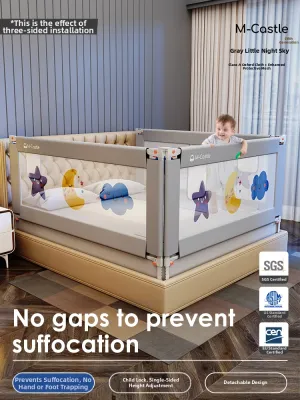
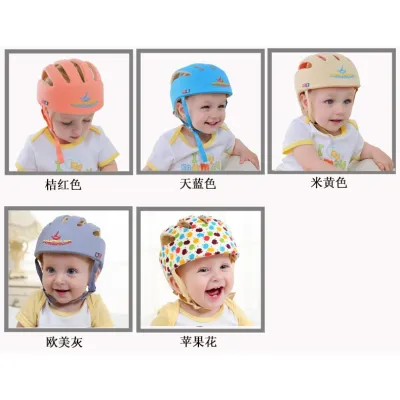
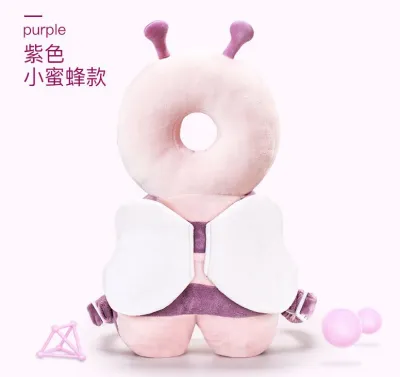

Prices are valid at publication and may change. Please refer to the product page for the latest price.
Baby bed rails are stationary safety barriers designed to prevent toddlers from rolling off elevated sleeping surfaces. These are typically installed on adult beds when transitioning a child out of a cot, or used on toddler beds that lack built-in side barriers. The primary safety goal of a bed rail is containment and prevention of falls from height during sleep or quiet rest.
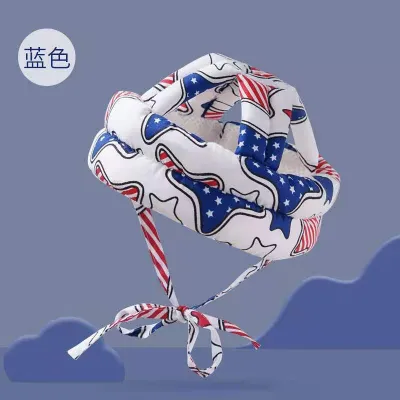
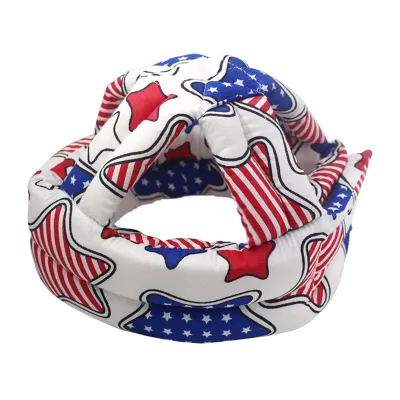
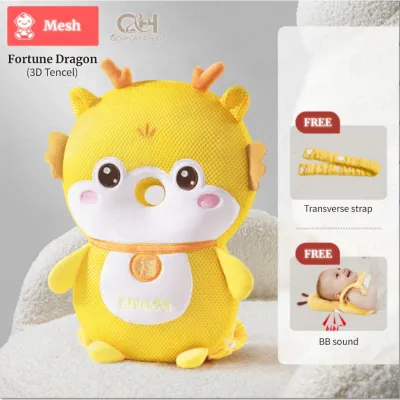
Conversely, walking head protector backpacks are wearable safety cushions designed for active, upright infants. Shaped like small backpacks or soft helmets, these protectors feature a padded ring or cushion that sits behind the child’s head. They are specifically engineered to absorb the impact of backward falls when a toddler is learning to sit, crawl, or take their first steps on hard flooring.
Brand trust entails completely different engineering priorities for each of these categories. For bed rails, parents must prioritize structural rigidity, secure anchoring systems, and robust locking mechanisms that can withstand the lateral force of a child leaning or rolling against the barrier. For wearable head guards, the focus shifts to impact absorption, lightweight ergonomics, and fabric breathability to ensure the child can move freely without physical strain or overheating.
These products also target distinct developmental windows. Wearable head protectors are typically used during the active learning-to-walk phase, which generally spans from 5 to 15 months of age. Bed rails are introduced later, usually when a toddler transitions to a larger bed—typically between 18 months and 5 years of age—and are retired once the child develops the spatial awareness to sleep safely without rolling off.
How Singaporean Parents Evaluate Brand Trustworthiness
Evaluating the reliability of a baby safety brand in Singapore requires a practical approach that combines hands-on inspection, careful review analysis, and an assessment of local support. Because safety certifications and brand rankings can change, parents should use concrete, observable criteria to verify whether a brand deserves a place in their home.

Visiting physical baby boutiques or department stores in Singapore is an invaluable first step. Handling a product in person allows you to perform immediate quality checks that are impossible online. You can physically test the rigidity of a bed rail’s frame, check the smoothness and security of its locking joints, and feel the weight and texture of a wearable head guard’s fabric. If a brand’s products feel flimsy, exhibit loose joints, or use rough, irritating fabrics, they are unlikely to provide long-term reliability.
When researching options on online marketplaces, look past the initial star ratings and dive deep into verified customer feedback. Focus on detailed reviews from local households that describe long-term use. Pay close attention to comments regarding structural durability, reports of missing or misaligned installation hardware, and ease of assembly. Reviews that detail how a product performs after six months of daily use are far more valuable than initial impressions written immediately after unboxing.
Local customer service and warranty support are critical indicators of a trustworthy brand. Purchasing from a brand with an established distributor or dedicated customer office in Singapore ensures you have immediate access to assistance if you encounter installation difficulties or discover a manufacturing defect. A reputable brand will offer clear product warranties and make replacement parts—such as extra anchoring straps, replacement mesh covers, or buckles—readily available, ensuring you do not have to discard an entire safety system due to a single worn component.
Choosing a Trusted Brand for Baby Bed Rails
Selecting a reliable bed rail brand requires a close examination of the physical construction and installation mechanics. Because bed rails are subjected to continuous pressure and movement, a trusted brand must deliver uncompromising stability and seamless compatibility with standard bedding systems.
Structural Stability and Mesh Quality
The physical frame of a high-quality bed rail must be constructed from robust, durable materials. Look for brands that utilize thickened, rust-resistant metal tubing—such as aircraft-grade aluminum or heavy-duty steel—rather than thin plastics or light alloys that can bend under pressure. The frame must maintain its shape even when a child leans their full weight against it.
The fabric barrier is equally important. Reputable brands use high-density, breathable mesh that allows optimal airflow while maintaining high tensile strength. This mesh must be tightly woven and securely stitched to the frame sleeves to prevent tearing. It is vital to verify that the mesh and fabric materials are certified free from harmful chemicals and formaldehyde, as young children frequently press their faces directly against the barrier.
Security is paramount when it comes to the rail’s folding or lifting mechanisms. Trusted brands engineer child-proof double-lock systems that require two distinct, coordinated actions to release—such as pressing a button while sliding a collar. This design prevents a curious toddler from accidentally unlocking and lowering the rail from the inside. Additionally, the manufacturer must provide explicit weight and height limits for the rail, which you must cross-reference with your child’s physical development.
Ease of Use and Mattress Compatibility
Daily usability is a key factor in long-term satisfaction. Many parents prefer brands that offer vertical lifting mechanisms rather than traditional fold-down designs. In typical Singapore apartments, where bedroom floor space can be limited, a rail that slides straight down vertically is highly practical because it does not require extra clearance space beside the bed frame to clear bedside tables or wardrobes.
To prevent dangerous accidents, the bed rail must fit your mattress perfectly without creating any gaps. Reputable brands provide detailed compatibility guides that outline exactly which mattress sizes, thicknesses, and bed frame types (such as slatted, flatbed, or recessed frames) their products support.
- Y-Belt Anchoring Systems: Look for brands that include adjustable heavy-duty straps that run underneath the mattress and anchor securely to the opposite side of the bed frame, preventing the rail from shifting outward.
- Screw-Down Baseboards: For wooden slatted beds, trusted brands often provide pre-drilled holes in the base frame, allowing parents to screw the rail structure directly into the bed slats for maximum stability.
- Adjustable Height Settings: The base of the rail should feature multiple adjustment slots to ensure the lower edge of the mesh barrier sits flush against the top of the mattress, regardless of its thickness, eliminating any potential entrapment zones.
Choosing a Trusted Brand for Walking Head Protectors
Selecting a wearable head guard requires balancing protective performance with physical comfort. Because these items are worn directly by active toddlers, a trusted brand must prioritize ergonomic design and climate suitability.
Material Safety and Climate Breathability
Singapore’s warm and humid tropical climate poses a unique challenge for wearable baby gear. Heavy, non-breathable materials trap body heat rapidly, leading to discomfort, sweating, and skin irritation such as heat rash. When evaluating head protector brands, prioritize those that utilize advanced breathable materials.
- 3D Air Mesh: This fabric structure features a honeycomb design that allows continuous air circulation, keeping the baby's back and head cool during active play.
- Hollow Fiber Fillings: The internal cushioning should consist of lightweight, high-elasticity polyester hollow fibers that absorb impacts effectively without adding unnecessary bulk or heat retention.
- Organic Cotton Covers: For areas in direct contact with the skin, such as shoulder straps, look for brands that use soft, hypoallergenic organic cotton to minimize friction and prevent chafing.
Always check the product labels for clear material compositions and care instructions. Because these protectors accumulate sweat and dirt quickly during play, a trusted brand will design their product to be easily machine-washable. The materials must be durable enough to withstand frequent washing cycles without losing their shape, clumping, or degrading in protective capacity.
Ergonomic Fit and Adjustability
A baby’s neck muscles and cervical spine are still developing, meaning any wearable device must be engineered to prevent physical strain. A reputable brand will ensure their head protector is exceptionally lightweight—ideally weighing under 150 grams—so it does not alter the child’s natural center of gravity or place stress on their neck.
The harness system must be highly adjustable to accommodate different body shapes and clothing layers. Look for brands that feature wide, padded shoulder straps that distribute weight evenly. An adjustable horizontal chest strap—often designed in an H-shape—is crucial because it prevents the shoulder straps from slipping off narrow, rounded baby shoulders as they crawl and climb. The protective ring must be positioned precisely to cushion the back of the skull (the occipital region) and the upper spine, without restricting the child’s ability to turn their head side to side.
Essential Safety Checks and Installation Rules
No matter how reputable or highly reviewed a brand is, the safety of a baby fall protector ultimately depends on correct installation, regular maintenance, and proper usage. Parents must treat these products as secondary safety aids rather than absolute guarantees against injury.
First and foremost, no safety device can ever replace active adult supervision. A bed rail or head guard is designed to mitigate the impact of accidental falls, not to allow children to play unattended in potentially hazardous environments. Always keep a watchful eye on your child, especially when they are exploring new physical milestones.
When installing a bed rail, you must strictly adhere to the manufacturer’s step-by-step instructions. Once installed, perform the critical “gap test” by pressing your hand firmly against the inside of the rail. Ensure there is absolutely no space or pocket between the mattress and the mesh barrier where a baby’s head, neck, or limbs could slip and become trapped. If a gap exists, do not use the bed rail until you have adjusted the anchoring straps or verified compatibility with your mattress type.
Establish a routine inspection schedule for all fall protection gear. For bed rails, check weekly that the anchoring straps remain taut, the frame screws are tight, and the locking joints click securely into place. For wearable head protectors, inspect the straps and buckles for signs of wear, check that the stitching remains intact, and verify that the internal foam has not compressed or degraded. If you identify any structural damage, torn mesh, or compromised buckles, retire the product immediately.
Finally, stay informed about product safety by regularly checking local consumer safety portals, such as the safety alerts published by Enterprise Singapore, for any product recalls or safety warnings. If a brand’s product is subject to a recall, stop using it immediately and follow the manufacturer’s instructions for a replacement or refund. Knowing when to retire a product—whether due to wear and tear, a recall, or your child outgrowing the manufacturer’s specified age and weight limits—is essential for maintaining a safe home environment.
Frequently Asked Questions (FAQ)
At what age should I stop using a baby bed rail?
The transition away from a bed rail typically occurs between 18 months and 5 years of age, depending on your child’s physical development and cognitive readiness. You should consider removing the rail once your child has developed the spatial awareness to sleep without rolling near the edge, and can safely climb in and out of bed on their own. Always check the specific manufacturer’s instructions, as brands define strict weight and height limits that must not be exceeded.
Are walking head protectors safe for outdoor use?
Yes, walking head protectors can be used outdoors, but they require close monitoring. While they provide cushioning on hard surfaces like concrete or playground pavements, Singapore’s outdoor heat can cause rapid temperature buildup under the harness. Ensure your child does not play in direct sunlight for extended periods while wearing the protector, and check their skin regularly for signs of overheating or sweating. The product should be restricted to flat, dry ground free of sharp obstacles.
How do I clean and maintain these fall protectors?
To clean bed rails, wipe down the metal or plastic frame with a damp cloth and mild, baby-safe detergent. If the fabric mesh cover is removable, wash it according to the manufacturer’s care label—typically on a gentle cycle in a laundry bag—and air-dry it completely before reassembly to prevent mold growth in Singapore’s humid climate. Wearable head protectors should be hand-washed or machine-washed on a delicate cycle, ensuring the internal padding is fully dry before the next use to maintain its shape and hygiene.
Community discussion
Share your experience or ask a question. Comments are reviewed before publication.