
In Singapore’s warm, tropical climate, safeguarding infants from insect bites is a year-round priority for parents. With the persistent risk of mosquito-borne illnesses like dengue fever, finding a reliable baby cot mosquito net is an essential step in nursery preparation. However, navigating the market can be challenging, as parents must balance effective protection with absolute physical safety. The most trusted brands among Singapore parents are those that prioritize structural stability, certified non-toxic materials, and exceptional breathability to prevent overheating in local humidity.
Rather than relying on unverified marketing claims, experienced parents look for established brands that offer clear safety documentation, robust mounting hardware, and designs tailored to modern cot configurations. This guide outlines how to evaluate these brands, assess their safety features, and choose a netting system that integrates seamlessly into your nursery layout while keeping your baby completely secure.
Why Brand Reliability is Critical for Crib Netting
A baby cot mosquito net must act as an impenetrable barrier against flying insects while maintaining a well-ventilated sleep environment. Because infants spend a significant portion of their early months sleeping, any accessory added to the crib must meet the highest safety standards. Low-quality or unbranded nets often fail to balance these requirements, posing severe risks that can compromise your child’s well-being.
Products mentioned in this guide
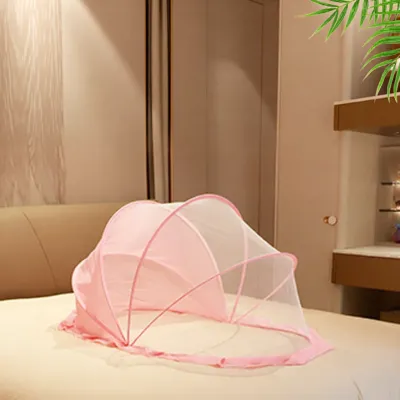
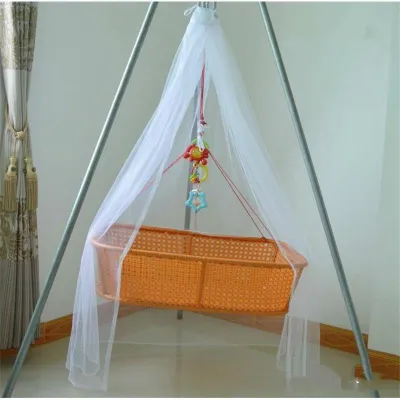
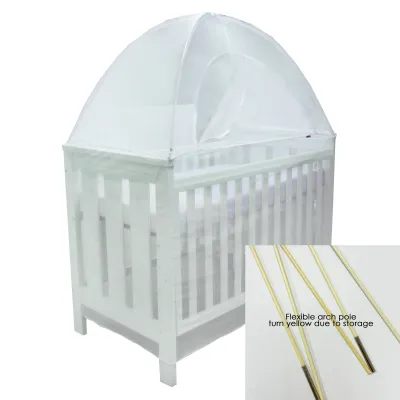
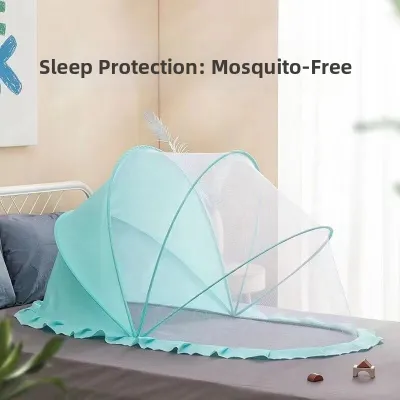
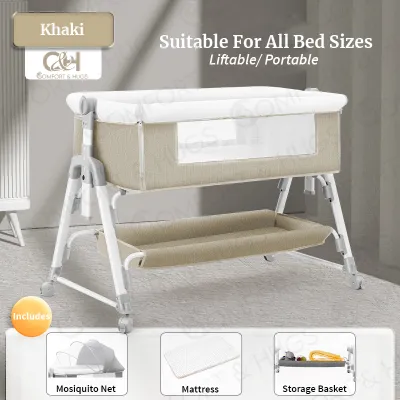
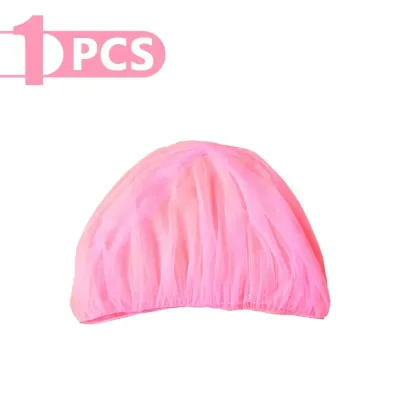
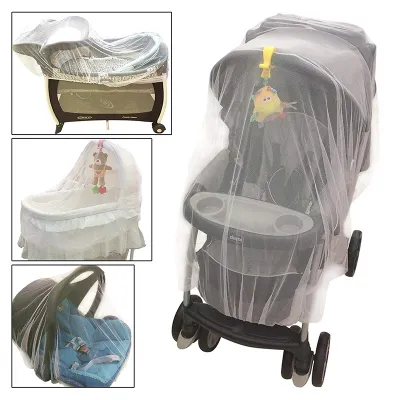
Prices are valid at publication and may change. Please refer to the product page for the latest price.
One of the primary hazards associated with cheap, unbranded netting is fabric sagging. If the material is too heavy or lacks a secure tensioning system, it can droop into the sleep space, creating a direct suffocation risk if it comes into contact with the infant’s face. Additionally, poorly constructed nets often feature loose cords, decorative ribbons, or weak attachment points. These elements can easily detangle or break, presenting a high risk of strangulation or choking if a curious baby pulls them into the cot.
In Singapore’s humid climate, airflow is another critical factor. Cheap synthetic nets are often made from dense, low-grade polyesters that restrict air circulation, leading to heat retention and elevated humidity inside the cot. This lack of ventilation increases the risk of overheating, which is a known risk factor for sleep-related infant distress. Trusted brands address these issues by using lightweight, high-tensile mesh materials that are rigorously tested for air permeability, ensuring your baby remains cool and safe throughout the night.
Essential Safety and Quality Criteria for Evaluating Brands
When evaluating different baby cot mosquito net brands, parents should look past aesthetic appeals and focus on concrete safety and structural criteria. A high-quality brand will always provide detailed specifications regarding its materials, manufacturing processes, and safety testing.

Mesh Size and Density The effectiveness of a mosquito net depends entirely on its mesh density, which is typically measured by the number of holes per square inch. Trusted brands design their nets with holes small enough to exclude tiny pests, such as mosquitoes and midges, while ensuring the gaps do not restrict fresh air circulation. Furthermore, the mesh must be woven tightly enough to prevent a baby’s tiny fingers or toes from getting caught in the fabric, which could cause injury or distress.
Fabric Breathability and Climate Suitability Given Singapore’s consistent heat, the choice of fabric is paramount. Reputable brands utilize premium, lightweight polyester mesh or specialized cotton-blend weaves. These materials allow warm air to escape and fresh breeze to circulate freely, matching the demands of both air-conditioned and naturally ventilated nurseries. Parents should verify that the fabric is free from chemical flame retardants or harsh dyes, which can off-gas and irritate an infant’s sensitive respiratory system.
Structural Integrity and Hardware The frame or suspension system holding the net in place must be exceptionally sturdy. High-quality brands use flexible, high-grade fiberglass or coated steel hoops that maintain their shape over years of use without warping or snapping. Any joint or connector must be completely enclosed in smooth, durable plastic or fabric sleeves to prevent sharp edges from snagging the mesh or scratching your baby. If the net utilizes a clamp-on bracket, the mounting hardware should feature non-slip rubber padding to grip the cot frame securely without slipping or damaging the wood.
Absence of Choking and Entanglement Hazards A safe baby cot mosquito net must have a minimalist, functional design. Trusted manufacturers avoid decorative embellishments such as loose beads, plastic sequins, or long hanging ribbons that a baby could detach and swallow. Any structural ties, zippers, or adjustment cords must be positioned entirely on the exterior of the net, well out of the reach of a baby lying inside the cot.
Zipper and Access Design Accessing your baby during the night for feeding or comforting should be quiet and effortless. Reliable brands design their nets with high-quality, double-sided zippers that glide smoothly without jamming or making loud noises that could wake a sleeping infant. Look for designs that feature auto-lock zipper slides or wide, overlapping fabric flaps that seal shut naturally, ensuring no gaps are left open for insects to slip through when the net is closed.
Matching Net Designs to Your Cot and Nursery Layout
Trusted brands typically offer a variety of net styles to accommodate different nursery layouts, cot sizes, and parental preferences. Before making a purchase, it is essential to measure your cot’s dimensions, the height of your ceiling, and the surrounding clearance to ensure a safe and proper fit.
Dome and Canopy Suspension Nets
Dome and canopy nets are suspended from a single anchor point on the ceiling or wall, draping down to cover the entire cot in an elegant, tent-like structure. This design creates a spacious, airy volume above the mattress, which minimizes the feeling of confinement and allows for excellent air circulation. Because the fabric is suspended high above the crib, it is less likely to come into contact with the baby during sleep.
However, installing a dome net requires careful planning and secure mounting. Parents must ensure that the ceiling hook or wall bracket is anchored firmly into a structural beam or concrete wall, using appropriate wall plugs rather than simple adhesive hooks, which can easily fail under tension. The suspension cord must be kept completely out of the baby’s reach at all times. To ensure maximum protection, the bottom of the netting must drape low enough to be tucked securely beneath the mattress, preventing the baby from pulling the fabric inward or creating gaps where mosquitoes could enter.
Fitted and Pop-Up Cot Nets
For parents seeking a more compact or portable solution, fitted and pop-up nets offer excellent alternatives. Fitted nets resemble a contoured sheet, utilizing strong elasticized borders to stretch tightly over the top rails of the cot. This design keeps the netting taut and close to the frame, significantly reducing the risk of sagging. It is an ideal option for standard-sized wooden cots and does not require any drilling or permanent installation, making it highly popular among renters in Singapore.
Pop-up nets feature an integrated, self-supporting wire frame that springs into shape instantly. These nets can be placed directly inside the cot or used as standalone travel cribs. When evaluating pop-up designs from trusted brands, it is vital to check the strength of the internal spring steel wire. The frame must be flexible yet robust enough to resist collapsing if the baby rolls against the side. Additionally, parents must verify that the elastic bands or attachment straps are durable and hold the net firmly to the cot rails, preventing active infants from dislodging the structure.
How to Verify Brand Claims and Gather Authentic Local Feedback
With numerous products available on the market, separating high-quality, reliable brands from low-grade imitations requires active verification. Parents should look for objective evidence of quality rather than relying solely on promotional descriptions.
Checking Textile and Safety Labels The most reliable indicator of material safety is independent third-party certification. Look for brands that carry recognized certifications, such as the OEKO-TEX Standard 100 label, which guarantees that the fabric has been rigorously tested for harmful substances and is safe for direct contact with infant skin. Parents should verify these claims by checking the certification number on the official OEKO-TEX website or reviewing the detailed product documentation provided on the manufacturer’s official brand portal.
Navigating E-commerce Platforms When shopping on local e-commerce platforms and online marketplaces, customer reviews can provide valuable insights if read critically. Rather than focusing on overall star ratings, filter reviews to look for verified purchases that include real-life photos of the product set up in a home environment. Pay close attention to feedback regarding material durability after washing, ease of installation, and whether the net sags over time. Be cautious of products that feature clusters of highly repetitive, overly positive reviews posted within a short timeframe, as these can sometimes indicate manipulated feedback.
Leveraging Local Parenting Communities Singapore has a vibrant network of online parenting communities, forums, and social media groups where parents share honest, unvarnished experiences. Consulting these local resources is highly beneficial for understanding how different brands perform in local housing conditions. For instance, parents living in HDB flats can offer practical advice on which mounting hardware works best on concrete ceilings, or how well a specific net’s breathability holds up in naturally ventilated rooms without air conditioning.
Reviewing Return and Warranty Policies An established, reputable brand will stand behind the quality of its products by offering clear, transparent return policies and functional warranties. Before purchasing, check the manufacturer’s policy regarding structural defects, damaged zippers, or missing hardware. A brand that offers responsive customer support and a straightforward exchange process provides peace of mind and is a strong indicator of long-term reliability compared to anonymous, fly-by-night online sellers.
Safe Installation and Daily Maintenance Boundaries
Even the highest-quality baby cot mosquito net can pose safety risks if installed incorrectly or neglected. Adhering to strict safety guidelines and maintaining a regular care routine is essential to protect your infant and prolong the lifespan of the net.
Installation Safety Boundaries The absolute golden rule of mosquito net installation is that no part of the netting, cords, or mounting hardware should ever be accessible to the baby from inside the cot. The fabric must be pulled taut and anchored securely so that it cannot sag or drape into the sleep space. If you notice any sagging or if the net becomes loose, you must reinstall and tighten it immediately. Never use temporary fixes like safety pins or loose ropes to secure the net, as these introduce new hazards into the nursery.
Routine Inspection Protocol Parents should perform a quick visual and physical inspection of the mosquito net before every sleep session. Check the entire surface of the mesh for small tears, snags, or unravelling seams that could allow insects to enter or catch on the baby’s fingers. Examine the structural hoops, brackets, and clamps to ensure they remain firmly locked in place and show no signs of cracking or fatigue. If any component appears compromised, discontinue use immediately until it can be safely repaired or replaced.
Cleaning and Care Mosquito nets act as filters, trapping dust, pet dander, and airborne particles over time, which can restrict airflow and trigger infant allergies. Regular washing is necessary to maintain hygiene and breathability. Always consult the manufacturer’s care label before cleaning. Most high-quality nets require gentle hand washing in cool water or machine washing on a delicate cycle inside a mesh laundry bag. Use a mild, baby-safe detergent and avoid bleach or fabric softeners, which can degrade the synthetic fibers and weaken the elastic borders. Allow the net to air dry completely in a well-ventilated area away from direct sunlight to prevent warping.
When to Stop Using A baby cot mosquito net is not a permanent fixture and must be retired when your baby reaches certain developmental milestones. As soon as your infant learns to push up on their hands and knees, sit up independently, or pull themselves up to a standing position using the cot rails, the risk of them grabbing, pulling down, or becoming entangled in the netting increases significantly. At this stage, you must remove the net from the cot immediately. Additionally, if the mesh develops tears that cannot be repaired according to the manufacturer’s guidelines, or if the structural frame loses its tension and sags, the net should be replaced or retired.
Frequently Asked Questions (FAQ)
Are mosquito nets safe for newborns?
Yes, baby cot mosquito nets are safe and highly recommended for newborns, especially in tropical areas where protecting infants from insect-borne diseases is critical. However, safety depends entirely on correct installation. The net must be kept completely out of the newborn’s reach, pulled tautly over the frame, and must never drape or rest directly on the baby’s face or body. Additionally, the fabric must be highly breathable to ensure proper airflow and prevent heat accumulation inside the cot.
Can I use a mosquito net with a ceiling fan?
Using a mosquito net in a room with a running ceiling fan requires extreme caution. Strong air currents can cause lightweight netting to billow, sway, or blow into the cot, creating a serious risk of entanglement or suffocation. There is also a danger of the netting getting caught in the spinning fan blades if installed too close. If you must use a ceiling fan, ensure there is ample clearance between the fan and the net. Opt for fitted designs that hug the cot frame tightly, or choose nets with weighted hems that resist movement, and always operate the fan on a low speed setting.
How often should I wash the baby cot mosquito net?
It is generally recommended to wash your baby cot mosquito net every two to four weeks to prevent the accumulation of dust, lint, and allergens that can block the mesh pores and restrict airflow. However, the exact frequency and washing method depend on your nursery’s environment and the specific material of the net. Always follow the manufacturer’s care label instructions strictly to avoid damaging the delicate mesh, weakening the elastic borders, or warping the structural frame.
Community discussion
Share your experience or ask a question. Comments are reviewed before publication.