
Setting up a nursery in Singapore requires careful planning, especially when balancing limited space with the daily demands of newborn care. A reliable baby changing pad is a cornerstone of this setup, offering a dedicated, hygienic, and secure space for the thousands of diaper changes you will perform during your child’s first few years. Because your baby will spend significant time on this surface, finding a brand that balances safety, durability, and ease of cleaning is essential.
In Singapore, parents can choose from several reputable international brands—such as Keekaroo, Skip Hop, Puj, and Hatch—each catering to different nursery sizes, lifestyles, and budgets. Selecting the right pad involves evaluating your home’s layout, understanding how different materials perform in Singapore’s humid climate, and prioritizing critical safety features like contoured edges and non-slip bases.
How to Evaluate Baby Changing Pads for Safety and Comfort
Before committing to a specific brand, it is crucial to understand what makes a changing pad safe, hygienic, and functional. A high-quality changing pad does more than provide a soft surface; it acts as a secure station that minimizes risks during active diaper changes.
Products mentioned in this guide
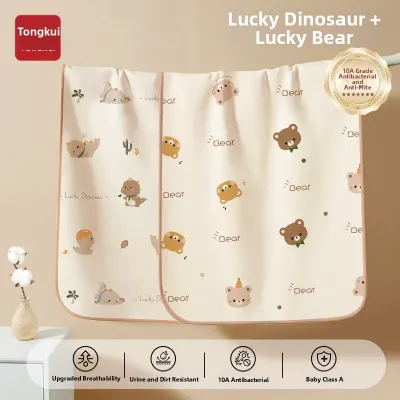
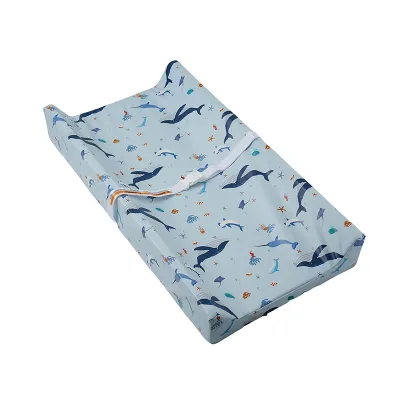
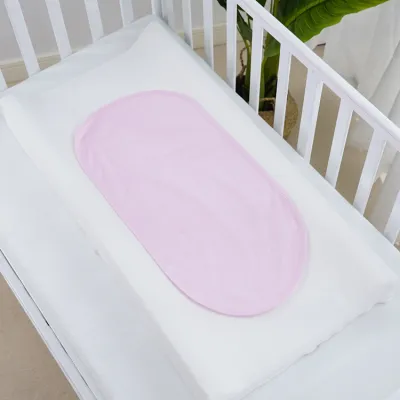
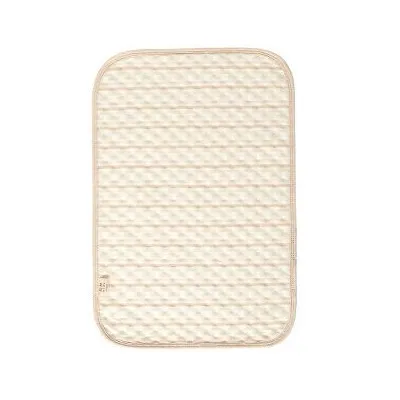
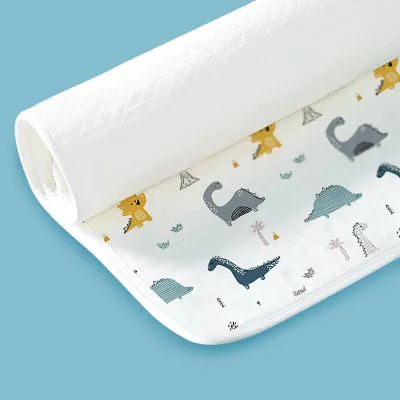
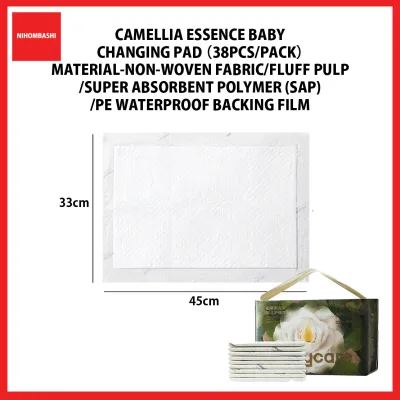
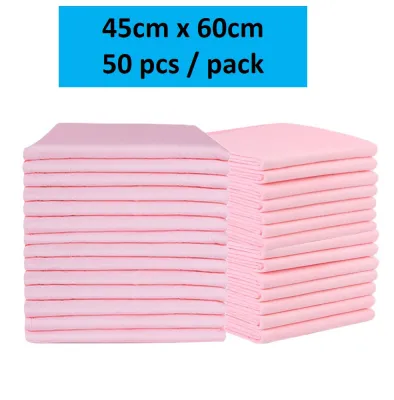
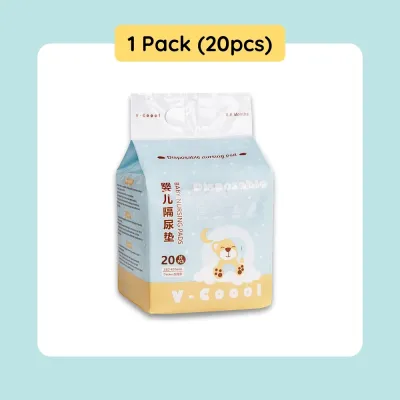
Prices are valid at publication and may change. Please refer to the product page for the latest price.
Core Safety Features
When evaluating any changing pad, safety must be your primary consideration. Look for models with contoured edges—typically raised sides that gently cradle your infant and discourage rolling. While these contours provide physical boundaries, they are not a substitute for active supervision. Additionally, look for pads equipped with secure safety straps that feature multi-point buckles to keep your baby positioned in the center of the pad. The underside of the pad should feature a robust, non-slip base or rubberized grips to prevent the pad from sliding across your dresser or changing table. Always verify the manufacturer’s documentation for specific weight and age limits, as these thresholds vary significantly between lightweight travel pads and heavy-duty foam models.
Material Composition and Hygiene
Diaper changes are inherently messy, making material choice a critical factor for daily hygiene. Changing pads generally fall into two categories: solid, wipe-clean materials or traditional pads that require fabric covers. If you prefer a quick cleanup, look for polyurethane foam or medical-grade elastomeric slip-resistant materials that can be wiped dry in seconds. If you choose a fabric-covered pad, ensure the cover is easily removable and machine-washable, and consider purchasing multiple covers to handle consecutive messes. Regardless of the style, always check product labels and manufacturer specifications to verify that the materials are non-toxic, phthalate-free, lead-free, and BPA-free, ensuring your baby’s sensitive skin does not come into contact with harmful chemical additives.
Selecting the Right Form Factor
Your choice of form factor should align with where and how you plan to change your baby.
- Standard Dresser-Top Pads: These are rigid, contoured pads designed to sit permanently on top of a nursery dresser or dedicated changing table. They offer maximum support and are ideal for primary changing stations.
- Portable Foldable Pads: These lightweight, flexible mats fold down into compact shapes, often featuring built-in pockets for diapers and wipes. They are designed for quick changes on the go or for moving around different rooms in your home.
- Travel-Friendly Changing Clutches: Ultra-compact options that fit easily into a diaper bag, providing a clean barrier when using public changing tables or outdoor spaces.
Ensuring Furniture Compatibility
A common oversight is purchasing a changing pad that does not match the dimensions of your nursery furniture. Before buying, carefully measure the top surface of the dresser, changing table, or shelf where you plan to place the pad. The changing pad must sit entirely flat on the surface without any overhang, as an overhanging edge can cause the pad to tip when weight is applied. Many standard pads measure approximately 80 cm by 40 cm, but European and American brands often use slightly different sizing standards. Ensure there is sufficient clearance on all sides, and if you are using a changing topper or wooden frame, verify that the pad fits snugly inside the frame without being compressed or warped.
Trusted Baby Changing Pad Brands Available in Singapore
The Singapore market offers a diverse selection of international baby brands, distributed through authorized nursery boutiques, official brand flagship stores, and reputable online marketplaces. Because product availability, specific model lines, and local pricing can fluctuate, it is always wise to verify current inventory, warranty terms, and local return policies before making your purchase.

Keekaroo (Wipe-Clean and Durable Foam Pads)
Keekaroo is highly regarded among parents who prioritize convenience and long-term durability. The brand is famous for its solid polyurethane foam changing pads, which completely eliminate the need for fabric covers or liners.
- Ease of Cleaning: The impermeable, water-resistant surface can be sprayed with baby-safe sanitizer and wiped dry immediately, making it highly hygienic and resistant to mold growth in Singapore's humid climate.
- Material and Construction: Made from high-density, soft-to-the-touch foam, these pads use the baby's own body weight to help keep the pad firmly in place, supported by a slip-resistant textured bottom.
- Considerations and Maintenance: These pads represent a higher initial financial investment compared to fabric-covered options. Over years of heavy use, you must inspect the surface regularly for deep scratches, punctures, or tears, as compromised foam can harbor moisture and bacteria. If the outer skin is punctured, stop using the pad and consult the manufacturer's care guidelines.
Skip Hop (Portable and Stylish Options)
Skip Hop focuses on modern, highly functional designs that cater to active families and contemporary nursery aesthetics. The brand offers both stationary silicone-style pads and highly portable travel changing kits.
- Convenience and Portability: Skip Hop's travel changing clutches fold flat, feature cushioned headrests, and include integrated mesh pockets to hold wipes and diapers, making them excellent for outings or trips to local parks.
- Wipe-Clean Interiors: Their portable mats feature laminated, easy-to-wipe interiors that dry quickly, minimizing the risk of dampness when packed back into a diaper bag.
- Usage Boundaries: While portable pads are highly versatile, they should not be used on elevated surfaces—such as beds, sofas, or dressers—without a secure, non-slip backing or active physical restraint. Always use portable mats on flat, stable ground-level surfaces whenever possible to prevent falls.
Puj (Ergonomic and Space-Saving Designs)
Puj is known for its minimalist, space-saving baby gear designed to simplify early parenthood. Their changing pads focus on ergonomic comfort and smart storage, making them a popular choice for compact apartments.
- Ergonomic Contours: Puj pads feature unique, gentle contours designed to cradle your infant securely, providing a sense of safety and reducing wiggle room during changes.
- Space-Saving Functionality: Many Puj designs are made from lightweight, flexible materials that can fold flat or hang on a wall hook when not in use, freeing up valuable surface space in smaller rooms.
- Verification Checks: Because these pads prioritize lightweight, flexible materials, you must check the manufacturer's specified weight limits and recommended age ranges. Regularly inspect the folding joints or creases for signs of material fatigue or cracking to ensure the structural integrity remains intact.
Hatch (Multi-Functional Nursery Furniture)
Hatch offers integrated nursery solutions where the changing pad is designed as part of a larger, cohesive furniture system. This approach is ideal for parents looking to invest in long-term nursery setups.
- Seamless Integration: Hatch changing pads are designed to fit perfectly within their corresponding dresser toppers or changing tables, eliminating any worries about sizing compatibility or sliding.
- Transition and Longevity: Once your child outgrows the diaper-changing phase, these systems typically allow you to remove the changing topper, transitioning the piece into a standard dresser or storage shelf that can be used throughout childhood.
- Critical Safety Requirement: Because these systems involve heavy wooden furniture, you must securely anchor the underlying dresser or shelf to the wall using appropriate anti-tip hardware. Never place a heavy changing pad on an unanchored dresser, as the combined weight of the pad, your baby, and pulling open drawers can cause the furniture to tip forward.
Comparing Materials and Designs for Your Nursery Space
Choosing between different changing pad designs often comes down to a trade-off between material performance, your daily routine, and the specific climate of your living space. In Singapore, where high humidity is a constant factor, these material differences become even more pronounced.
| Feature / Dimension | Polyurethane (PU) / Silicone Foam Pads | Fabric-Covered Foam Pads | Portable / Travel Foldable Mats |
|---|---|---|---|
| Primary Material | Solid molded polyurethane or silicone | Polyurethane foam core with cotton/polyester cover | Laminated polyester, nylon, or neoprene |
| Cleaning Method | Wipe clean with damp cloth and mild soap | Machine-wash cover; spot-clean inner foam | Wipe clean or hand-wash; air dry |
| Portability | Heavy, stationary; designed for dresser-top use | Moderate; best kept stationary but lighter to move | High; folds down compactly for travel or diaper bags |
| Ideal Space Type | Dedicated nursery, spacious dresser tops | Standard changing tables, traditional nurseries | Compact HDB flats, multi-story homes, on-the-go |
| Humid Climate Performance | Excellent; does not absorb moisture, dries instantly | Moderate; cover can hold moisture if not dried well | Excellent; synthetic fabrics dry quickly after washing |
The Impact of Singapore's Climate on Your Choice
Singapore’s tropical climate and high relative humidity play a significant role in how changing pad materials perform over time. Solid PU foam and silicone pads do not absorb ambient moisture, making them highly resistant to mold, mildew, and musty odors. However, because many Singaporean homes utilize air conditioning, these solid surfaces can feel cold to the touch when the AC is running, which might startle a newborn during night-time changes. You can easily mitigate this by placing a thin, breathable muslin cloth under your baby’s head and back.
Conversely, fabric-covered pads offer immediate warmth and a cozy texture, which can help soothe a fussy baby. The trade-off is that fabric covers absorb liquids and sweat quickly. In a humid environment, damp fabric covers can become breeding grounds for bacteria and dust mites if they are not laundered frequently. If you opt for fabric, ensure you have at least three replacement covers on hand so you can wash and thoroughly dry them—ideally in direct sunlight or a clothes dryer—before their next use.
Care and Maintenance Warnings
To preserve the lifespan of your changing pad and maintain its safety certifications, always read the care labels and manufacturer instructions before applying any cleaning agents. Many waterproof coatings on fabric covers or the outer skin of foam pads can degrade if exposed to harsh household disinfectants, rubbing alcohol, or bleach. Using unapproved chemicals can void your warranty and, more importantly, break down the protective barriers, leading to premature cracking, peeling, or chemical off-gassing.
Daily Safety Rules and Maintenance for Changing Stations
A beautifully designed changing station is only as good as the safety habits practiced around it. Implementing strict daily routines ensures your baby remains safe from falls and your changing environment stays hygienic.
The Golden Rule of Changing Table Safety
The single most important safety rule is to never leave your baby unattended on a changing pad, even for a split second. This rule applies regardless of whether your baby is strapped into a safety harness, and regardless of how young or immobile they may seem. Infants develop physical milestones—such as rolling over or wiggling forward—unexpectedly. A fall from an elevated changing pad can cause serious injury. Always keep one hand firmly on your baby at all times during a diaper change. Before you place your baby on the pad, gather all necessary supplies—including clean diapers, wipes, diaper rash creams, and a change of clothes—so they are within your arm’s reach. If you realize you forgot an item, pick your baby up and carry them with you; never walk away from an elevated changing station.
Routine Structural Inspections
Over months of daily use, the components of your changing pad can experience wear and tear. Establish a habit of inspecting the changing pad weekly:
- Safety Straps and Buckles: Check that the plastic buckles snap securely and do not slip when pulled. Inspect fabric straps for fraying or loose stitching.
- Velcro and Fasteners: Clean lint and dust out of velcro strips to ensure they maintain strong adhesion.
- Non-Slip Bottom Grips: Wipe down the underside of the pad and the top of the dresser to remove dust and oil buildup, which can cause the pad to lose its grip and slide. If the non-slip material has peeled or worn away, replace the pad or secure it using the manufacturer's recommended mounting hardware.
Safe Cleaning Boundaries
Keep your cleaning routine gentle to protect both your baby’s skin and the integrity of the changing pad. Use mild, baby-safe detergents or water-based wipes for daily cleanups. Avoid using abrasive scrubbing sponges, steel wool, or harsh chemicals like bleach and ammonia, which can create micro-tears in foam surfaces or strip away waterproof laminates. If a deep clean is necessary, follow the manufacturer’s specific dilution ratios and rinse the surface thoroughly with clean water to ensure no chemical residue is left behind.
Furniture Anchoring and Stability
If your changing pad is placed on a dresser, chest of drawers, or changing table, the furniture itself presents a potential tipping hazard. As drawers are opened and weight is applied to the top, the center of gravity shifts. You must securely anchor the furniture to the wall using heavy-duty anti-tip straps or wall-mounting brackets. Ensure the anchors are drilled into wall studs or secured with appropriate wall plugs suitable for your home’s wall material (such as concrete anchors for HDB masonry walls).
Frequently Asked Questions (FAQ)
Do I really need a dedicated changing table, or can I use a dresser?
You do not need a dedicated changing table; repurposing a sturdy, waist-height dresser is a highly popular, space-saving, and cost-effective alternative in Singapore homes. A dresser offers excellent storage for baby essentials and can be used long after your child outgrows diapers. However, if you use a dresser, you must ensure the changing pad is securely attached or has a highly effective non-slip base, and the dresser itself must be securely anchored to the wall using anti-tip hardware to prevent tipping accidents.
How long can a baby use a standard changing pad?
Most standard changing pads are designed to support babies up to a weight limit of approximately 13 to 15 kg, which typically aligns with 12 to 24 months of age. However, age is a secondary factor to physical mobility. You should stop using an elevated changing pad immediately if your baby can easily roll over, sit up unassisted, pull themselves up, or attempt to climb out of the pad, regardless of their weight. At this stage, transitioning to changing your baby on a clean mat on the floor is the safest option.
Are wipe-clean foam pads safer than fabric-covered ones?
Both wipe-clean foam pads and fabric-covered pads are safe when used under constant caregiver supervision and according to the manufacturer’s guidelines. Foam pads offer hygiene advantages because they do not absorb liquids, making them easier to sanitize and highly resistant to mold and dust mites in humid climates. Fabric-covered pads offer a warmer, softer surface but require diligent laundering to maintain hygiene. The safety of a changing pad depends on its physical features—such as high contoured sides, secure straps, and a non-slip base—and the constant presence of a caregiver, rather than the surface material alone.
Community discussion
Share your experience or ask a question. Comments are reviewed before publication.