
Selecting a baby changing mat is one of the most frequent daily interactions a parent will have during their child’s early years. With diaper changes occurring up to ten or twelve times a day in the first few months, the durability, safety, and hygiene of this nursery staple are paramount. In Singapore, where high humidity and compact living spaces influence purchasing decisions, finding a trusted changing mat requires looking beyond marketing claims to evaluate physical construction and material safety.
A trusted changing mat brand is defined not by popularity alone, but by its commitment to transparent material sourcing, rigorous safety testing, and functional design. Because a changing mat comes into direct contact with a baby’s delicate skin during vulnerable moments, parents must understand how to assess these products independently. This guide outlines the essential criteria for evaluating changing mat brands, compares the most common structural designs, and provides a practical framework for verifying safety and quality before and after purchase.
How Parents Evaluate Changing Mat Brand Trustworthiness
When assessing the reliability of a changing mat brand, experienced parents look for concrete indicators of quality rather than relying solely on brand names. The first and most critical factor is material safety. Because infants have sensitive skin and are prone to absorbing environmental toxins, trusted brands will proactively disclose their material compositions and list compliance with international safety standards. Parents should look for certifications such as OEKO-TEX Standard 100 for textiles, or verification that the plastics used are free from harmful phthalates, bisphenol A (BPA), lead, and heavy metals. These certifications indicate that the materials have undergone independent laboratory testing to ensure they do not off-gas harmful chemicals.
Products mentioned in this guide
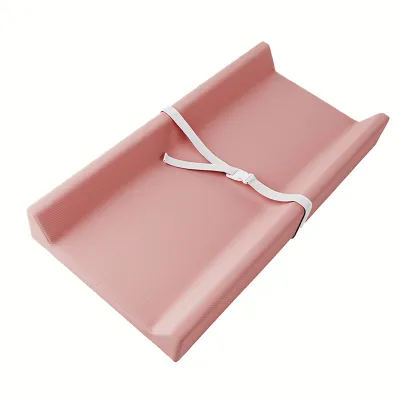
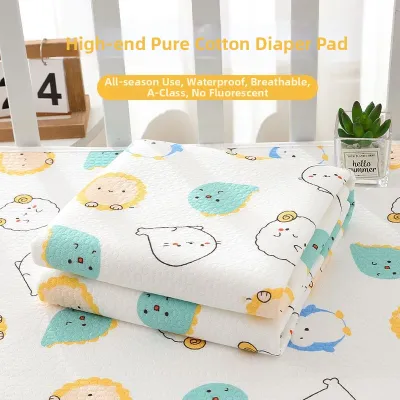
Prices are valid at publication and may change. Please refer to the product page for the latest price.
Durability is another key pillar of brand trust. A high-quality changing mat must withstand constant pressure, frequent wiping, and occasional exposure to acidic liquids without degrading. Parents can evaluate durability by examining the construction of the seams and the resilience of the inner foam. Welded or heat-sealed seams are generally superior to stitched seams, as they prevent liquids from seeping into the inner cushioning, which can lead to internal mold growth. Additionally, high-density polyurethane or specialized nursery-grade foam should bounce back immediately when compressed; low-quality foam will quickly flatten, reducing both comfort and safety.
Finally, parent reviews play a vital role in identifying long-term performance issues that may not be apparent at the time of purchase. When analyzing reviews, look for consistent feedback regarding how the mat handles daily wear and tear over six to twelve months. Pay close attention to reports of surface peeling, cracking along the folds, or persistent chemical odors. Brands that consistently receive positive feedback for maintaining their structural integrity and hygiene over multiple years of use are generally the most reliable choices for growing families.
Common Types of Trusted Changing Mats and Their Features
Baby changing mats come in several distinct designs, each engineered to suit different parenting styles, nursery configurations, and spatial constraints. Understanding the structural differences between these options allows parents to select a model that integrates seamlessly into their daily routines while prioritizing their baby’s comfort and security.

Wipe-Clean and Waterproof Options
Wipe-clean changing mats are designed for maximum convenience, featuring non-porous outer covers that can be sanitized instantly after a diaper change. These mats typically utilize materials like thermoplastic polyurethane (TPU) or phthalate-free polyvinyl chloride (PVC) to create an impermeable barrier against liquids. The primary advantage of a waterproof surface is that it eliminates the need for frequent machine washing, allowing parents to maintain a hygienic environment with a simple swipe of a baby-safe disinfectant wipe.
However, parents should carefully evaluate the surface texture of these mats. Some waterproof materials can feel cold and stiff, particularly in air-conditioned rooms, which may cause discomfort or fussiness during changes. To mitigate this, some trusted brands offer textured, soft-touch waterproof coatings that feel warmer against the skin, while others design their mats to be used with removable, washable fabric covers. When using a cover, it is essential to ensure it fits snugly and does not interfere with the mat’s non-slip properties.
Padded and Contoured Safety Designs
Contoured changing mats, often referred to as wedge mats, feature raised sides that slope downward toward a flat center. This physical structure is designed to help keep the baby centered on the mat, reducing lateral movement and providing a clear physical boundary during diaper changes. The foam density in these mats is critical; it must be firm enough to support the baby’s spine and prevent them from sinking completely to the hard surface underneath, yet soft enough to provide adequate cushioning.
While contoured designs offer excellent physical boundaries, they must never be viewed as a substitute for active caregiver supervision. A baby can roll or wiggle unexpectedly, and even the deepest contoured edges cannot guarantee a child will remain in place. Caregivers must maintain physical contact with the baby at all times during a change, regardless of the mat’s design or safety features.
Portable and Travel-Friendly Mats
For families on the go, portable changing mats offer a lightweight, compact solution that fits easily into diaper bags or stroller compartments. These mats are typically foldable or rollable, often featuring integrated carrying straps, storage pockets for diapers and wipes, and water-resistant surfaces. They are invaluable for maintaining hygiene when using public changing stations in shopping malls or transit hubs.
The primary trade-off with portable mats is the thickness of the padding. To remain compact and travel-friendly, these mats feature very thin foam or simple quilted fabric layers, offering minimal cushioning compared to stationary nursery mats. Additionally, because they are folded and unfolded frequently, the seams and crease lines are subject to high stress, making durable construction and tear-resistant materials essential for long-term use.
Key Safety and Comfort Features to Verify Before Buying
Before finalizing a changing mat purchase, parents must perform a thorough check of several physical and structural specifications to ensure the product is safe and compatible with their home setup. The first safety feature to verify is the presence of a non-slip base. A changing mat placed on a wooden dresser or a dedicated changing table must remain firmly anchored in place, even when the baby is wiggling. Look for mats with rubberized grip dots, textured silicone undersides, or integrated safety straps that can be physically anchored to the furniture.
Chemical safety is another non-negotiable factor. Because a baby’s skin is highly permeable, parents should verify that the mat’s materials are free from volatile organic compounds (VOCs), formaldehyde, and heavy metals. Trusted manufacturers will provide clear documentation or product labels indicating compliance with safety standards such as the Consumer Product Safety Improvement Act (CPSIA) or European safety regulations. If a brand does not explicitly state its chemical safety standards, it is best to look for an alternative that does.
Sizing and physical compatibility are equally critical. Parents must measure the top surface of their changing table, chest of drawers, or cot-top changer before purchasing a mat. The changing mat must fit entirely within the flat boundaries of the furniture surface, with no overhanging edges. An overhanging mat can easily tip or slide when weight is applied to the edge, posing a severe fall hazard. Additionally, if using a wooden changing frame, ensure the mat’s dimensions allow for a snug fit without compressing the foam excessively, which could distort the mat’s shape and compromise its safety features.
Where to Buy and What to Check Upon Delivery
In Singapore, parents have access to a wide range of purchasing channels, each offering distinct advantages. Purchasing directly from official brand stores or authorized physical baby boutiques is highly recommended, as it guarantees product authenticity and provides access to reliable customer support and warranty services. Physical stores also allow parents to personally inspect the foam density, surface texture, and overall build quality before making a financial commitment.
While online marketplaces and specialized e-commerce platforms offer convenience and competitive pricing, parents must exercise caution. When buying online, ensure the seller is an authorized distributor to avoid counterfeit products that may use substandard, toxic materials.
Upon delivery, perform a meticulous inspection of the changing mat before using it with your baby. Begin by checking for any manufacturing defects, such as loose stitching, unsealed seams, or misaligned safety straps. Gently press down on the foam to ensure it recovers its shape quickly and does not bottom out. Next, check for any strong, pungent chemical odors, which can indicate excessive off-gassing of volatile organic compounds. While a mild “new product” scent is common, a strong chemical smell that persists after a few hours of airing out is a red flag. Finally, verify that all safety labels, care instructions, and material disclosures are clearly printed on the packaging or the mat itself. If the product lacks clear safety labeling or does not match the advertised specifications, contact the retailer immediately to arrange a return or exchange.
Daily Maintenance and Hygiene Practices
To prolong the lifespan of a baby changing mat and maintain a hygienic environment, parents must establish a consistent cleaning and maintenance routine. The choice of cleaning agents is critical; harsh chemicals such as bleach, ammonia, or abrasive scouring powders can degrade the waterproof polyurethane or PVC coating, leading to cracking and peeling over time. Instead, use a mild, baby-safe dish soap diluted with warm water, or alcohol-free, fragrance-free sanitizing wipes. Always wipe down the surface gently, avoiding excessive scrubbing that could wear away protective finishes.
Proper drying is essential, particularly in Singapore’s warm and humid climate. Moisture trapped in the crevices of contoured mats, along stitched seams, or underneath the mat can quickly become a breeding ground for mold, mildew, and bacteria. After cleaning, wipe the mat dry with a clean, lint-free cloth and allow it to air dry completely in a well-ventilated area before placing it back on the changing table or folding it for storage. Avoid exposing the mat to direct, intense sunlight for extended periods, as UV rays can discolor materials and cause plastics to become brittle.
Regularly inspect the changing mat for signs of wear and tear that could compromise its safety or hygiene. Over months of use, look for cracking, deep scratches, peeling surfaces, or flattened foam sections. If the waterproof outer layer is punctured or cracked, moisture and biological fluids can seep into the internal foam. Once the inner foam is contaminated, it cannot be effectively sanitized, creating a persistent hygiene hazard. If you observe any compromised surfaces or structural degradation, the mat must be replaced immediately to protect your baby’s health and safety.
Frequently Asked Questions (FAQ)
How often should I replace a baby changing mat?
There is no fixed timeline for replacing a baby changing mat, as its lifespan depends heavily on the frequency of use, cleaning methods, and material quality. Instead of relying on the age of the mat, parents should monitor its physical condition. A changing mat must be replaced immediately if you observe deep tears, peeling of the waterproof coating, persistent mold or mildew stains, or if the inner foam loses its resilience and fails to support the baby’s weight. Using a compromised mat compromises hygiene and safety, making regular physical inspections essential.
Are contoured changing mats safer than flat ones?
Contoured changing mats provide a helpful physical boundary that can assist in keeping a baby centered during diaper changes, making them a popular choice for many parents. However, they are not inherently safer than flat mats, as both designs require the exact same level of caregiver supervision. A flat mat equipped with a secure safety strap and a non-slip base can be highly effective, particularly for older, more active infants who may attempt to roll over the raised edges of a contoured mat. Ultimately, the safety of any changing setup depends on the caregiver maintaining constant, hands-on contact with the baby throughout the entire process.
Community discussion
Share your experience or ask a question. Comments are reviewed before publication.