
Parents in Singapore seeking a 360 rotating car seat will find several globally recognized brands widely available through authorized local distributors. Brands such as Maxi-Cosi, Joie, Cybex, and Britax Römer are frequently stocked by major physical baby boutiques and official online storefronts across the island. These manufacturers are known for producing seats that comply with stringent international safety regulations, making them popular choices for local families.
However, choosing the right seat goes beyond brand recognition. It requires verifying specific safety certifications, assessing vehicle compatibility, and ensuring robust local after-sales support. A 360-degree rotating car seat offers immense convenience for loading and unloading your child, but it must be selected based on your child’s current weight and height, your vehicle’s physical layout, and official safety standards.
Assessing the Practical Value of 360 Rotation
Loading a wriggling infant or toddler into a car seat can strain a caregiver’s back, especially in tight parking spaces common in Singapore’s multi-story car parks. The primary benefit of a 360-degree rotating mechanism is the ability to turn the seat toward the open car door. This allows you to buckle and adjust the harness comfortably from a front-facing position before rotating the seat into its safe travel orientation.
Products mentioned in this guide
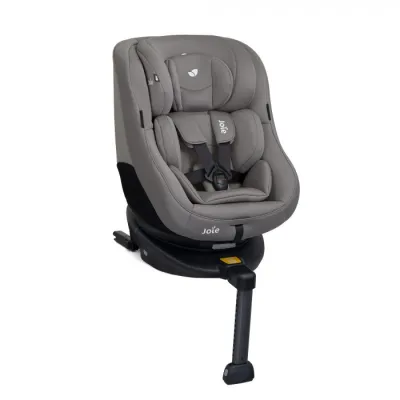
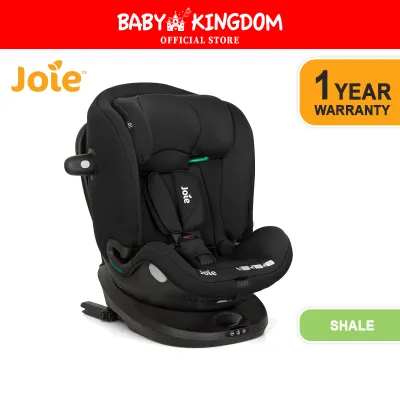
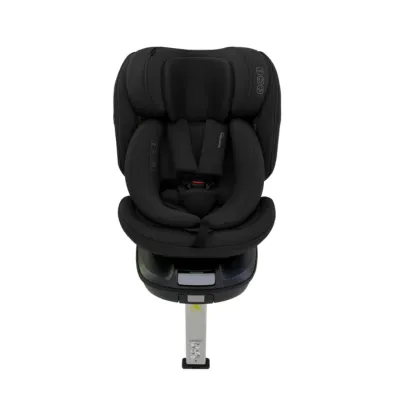
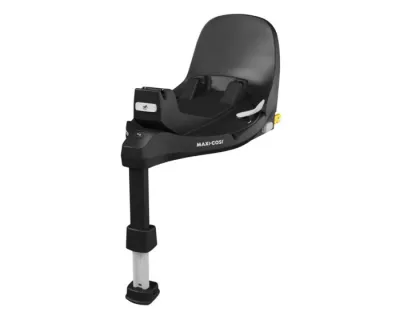
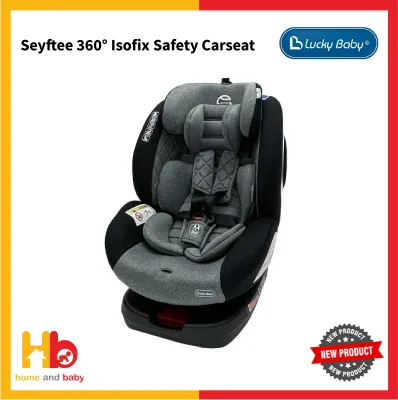
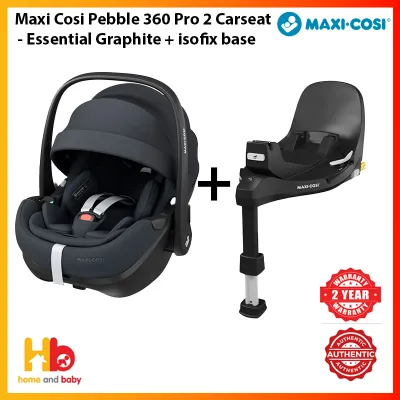
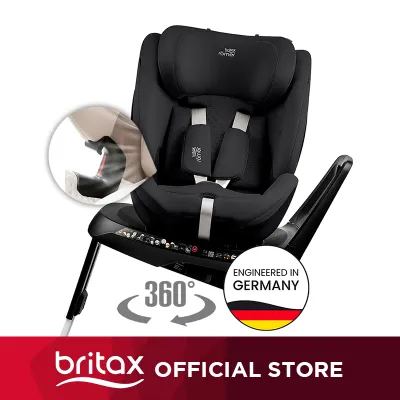
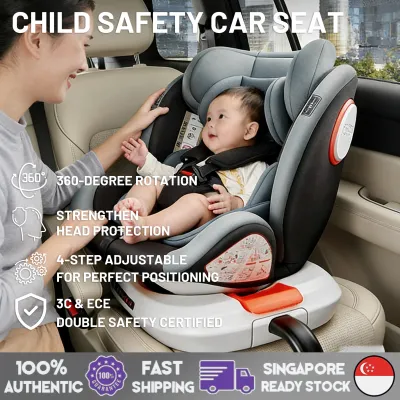
Prices are valid at publication and may change. Please refer to the product page for the latest price.
While highly convenient, rotating car seats are typically heavier and bulkier than fixed models due to the integrated rotating base. This extra volume can restrict legroom for front-seat passengers or limit space for other backseat occupants. In compact sedans or hatchbacks popular in urban environments, a large rotating base may press against the front seats, so measuring your vehicle’s cabin space is essential.
It is important to distinguish between seats that rotate a full 360 degrees and those with limited swivel mechanisms. Full 360-degree models allow rotation at any recline angle and can face rearward, forward, or toward either side door. Limited swivel models may only turn 90 degrees to one side or require the seat to be in a specific reclined position to rotate. Always check the manufacturer’s manual to understand the exact rotation limits and requirements.
Decoding Safety Standards and Certification Labels
When shopping for a car seat in Singapore, you will encounter European safety standards, which are widely accepted locally. The older ECE R44/04 standard categorizes seats by the child’s weight groups. The newer ECE R129 (often referred to as i-Size) standard classifies seats based on the child’s height, mandates side-impact testing, and requires rear-facing travel until at least 15 months of age. While both standards are legally acceptable, the i-Size standard offers updated safety testing methodologies.

Every approved car seat must carry an orange United Nations (UN) approval label, typically found on the back or underside of the seat shell. This label displays the standard code (such as ECE R129 or R44/04), the approved height or weight range, and an “E” mark inside a circle followed by a number indicating the country that granted approval. Carefully inspect the physical seat to ensure this label is present, legible, and untampered with.
In Singapore, the law requires anyone under 1.35 meters in height to be secured with an approved child restraint appropriate for their height and weight when traveling in a motor vehicle. While taxis are exempt from this rule, private hire vehicles are not exempt. If you frequently use private hire services, consider the portability and installation speed of your chosen rotating seat, as most 360-degree models are heavy and designed for permanent installation in a personal vehicle.
Evaluating Brand Reputation and Local Support
Purchasing a car seat from an authorized local distributor ensures that the product has been officially imported and complies with local safety guidelines. Authorized distributors work directly with global manufacturers to handle product recalls, provide genuine replacement parts, and offer technical assistance. When browsing brands, verify that the retailer is an authorized partner to avoid purchasing unverified stock.
A car seat is a long-term safety investment that may be used for several years. Having access to a local service center is invaluable if you experience issues with the rotating mechanism, harness buckles, or fabric covers. Check the warranty terms offered by the local distributor, which typically cover manufacturing defects. Be aware that parallel imports—products bought from overseas sellers and shipped to Singapore—rarely qualify for local warranty support or repair services.
While parallel imports might sometimes appear cheaper upfront, they carry significant risks. These seats may not conform to the specific safety standards approved for use in Singapore, and they might lack English-language instruction manuals. Furthermore, if a manufacturer issues a safety recall, parallel import buyers may not be notified or covered by local replacement programs. Investing in officially supported global brands provides peace of mind and reliable customer service.
Comparing Key Specifications for Your Shortlist
Look for a car seat with a user-friendly harness system that can be adjusted smoothly. A five-point harness is standard for optimal safety. Many modern 360 rotating seats feature a one-pull harness adjustment mechanism and a headrest that adjusts simultaneously with the shoulder straps. Test how easily you can operate these adjustments, ideally with one hand, as you will be doing this daily as your child grows.
For newborns, a deep recline angle is crucial to prevent their head from flopping forward, which can restrict their airway. Ensure the seat includes a supportive, removable newborn insert designed to keep the infant’s spine in a natural position. Additionally, evaluate the seat’s side-impact protection features, such as energy-absorbing shells or deployable side bumpers, which help absorb forces during a collision.
Singapore’s hot and humid climate means your child can easily overheat in a car seat. Look for brands that utilize breathable, moisture-wicking fabrics, mesh ventilation panels, or built-in air circulation systems within the seat shell. Removable and machine-washable covers are also essential for managing sweat, spills, and diaper leaks over years of use.
Most 360 rotating car seats require an ISOFIX installation system combined with a support leg or a top tether to stabilize the rotating base. A support leg extends from the base to the vehicle floor, preventing the seat from tipping forward in an impact. Before purchasing, verify that your vehicle has accessible ISOFIX anchor points and that your car’s floor plan does not have underfloor storage compartments, which can compromise the safety of a support leg.
Navigating Purchasing Channels and Verifying Authenticity
Shopping at established physical baby boutiques in Singapore allows you to touch the fabrics, test the rotating mechanism, and even try installing the seat in your car. If you prefer shopping online, stick to official flagship stores on major online marketplaces or the direct websites of authorized local distributors. This ensures you receive a genuine product backed by local customer service.
Be cautious of unusually low prices on online marketplaces or third-party classified sites. If a premium 360 rotating car seat is listed at a fraction of its typical retail price, it may be a counterfeit, a damaged unit, or an expired model. Avoid purchasing from sellers who cannot provide clear information about the product’s origin, warranty, or manufacturing date.
Once your car seat arrives, inspect the packaging and the product thoroughly before use. Check for the manufacturer’s serial number, batch number, and manufacturing date, which are usually printed on a sticker attached to the seat shell. Register the product online with the official distributor or manufacturer immediately using these details to activate your warranty and ensure you receive any future safety or recall notices.
Installation Verification and Ongoing Maintenance
Correct installation is critical to the performance of any car seat. Most ISOFIX-compatible rotating seats feature color-coded indicators (turning from red to green) on the ISOFIX connectors and the support leg to confirm they are locked securely into place. Some models also include electronic or acoustic alarms that sound if the support leg loses contact with the vehicle floor. Always double-check these indicators before every journey.
To maintain the structural integrity of the car seat, follow the manufacturer’s cleaning instructions precisely. Never use harsh chemicals, bleach, or abrasive cleaners on the harness straps or buckle, as these can weaken the fibers or cause the locking mechanism to malfunction. Most fabric covers can be removed and hand-washed or machine-washed on a gentle cycle, but they must be completely dry before reassembly.
Car seats have a limited lifespan—typically between five to ten years from the date of manufacture—due to the natural degradation of plastic and foam materials over time. Locate the expiration date or manufacturing date on the seat shell and plan to replace the seat accordingly. Furthermore, any car seat involved in a moderate-to-severe collision must be replaced immediately, even if there is no visible damage, as internal micro-fractures can compromise its protective capabilities.
Frequently Asked Questions (FAQ)
Can I use a second-hand 360 rotating car seat?
It is generally not recommended to use a second-hand car seat because you cannot verify its complete history. Even if a seat looks perfect on the outside, it may have sustained internal structural damage during a previous accident or been cleaned with degrading chemicals. Additionally, older seats may be expired, missing critical parts, or lack updated safety manuals. A hand-me-down should only be considered if it comes from a trusted family member or friend who can guarantee the seat has never been in an accident, is well within its lifespan, and includes all original components.
Do 360 rotating car seats fit in all vehicle models?
No, 360 rotating car seats do not fit universally in all vehicles. Their bulky bases, support legs, and rotation clearance requirements mean they can be difficult to install in compact cars, vehicles with deeply contoured seats, or cars with underfloor storage compartments. Before buying, consult the car seat manufacturer’s official vehicle compatibility list to see if your specific car model is approved. It is highly recommended to visit a physical retail store in Singapore to test the physical installation in your vehicle before making a final purchase.
When should I switch from rear-facing to forward-facing?
You should keep your child in a rear-facing position for as long as possible, up to the maximum height or weight limits specified by the car seat manufacturer. Under the newer ECE R129 (i-Size) standard, children must remain rear-facing until at least 15 months of age, but extending this practice up to four years of age is highly recommended for optimal neck and spine protection. Do not transition your child to forward-facing based on age alone; always verify their physical measurements against the limits printed on the seat’s safety label.

Community discussion
Share your experience or ask a question. Comments are reviewed before publication.