
When shopping for baby gear in Singapore, ensuring that a travel cot meets stringent safety standards is paramount for protecting your infant from sleep-related hazards and structural failures. A travel cot, also widely known as a portable playpen or play yard, provides a convenient and flexible sleeping environment for families on the move, whether staycationing locally or visiting relatives. However, because these products are designed to fold, pack down, and utilize lightweight materials, their structural safety relies on precise engineering and strict compliance with international testing frameworks.
In Singapore, there is no single, mandatory local safety certification mark exclusively for travel cots. Instead, these products fall under the regulatory purview of Enterprise Singapore, which administers general consumer goods safety guidelines. To guarantee your baby’s protection, you should look for travel cots that carry verified compliance labels from recognized international standards, such as the European standard EN 716, the British standard BS EN 716, or the American standard ASTM F406.
Choosing a safe travel cot requires a proactive approach from parents, as marketing claims can often obscure the actual safety profile of a product. By understanding the regulatory landscape in Singapore, identifying physical design hazards, and knowing how to verify manufacturer specifications, you can make an informed decision that safeguards your child’s sleep environment.
Products mentioned in this guide
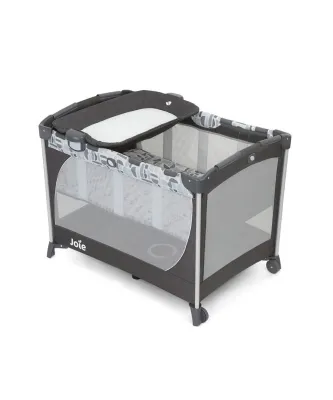
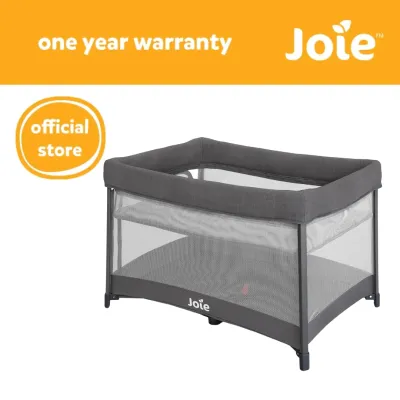
![[SG SELLER] COCOBABY Multifunctional Double-deck Rollaway Play Bed Playards Playpen Portable Baby Cribs Travel Folding Newborn Infant Kids Sleep Bed Installation free with Diaper changing table/Toy rack](https://img.lazcdn.com/g/p/bf8e2e27adf9d0291fb23354d52a0d4a.jpg_400x400q80.jpg_.webp)

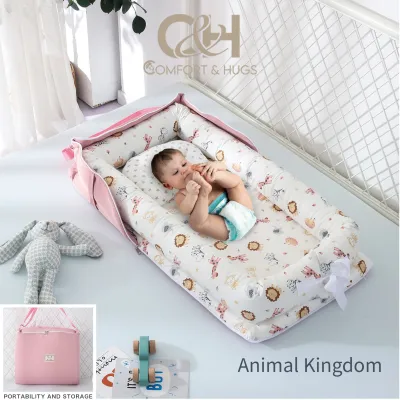

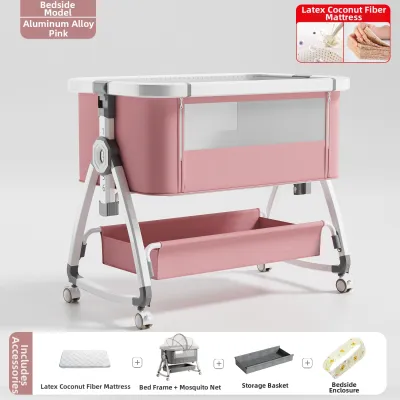

Prices are valid at publication and may change. Please refer to the product page for the latest price.
Understanding Baby Furniture Safety Requirements in Singapore
Enterprise Singapore oversees the safety of general consumer goods in the market through the Consumer Protection (Consumer Goods Safety Requirements) Regulations (CGSR). Under this framework, any consumer product sold locally must conform to safety standards set by recognized international or national standardization bodies. For baby furniture like travel cot models, this means the product must meet the safety specifications of established international testing regimes before it can be safely recommended for consumer use.
As a caregiver, it is vital to recognize that the primary responsibility for verifying product suitability lies with you. While local regulations prohibit the sale of unsafe goods, there is no active pre-market approval system that inspects every individual model imported into Singapore. Therefore, safety compliance is typically demonstrated through manufacturer declarations, physical product labels, and documentation showing that the specific cot model has passed testing against recognized frameworks like EN 716 or ASTM F406.
Relying solely on a brand’s reputation, promotional materials, or descriptions on online marketplaces is a common pitfall that parents must avoid. A well-known brand name or a high volume of positive online reviews does not guarantee that a specific travel cot model is free from design flaws or suitable for your child’s current developmental stage. Physical verification of safety labels, structural features, and official documentation is the only reliable way to ensure a product is safe.
When selecting a travel cot, prioritize models that are accompanied by comprehensive, clear, and easy-to-understand user manuals and prominent physical warning labels. These documents are not merely administrative; they contain essential instructions regarding weight limits, correct assembly sequences, and critical safety warnings. A manufacturer that invests in thorough documentation demonstrates a commitment to quality control and user safety, helping you avoid hazardous assembly mistakes.
Identifying Physical Hazards in Travel Cots
Evaluating a travel cot requires a keen eye for physical hazards that could lead to entrapment, suffocation, or structural collapse. By conducting a systematic visual and physical inspection of the cot’s design, you can identify potential safety risks before placing your baby inside.

Mattress Fit and Suffocation Risks
The mattress of a travel cot must be firm, flat, and fit snugly against all four sides of the frame with no significant gaps. If you can fit more than two fingers between the edge of the mattress and the cot side, the mattress is too small, creating a dangerous gap where an infant can become wedged and suffocate. Always use the original mattress supplied specifically for that travel cot model; never substitute it with a standard cot mattress or add extra padding, as these modifications can compromise the snug fit and safety of the sleep space.
Folding Mechanism Hazards
Because travel cots are designed for portability, they incorporate multiple folding joints and hinges that must be securely locked to maintain structural integrity. If these mechanisms are poorly designed or fail to lock completely, the cot can collapse unexpectedly while your baby is inside, posing a severe risk of physical injury or entrapment. Look for cots that feature a dual-locking system, which requires two distinct actions to release the frame, and ensure there are clear visual or tactile indicators—such as a physical click or a visible locking tab—confirming the frame is fully secured.
Mesh Siding Breathability and Integrity
The mesh fabric used on the sides of a travel cot must be tightly woven, durable, and free from any tears, fraying, or loose threads. The individual openings in the mesh should be small enough (typically less than 7mm) to prevent your baby’s fingers, toes, or small buttons from getting caught. Furthermore, the mesh must be securely stitched to the frame to withstand the weight of a rolling or leaning infant, ensuring that the material remains breathable even if the child’s face is pressed directly against it.
Structural Stability
A safe travel cot must feature a wide, stable base that prevents the unit from tipping over when your child stands up or leans against the sides. As babies grow into toddlers, they will naturally attempt to pull themselves up using the cot rails, shifting the center of gravity. Inspect the legs and support bars to ensure they are robust and spread wide enough to provide excellent stability, and verify that any built-in wheels can be securely locked to prevent accidental movement.
How to Verify Safety Labels and Manufacturer Specifications
Before making a purchase, parents should systematically verify the safety claims made by manufacturers and retailers rather than accepting them at face value. This verification process involves checking physical labels, cross-referencing manuals, and consulting official channels.
Reading the Physical Label
A compliant travel cot will feature a permanent, legible safety label affixed directly to the frame or the underside of the mattress base. This label must state the manufacturer’s name, the model number, the specific safety standard met (such as EN 716 or ASTM F406), and the maximum weight and height limits for the child. If these details are missing, printed on a removable tag, or written in a language you do not understand, the product should be avoided.
Cross-Referencing the Manual
Carefully review the user manual to ensure that the physical locking mechanisms and assembly steps match the manufacturer’s documented safety procedures. The manual should provide clear, step-by-step illustrations showing how to secure the frame, install the mattress, and use any included accessories like a bassinet insert. If the instructions are vague, incomplete, or poorly translated, it suggests a lack of rigorous quality control, and the cot may not be safe for use.
Checking Official Channels
Take the time to visit the manufacturer’s official website to review their safety testing declarations, compliance statements, and user guides. Additionally, search international safety databases—such as the US Consumer Product Safety Commission (CPSC) or the European Union’s Safety Gate—to check for any active recall notices or safety alerts associated with the specific model. This step is particularly important in Singapore, where many baby products are imported from various global markets.
Red Flags for Rejection
You should immediately reject any travel cot that exhibits clear indicators of substandard manufacturing or safety neglect. These red flags include the complete absence of physical safety labels, a lack of specified weight or height limits, missing or poorly translated instruction manuals, and unverified safety claims made by third-party online sellers. If a display model or a pre-owned unit shows stiff locking joints, loose fabric, or a wobbly frame, do not purchase or use it.
Safe Setup, Usage, and When to Stop Using the Cot
Even the safest travel cot can become hazardous if it is assembled incorrectly or used beyond its developmental limits. Establishing safe setup habits and recognizing when to transition your child to a different sleep space are critical steps in injury prevention.
Assembly Verification
Every time you set up the travel cot, perform a physical check of all locking joints and hinges before placing your baby inside. A crucial step in the assembly sequence for most travel cots is to lock the top rails into place before pushing down the center of the floor; failing to follow this sequence can prevent the locks from engaging fully. Once assembled, press down firmly on the center of the cot floor and shake the top rails to verify that every lock is securely engaged and cannot be accidentally released.
Environmental Safety
The placement of the travel cot within a room is just as important as its structural safety. Position the cot well away from windows, where blind cords, curtain strings, or window locks pose severe strangulation and climbing hazards. Ensure the cot is kept clear of electrical outlets, baby monitor cords, heaters, and any heavy objects on nearby shelves or tables that could fall into the sleep space. Additionally, keep the area around the cot free of chairs or other furniture that an older child could use to climb into the cot.
Clear Stopping Conditions
A travel cot is designed for temporary use and has a limited operational lifespan based on your child’s physical development. You must stop using the cot immediately if your baby reaches the manufacturer’s stated weight limit (typically around 14kg to 15kg) or a height of 86cm. Other clear, observable stopping conditions include when your child shows the physical ability to climb out of the cot, can pull themselves up to a standing position, or if you notice any visible wear, tearing, or stiffness in the locking mechanisms.
Handling Defects
If you discover any structural failure, broken hinges, torn mesh, or malfunctioning locks during use, immediately stop using the travel cot and do not attempt a temporary or makeshift repair. Never use tape, glue, or non-original parts to fix a compromised travel cot, as these repairs can fail unexpectedly under your child’s weight. Instead, consult the manufacturer’s care instructions and contact their authorized distributor or customer service department in Singapore to discuss professional repairs, replacement parts, or warranty claims.
Frequently Asked Questions (FAQ)
Is it safe to add an extra mattress to a travel cot?
No, it is highly dangerous to add an extra mattress, topper, pillow, or soft padding that was not explicitly provided and approved by the travel cot’s manufacturer. Travel cots are designed to be used only with the firm, thin mattress supplied with the unit, which is engineered to fit the frame precisely. Adding an aftermarket mattress creates flexible gaps between the mattress edge and the mesh walls, where an infant can easily roll, become trapped, and suffocate.
Can I use a second-hand travel cot for my baby?
Using a second-hand travel cot is acceptable only if you can thoroughly verify its safety history and physical condition. You must inspect all hinges, locks, mesh panels, and the support frame for any signs of structural fatigue, wear, or damage. Ensure that the original user manual is included so you can verify the correct assembly sequence and weight limits, and cross-reference the model number on the manufacturer’s website to confirm that the cot has not been subject to any safety recalls.

Community discussion
Share your experience or ask a question. Comments are reviewed before publication.