
Starting your baby’s weaning journey is an exciting milestone, but preparing fresh, nutritious purees daily can quickly become a time-consuming chore. For many parents in Singapore, a dedicated baby food maker is the ultimate kitchen helper, combining steaming and blending into a single, compact appliance. When shopping for the right machine, you will inevitably encounter three major brands: Toyomi, Beaba, and Philips Avent. Each brand approaches infant meal preparation differently, offering distinct advantages in terms of functionality, design, and cost. Choosing the right one requires looking beyond the brand name to evaluate how each appliance fits into your daily kitchen routine, your budget, and your long-term feeding goals.
Quick Answer: Which Baby Food Maker Should You Choose?
The ideal baby food maker for your household depends on your specific priorities regarding budget, kitchen space, and automation. If you are looking for a highly functional, budget-friendly option that gets the job done without a premium price tag, the Toyomi baby food maker is an excellent entry-level choice. It provides the essential steaming and blending functions in a compact footprint, making it ideal for smaller kitchens or parents who want a straightforward, no-frills appliance.
For parents seeking a reliable, mid-range workhorse, Philips Avent offers a highly balanced option. Known for its intuitive design—often featuring a clever flip-over system that transitions from steaming to blending without transferring food—it prioritizes daily convenience and consistent performance.
Products mentioned in this guide
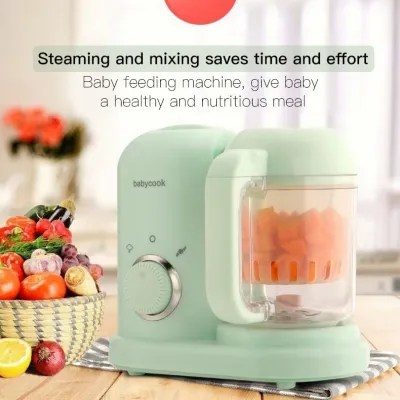
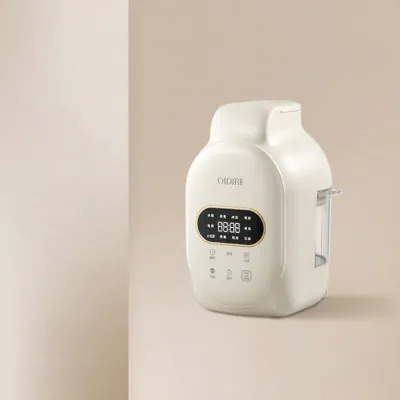
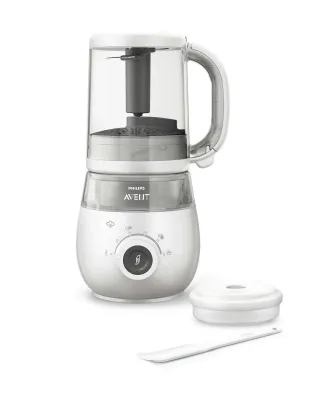
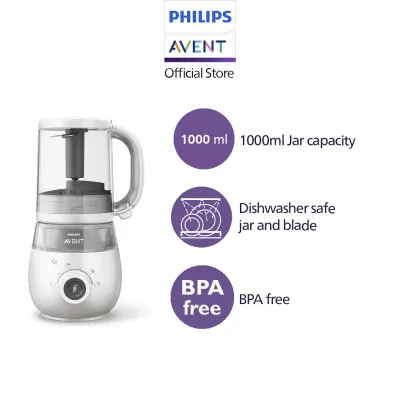
![[NEWLY UPGRADED] TOYOMI NourishMix All-In-One Baby Food Maker BBF 7003](https://img.lazcdn.com/g/p/71065d29f0e3e108344a7919d97f50dc.png_400x400q80.png_.webp)
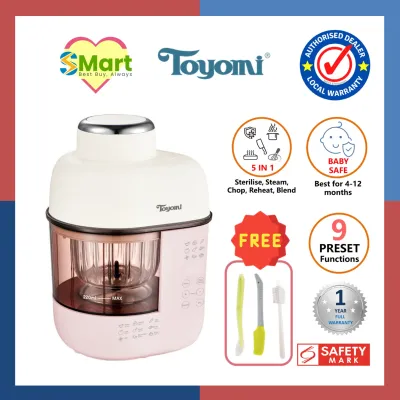
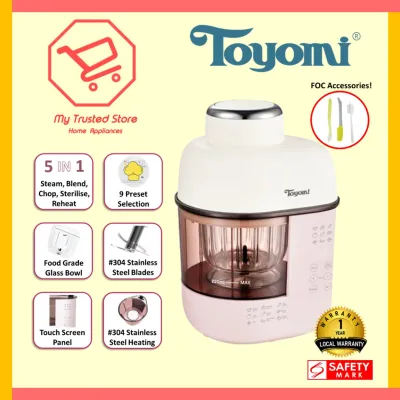
Prices are valid at publication and may change. Please refer to the product page for the latest price.
If you have a flexible budget and value premium aesthetics, advanced digital controls, and larger batch capacities, Beaba is the standout choice. With its sleek French design and multi-functional capabilities, it serves as a high-end kitchen statement piece that offers precise control over the cooking process. Ultimately, the best machine is the one that aligns with your financial limits, your countertop space, and how much hands-on monitoring you want to do during meal prep.
Steaming and Blending Performance Compared
Blending Power and Texture Consistency
Achieving the right texture is critical during the different stages of weaning, starting from ultra-smooth, runny purees for early stages to chunkier, textured blends as your baby develops chewing skills. The blending performance of these machines is largely determined by their motor wattage and blade design. While premium models often feature higher-wattage motors that can pulverize tough ingredients into a velvety consistency in seconds, entry-level models like Toyomi still deliver sufficient power for standard fruits and vegetables. When comparing models, it is highly recommended to check the manufacturer’s technical specifications for the exact motor wattage, as this directly influences how quickly and smoothly the blades can process denser ingredients.

Steaming Efficiency and Heat Distribution
Steaming is the preferred cooking method for baby food because it preserves essential vitamins and minerals that can otherwise leach out during boiling. Efficient steam distribution ensures that meats, fish, fruits, and vegetables are cooked evenly throughout, eliminating cold spots that could harbor bacteria. Philips Avent and Beaba utilize specialized steam circulation paths designed to cook food thoroughly while retaining the nutrient-rich cooking juices, which can then be blended back into the puree. Toyomi’s steaming mechanism is highly straightforward, utilizing a classic steam basket setup that cooks ingredients reliably, though you may need to cut harder vegetables into smaller, uniform pieces to ensure even heat penetration.
Noise Levels During Operation
Because parents often prepare baby meals during nap times or late at night, operational noise is a significant daily consideration. Steaming is virtually silent across all three brands, producing only a gentle bubbling or hissing sound as water heats up. However, the blending phase introduces high-speed motor noise. While no baby food maker is completely silent, premium models from Beaba and mid-range options from Philips Avent often incorporate better sound insulation around the motor housing, resulting in a lower-pitched, less disruptive whir. Toyomi’s budget-friendly design may produce a slightly louder, more mechanical sound during blending, which is worth keeping in mind if your kitchen is located close to your baby’s sleeping area.
Ingredient Limitations and Pre-Chopping
Regardless of the brand you choose, baby food makers are not industrial-strength blenders. Extremely fibrous ingredients like celery, tough meats, or hard, uncooked root vegetables can strain the motor and dull the blades over time. To protect your appliance and ensure a smooth blend, you must pre-chop ingredients into small, even cubes (typically around one to two centimeters) before placing them in the steaming basket. Always consult the manufacturer’s food preparation guidelines for specific recommendations on ingredient sizes and maximum capacities to prevent overloading the motor or clogging the steam vents.
Capacity, Design, and Daily Usability
Bowl Capacity and Batch Cooking
Your meal preparation strategy will dictate the bowl capacity you need. If you prefer to make fresh, single-serve meals every day, a smaller capacity is perfectly adequate. However, if you plan to practice batch cooking—preparing a week’s worth of purees to freeze in silicone trays—you will require a larger bowl. Beaba is highly regarded for its generous bowl capacities, with some dual-cup models allowing you to steam two different meals simultaneously. Philips Avent offers a moderate capacity that easily accommodates two to three portions, while Toyomi typically features a compact bowl size optimized for fresh, daily portions or small-batch preparation, making it highly efficient for parents who prefer not to store frozen leftovers.
Footprint and Kitchen Space Integration
In Singapore, where kitchen countertop space is often at a premium in HDB flats and condominiums, the physical footprint of an appliance is a major decision factor. A bulky machine can quickly clutter your workspace, making daily use more of a hassle than a help. Toyomi excels in this category, offering highly compact designs that take up minimal counter space and can be easily tucked away in a cabinet when not in use. Philips Avent also maintains a relatively slim profile, particularly with its vertical, stackable designs. Beaba models, especially the double-cup variants, require a larger footprint on your countertop, so you should measure your available space before committing to a premium, multi-cup system.
Control Interfaces and Automation
The level of automation can make a significant difference when you are multitasking or caring for a fussy baby. Basic models often rely on simple mechanical dials or manual buttons, requiring you to manually switch the machine from steaming to blending and monitor the cooking time yourself. More advanced models feature digital touchscreens, programmable timers, and automatic shutoff functions that turn off the heating element once the water reservoir is empty. This prevents overcooking and eliminates the risk of dry boiling. If you value “set-and-forget” convenience, look for models with clear digital displays and audible alerts that let you know when the steaming cycle is complete.
Secondary Functions and Multi-Use Capabilities
Some baby food makers do more than just steam and blend. Depending on the specific model, you may find secondary functions such as defrosting frozen puree pods, reheating chilled meals, or even warming baby bottles. Beaba and Philips Avent frequently incorporate these multi-use capabilities into their mid-to-high-end models, reducing the need for separate kitchen gadgets like bottle warmers or microwave-safe defrosting containers. Toyomi generally focuses on the core essentials of steaming and blending, which keeps the appliance simple to operate and highly cost-effective for parents who already own separate bottle-warming equipment.
Cleaning, Maintenance, and Safety Mechanisms
Daily Cleaning and Disassembly
A baby food maker must be cleaned thoroughly after every single use to prevent mold growth and bacterial contamination. The ease of daily cleaning depends on how easily the machine disassembles. Look for models where the blending bowl, blade assembly, lid, and steam basket can be completely separated. Pay close attention to the blade shaft and the underside of the lid, as food residue can easily become trapped in these tight crevices. While some brands advertise dishwasher-safe components, frequent exposure to high dishwasher temperatures can degrade plastic seals and dull the blending blades over time. Hand-washing with mild baby-safe detergent and a soft brush is often recommended to maintain the integrity of the silicone gaskets and keep the blades sharp. Additionally, never submerge the motor base in water; instead, wipe it down with a damp cloth to prevent electrical damage.
Descaling and Steam Generator Maintenance
Over time, mineral deposits from tap water will build up inside the heating element and water reservoir, a process known as scaling. This buildup can reduce steaming efficiency, cause unpleasant odors, and eventually damage the heating element. If left unaddressed, scale can block the narrow steam vents, leading to uneven cooking or pressure buildup. Regular descaling is essential to keep the machine running safely. You should check the manufacturer’s instructions for the recommended descaling frequency and approved cleaning agents, which typically involve a mixture of food-grade citric acid or white vinegar and water. Ensure the water tank is highly accessible; models with narrow, enclosed water reservoirs can be extremely difficult to scrub clean, leading to hidden mineral and mold buildup. Using distilled or filtered water can also help slow down the rate of mineral accumulation.
Safety Features and Material Standards
Safety is paramount when preparing food for an infant. Essential safety mechanisms to look for include secure locking lids that prevent the machine from operating unless fully assembled, automatic shutoff when the water reservoir runs dry, and thermal cutoffs to prevent overheating. Additionally, all components that come into direct contact with food must be constructed from high-quality, BPA-free materials. In Singapore, electrical appliances must meet local safety standards, so it is highly advisable to look for the Enterprise Singapore Safety Mark on the appliance or its packaging. Because manufacturing standards, material compositions, and safety certifications can update over time, you should always verify the current safety claims and certifications directly on the product packaging or the brand’s official website before purchasing.
Price Positioning and Value in Singapore
Understanding the Price Tiers
When evaluating these three brands in Singapore, they fall into distinct price brackets that reflect their features and materials. Toyomi sits firmly in the entry-level, budget-friendly tier, with models typically priced well under S$100. This makes it an incredibly accessible option for families who want the convenience of a baby food maker without a major financial commitment. Philips Avent occupies the mid-range tier, generally ranging from S$150 to S$250, offering a balance of durability, brand reputation, and smart design. Beaba represents the premium tier, with prices often starting around S$250 and going up to S$400 or more for high-end, double-cup, or glass-bowl models, targeting parents who prioritize premium materials and aesthetics.
Where to Buy and Local Warranty Support
To ensure you are purchasing an authentic product with valid local support, it is best to buy from authorized channels in Singapore. These include official brand flagship stores on major local online marketplaces, established department stores, authorized consumer electronics retailers, and specialized physical baby boutiques. Purchasing from authorized local sellers ensures that your appliance comes with a valid Singapore warranty, which is crucial for electrical appliances that undergo heavy daily use. A local warranty provides peace of mind, allowing you to easily seek repairs or replacements if you encounter any manufacturing defects.
Sourcing Replacement Parts and Accessories
The long-term value of a baby food maker is heavily influenced by how easy it is to source replacement parts. Over months of daily use, silicone sealing rings can wear out, blades can dull, and bowls can accidentally crack or become stained. Brands like Philips Avent and Beaba have highly established distribution networks in Singapore, making it relatively easy to purchase official replacement parts directly from their websites or authorized service centers. Before choosing a budget-friendly option like Toyomi, verify the availability of spare parts through their local customer service channels, as being unable to replace a simple worn-out gasket can render the entire machine unusable.
Smart Shopping and Bundle Deals
Before making your final purchase, it is highly beneficial to look for seasonal promotions, baby fairs, and bundle deals. Many local retailers offer packages that include the baby food maker alongside essential accessories such as silicone freezer trays, baby spoons, or storage pots. These bundles can provide significant savings compared to buying each item individually. Always compare the total value of these bundles against the standalone price of the machine on official brand channels to ensure you are getting a genuine discount.
Final Verdict: Decision Framework for Parents
To help you make the final decision, consider how your daily routine, budget, and kitchen setup align with the following profiles:
- Choose Toyomi if: You are working with a strict budget, have limited countertop space in your kitchen, and want a simple, straightforward machine to handle basic steaming and blending. It is an excellent choice for parents who plan to prepare fresh meals daily in small portions and do not require advanced automation or secondary functions.
- Choose Philips Avent if: You want a highly reliable, mid-range appliance from a trusted household brand. Its clever design, balanced capacity, and ease of cleaning make it perfect for busy parents who want a durable workhorse that simplifies the transition from steaming to blending with minimal mess.
- Choose Beaba if: You have a higher budget, appreciate premium design and materials (such as glass and stainless steel), and want advanced digital features like precise timers and multi-cup batch cooking. It is ideal for parents who want a versatile, high-end appliance that looks beautiful on the counter and can handle large-batch meal prep.
- Neither may fit if: You prefer to prepare baby food using traditional kitchen tools. If you already own a high-powered standard kitchen blender and a stovetop steaming basket, you can easily prepare large batches of baby food without purchasing a dedicated, single-purpose appliance.
Ultimately, the best baby food maker is the one that fits seamlessly into your household routine, matches your financial comfort level, and helps reduce the daily stress of preparing nutritious meals for your growing baby.
Frequently Asked Questions (FAQ)
Can I use these baby food makers to prepare meals for the whole family?
While baby food makers are incredibly efficient, they are specifically optimized for infant portion sizes and textures. The bowl capacities are generally too small to prepare full-sized meals for multiple adults. However, you can certainly use them to steam small portions of vegetables, fish, or chicken for a quick adult side dish, or to blend small batches of homemade sauces, dips, and salad dressings once your child has transitioned to family meals.
How long do baby food makers typically last before needing replacement?
With proper care, regular descaling, and prompt cleaning, a high-quality baby food maker can easily last for several years, often surviving through multiple children. However, the intensive daily phase of preparing pureed baby food typically lasts only about 12 to 24 months, after which your child will transition to standard family textures. After this weaning phase, many parents repurpose the machine to steam healthy snacks, make fruit compotes, or blend small batches of culinary ingredients.
Community discussion
Share your experience or ask a question. Comments are reviewed before publication.