
Starting solids is an exciting milestone in your baby’s development, typically beginning around six months of age when they display signs of readiness like good head control and curiosity about food. When preparing homemade purees, parents in Singapore are faced with a wide array of kitchen tools, making it essential to evaluate options based on texture control, material safety, ease of cleaning, and physical footprint.
The Toyomi baby blender serves as a highly practical, budget-friendly standalone option. It is specifically designed for parents who want a compact, straightforward tool to blend small batches of fresh purees, especially if they already own a reliable food steamer or prefer traditional stovetop steaming. By focusing solely on the blending process, it keeps mechanical complexity low and remains highly economical.
In contrast, premium all-in-one steam-and-blend stations offer maximum convenience by combining cooking and pureeing in a single vessel. While these multi-functional machines streamline the workflow and reduce the number of dirty dishes, they come with a significantly higher price tag and a larger kitchen footprint. Ultimately, your final choice should depend on your daily cooking workflow, your budget, and whether you prefer making single, fresh servings daily or preparing bulk batches for freezer storage.
Products mentioned in this guide
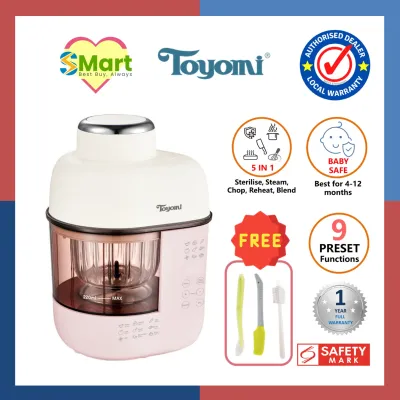
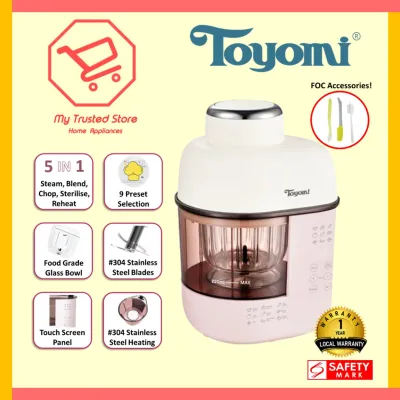
Prices are valid at publication and may change. Please refer to the product page for the latest price.
Core Features: Standalone Blenders vs. All-in-One Stations
To make an informed decision, it is essential to understand the functional differences and daily workflow implications of standalone blenders compared to all-in-one stations. A standalone blender, such as the typical Toyomi baby blender, requires a multi-step preparation process. You must first steam or boil the raw ingredients—such as sweet potatoes, apples, or carrots—using separate kitchen equipment like a stovetop pot or an electric food steamer. Once the food is tender, you must carefully transfer the hot ingredients, along with some cooking liquid, into the blender jar to be pureed. While this method requires handling hot food and results in more items to wash, it keeps the blending appliance simple, easy to store, and highly economical.
Conversely, all-in-one baby food makers are designed to handle both steaming and blending within the same container. You place raw, chopped ingredients into the basket or jar, set a steam timer, and once the cooking cycle is complete, the machine either automatically transitions to blending or allows you to blend with the turn of a dial. This single-vessel workflow minimizes the risk of accidental burns during food transfer and significantly cuts down on clean-up time. However, these machines are mechanically complex, require regular descaling of the water reservoir to prevent mineral buildup, and represent a much higher upfront investment.
Capacity and batch size are also critical factors when comparing these appliances. Specialized baby blenders are engineered with small-capacity jars, often ranging from 300ml to 600ml. This small size is optimized for processing single meals or small, two-day portions, ensuring that the blades can easily catch and puree minimal quantities of food. Standard full-size kitchen blenders, on the other hand, are built for large-volume processing and are far better suited for weekly meal prep where you freeze multiple portions in silicone trays. When using any blender, always check the manufacturer’s specified maximum and minimum fill lines. Operating a blender below its minimum line can cause the blades to spin uselessly without engaging the food, while exceeding the maximum line can overload the motor or cause hot liquids to leak through the lid.
Control interfaces vary widely across the market. Basic standalone models typically feature a simple, intuitive pulse button or a single-speed switch, giving you direct, manual control over how long you blend. This simplicity is highly reliable and easy for any caregiver to operate. In contrast, premium all-in-one stations often feature digital control panels, LED screens, integrated timers, and multiple preset programs tailored to different food types like fruits, vegetables, or meats. While these advanced interfaces offer hands-free convenience, they also introduce more electronic components that could fail over time.
Finally, consider the multi-purpose utility of the appliance once your child outgrows the puree stage. A highly specialized baby food maker may have a limited lifespan in your kitchen, quickly becoming obsolete once your toddler transitions to eating standard family meals. A compact standalone blender, however, can easily be integrated into your general cooking routine. It can be used to whip up small batches of salad dressings, homemade pesto, marinades, or single-serve fruit smoothies, ensuring you continue to get value from your purchase for years to come.
Blending Performance: Achieving the Right Texture for Every Weaning Stage
Achieving the correct food texture is vital for a successful and safe weaning process. The transition to solid foods is a progressive journey that matches your baby’s oral motor development. In the initial stage of weaning, infants require ultra-smooth, completely liquid-like purees to prevent gagging and ensure easy digestion. As they grow and develop better chewing and swallowing skills, they transition to thicker, textured mashes, then to soft, fork-crushed chunks, and eventually to finger foods. A versatile baby blender must be capable of delivering a silky, lump-free consistency at the start, while also allowing you to easily control the texture for coarser blends later on.

One of the biggest challenges in preparing baby food is small-quantity blending. Standard household blenders are designed to process large volumes; when you attempt to blend a single floret of steamed broccoli or a small slice of pumpkin, the ingredients often get thrown to the sides of the wide jar, out of reach of the blades. Specialized baby blenders solve this issue through targeted engineering. They feature narrow, tapered jars and low-positioned blade assemblies that sit extremely close to the bottom of the container. This unique geometry ensures that even tiny portions of food are continuously drawn down into the spinning blades, creating a consistent puree without requiring you to make excessive amounts of food that might go to waste.
Motor and blade efficiency play a critical role in how well a blender can handle various ingredients. It is a common misconception that higher wattage always translates to better performance; instead, look at how the blade design and motor torque work together. A highly efficient system will quickly create a powerful downward vortex, drawing food into the blades for a uniform cut. You can evaluate a blender’s efficiency by observing how it handles challenging, fibrous ingredients such as spinach, kale, celery, or meats. If a blender struggles, requires frequent pausing to scrape down the sides, or leaves long, stringy fibers behind, it may pose a safety risk as these fibers can be difficult for a young baby to swallow.
To assist the blending process and achieve the desired consistency, adjusting the liquid content is a practical and necessary step. Adding a small amount of liquid helps the blades engage the solid food and create a smooth vortex, preventing the motor from overheating. Parents can use expressed breast milk, prepared infant formula, or the nutrient-dense water left over from steaming the vegetables. It is best to add the liquid gradually, starting with a tablespoon or two, to avoid over-diluting the puree. Maintaining a balance ensures the food remains nutrient-dense while achieving a texture that is perfectly suited to your baby’s current developmental stage.
Build Quality, Material Safety, and Daily Cleaning
When preparing food for an infant, build quality and material safety are non-negotiable priorities. Because hot steamed foods are frequently transferred directly into the blender jar, all components that come into contact with the food must be completely food-grade, BPA-free, and highly heat-resistant. Chemical compounds like Bisphenol A (BPA) and other plasticizers can leach into hot food, posing potential health risks to developing infants. To ensure peace of mind, parents must verify these material safety claims by carefully inspecting the product packaging, reading the manufacturer’s official website, or checking for physical safety labels and certifications embossed directly on the plastic jar and blade housing.
The choice of jar material has a significant impact on both the durability and the daily handling of the appliance. Plastic jars, particularly those made from advanced co-polyesters like Tritan, are highly popular because they are lightweight, virtually shatterproof, and easy to handle with one hand. However, plastic is susceptible to scratching over time from blending harder ingredients, and it can become stained or absorb odors when processing highly pigmented foods like carrots, sweet potatoes, or beetroot. Glass or stainless steel jars offer excellent alternatives; they are highly durable, completely scratch-resistant, and do not absorb stains or odors. On the downside, glass is significantly heavier, fragile if dropped, and susceptible to thermal shock if subjected to sudden, extreme temperature changes, while stainless steel jars do not allow you to visually monitor the blending progress.
Daily cleaning and maintenance are critical to prevent the growth of mold and harmful bacteria. A blender’s design should facilitate quick and thorough sanitization after every use. Pay close attention to how easily the blade assembly can be disassembled. Models that allow you to unscrew the blade base completely from the jar are highly superior, as they eliminate tight crevices where food particles can become trapped. Always verify the manufacturer’s care instructions to determine which parts are dishwasher safe. If hand washing is required, use mild dish soap, warm water, and a dedicated cleaning brush to keep your hands safe from the sharp edges while ensuring all food residue is removed.
The silicone sealing rings and gaskets within the blade assembly require regular inspection and care. These gaskets are essential for creating a watertight seal, but they can easily trap moisture and fine food particles, creating a breeding ground for black mold if left uncleaned. Over time, silicone gaskets can degrade, stretch, or crack due to heat and wear. Regularly inspect these seals for any signs of deterioration, discoloration, or leaking. If you notice any damage or a persistent musty odor, replace the gasket immediately to maintain the hygiene and performance of your baby blender.
Which Baby Food Maker Should You Choose?
To help you navigate the many options available on the market, it is helpful to use a structured decision framework based on your specific lifestyle, budget, and kitchen setup.
- Choose the Toyomi baby blender (or similar standalone models) if: You are looking for a highly economical, compact, and straightforward appliance. This is the ideal choice if your kitchen has limited counter space and you already have a reliable method for steaming food, such as a traditional stovetop steamer or a multi-cooker. It is perfect for parents who prefer a simple, dedicated tool to blend small, fresh portions of food daily, without paying a premium for automated steaming features or complex digital programs.
- Choose an all-in-one steam-and-blend station if: Your primary goal is maximum convenience and minimizing the daily chore of washing dishes. These premium appliances are excellent for busy parents who want a hands-off cooking experience where raw ingredients are transformed into a perfect puree within a single vessel. This option is best if you have a flexible budget, sufficient kitchen counter space, and want a highly specialized, dedicated baby appliance.
- Choose a standard full-size kitchen blender if: You prefer to prepare baby food in large, weekly batches to freeze in individual portions. A full-size blender is also the most practical choice if you want a long-term investment that will continue to serve the entire household for years to come, allowing you to easily prepare large batches of family soups, smoothies, dips, and batters.
- Verify first if: You have specific concerns about the types of ingredients you plan to blend, such as tough meats or highly fibrous vegetables, to ensure the motor has sufficient torque. Additionally, before finalizing your purchase, verify the warranty terms, the availability of spare parts (like replacement blades and silicone gaskets), and the accessibility of local customer service and support in Singapore.
Pre-Purchase Verification and Safe Usage Checklist
Before purchasing any baby food maker, taking a few moments to verify key product details will ensure a safe and satisfactory ownership experience.
Pre-Purchase Verification
- Confirm that the appliance is compatible with Singapore's electrical standards, specifically requiring a 230V rating and a standard Type G three-pin plug.
- Verify the manufacturer's warranty period and check reputable online marketplaces for genuine user feedback regarding the product's long-term motor durability and the responsiveness of local customer service.
- Check the availability of replacement parts, particularly silicone gaskets and blade assemblies, to ensure you can easily maintain the unit over time.
Safe Operation Boundaries
- Never exceed the manufacturer's designated maximum fill line on the blender jar to prevent hot liquids from leaking or spraying out.
- Ensure that the lid and safety locking mechanisms are fully engaged and locked into place before turning on the power.
- Always operate the blender on a flat, stable, and dry surface, keeping the electrical motor base completely away from water and wet hands.
When to Stop and Consult
- Immediately unplug the appliance from the wall outlet if you notice a burning smell, excessive heat radiating from the motor base, or strange grinding noises.
- Stop using the device if the power cord becomes frayed or damaged, or if the jar shows any signs of cracking.
- Do not attempt to open the motor housing or perform DIY repairs on the electrical components; instead, contact the manufacturer or a qualified professional for assistance.
Frequently Asked Questions (FAQ)
Can I use a regular blender instead of a specific baby food maker?
Yes, you can use a regular kitchen blender, but there are several practical trade-offs to consider. Standard household blenders are designed to process larger volumes of food, meaning they often require a significant minimum quantity of ingredients and liquids to engage the blades effectively. If you attempt to blend a single serving of baby food, the ingredients may simply scatter to the outer edges of the jar, out of reach of the blades. Furthermore, standard family blenders are frequently used to process strong-smelling ingredients like garlic, onions, or chili, which can leave behind persistent oils and odors that might transfer to your baby’s delicate purees.
How do I clean the blender blades safely to prevent mold?
To prevent mold and bacteria from developing, it is essential to completely disassemble the blade assembly after every use, provided the manufacturer’s design allows for it. Wash all components thoroughly in warm, soapy water using a mild dish detergent. Use a small, soft-bristled brush to carefully clear food residue from the blade crevices, screw threads, and the underside of the silicone gasket. Rinse all parts with clean water and lay them out on a clean drying rack to air-dry completely before reassembling the unit. Always handle the blade assembly with extreme care, as the blades are exceptionally sharp and can easily cause cuts.
Community discussion
Share your experience or ask a question. Comments are reviewed before publication.