
Selecting the right toy box storage for a nursery in Singapore requires balancing space efficiency, safety, and durability in a tropical climate. With typical local apartments prioritizing compact layouts, the ideal storage solution must maximize vertical space without compromising stability. Parents should look for modular shelving units with removable cubbies, open fabric or plastic baskets for daily-use items, and safety-certified lidded chests with slow-close hinges. By focusing on accessible designs that encourage independent cleanup while keeping hazardous items out of reach, you can create a tidy, functional, and secure environment for your growing child.
Core Criteria for Selecting Nursery Toy Storage
When planning a nursery, storage is more than just a place to hide clutter; it is an active part of your child’s developmental environment. The foundational standards for evaluating any storage unit must prioritize physical safety, usability, and how well the piece integrates into your room’s layout. Because babies quickly transition from crawling to pulling themselves up on furniture, structural integrity is the most critical factor to consider before aesthetics.
Weight and stability are paramount in an active nursery. Any storage unit, especially taller shelving or heavy wooden chests, poses a tipping hazard if a child attempts to climb it. A stable unit should feature a wide, low-base design that keeps the center of gravity close to the floor. When evaluating furniture, check if the manufacturer specifies a maximum weight capacity and whether the unit is designed to be anchored securely to the wall.
Products mentioned in this guide
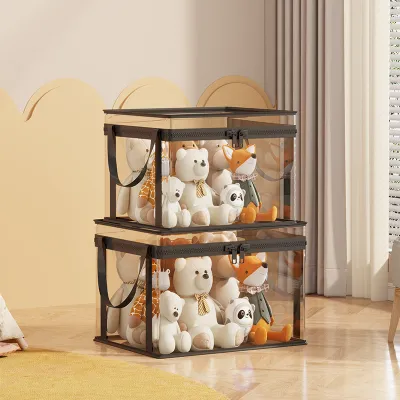
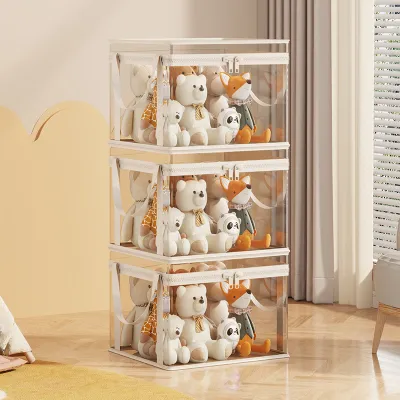
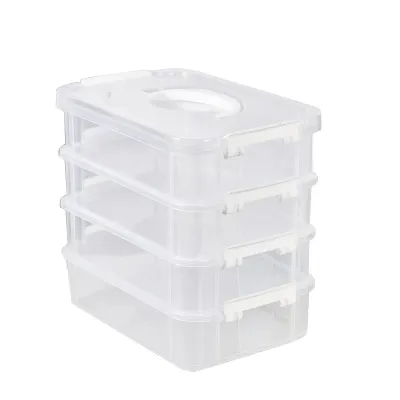
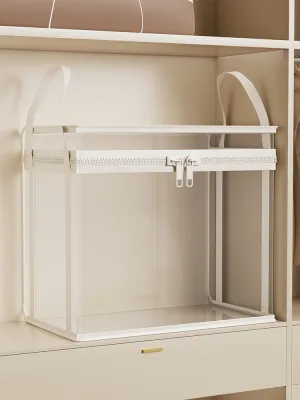
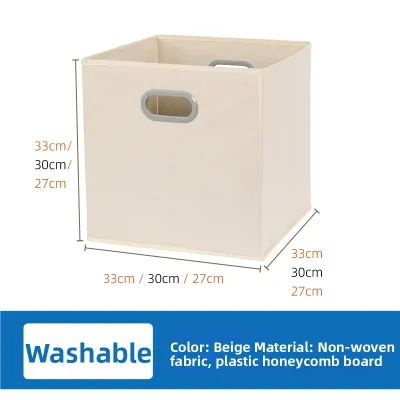
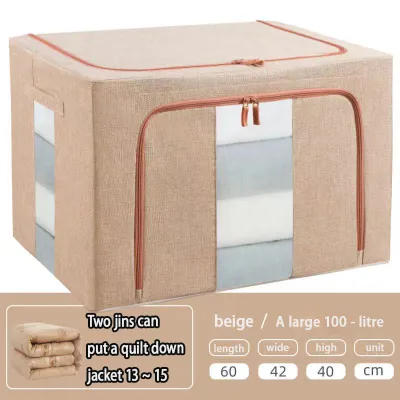
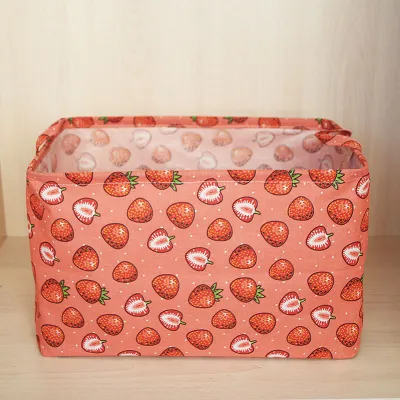
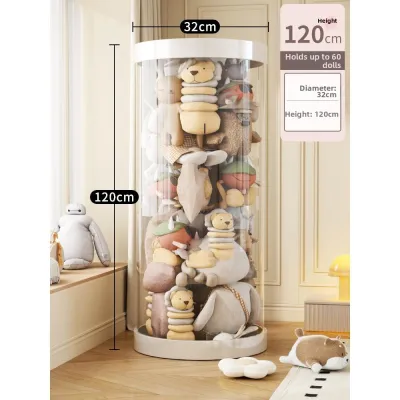
Prices are valid at publication and may change. Please refer to the product page for the latest price.
Ease of access is another essential consideration that changes as your child grows. For infants and toddlers, daily-use toys should be stored at eye level in open, lightweight containers that they can safely reach without assistance. Conversely, items that require adult supervision—such as toys with small parts, art supplies, or battery-operated devices—must be kept in secure, out-of-reach storage compartments. This dual-zone approach keeps the nursery safe while fostering early independence.
Material durability and ease of cleaning are particularly important in Singapore’s warm, humid climate. High humidity levels can encourage mold growth on untreated natural wood or trap moisture in heavy fabric bins. Therefore, selecting materials with non-toxic, moisture-resistant finishes is vital. Surfaces should be smooth and easy to wipe down with mild, baby-safe sanitizers to maintain a hygienic play space.
Common Types of Toy Box Storage and Their Use Cases
Nursery storage comes in various configurations, each serving different organizational and developmental purposes. Matching the right storage format to your child’s developmental stage and the specific types of toys you own will help maintain order and reduce daily frustration.

Evaluating the physical footprint of your storage is crucial, especially in compact urban homes where floor space is at a premium. Vertical shelving units utilize wall space efficiently, while low, horizontal toy chests can double as seating areas. Additionally, different toy categories require distinct storage styles; for example, bulky soft toys fit well in large open baskets, while small building blocks are better organized in shallow, sorted cubbies. Choosing the right combination helps manage visual clutter and keeps the nursery looking organized.
Open Bins and Baskets
Open bins and baskets are highly practical for storing everyday, quick-access toys. Because they lack lids, these containers allow toddlers to see their toys clearly and retrieve them independently, which supports cognitive development and decision-making during play.
These storage options are ideal for soft toys, large building blocks, and lightweight items that pose no risk if a bin is tipped over. When choosing materials, look for soft cotton rope baskets, felt bins, or BPA-free plastic containers. Avoid untreated wicker or rattan baskets that can splinter over time, as these can scratch delicate skin or present small choking hazards if pieces break off.
While open bins excel at accessibility, they do have limitations. In urban environments, open containers allow dust to accumulate on toys more quickly, requiring more frequent cleaning. Additionally, because the contents are fully visible, open bins do not hide visual clutter, which can make a small nursery feel busy or disorganized if not sorted regularly.
Lidded Toy Chests and Trunks
Lidded toy chests and trunks offer a classic, clean aesthetic that completely hides visual clutter. They are excellent for storing larger, mixed toy sets, seasonal items, or bulkier toys that are not used on a daily basis.
When selecting a lidded chest, safety must be your primary focus. Look for models that feature slow-close safety hinges, which prevent the lid from slamming shut on small fingers. Adequate ventilation is another critical safety feature; verify that the chest has ventilation holes or a significant gap beneath the lid to ensure air circulation in the unlikely event that a child climbs inside.
Heavy wooden lids present a real risk of pinching or entrapment. Because of these hazards, adult supervision is highly recommended whenever a toddler is retrieving toys from a lidded chest. For added safety, consider chests where the lid can be completely removed or locked in an open position during play hours.
Shelving Units with Removable Cubbies
Shelving units with removable cubbies offer a highly versatile, modular approach to nursery organization. These systems grow alongside your child, transitioning easily from toddler toy storage to school-age book and supply shelves.
The primary advantage of cubby systems is the ability to categorize toys visually. By placing books, puzzles, and themed bins at your child’s eye level, you encourage them to choose activities intentionally and participate in cleanup routines. Removable bins also make it easy to bring a single set of toys to a play mat and return them when finished.
However, because these units are taller and hold multiple bins, anchoring them to the wall is absolutely critical. Pulling out a heavy lower bin or attempting to climb the shelves can cause the entire unit to tip forward. As your child’s needs change, you can swap out fabric or plastic bins for solid wooden shelves, making this a highly adaptable, long-term investment.
Essential Safety and Accessibility Checks Before Purchase
Before purchasing any toy box storage, conducting a thorough safety and accessibility audit is essential. Do not rely solely on product descriptions; instead, verify specific technical details and manufacturer certifications to ensure the item is safe for a nursery environment.
First, verify the inclusion of an anti-tip kit. Most reputable furniture brands include wall-anchoring hardware with their shelving units. It is important to note that Singapore homes typically feature either solid concrete walls or drywall partitions. You must ensure that the anchoring hardware you use matches your specific wall type; for instance, standard plastic wall plugs are suitable for masonry, while toggle bolts are required for hollow drywall. If a product does not include an anti-tip kit, purchase a high-quality, heavy-duty furniture strap separately before assembly.
Second, inspect the product specifications for material safety. Look for non-toxic, lead-free finishes, and check that wooden products use water-based paints or varnishes that do not emit harmful volatile organic compounds (VOCs). Ensure all edges are rounded and smooth to prevent cuts or bruises during active play. Examine the construction to confirm there are no small detachable parts, such as plastic screw caps or decorative elements, that a baby could easily remove and swallow.
Third, evaluate the physical ergonomics of the storage unit. Bins and drawers should have integrated cut-out handles rather than protruding metal knobs, which can cause injury if a child bumps into them. The weight of individual bins should be light enough that a toddler can slide them out without straining or dropping them on their feet. If the unit has drawers, check for safety stops that prevent the drawer from being pulled completely out of the frame.
Finally, always review the manufacturer’s age recommendations and maximum weight limits. A unit designed for older children may have sharp corners or heavier drawers that are unsuitable for an infant’s nursery. Never exceed the recommended weight capacity per shelf or bin, as overloading can compromise the structural integrity of the unit and increase the risk of collapse.
Sourcing and Verifying Nursery Storage in Singapore
Finding the right nursery storage involves navigating both physical showrooms and online retail channels to ensure you receive a high-quality, safe product that fits your home perfectly.
Whenever possible, visit local baby specialty stores and furniture showrooms in Singapore to inspect potential purchases in person. This allows you to physically test the stability of shelving units, check the tension on slow-close hinges, and feel the finish of the materials. Testing these features firsthand provides peace of mind that online photos cannot replicate.
When shopping via online marketplaces or official brand stores, pay close attention to the exact product dimensions. Measure your nursery space carefully, keeping in mind door clearances and electrical outlet access. Read verified user feedback, focusing on reviews that mention ease of assembly, long-term durability, and how well the product withstands local humidity. Additionally, check if the retailer offers professional delivery and assembly services, which can ensure the furniture is put together correctly and anchored safely.
Before finalizing your purchase, review the retailer’s return policies and warranty coverage, particularly for moving parts like hinges, drawer runners, or wheels. A clear, comprehensive warranty indicates manufacturer confidence in the product’s durability. Finally, ensure that the product comes with clear, step-by-step assembly instructions to avoid mistakes that could compromise safety.
Frequently Asked Questions (FAQ)
How often should I sanitize fabric or plastic toy bins?
Routine cleaning is essential to keep your nursery hygienic. Plastic and wooden toy bins should be wiped down weekly using a damp cloth and a mild, baby-safe, non-toxic cleaning solution. For fabric bins, check the manufacturer’s care label; many canvas or polyester bins can be spot-cleaned with a damp cloth, while some removable fabric liners are machine-washable on a gentle cycle.
In Singapore’s humid climate, it is crucial to inspect bins regularly for signs of mold, mildew, or musty odors. If you notice any mold growth, deep staining, fraying seams, or structural sagging, the bin should be replaced immediately to protect your child’s health and safety.
When should I transition from a toy box to standard bedroom storage?
Most children are ready to transition from low, open toy boxes to standard bedroom storage between the ages of three and five. You will recognize this milestone when your child outgrows the physical capacity of toddler-specific bins or begins collecting toys with smaller, more complex parts—such as board games, puzzles, and art supplies—that require structured shelving or drawer units.
When making this transition, you do not need to discard your nursery storage. Sturdy, well-maintained cubby units and wooden chests can easily be repurposed for other household needs. They make excellent organizers for children’s books, school supplies, clothing, or even living room storage, maximizing the long-term value of your initial investment.
Community discussion
Share your experience or ask a question. Comments are reviewed before publication.