
Organising a nursery in Singapore requires a thoughtful balance of space efficiency, material safety, and climate suitability. With many families living in high-rise apartments where floor space is at a premium, selecting the right toy bag involves more than just picking an appealing design. A suitable storage solution should keep playthings accessible while protecting them from dust and humidity, all while fitting seamlessly into your existing nursery layout.
To find the right toy bag for your home, you need to evaluate how your child interacts with their toys, the physical constraints of your nursery, and the maintenance required to keep the storage environment hygienic. This guide outlines the key considerations for assessing your space, comparing materials, verifying safety features, and sourcing reliable storage options locally.
Assessing Your Nursery Space and Storage Requirements
Before purchasing any storage accessories, take a detailed look at the physical layout of your nursery. Singaporean apartments, such as HDB flats and condominiums, often feature compact bedrooms where floor space must be carefully managed. Measure your available floor area, closet interiors, and the gaps between existing furniture pieces. If floor space is limited, vertical storage solutions like hanging toy bags can utilize wall space or the backs of doors, leaving the floor clear for active play. Conversely, if you have low shelving units or open floor areas, freestanding toy bags can serve as dedicated play zones that are easy for a child to reach.
Products mentioned in this guide
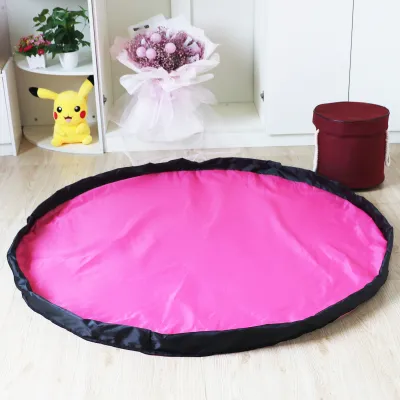
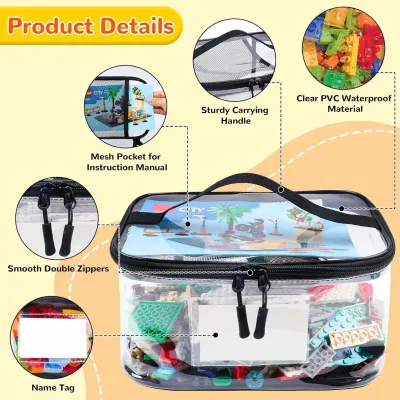
![[Kitsmall] Kids Lego Play Mat For Toy Storage Bag Outdoor Large Building Blocks Blanket Portable Children Toy Organizer Bag 40 /150cm](https://img.lazcdn.com/g/p/eca988932fca8e1e99b237079ca38d5c.jpg_400x400q80.jpg_.webp)
Prices are valid at publication and may change. Please refer to the product page for the latest price.
Your child’s age and developmental stage dictate the capacity and style of the toy bag you require. Infants generally have fewer, larger toys like plush rattles and soft books, which fit easily into a single medium-sized bag. As children grow into toddlers, their toy collections expand to include smaller, multi-piece items like building blocks, toy cars, and craft supplies. For this stage, a system of multiple smaller bags or a multi-compartment organizer is often more practical than one massive sack. Sorting toys into designated bags prevents your child from having to dump out the entire contents to find a single item, which simplifies both playtime and cleanup.
Safety and hygiene are essential when selecting storage for an infant or toddler environment. Young children frequently explore their surroundings with their hands and mouths, meaning any item in the nursery must be free from hazardous substances and easy to keep clean. Look for bags made from non-toxic, hypoallergenic fabrics that do not trap dust easily. Additionally, consider how the bag’s placement affects safety; for instance, hanging bags must be securely anchored out of reach of infants who might pull them down, while freestanding bags must be stable enough not to pose a tipping hazard to toddlers learning to stand.
Comparing Toy Bag Materials and Designs for Nursery Use
The material of your toy bag directly influences its durability, appearance, and suitability for the local climate. Breathable mesh is a popular choice for nursery storage because it allows parents and children to see exactly what is inside without opening the bag. This high visibility can reduce frustration during playtime. Furthermore, mesh promotes excellent air circulation, which is highly beneficial in Singapore’s warm, humid climate as it helps prevent stagnant air from lingering around fabric toys. However, mesh offers minimal protection against airborne dust, meaning toys stored inside may require more frequent cleaning if left unused for long periods.

Opaque fabrics like canvas, cotton, and linen offer a different set of advantages. Canvas is highly durable, holds its shape relatively well, and provides a clean, clutter-free aesthetic by completely hiding colorful toys from view. This can create a more calming visual environment in the nursery, which is particularly helpful if the room doubles as a sleeping space. Cotton and linen are softer to the touch and often come in a wider variety of decorative prints to match your nursery theme. The trade-off is that these opaque materials require labeling or color-coding if you want to maintain an organized system where specific toys have designated homes.
The closure mechanism of a toy bag affects how easily your child can access their toys and participate in tidying up. Drawstring closures are excellent for securing toys during travel or long-term storage, but they can be difficult for very young children to operate independently and can present cord safety risks if not managed carefully. Zippered tops keep dust out completely and secure items reliably, though high-quality, child-safe zippers are necessary to prevent pinched fingers. Open-bin styles, which feature no lid or closure at all, are often the most practical for daily use. They allow toddlers to easily grab what they want and toss items back inside when playtime is over, fostering early habits of independence.
Structural designs vary widely to accommodate different organizational strategies. Freestanding bags often feature reinforced rims or internal wire frames that allow them to stand upright even when empty, making them highly accessible. Hanging storage options, such as over-the-door organizers or hanging multi-tier mesh baskets, are excellent for keeping small items off the floor and utilizing vertical space. Multi-compartment designs combine the benefits of both, offering separate pockets or dividers within a single bag structure to help you categorize toys by type, size, or frequency of use.
Safety and Maintenance Checks Before You Buy
A thorough safety inspection is essential before introducing any new storage item into your child’s nursery. Examine the toy bag closely for potential choking hazards, such as small decorative buttons, loose beads, or poorly secured plastic toggles on drawstrings. Check the stitching along the seams and handles; loose threads can easily wrap around a child’s fingers or toes, posing a constriction risk. If the bag utilizes hardware like zippers, metal snaps, or plastic cord locks, ensure these components are robust, smoothly finished, and securely attached so they cannot be easily pried off by curious hands.
Maintenance is another critical factor, as nursery items inevitably encounter spills, dirt, and sticky handprints. Always verify the manufacturer’s care label before making a purchase. Machine-washable toy bags offer the greatest convenience for busy parents, allowing you to sanitize the storage container easily. If a bag is labeled as spot-clean only, consider whether the material is stain-resistant or if it will quickly become unsightly with regular use. Be aware of drying restrictions as well; some synthetic materials or structured bags cannot go into a tumble dryer without risking shrinkage, warping, or damage to internal support structures.
For freestanding toy bags, stability is a key safety consideration. Toddlers often use furniture and large storage bins to pull themselves up to a standing position. If a freestanding bag is top-heavy or lacks a wide, stable base, it can easily tip over onto a child. Check the manufacturer’s specifications for weight limits and structural reinforcement. Bags with weighted bottoms or rigid base inserts are generally more stable than completely soft, unstructured sacks. If you plan to store heavier items, ensure the bag is placed on a flat, level surface and is not filled beyond its recommended capacity.
Where to Source and Verify Toy Bags in Singapore
When shopping for nursery storage in Singapore, utilizing a mix of online and offline channels can help you find high-quality products while verifying their suitability. Major e-commerce platforms and specialized mother-and-baby online retailers offer a vast selection of toy bags from various global and local brands. When shopping online, focus on verified sellers and official brand stores to avoid counterfeit products. Carefully read user feedback, paying close attention to reviews from local buyers who can comment on how the materials hold up in Singapore’s humid environment and whether the actual dimensions match the product descriptions.
Visiting physical baby stores, department stores, or home organization showrooms in Singapore provides a valuable opportunity to inspect products firsthand. Handling the toy bags in person allows you to assess the texture of the fabric, the strength of the stitching, and the overall build quality. You can test the smoothness of the zippers, check the tension of the drawstrings, and visualize the actual scale of the bag relative to your nursery space. Physical inspection is particularly helpful for evaluating the stiffness of freestanding bags and the breathability of mesh options.
Before finalizing any purchase, especially online, review the retailer’s return policies, warranty conditions, and authenticity guarantees. A flexible return policy is highly beneficial if the toy bag arrives with a manufacturing defect, does not fit your designated space, or fails to meet your expectations regarding material quality. Check if the seller offers a warranty against structural failures, such as torn seams or broken hardware, under normal usage conditions. Ensuring these consumer protections are in place provides peace of mind and safeguards your investment in your nursery’s organization.
Frequently Asked Questions (FAQ)
How do I prevent mold in mesh toy bags in humid climates?
To prevent mold and mildew in Singapore’s humid climate, always ensure that both the toys and the mesh bag are completely dry before placing them in storage. If your child uses bath toys or outdoor playthings, let them air-dry thoroughly in a well-ventilated area before packing them away. Position your mesh toy bags away from direct sources of humidity, such as bathrooms or damp corners, and ensure there is adequate air circulation around the storage area. Regularly inspect the bag for early signs of mildew, such as small dark spots or a musty odor; if mold develops and cannot be completely washed out, discard the bag to maintain a healthy nursery environment.
Can toy bags be used for storing heavy wooden blocks?
While some toy bags are highly durable, they are generally not recommended for storing heavy wooden blocks unless specifically rated for high weight capacities. Always check the manufacturer’s weight limits and seam reinforcement specifications before loading dense items into a flexible bag. Storing heavy or sharp-edged toys in a soft bag increases the risk of the base tearing, the handles detaching, or the bag tipping over and causing injury. For heavy wooden blocks, rigid storage bins made of wood, sturdy plastic, or reinforced felt are a much safer and more durable alternative, as they distribute weight evenly and maintain their structural integrity.

Community discussion
Share your experience or ask a question. Comments are reviewed before publication.