
Choosing the right diapering system for your baby involves balancing convenience, skin health, and reliable containment. In Singapore’s hot and humid tropical climate, this decision becomes even more critical. The high ambient humidity and year-round warmth mean that choosing the right diaper covers or early-stage waterproof underwear is essential for preventing both leaks and painful heat rashes.
No single cloth diaper cover brand or material is universally perfect for every family. The ideal choice depends on your daily washing routine, your drying space, and your baby’s skin sensitivity. While one caregiver might prioritize a low-maintenance cover that dries quickly on an indoor rack, another might require a highly breathable natural fiber to protect a baby prone to eczema or diaper dermatitis.
For caregivers who prioritize quick drying times, easy machine washing, and reliable daytime leak protection, synthetic covers made of Polyurethane Laminate (PUL) or Thermoplastic Polyurethane (TPU) are highly practical. These covers can be wiped down and reused multiple times before washing, making them excellent for busy households.
Products mentioned in this guide
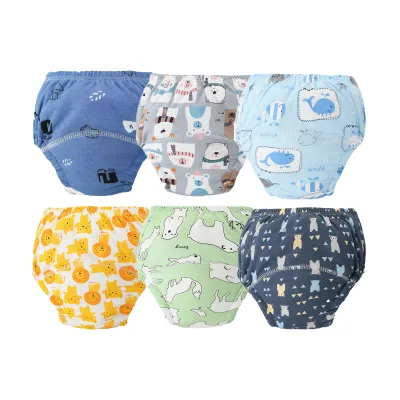
![[4 at $10.90] Baby Toilet Training Pants 6 Layers Reusable Cloth Diaper Waterproof Underwear Nappy Potty Highly Absorbent](https://img.lazcdn.com/g/p/8ddde1677384c797b9de2af14f2beb0f.png_400x400q80.png_.webp)
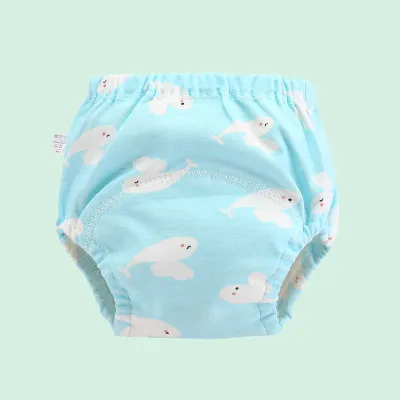
![[SG Local Stock] 6 Layers Baby Toilet Training Pants Breathable Waterproof Baby Diaper Pants Kids Potty Training Rewashable Diapers Panties Underwear Children Day Gifts](https://img.lazcdn.com/g/p/3c008923aebea28cff8035fa6d41ddb6.jpg_400x400q80.jpg_.webp)
Prices are valid at publication and may change. Please refer to the product page for the latest price.
Conversely, wool covers are highly recommended for babies with sensitive skin or for overnight use. Wool provides natural breathability and temperature regulation, though it requires hand-washing and periodic lanolizing. Regardless of the material you choose, always check the manufacturer’s labels for specific weight ranges, sizing charts, and care instructions, as achieving a proper fit is the most critical factor in preventing leaks.
Key Comparison Dimensions for Singapore's Tropical Climate
Operating a cloth diapering routine in Singapore requires a clear understanding of how local weather conditions affect diaper performance and maintenance. Unlike cooler, drier climates where diapers dry rapidly and skin remains dry, the tropical environment introduces unique challenges that demand specific diaper cover characteristics.
Breathability and Air Circulation
In a climate where relative humidity regularly exceeds 80 percent, air circulation inside the diaper is paramount. When a diaper cover traps heat and moisture, it creates a warm, damp microclimate against your baby’s skin. This environment accelerates the breakdown of the skin barrier, leaving the baby highly susceptible to heat rash (miliaria) and yeast infections. A high-performing cover must allow moisture vapor to escape while keeping liquid water contained, a balance that varies significantly between synthetic laminates and natural fibers.
Drying Time and Mildew Prevention
Singapore’s high humidity directly impacts how quickly laundry dries, especially for families living in high-rise apartments who rely on indoor drying racks or covered service yards. Diaper covers that feature multiple layers of fabric, thick trim, or attached fleece linings can take more than 24 hours to air-dry. This slow drying process increases the risk of mildew and bacterial growth, which can ruin the waterproof membrane and cause persistent odors. Wipeable, single-layer synthetic covers or highly breathable fabrics are much easier to manage in humid conditions.
Leak Containment Mechanics
While a waterproof diaper cover prevents liquid from soaking through to your baby’s clothes, the cover itself does not absorb liquid. Leak containment relies on the physical seal created by the cover’s design and how well it holds the absorbent insert in place. The elastic tension around the legs and waist must be strong enough to prevent gaps when the baby moves, crawls, or sits, without being so tight that it causes chafing or deep red marks on sweaty skin.
Durability and Delamination Resistance
Frequent washing is a necessity in cloth diapering, and in a tropical climate, caregivers often wash diapers in warm or hot water to ensure thorough sanitization. However, frequent exposure to high water temperatures and heavy spin cycles can cause synthetic waterproof coatings to peel, crack, or separate from the outer fabric—a process known as delamination. Evaluating the construction quality and durability of the waterproof barrier is essential to ensure your investment lasts through multiple developmental stages or even multiple children.
Material Breakdown: PUL, TPU, and Wool Performance
Understanding the physical properties and care requirements of different diaper cover materials allows you to choose the best option for your household’s washing capacity and your baby’s comfort.

PUL (Polyurethane Laminate) and TPU (Thermoplastic Polyurethane)
Polyurethane Laminate (PUL) and Thermoplastic Polyurethane (TPU) are the most common synthetic materials used in modern cloth diaper covers. Although they serve the same waterproof purpose, their manufacturing processes differ. PUL is typically created using a chemical solvent bonding process to attach a thin plastic film to a polyester fabric. TPU, on the other hand, utilizes a heat-bonding process that is generally considered more environmentally friendly and results in a softer, more flexible fabric.
In Singapore’s humidity, both PUL and TPU provide outstanding, reliable waterproofing that prevents wetness from transferring to clothing or bedding. Their smooth, non-porous interiors are highly wipeable, meaning you can simply wipe the inside clean if it is not soiled with solid waste, lay in a fresh insert, and reuse the cover. However, because they are synthetic barriers, they restrict airflow more than natural fibers. This can lead to heat buildup during outdoor activities or in rooms without air conditioning.
To preserve the waterproof integrity of PUL and TPU covers, caregivers must pay close attention to care instructions. Avoid washing them at temperatures exceeding 60 degrees Celsius, and keep them out of direct, intense tropical sunlight for extended periods, as extreme heat can degrade the laminate and cause delamination. Hanging them in a shaded, well-ventilated area is the safest way to ensure longevity.
Wool Covers
Wool is a highly effective, natural alternative to synthetic diaper covers. When treated with lanolin—the natural wax found on sheep’s wool—wool fibers become highly water-resistant. Instead of trapping moisture, wool allows moisture vapor to evaporate into the air, making it the most breathable diapering option available. This exceptional breathability regulates the baby’s body temperature, keeping them cool in hot weather and warm in air-conditioned rooms.
Despite these benefits, wool covers require a significant commitment to maintenance. They cannot be tossed into a standard machine wash with your regular diapers; instead, they must be hand-washed in lukewarm water using a dedicated wool wash and periodically soaked in a lanolin solution to maintain their water resistance. Furthermore, because wool fibers absorb a portion of the moisture before repelling the rest, they take a long time to air-dry. During Singapore’s monsoon seasons, drying a wool cover indoors can take several days, meaning you will need a larger rotation of covers to keep up with your routine.
Before purchasing wool covers, caregivers should perform a spot test or consult with a pediatrician if they suspect their baby has highly sensitive skin. While rare, some babies may experience skin irritation or an allergic reaction to lanolin, making synthetic covers a safer alternative.
Fleece and Synthetic Blends
Polar fleece is another synthetic option that serves as a highly breathable, budget-friendly alternative to both wool and laminates. Fleece covers rely on the natural water-repelling properties of polyester fibers. They allow excellent air circulation, which helps keep the baby’s skin dry and cool.
However, fleece covers are prone to compression leaks. If the absorbent insert underneath becomes fully saturated, any pressure applied to the diaper—such as when the baby sits down, rolls over, or is strapped into a stroller—will push the liquid straight through the porous fleece fabric. Consequently, fleece covers are best paired with highly absorbent, fast-absorbing natural fiber inserts and are most suitable for light wetters or frequent daytime changes.
Essential Design Features for Maximum Leak Protection
When comparing diaper cover brands, look beyond the prints and colors to evaluate the structural elements of the garment. The physical construction of the cover determines how well it performs under pressure and during active play.
Double Leg Gussets
Double leg gussets feature an extra row of elastic running parallel to the main leg opening, creating a physical channel or pocket. This secondary barrier is incredibly effective at containing runny newborn messes and heavy wetting episodes. For active toddlers who are constantly crawling, walking, or climbing, double gussets ensure that even if the inner elastic shifts, the outer elastic maintains a secure seal against the thigh, preventing side leaks.
Rise Snaps and Adjustability
Most modern diaper covers are designed as “one-size-fits-most” (OSFM), utilizing a grid of snaps on the front of the diaper known as rise snaps. By snapping the cover into different configurations, you can shorten or lengthen the torso of the diaper to fit babies ranging from newborns to toddlers. Properly adjusting these snaps is critical; if the rise is too long, the fabric will bunch up and create gaps around the thighs, leading to immediate leaks. Conversely, if the rise is too short, the diaper will sit too low, risking waist leaks.
Waistband Elasticity and Casing
In Singapore’s hot weather, babies sweat easily, especially around the waist where the diaper sits snugly. The waistband elastics must be firm enough to prevent the diaper from sagging when wet, yet soft enough to prevent digging into the baby’s delicate skin. Look for covers that feature rolled elastics or soft fabric casings around the waist. These designs distribute the pressure evenly and reduce the risk of red marks and chafing on sweaty skin.
Interior Wipeability vs. Stay-Dry Linings
Caregivers must choose between covers with a completely exposed, wipeable laminate interior and those with built-in fabric linings, such as microfleece or suede-cloth. Wipeable interiors are incredibly efficient because they allow you to reuse the same cover multiple times a day, simply swapping out the wet insert. This drastically reduces the number of covers you need to buy and wash. Covers with stay-dry linings feel softer and drier against the baby’s skin if an insert shifts, but because the lining absorbs moisture, the entire cover must be washed after every single use, increasing your laundry load.
Potty Transition: Evaluating Waterproof Underwear and Training Pants
As your baby transitions into a toddler, their diapering needs change. During the potty training phase, standard diaper covers can feel too bulky and restrictive, prompting parents to look for streamlined alternatives that support independence while still protecting against accidents.
During this transition, many caregivers in Singapore search for reliable waterproof underwear or training pants. Unlike standard cloth diaper covers, which are designed to encase thick, highly absorbent inserts, waterproof training underwear features a built-in, moderate layer of absorbency sewn directly into the wet zone, backed by a hidden waterproof TPU or PUL layer. This design allows toddlers to feel the sensation of wetness—an essential feedback mechanism for potty training—while protecting outer clothing and furniture from minor leaks.
In Singapore’s tropical climate, choosing the right material for these training pants is crucial. Look for options with lightweight, highly breathable outer fabrics, such as cotton or bamboo blends, to prevent overheating and sweating during active outdoor play at local parks or indoor playrooms. Heavy, fully synthetic training pants can trap sweat, leading to discomfort and skin irritation around the groin and inner thighs.
When selecting waterproof underwear, prioritize designs with easy-to-use side snaps or tear-away sides. If your child has a major accident, these side snaps allow you to remove the underwear quickly without sliding a messy diaper down their legs. Additionally, always verify the manufacturer’s weight and size charts rather than relying solely on age labels, as a snug, secure fit around the thighs and waist is vital to ensure the built-in waterproof barrier performs effectively.
Final Decision Framework: Which Option Fits Your Family?
To choose the best waterproof diaper cover or training system for your household, consider how your daily routine, washing capacity, and baby’s unique skin needs align with the options available.
- Choose PUL/TPU covers if: You want a low-maintenance, budget-friendly daytime routine. These covers are ideal if you prefer machine washing, have limited indoor drying space, and want the convenience of wiping the cover clean and reusing it multiple times before laundering.
- Choose Wool covers if: Your baby has highly sensitive skin, is prone to severe diaper rash or eczema, and you need a highly breathable, reliable solution for overnight use. This option is best if you are comfortable with hand-washing and periodic lanolizing routines.
- Choose Fleece covers if: You are operating on a strict budget, prioritize high air circulation for daytime naps, and are using highly absorbent, structured inserts that resist compression leaks.
- Verify first if: You are purchasing diaper covers second-hand or from unfamiliar brands. Always inspect the inner laminate layer for tiny micro-cracks, peeling, or cloudiness, test the stretch and recovery of the leg elastics, and confirm that the care instructions align with your household's washing machine capabilities.
Ultimately, no matter which brand or material you select, the true drivers of leak protection are a precise, gap-free fit around your baby’s legs and waist, combined with an absorbent insert that matches your baby’s wetting patterns. Taking the time to adjust the rise snaps and select the right materials for Singapore’s unique climate will ensure a comfortable, leak-free experience for both you and your baby.
Community discussion
Share your experience or ask a question. Comments are reviewed before publication.