
As your baby transitions from crawling to pulling themselves up, cruising, and taking their first independent steps, your home suddenly presents a new landscape of physical hazards. Among these, the bedroom is a frequent site of minor injuries. Toddlers are naturally drawn to climbing on and off beds, but the rigid, sharp corners of bed frames sit directly at eye, forehead, and temple level for a child under three years old. Installing a high-quality bed corner guard is one of the most effective, reversible ways to mitigate these impact risks and create a safer environment for your child’s physical development.
While general baby-proofing bumpers are widely available, bed frames present unique challenges that require specialized solutions. Bed frames are typically heavy, static structures made of solid timber, metal, or upholstered wood panels. Unlike a lightweight coffee table that might slide slightly when bumped—absorbing a fraction of the impact energy—a bed frame remains completely stationary. This means the corner guard itself must absorb the entirety of the impact force to protect your child. Choosing a reliable, durable brand ensures that the guard remains securely attached despite curious fingers, high bedroom humidity, and accidental kicks.
Why Bed Corner Guards Are Essential for Toddler Safety
Between the ages of 9 and 24 months, children experience rapid motor development, moving from stable crawling to unpredictable cruising and walking. During this phase, their center of gravity is relatively high, and their coordination is still developing, making falls common. Bed frames are particularly hazardous because their height aligns precisely with a toddler’s head and face. A fall against a sharp, unprotected wooden or metal corner can result in deep lacerations, severe bruising, or more serious head trauma.
Products mentioned in this guide
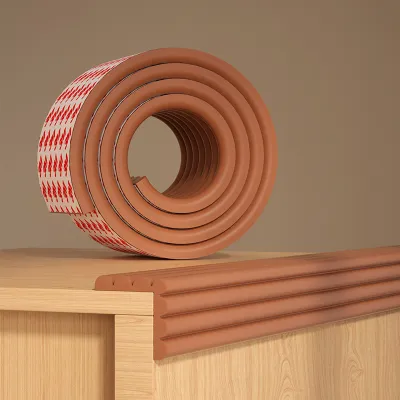
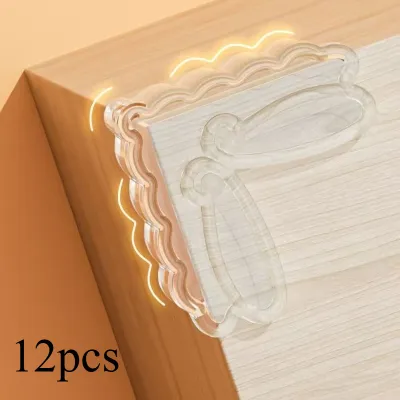
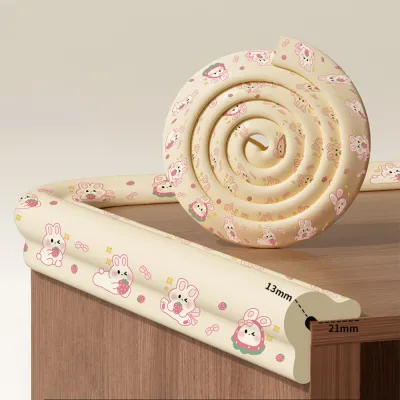
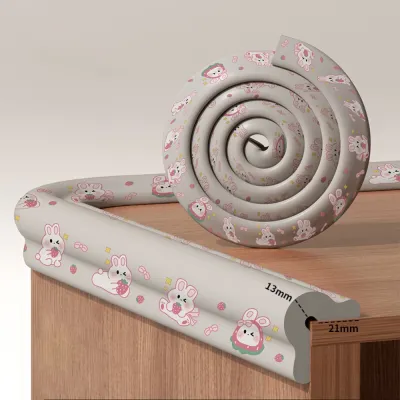
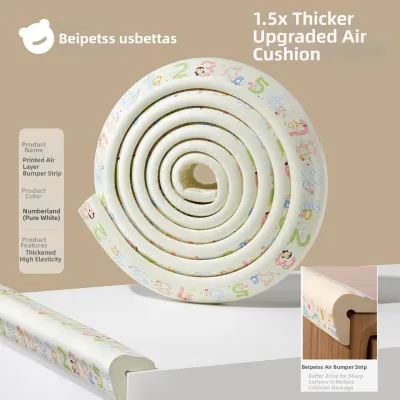
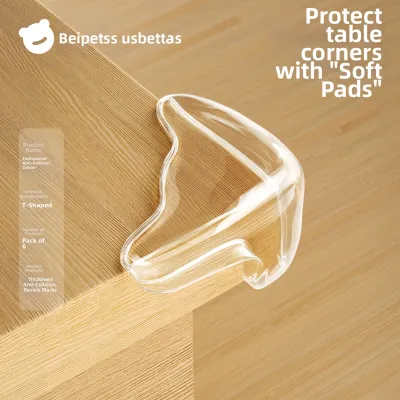
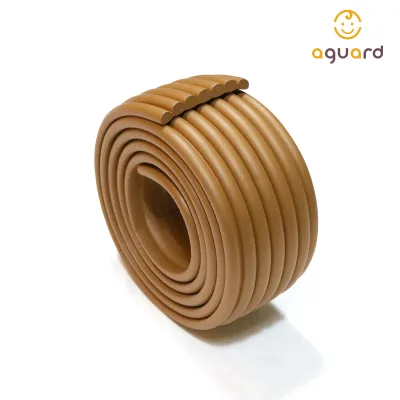
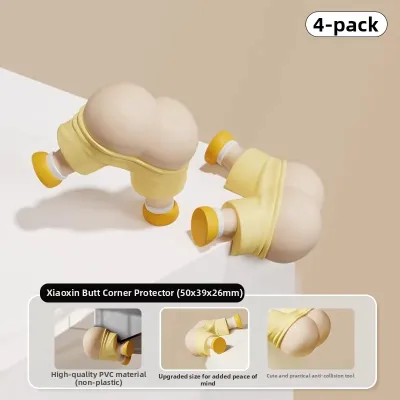
Prices are valid at publication and may change. Please refer to the product page for the latest price.
Standard edge bumpers designed for thin glass tables or lightweight desks often fail when applied to bed frames. Heavy wooden bed frames require thicker, high-density padding that can cushion a high-velocity impact from a child who is running or jumping. Furthermore, because beds are high-traffic areas where sheets are changed frequently and shins often brush past, bed corner guards must feature exceptionally strong adhesives to prevent them from peeling off during daily use.
Investing in a dedicated, reputable brand of corner guards also protects your furniture. Low-quality adhesives can chemically react with wood varnishes, lacquers, or laminates, leaving permanent stains or stripping away the finish when removed. A well-engineered safety brand balances maximum impact protection with an adhesive formulation that secures the guard firmly but can be cleanly removed once your child outgrows the need for baby-proofing.
Key Features to Evaluate When Choosing a Bed Corner Guard Brand
When navigating the wide variety of baby-proofing products available in Singapore, it is important to evaluate brands based on objective material specifications, adhesive chemistry, and design geometry. A systematic approach helps you select a product that matches your specific bed frame and lifestyle needs.

Material Quality and Shock Absorption
Baby-proofing brands generally utilize one of three primary materials for corner protectors, each presenting distinct trade-offs in safety, durability, and maintenance:
- High-Density Silicone: This is often considered the gold standard for modern bed corner guards. High-density silicone provides excellent shock absorption while remaining highly durable and resistant to wear. It is chemically inert, making it highly resistant to saliva and chewing. Parents should verify that the brand uses food-grade, BPA-free, and non-toxic silicone, which should be clearly stated on the product packaging.
- EVA Foam (Ethylene-Vinyl Acetate): EVA foam is exceptionally soft and highly cushiony, making it excellent for absorbing heavy impacts. However, its low density makes it vulnerable to teething toddlers. Curious children can easily bite off chunks of foam, presenting a serious choking hazard. If you choose EVA foam, you must monitor the guards daily for signs of damage and supervise your child closely.
- PVC (Polyvinyl Chloride): PVC guards are firm, highly durable, and often completely transparent, making them visually unobtrusive. However, traditional PVC can contain harmful plasticizers like phthalates. When choosing a PVC brand, it is critical to verify that the product is certified non-toxic, lead-free, and phthalate-free.
Adhesive Strength and Tropical Climate Performance
Singapore’s tropical climate, characterized by high relative humidity and warm ambient temperatures, poses a significant challenge for adhesives. Many standard rubber-based adhesives soften and lose their grip under humid conditions, causing the corner guard to peel away easily.
Look for brands that utilize high-quality acrylic-based double-sided tapes, such as genuine 3M acrylic adhesive or heavy-duty clear gel adhesives. Acrylic adhesives require a curing period to form a strong polymer bond with the furniture surface, but once fully cured, they offer superior resistance to moisture, humidity, and shear force. Before purchasing, check the manufacturer’s compatibility list to ensure the adhesive is safe for your specific bed frame finish, whether it is varnished solid wood, delicate wood veneer, laminated MDF, or powder-coated metal.
Design, Shape, and Coverage
Corner guards are engineered in several distinct shapes to accommodate different furniture profiles:
- Spherical (Ball-Shaped): These guards provide 360-degree protection around a three-way corner. They are highly rounded and disperse impact forces evenly in all directions. Spherical designs are ideal for prominent, sharp bed corners that stick out into walking paths.
- L-Shaped (Right-Angle): These guards run along both the top and side edges of a corner. They are highly versatile and work well on bed frames with flat, clean 90-degree angles. They also provide continuous coverage if you choose to pair them with matching edge guard strips.
- Tapered or Low-Profile: These guards feature a slim, sloping design that minimizes bulk. While they offer slightly less cushioning than spherical designs, they are much harder for a toddler to grip and pull off, making them a highly durable choice for determined climbers.
Aesthetic Integration and Yellowing
Maintaining a cohesive bedroom decor is a common priority for parents. Clear silicone or PVC guards are popular because they allow the natural wood grain or color of the bed frame to show through. However, low-quality clear plastics can yellow over time when exposed to ambient UV light through bedroom windows.
Premium safety brands often incorporate UV stabilizers into their clear silicone formulations to resist yellowing and maintain optical clarity. Alternatively, colored foam or silicone guards (available in wood-brown, grey, black, or cream) can be matched directly to your bed frame’s color. While colored guards are more visually apparent, they can blend in seamlessly if matched correctly, though they may occasionally attract a toddler’s curiosity.
Reliable Bed Corner Guard Brand Categories in Singapore
To help you navigate the local retail and e-commerce landscape, we have categorized the reliable bed corner guard options available in Singapore. This structure allows you to choose a brand category that aligns with your budget, aesthetic preferences, and safety requirements.
Established Global Baby Safety Brands
For parents who prioritize rigorous safety testing and standardized quality control, established international baby safety brands are the most reliable choice. Brands such as Safety 1st, Dreambaby, and Prince Lionheart are widely distributed in Singapore through specialty baby boutiques, department stores, and major online marketplaces.
These brands manufacture corner guards using certified non-toxic, heavy-duty materials that comply with international safety standards, such as EN 71 (Europe) or ASTM F963 (United States). They typically supply their products with custom-cut, high-performance adhesives that ensure a reliable bond. While these brands are highly dependable, they generally carry a higher price point (often ranging from S$15 to S$30 for a small pack of four) and focus primarily on functional, bulky designs rather than minimalist aesthetics.
Premium Silicone and Aesthetic-Focused Brands
If you have invested in high-end bedroom furniture or prefer a minimalist home aesthetic, premium silicone-focused brands offer the ideal balance of protection and visual discretion. Brands like Richell, Enyopro, or specialized Japanese and Korean baby-proofing labels are highly sought after by Singaporean parents for their superior material quality.
These brands specialize in ultra-clear, food-grade silicone guards that are completely free from BPA, phthalates, and heavy metals. Their formulations are highly resistant to yellowing, ensuring they remain virtually invisible on your bed frame. The high-density silicone provides excellent shock absorption in a compact, low-profile design. While these premium options are durable and aesthetically pleasing, they require precise installation on clean surfaces to prevent dust from getting trapped beneath the clear adhesive, which can ruin the seamless look.
Value-Driven Multipack Brands
For families who need to baby-proof multiple rooms, large custom-made platform beds, or multiple guest beds, value-driven multipack brands offer a highly cost-effective solution. These products are widely available on local e-commerce platforms in packs of 12, 16, or 24 corner guards.
While these brands may not carry recognizable global household names, many offer reliable protection at a fraction of the cost (often under S$12 for a large bulk pack). The primary trade-off is that the included adhesive tape may be of variable quality, and the materials (often PVC or EVA foam) may have a slight initial chemical odor that requires airing out before installation. To maximize the utility of these budget-friendly packs, many local parents choose to purchase the guards in bulk but replace the included adhesive with high-quality, branded double-sided acrylic tape to ensure long-lasting adhesion in Singapore’s humid climate.
How to Install and Remove Bed Corner Guards Safely
Proper installation is critical to ensuring that a bed corner guard performs its protective function when an impact occurs. Similarly, using the correct removal techniques prevents permanent damage to your bed frame’s finish when your child no longer needs the guards.
Preparation and Installation Steps
To achieve a long-lasting bond that can withstand Singapore’s high humidity, follow these detailed installation steps:
- Clean the Surface Thoroughly: Remove all dust, skin oils, and furniture polish from the bed frame corner. Wipe the area with rubbing alcohol (isopropyl alcohol) using a clean, lint-free microfiber cloth. Avoid using household spray cleaners, as they often leave behind a thin, slippery residue that prevents the adhesive from bonding.
- Verify Dryness: Ensure the surface is completely dry. In humid environments, let the wood or metal air-dry for at least 5 to 10 minutes, or dry it thoroughly with a clean cloth.
- Apply Adhesive to the Guard: Apply the double-sided tape to the inner surfaces of the corner guard. Press the tape firmly onto the guard to remove any air bubbles.
- Position and Press: Carefully align the guard with the bed frame corner. Once positioned, press the guard firmly against the furniture. Apply steady, heavy pressure with your hands for at least 30 seconds, ensuring all adhesive-covered areas make direct contact with the bed frame.
- Allow to Cure: Do not touch, pull, or test the corner guard for at least 24 hours. Acrylic and gel adhesives require this curing time to build a strong polymer bond. It is highly recommended to perform the installation in the evening after your child has gone to sleep to ensure the guard remains undisturbed overnight.
Safe Removal Techniques
When it is time to remove the corner guards, taking a rushed approach can result in splintered wood, peeled veneer, or ruined paint. Use this gentle, non-destructive method instead:
- Apply Gentle Heat: Use a hairdryer on a low-to-medium heat setting to warm the corner guard. Hold the hairdryer a few centimeters away and keep it moving constantly to avoid overheating and blistering the wood finish or lacquer. The heat will soften the adhesive, making it pliable.
- Slice Through the Adhesive: Take a piece of dental floss, thin fishing line, or strong sewing thread. Slide it behind the warmed corner guard and use a gentle sawing motion to slice through the softened adhesive layer. This separates the guard from the bed frame without putting physical leverage on the wood finish.
- Clean Up Residue: If any sticky residue remains on the bed frame, apply a small amount of mild, oil-based remover (such as baby oil, eucalyptus oil, or a specialized furniture-safe adhesive remover) to a soft cloth and gently rub the area.
- Important Safety Check: Always test any oil or adhesive remover on a small, hidden area of your bed frame first to ensure it does not dissolve, discolor, or dull the varnish, paint, or stain.
Frequently Asked Questions (FAQ)
Are silicone corner guards safe if my baby chews on them?
High-quality, food-grade silicone corner guards are chemically inert and non-toxic, meaning they do not leach harmful chemicals if a baby licks or chews on them. However, corner guards are safety barriers and are not designed to function as teething toys. If a teething child repeatedly chews on a corner guard, they can tear the material or loosen the adhesive bond, creating a serious choking hazard if the guard or a piece of tape detaches. You should inspect all corner guards daily for signs of wear, bite marks, or peeling. If a guard shows any damage, remove it immediately and redirect your child to dedicated, age-appropriate teething toys.
Will corner guards leave sticky residue on my wooden bed frame?
Most high-performance adhesives will leave some residue behind upon removal, and on delicate surfaces—such as cheap paper veneers, raw unfinished wood, or old, flaking paint—the adhesive can pull up the finish. To minimize this risk, always choose high-quality brands that specify furniture-safe adhesives, and perform a spot test with a small piece of the adhesive tape on an inconspicuous part of the bed frame before full installation. When removing the guards, always use the hairdryer-and-dental-floss method detailed above rather than pulling or prying them off dry, which is the primary cause of furniture damage.
Community discussion
Share your experience or ask a question. Comments are reviewed before publication.