
Starting your baby on solid foods is a major milestone that requires the right tools to support their developing motor skills. In Singapore, parents often look to Tommy Tippee weaning products, such as specialized spoons, suction bowls, and training cups, to ease this transition. Choosing the best items for your child depends on matching their specific developmental stage with the appropriate product features. By focusing on safety labels, material flexibility, and ergonomic designs, you can create a positive and secure dining environment for your little one.
As you begin this journey, it is essential to remember that every baby develops at their own pace. The transition from breast milk or formula to purees and finger foods is a gradual process of exploration. Rather than relying on a one-size-fits-all solution, selecting weaning tools requires careful observation of your baby’s physical abilities and a clear understanding of how different utensils support their growth.
Understanding Your Baby's Weaning Needs
Before purchasing any weaning gear, you must identify the key developmental signs that indicate your baby is physically ready to start solid foods. Pediatric guidelines generally recommend starting solids around six months of age, but physical milestones are the most reliable indicators. Your baby should be able to sit upright with minimal support and maintain steady head and neck control. This physical stability is crucial for safe swallowing and reduces the risk of choking during meals.
Products mentioned in this guide
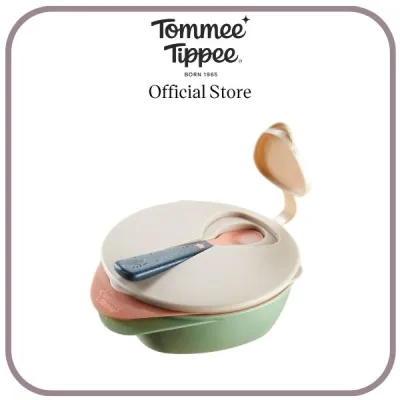
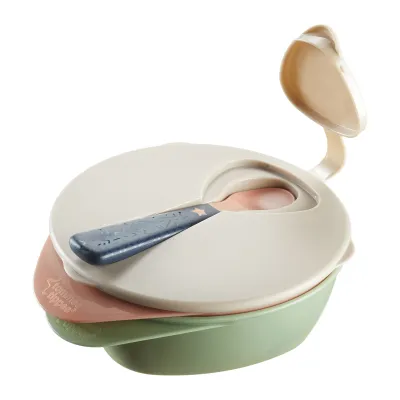
Prices are valid at publication and may change. Please refer to the product page for the latest price.
Another critical sign to observe is the disappearance of the tongue-thrust reflex, which naturally pushes foreign objects out of the mouth. When this reflex diminishes, your baby can successfully move food from the front of their mouth to the back to swallow. You will also notice your baby showing active interest in your meals, reaching for food, or mimicking chewing motions. If your baby cannot sit upright or lacks head control, delay the introduction of solids and consult a pediatrician or a qualified healthcare professional for personalized guidance.
Once readiness is established, you can match your baby’s weaning stage to the correct product categories. The initial phase typically involves smooth, thin purees, which require shallow, soft-tipped spoons that do not overload the baby’s mouth. As your baby progresses to textured purees, mashed foods, and eventually soft finger foods, their needs will shift toward stable bowls that resist tipping and cups that encourage independent sipping.
Safety must remain your top priority throughout this process. Active adult supervision is mandatory during every single meal, regardless of how safe or self-explanatory a product seems. Ensure your baby is always buckled securely into a sturdy highchair in a fully upright position. Never leave your baby unattended while eating, and be prepared to stop feeding immediately if they show signs of distress, gagging, or difficulty swallowing.
How to Choose Tommy Tippee Spoons for First Tastes
Selecting the right spoon is vital for a successful introduction to solids, as the wrong shape or material can cause discomfort and discourage your baby. When evaluating Tommy Tippee spoons, start by looking at the handle design and ergonomics. For the very first tastes, you will likely lead the feeding process. Long-handled spoons are ideal for this stage because they allow you to reach the bottom of deep baby food jars easily and offer a comfortable grip for parents.

As your baby begins to show interest in holding the utensil, you should transition to short, chunky handles designed for baby-led self-feeding. These handles are easier for tiny hands to grasp with a palmar grip, helping your baby develop the hand-to-mouth coordination needed for independent eating. Look for textured grips or non-slip materials on the handles to prevent the spoon from slipping out of soapy or food-covered hands.
The material of the spoon bowl is equally important for protecting your baby’s sensitive, teething gums. Look for spoons made from soft, flexible silicone or thermoplastic elastomers (TPE). These materials bend slightly when they contact the gums or roof of the mouth, preventing accidental bruising or discomfort. Avoid hard plastic or metal spoons during the early stages, as a sudden movement from your baby could cause painful contact.
Additionally, verify the specific features indicated on the product packaging before making a purchase. Many Tommy Tippee spoons feature heat-sensing technology, where the tip changes color if the food is too hot for your baby. While this is a helpful visual aid, you must always manually test the food temperature on the inside of your wrist before feeding. Always check the age-grade recommendations on the packaging (such as four months plus or six months plus) and confirm that the utensils are labeled as dishwasher-safe to simplify your daily cleanup routine.
Selecting Tommy Tippee Bowls and Plates for Messy Meals
Mealtime with a weaning baby is notoriously messy, making the choice of bowls and plates a key factor in managing daily cleanup. To minimize spills, compare the stability features of different dishes. Suction bases are highly effective at securing the bowl to the highchair tray, preventing your baby from lifting and flipping their food. However, the effectiveness of a suction base depends heavily on the surface material of your highchair tray.
Smooth, non-porous surfaces like plastic or glass provide the strongest suction seal, whereas textured wood or matte finishes may allow air to seep under the suction cup, causing it to release. If your highchair tray has a textured surface, look for bowls with wide, non-slip silicone rings on the bottom instead. While these do not lock in place like suction bases, they provide excellent friction to prevent the bowl from sliding across the tray as your baby attempts to scoop up food.
As your baby grows and begins to explore a wider variety of foods, compartment plates become highly beneficial. These plates feature raised dividers that keep different food groups separate. This design is particularly useful for babies who dislike their foods touching, and it encourages parents to offer a balanced meal consisting of a protein, a carbohydrate, and vegetables. Separating foods also allows your baby to identify and appreciate individual textures and flavors, supporting their sensory development.
Before purchasing any bowls or plates, check the manufacturer’s labels for microwave and dishwasher compatibility. Some materials are safe for top-rack dishwasher cleaning but may degrade or warp if placed in a microwave. Always verify the maximum temperature limits specified by the manufacturer. If you need to warm food, ensure the dish is explicitly labeled as microwave-safe, and stir the food thoroughly afterward to eliminate any hot spots that could burn your baby’s mouth.
Transitioning to Tommy Tippee Training Cups
Introducing a training cup is an important step in supporting your baby’s oral development and transitioning them away from breast or bottle feeding. When choosing a Tommy Tippee cup, you must differentiate between spout cups, straw cups, and open-rim training cups. Spout cups often feature soft silicone spouts that feel familiar to a baby accustomed to bottles, making them an easy first step. However, pediatric dentists often recommend transitioning quickly to straw cups or open-rim cups to promote healthy tongue positioning and jaw development.
Straw cups encourage your baby to develop mature swallowing patterns and strengthen their cheek muscles, which are essential for speech development. Open-rim training cups, which allow babies to sip from the edge just like an adult, are excellent for teaching lip control and head tilting. Many parents choose to use a combination of these styles, starting with a soft spout or weighted straw cup before moving to an open-rim design as their child’s coordination improves.
Managing spills is a major concern for parents, so you must evaluate the cup’s valve mechanism. Many training cups feature leak-proof, spill-proof valves that only release liquid when the baby applies suction. While these valves are highly convenient for travel and keeping your home clean, they require more effort from the baby to drink. Free-flow designs, on the other hand, allow liquid to flow naturally without suction, which helps babies learn the mechanics of drinking but will result in spills if the cup is tipped over.
Before buying any training cup, verify that it is certified BPA-free and made from food-grade materials. Check the packaging for the recommended minimum age, which typically ranges from four to twelve months depending on the cup’s design and flow rate. Ensure that all parts of the cup, including the valves, straws, and lids, can be easily disassembled for thorough cleaning to prevent the buildup of mold or bacteria.
Where to Buy and What to Verify Before Checkout
To ensure you are purchasing authentic and safe Tommy Tippee products in Singapore, you must select your retail sources carefully. Authorized physical mother-and-baby specialty stores, major department stores, and official brand storefronts on reputable ecommerce platforms are the safest options. Purchasing from authorized channels guarantees that the products meet local safety standards and have not been subjected to improper storage conditions.
When shopping online, verify the seller’s authenticity by looking for official brand badges or authorized distributor labels. Read recent buyer reviews specifically focusing on the condition of the packaging upon delivery. Avoid purchasing from unauthorized third-party resellers or parallel importers, as these products may not have undergone the same quality control checks and could potentially be counterfeit or expired stock.
Once your order arrives, perform a thorough physical inspection before using any items. Confirm that the age-grade labels on the packaging match your baby’s current developmental stage. Check that the safety seals are completely intact and that the product shows no signs of tampering or damage. Finally, locate and read the included care instruction manual to understand the specific cleaning, heating, and sterilization limits for each material.
Frequently Asked Questions (FAQ)
How do I properly sterilize Tommy Tippee weaning products?
To sterilize your weaning products safely, always refer to the manufacturer’s instructions printed on the packaging or manual. Many plastic and silicone components can be sterilized using steam sterilizers, microwave sterilizing bags, or by boiling them in water for a designated period, usually around five minutes. However, you must verify the temperature limits for each specific item, as excessive heat can warp certain plastics. Always disassemble all parts, such as cup valves, straws, and silicone seals, and wash them thoroughly with warm, soapy water before sterilizing. Some delicate components may be labeled as hand-wash only and should not be subjected to high-heat sterilization methods.
When should I switch from a weaning spoon to a regular toddler spoon?
You should consider transitioning your baby to a regular toddler spoon when you observe key improvements in their motor skills and coordination. Watch for signs such as a stronger grip, the ability to bring the spoon to their mouth consistently without spilling, and attempts to scoop food independently from their bowl. Weaning spoons are typically shallow and soft to protect sensitive gums, but as your baby begins eating thicker textures and larger portions, they will need a spoon with a deeper bowl to hold the food. Toddler spoons often feature slightly firmer materials and contoured handles that fit a mature self-feeding grip.
Are Tommy Tippee suction bowls completely spill-proof?
While suction bowls are designed to resist tipping and sliding, no suction bowl is entirely spill-proof against a determined toddler. The strength of the suction seal depends heavily on the surface being clean, dry, and completely smooth. Any dust, moisture, or textured grain on the highchair tray can break the vacuum seal, allowing the bowl to be lifted. To get the best results, press down firmly on the center of the bowl to expel all air from beneath the suction pad. When mealtime is over, use the designated release tab on the suction base to lift the bowl safely without causing sudden spills.
Community discussion
Share your experience or ask a question. Comments are reviewed before publication.