
Choosing between a Tommee Tippee water bottle and other popular brands comes down to matching the bottle’s material and design to your baby’s developmental stage, motor skills, and your daily cleaning routine. There is no single “best” bottle for every infant; instead, the ideal choice depends on whether you prioritize lightweight durability, heat resistance, or specific spout designs that ease the transition from breast or standard baby bottle to cup. By evaluating the physical properties of materials like PPSU, Tritan, and stainless steel alongside the ergonomics of different brand ecosystems, you can select a safe, functional option that supports your child’s growing independence.
As your baby transitions to drinking water—typically around six months of age alongside the introduction of solid foods—the type of vessel they use plays a significant role in their oral development. Introducing a water bottle is not just about hydration; it is also a developmental milestone that helps coordinate their swallowing and grasping reflexes. Understanding the differences in bottle construction and brand features will help you navigate the crowded baby care aisle with confidence.
Understanding Baby Water Bottle Materials
Baby water bottles are manufactured from several distinct materials, each offering unique trade-offs in terms of weight, durability, heat tolerance, and ease of maintenance. Polypropylene (PP) is the most common plastic used; it is highly lightweight and affordable, making it excellent for travel, though it is softer and more prone to scratching over time. Polyphenylsulfone (PPSU) is a premium, medical-grade plastic distinguished by its natural honey-colored tint. PPSU offers exceptional heat resistance and durability, meaning it can withstand repeated high-temperature steam sterilization cycles without degrading or clouding.
Products mentioned in this guide
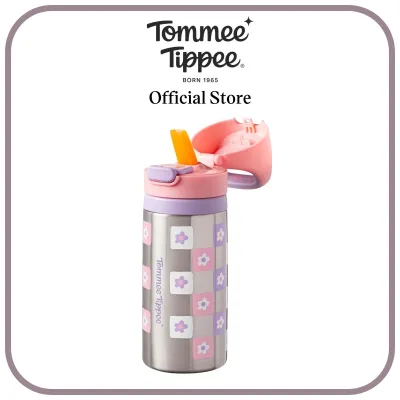
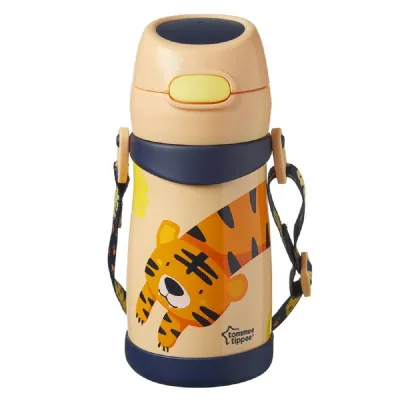
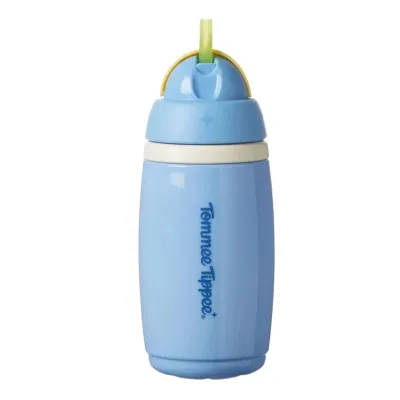
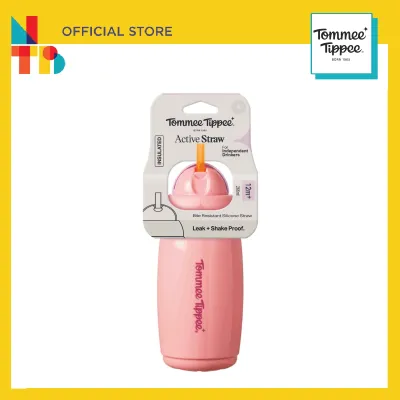
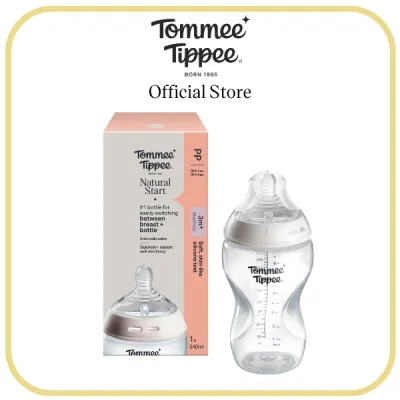
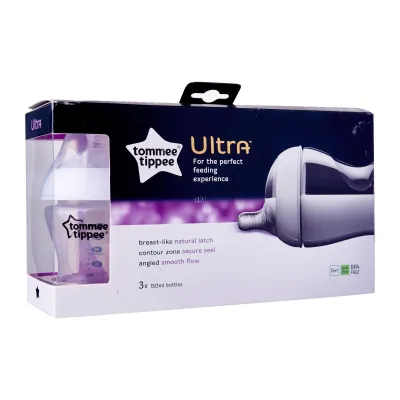
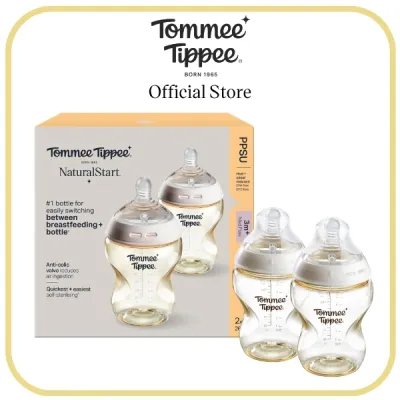
Prices are valid at publication and may change. Please refer to the product page for the latest price.
Tritan is another popular co-polyester that provides the crystal-clear appearance of glass without the weight or breakage risks. It is highly impact-resistant, making it ideal for toddlers who frequently drop their cups on hard floors. Silicone is widely used for spouts, straws, and protective outer sleeves due to its flexibility and soft texture, which is gentle on sensitive gums. Glass remains the most chemically inert and hygienic material, but its weight and susceptibility to shattering make it less suitable for babies who are learning to hold bottles independently.
Stainless steel is highly durable and often comes in double-walled, insulated designs that keep water cool during outdoor outings in warm climates. However, metal bottles are heavier than plastic and opaque, which prevents you from easily monitoring how much water your baby has consumed. When selecting a material, always inspect the product packaging for plastic recycling codes (such as “5” for PP or “7” for Tritan and PPSU) and verify that the product is explicitly labeled as BPA-free and BPS-free.
Caregivers must also check the manufacturer’s specified maximum temperature limits on the packaging before sterilization. While PPSU and stainless steel can handle extreme heat, certain plastics and silicone components may warp or degrade if exposed to temperatures beyond their rated limits. Additionally, avoid using unverified metal containers or single-walled aluminum bottles for acidic liquids like fruit juices, as these can cause chemical leaching if the interior lining is compromised.
Evaluating Safety and Design Features
Matching the bottle’s spout design to your baby’s age and oral motor development is crucial for a successful transition. Soft silicone spouts are designed to mimic the familiar feel of a bottle nipple, making them highly suitable for early transitions around four to six months. Hard plastic spouts are better suited for older babies who have begun teething, as they resist chewing damage that could otherwise tear softer silicone parts.

Straw cups are generally recommended by pediatric specialists from around six to nine months of age because they promote mature oral motor skills, encouraging lip closure and tongue retraction. Open cups or 360-degree rim cups allow babies to drink from any side without spilling, helping them learn the tipping motion required for adult cups. When choosing a spout or straw, always verify the manufacturer’s age recommendations on the packaging to ensure it aligns with your baby’s current developmental stage.
While spill-proof valves and complex straw mechanisms are excellent for preventing messy cleanups, they require meticulous maintenance to prevent hidden mold buildup. Water can easily become trapped in tiny air vents, weighted straw joints, and valve crevices. When shopping, look for designs that can be completely disassembled into individual parts, and check if the manufacturer recommends specialized cleaning brushes or specific sterilization protocols.
Safety certifications should always be verified directly on the product packaging rather than relying on general brand advertisements. Look for recognized standards such as the European Standard EN 14350, which specifies safety requirements for child drinking equipment, or equivalent local consumer safety compliance marks. If a product lacks clear certification labels, manufacturer contact details, or clear usage instructions, it is best to choose an alternative.
Comparing Tommee Tippee with Other Popular Brands
When comparing Tommee Tippee water bottles to other mainstream options on the market, several design philosophy differences become apparent. Tommee Tippee transition cups and water bottles are widely recognized for their ergonomic, easy-grip handles and contoured bodies, which are specifically shaped for tiny hands to hold. Their transition range often features soft, natural-feel spouts that ease the shift from breast or standard bottle feeding, making them a popular starting point for many families.
In contrast, other leading brands may focus heavily on modularity, offering interchangeable lid systems where a single bottle body can transition from a nipple to a weighted straw and eventually to a sports cap. Some premium brands prioritize specialized materials like medical-grade PPSU across their entire product line, whereas Tommee Tippee offers a diverse mix of PP, Tritan, and insulated options to suit different budget levels. Additionally, some alternative brands utilize minimalist valve designs that feature fewer parts, which can simplify your daily washing routine.
To help you evaluate specific models when shopping online or in-store, you can use the following comparison framework to weigh key specifications:
| Feature / Specification | Tommee Tippee Transition Range | Premium PPSU Competitors | Stainless Steel Alternatives |
|---|---|---|---|
| Primary Material | PP, Tritan, or insulated plastic | PPSU (Polyphenylsulfone) | Double-walled Stainless Steel |
| Typical Capacity | 150ml to 300ml | 160ml to 240ml | 200ml to 350ml |
| Spout Options | Soft silicone spout, straw, 360 rim | Soft spout, straw, cross-cut nipple | Straw, sports cap, free-flow spout |
| Estimated Price Range | S$15 – S$30 | S$35 – S$55 | S$30 – S$50 |
| Best Suited For | Early transition & daily active use | High-temperature sterilization | Outdoor travel & temperature control |
Evaluating these dimensions allows you to choose a bottle that fits seamlessly into your lifestyle. If you already own Tommee Tippee baby bottles, staying within their ecosystem may offer convenient part compatibility, though you should always verify if specific lids are interchangeable across different bottle generations.
Making Your Final Decision
To make your final purchase, apply a conditional decision framework based on your baby’s unique needs. Choose Tommee Tippee if your baby is already familiar with the brand’s nipple shapes, as the transition spouts are designed to offer a similar sensory experience, and you prefer lightweight, ergonomic handles for early self-feeding. Opt for alternative brands if you require a highly modular system that fits third-party accessories, or if you prioritize the extreme durability and heat tolerance of PPSU. If your baby has specific oral sensitivities, a history of feeding difficulties, or repeatedly rejects certain spouts, consult a pediatrician or pediatric dentist for personalized guidance before purchasing multiple systems.
To ensure product safety and authenticity, always purchase baby water bottles from authorized baby specialty stores, official brand flagship stores, or reputable online marketplaces. Avoid buying from unverified third-party sellers on discount platforms, as counterfeit baby products may not comply with strict chemical safety and manufacturing standards. Saving a small amount on an unverified product is not worth the risk of exposing your child to substandard materials.
Once you have purchased a bottle, perform thorough pre-use checks before giving it to your baby. Inspect the entire bottle for any manufacturing defects, such as sharp plastic edges, incomplete seals, or torn silicone valves. Verify that all safety packaging and seals are intact. Finally, perform the initial sterilization strictly according to the manufacturer’s instruction manual, paying close attention to the recommended boiling or steaming times for each specific component, as lids and valves often have lower heat tolerances than the main bottle body. Always supervise your baby during use, and never allow them to walk or run while holding a bottle to prevent accidental injury.
Frequently Asked Questions (FAQ)
How often should I replace my baby's water bottle?
You should regularly inspect your baby’s water bottle for visible signs of wear and tear. Plastic bottles, particularly those made of PP, should generally be replaced every 3 to 6 months, or immediately if they become deeply scratched, cloudy, or if mold cannot be completely removed from the crevices. Scratches can harbor bacteria and make thorough cleaning impossible. Silicone spouts and straws should be checked weekly for tears, thinning, or bite marks—especially if your baby is teething—and replaced immediately to prevent choking hazards. Always follow the manufacturer’s specific replacement guidelines for each material type.
Can I use a baby water bottle for hot liquids?
Always check the maximum heat tolerance printed on the product label or manual before exposing any bottle to hot liquids. Even if the material itself can withstand high temperatures, filling a sealed, spill-proof bottle with hot water can cause pressure to build up inside the container. This pressure can force hot liquid to spray out of the straw or spout when opened, posing a serious burn risk to your baby. For safety, always allow boiled water to cool to a lukewarm or room temperature before pouring it into a sealed baby water bottle, and never use insulated stainless steel bottles for hot liquids unless the manufacturer explicitly states it is safe to do so with that specific lid configuration.
Community discussion
Share your experience or ask a question. Comments are reviewed before publication.