
Choosing between Tommee Tippee PPSU (polyphenylsulfone) and glass baby bottles depends on your daily routine, feeding environment, and personal handling preferences. PPSU offers a lightweight, shatterproof alternative that is highly durable and heat-resistant, making it excellent for travel, daycare, and older babies learning to hold their own bottles. Glass, on the other hand, provides exceptional clarity, resists scratches and odors, and offers a classic, long-lasting option primarily suited for home use under direct caregiver supervision.
Parents often balance these materials based on whether they are sterilizing frequently in high-temperature steam sterilizers, commuting with diaper bags, or transitioning their infants to self-feeding. Both materials have distinct physical properties, maintenance requirements, and safety considerations that caregivers must evaluate to ensure a smooth feeding routine. By understanding how each material performs under daily wear and tear, you can select the option that best fits your lifestyle.
Practical Differences in Daily Handling and Preparation
When preparing daily feeds, the physical weight and grip of a bottle play a significant role in your comfort. Glass bottles are naturally heavier than their plastic counterparts. During late-night or early-morning feeds, holding a heavier bottle can lead to hand fatigue, especially during prolonged feeding sessions. PPSU is an incredibly lightweight medical-grade plastic that minimizes wrist strain for parents and makes it much easier to manage multiple tasks during preparation.
Products mentioned in this guide
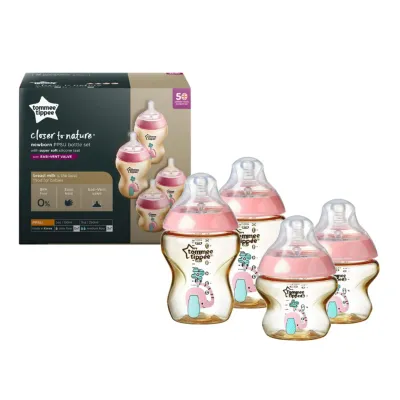
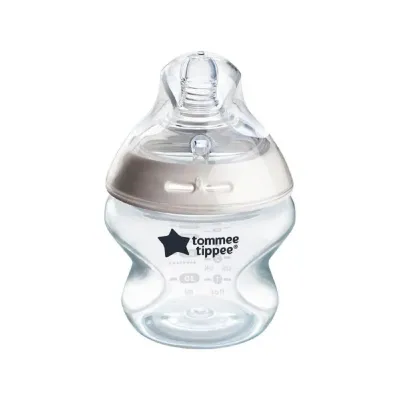
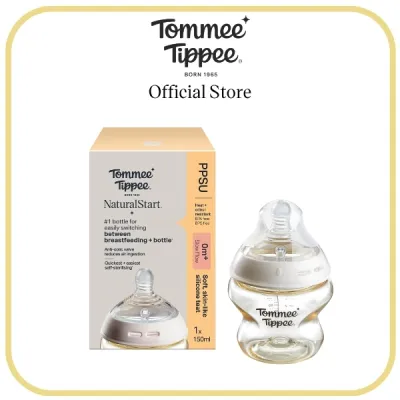
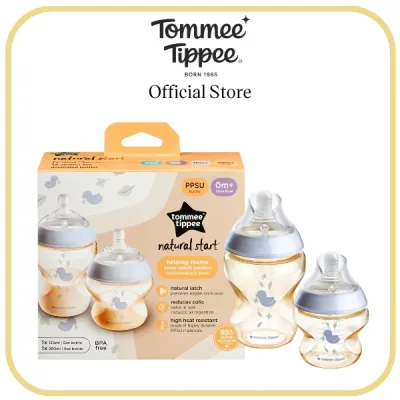
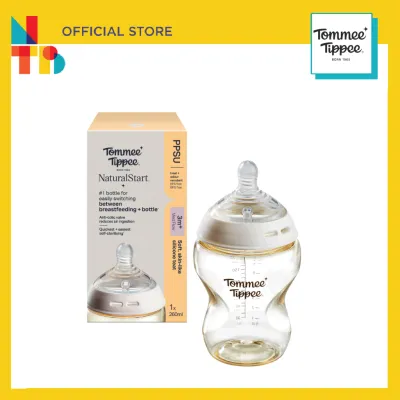
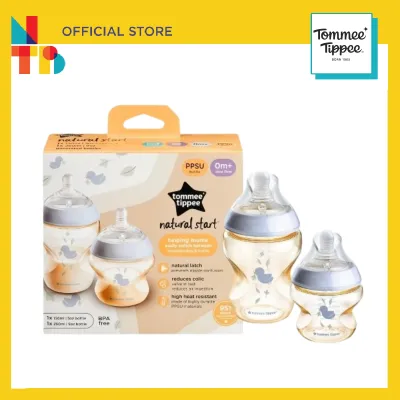
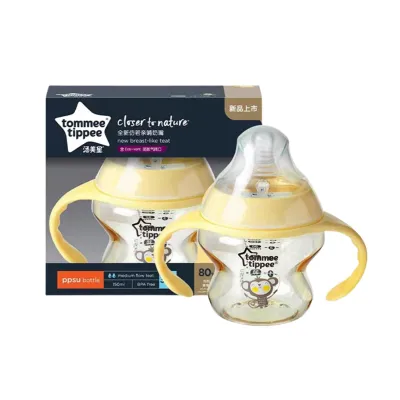
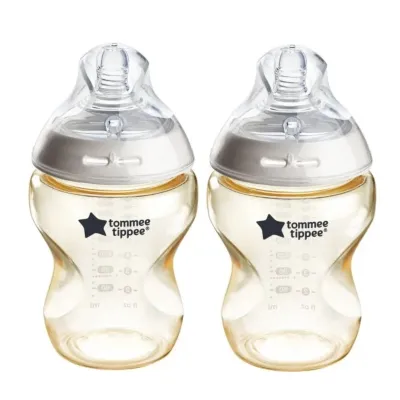
Prices are valid at publication and may change. Please refer to the product page for the latest price.
Heat retention and warming speed also differ noticeably between the two materials. Glass is an excellent conductor of heat, meaning it warms up quickly when placed in a bottle warmer or a bowl of warm water. However, this high thermal conductivity also means that glass bottles lose heat faster in cool, air-conditioned rooms. PPSU has different thermal properties; it may take slightly longer to warm up initially, but it tends to maintain a stable temperature more consistently during a feed. Regardless of the material, caregivers must always test the milk temperature on the inside of their wrist before feeding.
Visual clarity is another practical consideration for accurate measurements. Glass bottles maintain crystal-clear transparency throughout their lifespan, allowing you to read the measurement markings easily even in dim lighting. PPSU has a natural, distinct honey-colored or amber tint. While PPSU is highly transparent, this amber hue can slightly alter the visual appearance of the milk and may require closer inspection under good lighting to read the printed milliliter and ounce markings accurately.
| Feature | PPSU Bottles | Glass Bottles |
|---|---|---|
| Weight | Extremely lightweight and easy to carry | Substantially heavier; can cause hand fatigue |
| Impact Resistance | Shatterproof; highly resilient to drops | Fragile; prone to cracking or shattering |
| Visual Clarity | Transparent with a natural amber/honey tint | Crystal clear; does not discolor over time |
| Warming Speed | Moderate; heats up gradually | Fast; responds quickly to warm water |
| Odor & Stain Resistance | High, but can stain with certain liquids | Excellent; completely resistant to odors and stains |
Durability, Cleaning, and Safety Inspections
Durability is a primary concern for busy households where drops and knocks are inevitable. Glass bottles are fragile and can crack, chip, or shatter when dropped on hard surfaces such as tile, stone, or concrete floors. PPSU is renowned for its extreme impact resistance. It does not shatter or crack easily, making it a highly resilient option for active families, outdoor trips, or environments where bottles are frequently handled by multiple caregivers.

Regular safety inspections are essential for both materials to ensure infant safety. For glass bottles, caregivers must perform a visual and tactile check before every feed. Run a finger carefully along the rim, screw threads, and base to detect any micro-cracks, chips, or sharp edges that could cause injury or harbor bacteria. For PPSU bottles, inspect the interior and exterior for deep scratches, persistent cloudiness, or structural softening. If you detect any physical compromises, the bottle must be retired immediately.
Sterilization compatibility and cleaning routines must align strictly with the manufacturer’s guidelines. Both PPSU and glass can withstand high temperatures, making them compatible with steam, boiling water, and UV sterilizers. However, glass is susceptible to thermal shock; exposing a cold glass bottle to boiling water or vice versa can cause it to crack instantly. When cleaning PPSU, avoid using abrasive wire brushes or harsh chemical detergents, as these can create micro-scratches on the plastic surface. Instead, use soft silicone brushes and mild baby bottle cleansers to preserve the material’s integrity.
Feeding Experience and Baby's Comfort
The material of the bottle directly influences how your baby experiences their feed. Because glass transfers heat rapidly, the exterior of the bottle can feel quite warm to the touch immediately after heating. Caregivers must handle warmed glass bottles carefully to avoid discomfort. PPSU transfers heat more gradually, meaning the exterior remains comfortable to hold throughout the feeding session, providing a more consistent tactile experience for both parent and child.
As infants grow and develop the motor skills required to hold their own bottles—typically between six and ten months of age—the weight of the bottle becomes a critical factor. A full glass bottle can be too heavy for a young baby to lift independently and poses a safety risk if dropped onto their face or body. The lightweight profile of PPSU allows older infants to transition to self-feeding more comfortably and safely, though close adult supervision is always necessary during these developmental milestones.
Nipple compatibility and flow consistency are vital for preventing feeding issues such as colic or gas. Tommee Tippee bottles utilize specific anti-colic venting systems, such as those found in the Closer to Nature or Advanced Anti-Colic ranges. Caregivers must verify that the nipples and venting valves match the specific bottle collection, as parts are not always interchangeable between different product lines. Ensure that the anti-colic valve is clear and functioning correctly before each feed to maintain a steady milk flow and prevent nipple collapse.
Cost, Replacement Triggers, and Long-Term Value
Evaluating the financial investment of baby bottles involves comparing upfront costs against long-term replacement needs. PPSU is a premium medical-grade plastic, which generally makes it more expensive upfront than standard polypropylene (PP) bottles. Its price point is often comparable to, or sometimes higher than, high-quality glass bottles. Glass bottles also represent a significant initial investment but can offer excellent long-term value if they are handled carefully and do not break.
Replacement triggers differ significantly between the two materials. Glass bottles do not degrade over time, do not absorb odors, and do not stain, meaning they can theoretically be used indefinitely as long as they remain free of chips, cracks, or deep scratches. PPSU bottles, while highly durable, are still subject to gradual wear from frequent sterilization and cleaning. Caregivers should replace PPSU bottles if they show signs of permanent cloudiness, stubborn stains, lingering odors, or structural changes that do not resolve with thorough cleaning.
Regardless of the bottle material you choose, silicone nipples and venting valves wear out much faster than the bottle shells themselves. Nipples should be inspected daily for tears, changes in flow rate, or stickiness, and they typically require replacement every two to three months. Caregivers should factor in the ongoing cost of replacing these silicone components when calculating the overall long-term value of their chosen feeding system.
How to Choose the Right Material for Your Routine
To finalize your decision, consider how your daily lifestyle and feeding habits align with the unique characteristics of each material. A condition-based approach can help you select the bottle type that will integrate most seamlessly into your family’s routine.
Choose PPSU if:
- You travel frequently, commute often, or send your baby to a daycare facility where lightweight, shatterproof bottles are preferred.
- Your baby is transitioning to self-feeding and needs a lightweight bottle that they can easily hold and tilt independently.
- You want a highly durable, heat-resistant bottle that can withstand frequent high-temperature sterilization without the risk of shattering.
Choose Glass if:
- The primary feeding environment is at home, where the bottle can be prepared, used, and cleaned in a controlled space.
- You prefer a material that is completely resistant to scratching, staining, and absorbing odors over long-term use.
- You prioritize a classic, highly transparent material and do not mind the extra weight or the need for careful handling.
Verify first if:
- You plan to mix and match accessories, collars, or nipples from different Tommee Tippee product lines. Always check the specific neck size and collection compatibility (such as Closer to Nature) before purchasing replacement parts to ensure a secure, leak-free seal.
Frequently Asked Questions (FAQ)
Can I use the same Tommee Tippee nipples on both PPSU and glass bottles?
No, you cannot assume universal compatibility. Tommee Tippee produces several distinct bottle lines, including the Closer to Nature and Advanced Anti-Colic collections, which feature different collar shapes, neck widths, and venting mechanisms. You must verify that the nipple design matches the specific bottle collection and neck size rather than assuming they will fit across all PPSU and glass models. Using incompatible parts can lead to leaks, improper venting, or feeding discomfort for your baby.
How do I know when it is time to replace a PPSU or glass bottle?
For glass bottles, you must replace them immediately if you detect any chips, cracks, deep scratches, or sharp edges during your daily inspections. For PPSU bottles, look for signs of material degradation such as persistent cloudiness, stubborn stains, lingering odors, or a sticky texture that does not wash away. Always follow the manufacturer’s recommended replacement timeline, and replace silicone nipples at the first sign of wear, thinning, or damage.
Community discussion
Share your experience or ask a question. Comments are reviewed before publication.