
Choosing the right baby bottle material is a fundamental decision that directly impacts your daily feeding routine, cleaning workload, and peace of mind. While both PPSU (polyphenylsulfone) and glass are highly regarded options in modern infant care, they serve different lifestyles and developmental stages. PPSU offers a lightweight, shatterproof alternative that excels during travel and self-feeding milestones, whereas glass provides a highly scratch-resistant, durable, and odor-free surface that many parents prefer for controlled home environments. Understanding how these materials perform under daily wear, sterilization, and handling is key to selecting the option that best fits your family’s needs.
In Singapore’s fast-paced environment, where parents often balance home feeding with infant care centers or outdoor outings, the choice between PPSU and glass often comes down to convenience versus material longevity. Neither material is universally superior; rather, each has distinct physical properties that dictate how it should be handled, cleaned, and eventually replaced. By examining the practical trade-offs of each option, you can establish a safe, efficient, and comfortable feeding routine for your baby.
Understanding PPSU and Glass: Core Material Traits
To make an informed decision, it is essential to understand what PPSU is and how it compares physically to traditional glass. PPSU, or polyphenylsulfone, is a high-performance, medical-grade plastic known for its exceptional thermal stability and durability. Unlike standard clear plastics, PPSU possesses a natural honey or amber tint. This warm, golden hue is an inherent characteristic of the raw material and is not a sign of age, wear, or chemical degradation. When purchasing these bottles, parents should expect this distinct coloration rather than a perfectly clear appearance.
Products mentioned in this guide
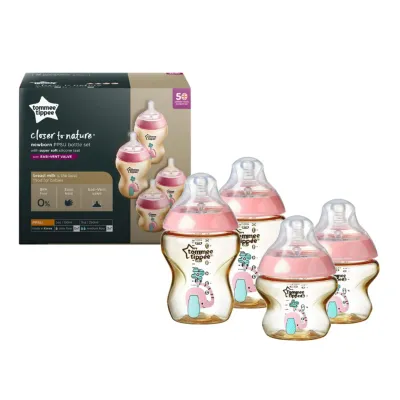
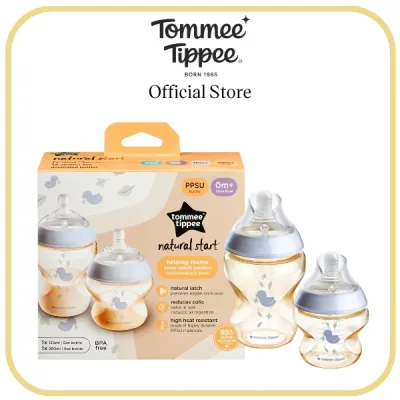
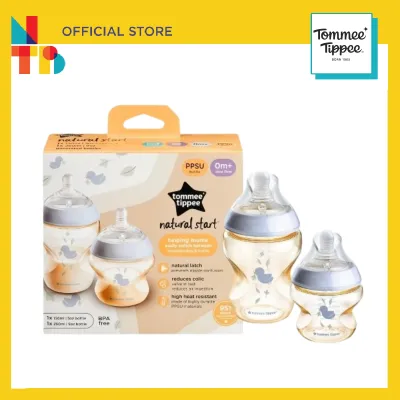
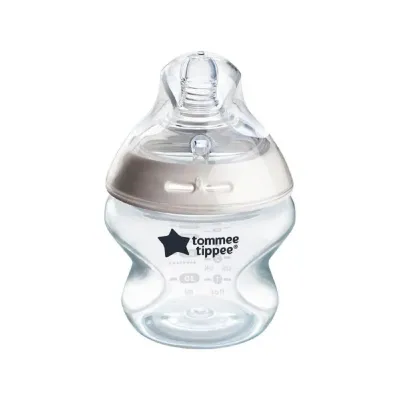
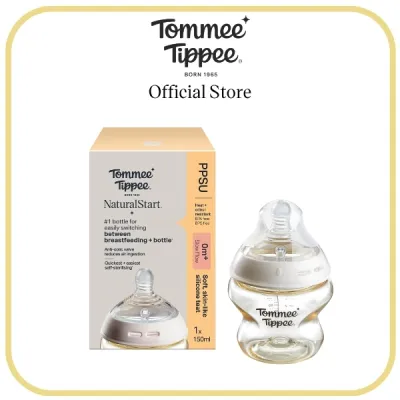
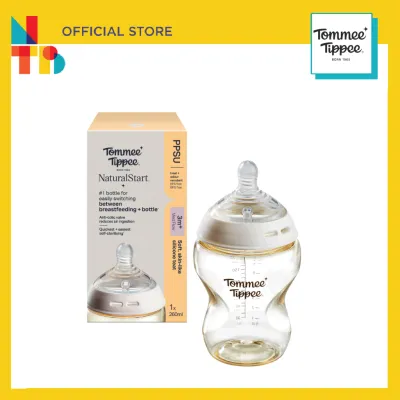
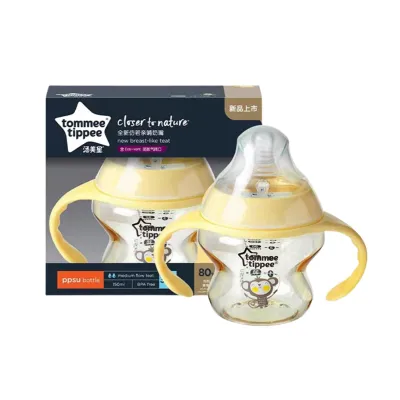
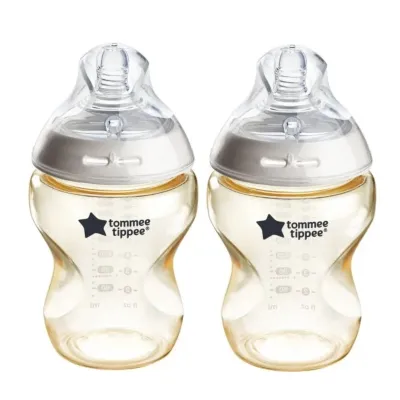
Prices are valid at publication and may change. Please refer to the product page for the latest price.
Traditional glass bottles, on the other hand, offer complete visual clarity, allowing you to easily monitor the milk level and check for any residue during cleaning. Glass is a classic, non-porous material that does not absorb odors, colors, or flavors over time. However, because glass is naturally heavy and rigid, it requires a different level of care during handling compared to lightweight polymers.
When evaluating either material, parents must verify the manufacturer’s labels and product documentation for specific material grades and safety declarations. It is important to confirm that the bottles are certified as BPA-free and BPS-free, as these chemical standards are critical for infant feeding products. Rather than making assumptions based on visual appearance alone, always check the packaging or official product guides to ensure the bottle meets current safety standards. Additionally, keep in mind that slight variations in the amber tint of PPSU bottles can occur between production batches, which is entirely normal and does not affect the safety or performance of the bottle.
Durability and Daily Handling: Drops, Weight, and Grip
The physical demands of daily feeding change rapidly as your baby grows, making durability and weight crucial factors in your decision. Glass bottles are highly durable in terms of scratch resistance, but they are inherently susceptible to shattering or chipping if dropped on hard surfaces, such as tile or concrete floors. For this reason, glass bottles require careful handling by caregivers. To mitigate the risk of breakage, many parents choose to use protective silicone sleeves, which provide a better grip and absorb some impact if the bottle slips from your hand.

PPSU bottles excel in shatter resistance, making them virtually unbreakable during normal daily use. This makes PPSU an excellent choice for households with active toddlers or hard flooring. If a PPSU bottle is dropped from a high chair or tossed across the room, it will not shatter, reducing the risk of injury from broken shards and preventing messy spills. This drop resistance provides peace of mind, especially during hectic feeding times or when traveling outside the home.
Weight is another critical consideration, particularly as your baby transitions to self-feeding. Glass bottles are significantly heavier than PPSU alternatives, which can make it difficult for a young infant to hold the bottle independently. As babies develop their motor skills and wrist strength, a lighter bottle like PPSU allows them to practice holding and tilting the bottle with greater ease and safety. Caregivers should always supervise babies during feeding, regardless of the bottle material, to ensure proper positioning and prevent choking.
Regardless of whether you choose PPSU or glass, regular physical inspections are necessary to maintain feeding safety. Over time, both materials can experience wear. Caregivers should inspect the bottle’s exterior and interior surfaces before every feed. Look for deep scratches, chips, cracks, or persistent cloudiness. In glass bottles, even minor chips around the rim or threads can compromise the seal and pose a safety hazard. In PPSU bottles, deep scratches can harbor bacteria and make thorough cleaning difficult. If any signs of structural compromise are detected, the bottle should be replaced immediately.
Cleaning and Sterilization: Maintaining Hygiene Over Time
Maintaining a hygienic feeding system requires consistent cleaning and sterilization, and both PPSU and glass have specific requirements you must follow. Before sterilizing your bottles, always refer to the manufacturer’s instruction manual to verify the maximum temperature tolerance for each component. While both high-quality glass and PPSU are designed to withstand high temperatures, other parts like silicone nipples, plastic collars, and caps may have lower heat thresholds. Verifying these limits prevents warping, melting, or premature degradation of the feeding system.
Glass is naturally resistant to odors, stains, and scratches, making it exceptionally easy to clean. It can withstand repeated sterilization cycles—whether through boiling, steam, or UV sterilizers—without losing its clarity or structural integrity. Because the surface of glass is highly scratch-resistant, you can use standard bottle brushes without worrying about creating micro-scratches where bacteria could accumulate. This makes glass a highly hygienic option for long-term use.
PPSU also boasts excellent heat resistance, often higher than standard plastics like PP (polypropylene), allowing it to endure frequent steam, boiling, or UV sterilization. However, because PPSU is still a polymer, its surface is softer than glass and can be susceptible to micro-scratches over time if abrasive cleaning tools are used. To prevent this, caregivers should use soft-bristle brushes, such as silicone or sponge brushes, rather than stiff nylon or wire brushes. Avoiding abrasive cleaners helps preserve the smooth interior surface of the bottle, ensuring it remains easy to sanitize.
Over extended periods of use, all bottles will eventually show signs of aging. For PPSU, look out for persistent cloudiness, a sticky texture, or deep scratches that do not disappear after thorough washing. For glass, inspect for hairline cracks, chips around the collar threads, or a dull surface appearance. These changes indicate that the material’s integrity has been compromised, and the bottle should be discarded and replaced. Establishing a routine replacement schedule based on the manufacturer’s guidelines helps ensure your baby’s feeding equipment remains safe and hygienic.
Matching Bottles to Your Daily Feeding Scenarios
Selecting between PPSU and glass often depends on where and how the feeding takes place. Glass bottles are highly suited for controlled home environments. In a stable kitchen or nursery setting, the weight of the bottle is manageable, and the risk of dropping it on hard outdoor surfaces is minimized. Parents who prioritize a highly sterile, odor-free container for breast milk or formula storage often prefer glass for home use, as it can transition easily from the refrigerator to a bottle warmer without absorbing any surrounding food odors.
For on-the-go scenarios, travel, or daycare, PPSU is often the more practical choice. Its lightweight nature makes it easy to pack multiple bottles into a diaper bag without adding unnecessary bulk or weight. Furthermore, many daycare centers have strict policies prohibiting glass containers due to the safety hazards associated with accidental breakage. PPSU provides a safe, durable alternative that complies with these safety regulations while offering the high temperature resistance needed for the intensive sterilization routines common in childcare facilities.
Your baby’s developmental stage is another key factor in matching the bottle to the scenario. During the newborn phase, when parents do all the holding and feeding, the weight of a glass bottle is rarely an issue. However, as your baby reaches six months and beyond, they will begin showing interest in holding the bottle themselves. Transitioning to a lightweight PPSU bottle during this stage supports their developmental milestones by making it easier for small hands to grip and control the bottle, while eliminating the safety risks associated with dropped glass.
Verifying Safety and Accessory Compatibility
A bottle is not just a container; it is a complete feeding system that relies on a precise seal between multiple components. When using Tommee Tippee bottles, it is vital to ensure that all accessories—including nipples, collars, travel discs, and caps—are officially approved by the manufacturer for the specific bottle line and neck size you are using. Mixing and matching parts from different brands, or even different product lines within the same brand, can lead to poor fitment, persistent leaks, and compromised feeding performance.
One critical area to monitor is the anti-colic venting system. Many modern bottles utilize specialized valves or vents integrated into the nipple or collar to regulate air flow and reduce gas. When assembling your bottles, always check that the venting valve is clear, undamaged, and properly aligned. A poor seal between the collar and the bottle rim—whether due to mismatched parts or worn-out threads—can disrupt the venting mechanism, causing the nipple to collapse or milk to leak during feeding. Always perform a quick leak check with water before filling the bottle with breast milk or formula.
Over time, repeated assembly, cleaning, and sterilization can cause wear on both the bottle threads and the silicone accessories. Inspect the silicone nipples regularly for signs of wear, such as tearing, thinning, or changes in flow rate. If you notice that the bottle threads on either a PPSU or glass bottle have become stripped, or if the collar no longer screws on securely, stop using the bottle immediately. Using compromised components can lead to sudden leaks or spills, which can be particularly hazardous if the liquid is warm. If you encounter persistent sealing issues, consult the manufacturer’s customer service or refer to the official product documentation for troubleshooting guidance.
Decision Framework: Choosing the Right Bottle for Your Routine
To finalize your choice, consider how each material aligns with your specific lifestyle, budget, and feeding preferences. This decision framework can help you determine which option fits best into your daily routine.
Choose PPSU if:
- You need lightweight, travel-friendly bottles, or your baby is learning to self-feed and drops are frequent.
- You prefer a shatterproof option that is easy to pack and carry for daycare or outdoor outings.
Choose Glass if:
- You primarily feed at home, prioritize a highly scratch-resistant surface for easy cleaning, and do not mind the extra weight.
- You prefer a non-porous material that naturally resists odor and stain retention over long-term use.
Verify first if:
- You are using third-party sterilizers, bottle warmers, or dishwashers, ensuring the material's heat tolerance matches the device's exact specifications.
- Your chosen bottle accessories, such as nipples and collars, are fully compatible with the specific bottle neck size.
Frequently Asked Questions (FAQ)
Can I use the same nipples and collars for both PPSU and glass bottles?
Compatibility between bottle components depends entirely on the specific product line and neck size design rather than the material of the bottle itself. For example, if both your PPSU and glass bottles belong to the same wide-neck product family, the nipples and collars are typically designed to be interchangeable. However, you must always verify this compatibility by checking the manufacturer’s official packaging, product manuals, or website before mixing parts. Using components from incompatible lines can result in improper sealing, leaks, or a malfunction of the anti-colic venting system, which can disrupt your baby’s feeding.
Community discussion
Share your experience or ask a question. Comments are reviewed before publication.