
Choosing the right anti-colic bottle system involves balancing your baby’s feeding comfort with your daily cleaning routine. The Tommee Tippee modulator valve system offers a middle ground between the highly structured, multi-part internal vent system of Dr. Brown’s and the minimalist, integrated nipple-valve design of Philips Avent. While all three systems aim to reduce the amount of air your baby swallows during feeds, they achieve this through distinct mechanical designs that directly impact assembly, cleaning, and overall usability in your kitchen.
Understanding how these venting mechanisms operate can help you select a bottle that matches your baby’s feeding style. Some infants require a highly active venting system to manage severe gas, while others thrive with a simpler, low-maintenance valve. By comparing the physical structures, daily maintenance demands, and specific design benefits of each brand, you can make an informed decision that supports your baby’s digestive comfort and fits seamlessly into your daily caregiving schedule.
How the Anti-Colic Systems Work: Design and Mechanism
Tommee Tippee’s Advanced Anti-Colic system utilizes a three-piece venting technology designed to route air away from the milk. This system consists of a vent wheel, an internal venting tube, and a silicone star valve—often referred to as the modulator valve—at the bottom of the tube. When your baby feeds, air is drawn through the vent wheel at the collar, travels down the tube, and passes through the star valve into the empty space at the base of the bottle. This design ensures that air bypasses the liquid entirely, preventing bubbles from forming in the milk, while the star valve acts as a one-way barrier to prevent milk from traveling up the tube.
Products mentioned in this guide
Prices are valid at publication and may change. Please refer to the product page for the latest price.
Dr. Brown’s Natural Flow system relies on a fully internal green or blue vent insert and reservoir tube. As your baby feeds, air enters the bottle collar and is routed directly through the internal tube to the area above the liquid, completely bypassing the milk or formula. This continuous airflow mechanism prevents vacuum build-up and creates a positive-pressure flow that closely mimics breastfeeding. Because the air does not mix with the liquid, it minimizes aeration, which is designed to reduce bubble formation and limit milk oxidation during the feed.
Philips Avent takes a different approach with its built-in nipple valve and optional AirFree vent insert. The standard Philips Avent Anti-colic nipple features an integrated valve that flexes as your baby feeds, allowing air into the bottle to prevent vacuum build-up rather than letting it enter your baby’s stomach. For additional venting, the single-piece AirFree vent insert can be added to the bottle neck. This insert is designed to keep the nipple full of milk even when the bottle is held horizontally, allowing for more upright feeding positions to help reduce air ingestion.
While these engineering designs aim to minimize air intake, actual colic reduction depends heavily on individual baby physiology, latch quality, and feeding pace. No bottle design can guarantee a universal cure for colic or reflux. Caregivers should check manufacturer specifications for age-appropriate nipple flow rates, as a flow rate that is too fast or too slow can cause a baby to gasp or swallow excess air regardless of the venting system used.
Comparing Daily Usability: Cleaning, Assembly, and Leaks
The complexity of these anti-colic systems varies significantly, which directly impacts your preparation time and daily workload. Dr. Brown’s bottles feature the highest number of individual components, requiring you to assemble the bottle, collar, nipple, cap, vent insert, and reservoir tube for every feed. Tommee Tippee’s Advanced Anti-Colic bottles also require a multi-step assembly, involving the bottle, collar, nipple, cap, vent wheel, and the venting tube with its silicone star valve. In contrast, the standard Philips Avent Anti-colic bottle is highly streamlined, requiring only the bottle, collar, nipple, and cap, though adding the optional AirFree vent insert introduces one extra piece.

Cleaning these intricate parts requires patience and the right tools. Both Dr. Brown’s and Tommee Tippee systems include narrow internal tubes and small valve openings that cannot be reached with a standard bottle brush. You must use specialized, ultra-thin wire brushes to clear away milk fat and formula residue from these tight spaces. In warm and humid climates, ensuring these small components are thoroughly cleaned and completely dry is critical to prevent mold, mildew, or bacterial growth. Philips Avent’s wide-neck design and simpler valve structure make it much easier to clean with standard brushes, saving valuable time during late-night cleaning sessions.
Anti-colic bottles can be prone to leaking if they are not assembled with precision. For Tommee Tippee, a misaligned star valve or a twisted silicone membrane can cause milk to bypass the seal and leak from the collar. Dr. Brown’s bottles can leak if the liquid level exceeds the maximum fill line, or if the bottle is warmed with the vent system fully tightened. Warming formula or breast milk causes air inside the bottle to expand, forcing liquid up the internal vent tube and out through the collar threads. To prevent this, always warm the bottle with the collar loosened, and tighten it only right before feeding.
Always consult the specific product manual for safe sterilization limits and part replacement schedules. High temperatures from steam sterilizers or UV sterilizers can degrade silicone valves and plastic tubes over time, causing them to warp, lose their seal, or crack. Inspecting the star valves, vent inserts, and nipples regularly for signs of wear is essential to maintain the integrity of the anti-colic system and ensure safe feeding.
Choosing the Right Anti-Colic Bottle for Your Baby
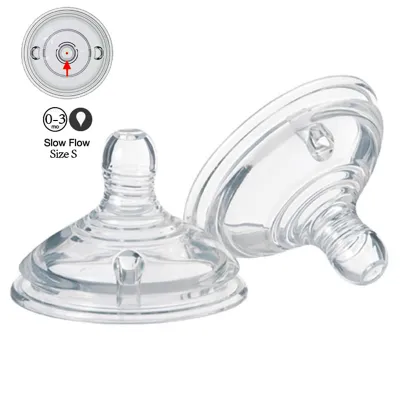
Tommee Tippee is highly suitable if your baby prefers a wider, breast-like nipple shape that encourages a natural latch. The Closer to Nature nipple design is wider than standard nipples, making it a popular choice for babies transitioning between breast and bottle. Choose Tommee Tippee if you want an active tube-venting system that routes air away from milk but prefer a slightly more integrated valve design than other multi-part systems.
Dr. Brown’s is often recommended for babies experiencing persistent gas, severe spit-up, or colic symptoms. If your baby is highly sensitive to air bubbles and you are willing to manage the extra cleaning steps, the fully vented internal tube system provides a highly consistent, vacuum-free flow. It is particularly favored by parents who do not mind washing multiple small parts in exchange for maximum air separation.
Philips Avent is the ideal choice if you prioritize simplicity, quick assembly, and easy cleaning. The built-in nipple valve or the single-piece AirFree insert offers effective venting without the hassle of cleaning narrow tubes. It is well-suited for busy caregivers who want a reliable, standard-shaped bottle that is easy to maintain and assemble quickly, especially during night-time feeds.
If your baby consistently rejects a specific bottle, keep in mind that neither system may be a perfect fit. Babies have distinct preferences for nipple shapes, textures, and flow rates. You may need to experiment with alternative nipple materials, different flow sizes (such as moving to a slower flow to prevent gulping), or practice paced bottle feeding techniques to help your baby manage the milk flow naturally.
Before relying solely on bottle design to manage feeding difficulties, verify if your baby has underlying medical conditions such as gastroesophageal reflux (GERD), silent reflux, or swallowing difficulties. Anti-colic bottles can support comfortable feeding, but they are not medical treatments. Always consult a pediatrician or a qualified healthcare professional to address persistent feeding issues or health concerns.
Frequently Asked Questions (FAQ)
Can I mix Tommee Tippee nipples with Dr. Brown's or Philips Avent bottles?
Mixing nipples, collars, or valves from different anti-colic systems is highly discouraged. Each brand designs its venting mechanism to work as a cohesive, sealed unit. Using a Tommee Tippee nipple on a Dr. Brown’s or Philips Avent bottle can compromise the vacuum release, alter the intended milk flow rate, and lead to severe leaks. To ensure safety, proper vacuum release, and consistent milk flow, always use only manufacturer-approved, matching components for your specific bottle system.
When should I stop using an anti-colic bottle system?
You can look for several observable signs that your baby may no longer require an anti-colic venting system. As babies grow, their digestive systems mature, and they naturally swallow less air. Signs of readiness include consistently reduced gas or spit-up after feeds, an improved ability to pace their own drinking, and the developmental milestone of sitting upright independently. When these milestones are met, you can check the manufacturer’s age and weaning guidelines, or consult your pediatrician for personalized advice on transitioning to standard bottles or open cups.
Community discussion
Share your experience or ask a question. Comments are reviewed before publication.