
Choosing between Tommee Tippee glass and silicone baby bottles does not come down to finding a single, universally ideal material. Instead, the right choice depends on your baby’s developmental stage, your daily washing routine, and your personal handling preferences. Both materials offer distinct physical characteristics that alter how you prepare, feed, and clean. While glass provides a traditional, highly scratch-resistant option, silicone offers a modern, lightweight, and drop-resistant alternative. By evaluating how each material fits into your specific household setup, you can select the bottle type that most effectively supports your feeding journey.
Evaluating these options requires looking closely at how they perform during real-world feeding routines. From the weight of the bottle in your hand to how quickly it warms up in the middle of the night, these practical differences directly impact your daily experience as a caregiver.
Comparing Glass and Silicone for Daily Feeding Routines
Weight and grip play a significant role in how comfortable a bottle is to use for both caregivers and growing babies. Glass bottles are naturally heavier, which can provide a sturdy, premium feel in a caregiver’s hand during supported feeding sessions. However, this added weight can make it difficult for older infants who are beginning to develop the motor skills required to hold their own bottles. In contrast, silicone is exceptionally lightweight and flexible, offering a soft, tactile grip that is often easier for small hands to grasp. Caregivers should check the manufacturer’s product specifications for the exact weight of each bottle size to assess whether their baby has reached the developmental stage and physical strength required to hold it safely.
Products mentioned in this guide
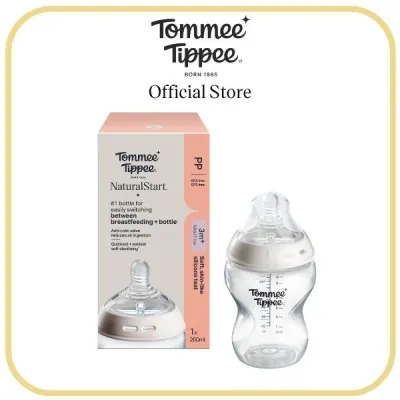
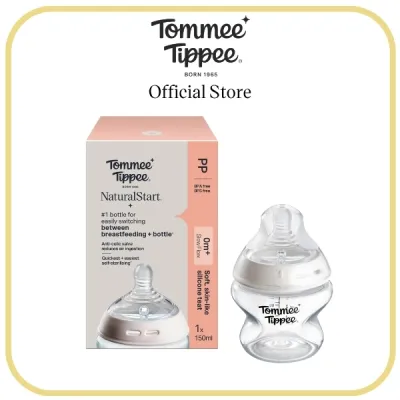
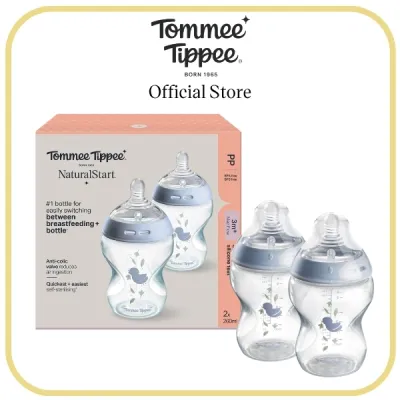
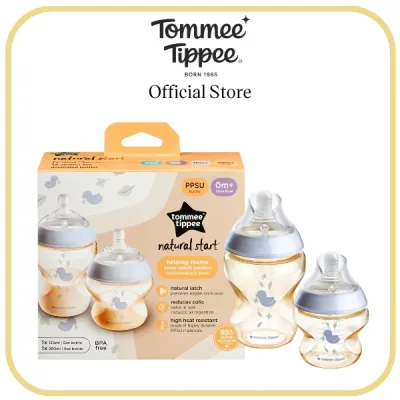
Prices are valid at publication and may change. Please refer to the product page for the latest price.
Heat retention and warming efficiency are also critical factors to consider, especially during late-night feedings when time is of the essence. The thermal properties of glass and silicone differ significantly, which directly impacts how quickly milk or formula reaches the desired temperature. Glass is an efficient conductor of heat, meaning it typically warms up quickly when placed in warm water, but it can also cool down rapidly if left in a cool room. Silicone, acting as an insulator, tends to transfer heat more slowly, which might require a slightly different warming approach or a longer wait time. To ensure safe feeding, caregivers must verify the recommended warming times and maximum temperature limits printed on the product labels rather than assuming both materials heat at the same rate. Always test the liquid temperature on your wrist before feeding.
Durability and breakage risks are top-of-mind concerns for parents managing a busy household. Glass bottles carry an inherent risk of shattering or chipping if dropped on hard surfaces, such as tile floors or outdoor pavements. This requires careful handling and regular inspection; caregivers must check glass bottles for hairline cracks, chips, or sharp edges before every single use. Silicone bottles are highly drop-resistant and will not shatter when dropped, making them a popular choice for active households or travel. However, silicone is a softer material that is susceptible to structural damage from sharp objects, such as kitchen utensils or aggressive scrubbing brushes. Caregivers should inspect silicone bodies for structural tears, punctures, or thinning before assembly.
Safety, Sterilization, and Maintenance Checks
Keeping feeding equipment clean is vital for your baby’s health, but different materials react differently to high temperatures and cleaning agents. Glass is highly heat-tolerant and compatible with most standard sterilization methods, including boiling, electric steam, and microwave sterilizers. Silicone is also highly heat-resistant, but its specific temperature thresholds can vary depending on the manufacturing process and any integrated plastic components, such as the collar or base. Caregivers must check the manufacturer’s maximum temperature guidelines for both glass and silicone components before using boiling water, steam sterilizers, or UV sterilizers, as exceeding these limits can cause warping or premature degradation.

Over time, both glass and silicone will show signs of wear that indicate they need to be replaced to maintain hygiene and safety. Glass bottles are highly durable and scratch-resistant, but they can eventually develop deep scratches, internal cloudiness, or micro-cracks from repeated washing and thermal shock. If you observe any deep scratches or cloudiness that does not wash away, it is time to replace the bottle. Silicone is a softer, more porous material that can absorb oils from milk, leading to discoloration, a sticky texture, or swelling over months of use. If a silicone bottle feels sticky to the touch, shows persistent discoloration, or appears swollen or misshapen, stop using it immediately and replace the bottle body.
A secure seal is essential to prevent leaks and ensure the proper functioning of anti-colic venting systems. Tommee Tippee bottles rely on specific collar and nipple designs to regulate airflow and milk flow. Because glass and silicone have different structural rigidities, the way the collar threads onto the bottle neck can vary. Caregivers must verify that their chosen bottle material and specific collection (such as the Closer to Nature or Advanced Anti-Colic lines) are fully compatible with the intended nipple flow rate and venting system. Never force a collar onto a bottle if it does not thread smoothly, as this can compromise the seal and cause feeding issues.
Decision Framework: Choosing the Right Material for Your Baby
To make the most suitable choice for your family, it helps to weigh these material characteristics against your specific feeding environment and daily constraints.
Choose glass if you prioritize maximum scratch resistance and a material that does not retain food odors or colors over long-term use. Glass is ideal for caregivers who prefer a heavier, highly stable bottle during supported feeding sessions and who have a controlled, careful washing environment where the risk of dropping is minimized. It is also an excellent choice for those who prefer traditional materials and plan to sterilize bottles frequently at high temperatures.
Choose silicone if you need a lightweight, highly portable option that can withstand the bumps and drops of daily life. Silicone is particularly suited for older babies who are transitioning to self-feeding and need a soft, squeezable texture that is easy to grip. It is also the practical choice for frequent travel, daycare, and on-the-go use where carrying heavy glass is inconvenient and the risk of breakage on hard outdoor surfaces is high.
Verify first if you are transitioning your baby between different bottle materials, as some infants have strong sensory preferences regarding the weight, texture, and flexibility of their bottle. Additionally, if you plan to use specific third-party bottle warmers or specialized sterilization equipment, verify the physical dimensions and heat compatibility of both the glass and silicone options beforehand. Testing a single bottle of each material can help you observe your baby’s grip and feeding response before investing in a full set.
Frequently Asked Questions (FAQ)
Can I mix glass and silicone bottles in the same sterilizer?
Yes, you can generally sterilize glass and silicone bottles together, but you must take specific precautions to ensure safety. Different materials have different thermal tolerances, and the plastic collars, valves, and nipples associated with each bottle type may have lower heat thresholds than the glass or silicone bodies themselves. Before running a mixed-material cycle, check the lowest maximum temperature threshold among all the items placed in the sterilizer. Always consult the specific user manuals for both your sterilizer and your bottle components to confirm recommended cycle times and loading configurations, ensuring that no parts are placed too close to heating elements where localized overheating could occur.
Do Tommee Tippee glass and silicone bottles use the same nipples and collars?
Not necessarily. Compatibility depends entirely on the specific product collection or series rather than just the material of the bottle body. Tommee Tippee designs several distinct bottle lines, such as the Closer to Nature and Advanced Anti-Colic ranges, which feature different neck widths, threading patterns, and venting mechanisms. A collar or nipple designed for a Closer to Nature glass bottle may not fit or seal correctly on an Advanced Anti-Colic silicone bottle. To avoid leaks and feeding frustration, always check the product packaging or the official manufacturer descriptions to confirm cross-compatibility before purchasing replacement nipples, collars, or accessories.
Community discussion
Share your experience or ask a question. Comments are reviewed before publication.