
The choice between Tommee Tippee glass, plastic, and silicone bottles comes down to balancing weight, durability, and cleaning preferences. Plastic bottles are lightweight, shatterproof, and highly convenient for on-the-go feeding or when your baby starts holding the bottle independently. Glass bottles offer a durable, non-porous surface that resists stains and odors, making them exceptionally long-lasting, though they are heavier and prone to breaking if dropped. Silicone bottles provide a soft, squeezable texture that closely mimics the feel of skin, which can be highly beneficial for babies transitioning between breastfeeding and bottle-feeding.
To make the right choice, evaluate how each material fits into your daily routine, sterilization setup, and baby’s developmental stage. Each material has distinct characteristics that affect daily handling, cleaning, and long-term value. By understanding these differences, you can select the bottle type—or combination of types—that best supports your baby’s feeding journey.
Core Profiles of Tommee Tippee Bottle Materials
Tommee Tippee offers bottles in three primary materials to accommodate different parental preferences and infant feeding behaviors. Each material serves a specific purpose in a baby’s feeding routine, and understanding their basic physical properties is the first step in making an informed decision.
Products mentioned in this guide
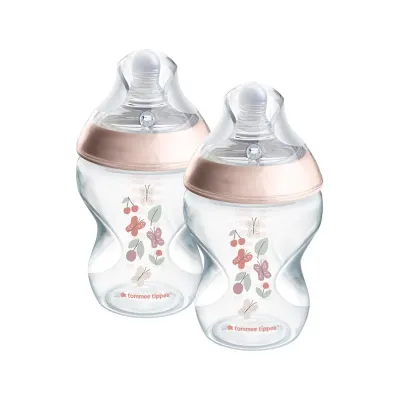
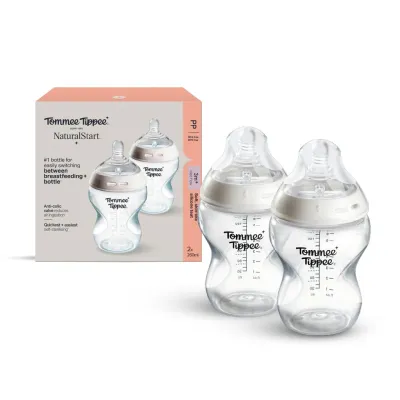
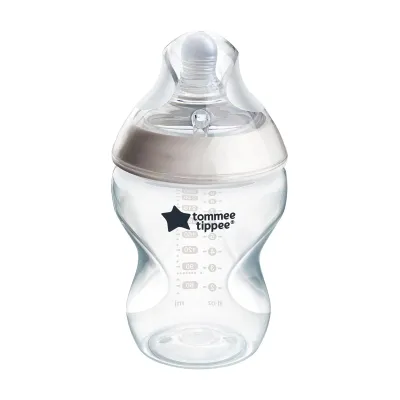
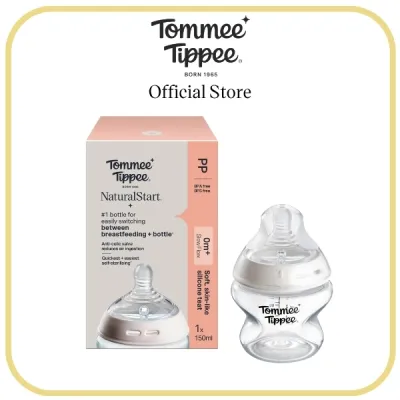
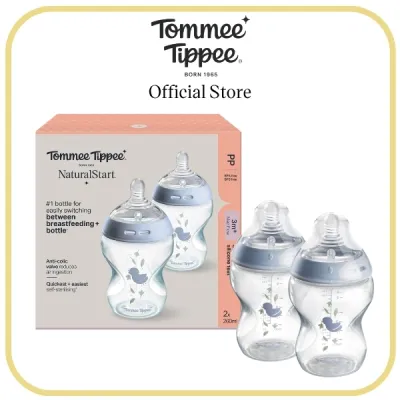
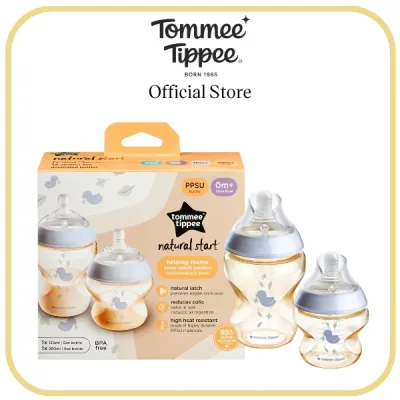
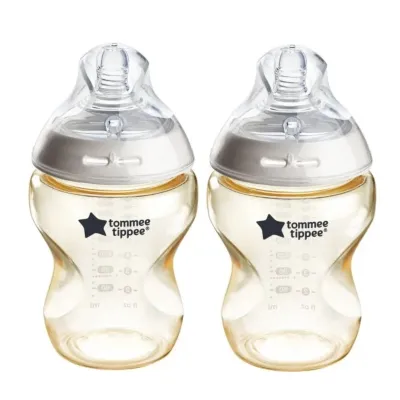
Prices are valid at publication and may change. Please refer to the product page for the latest price.
Plastic bottles in the Tommee Tippee range are typically made from polypropylene (PP) or polyphenylsulfone (PPSU). Polypropylene is the most common material used for standard baby bottles because it is lightweight, highly impact-resistant, and cost-effective. PPSU is a premium medical-grade plastic that offers higher heat resistance and durability than standard PP, though both options are designed to be completely shatterproof. These plastic bottles are the standard choice for everyday use, especially when traveling or sending supplies to a daycare center.
Glass bottles represent a traditional feeding option that has seen a significant resurgence among modern parents. Tommee Tippee glass bottles are typically constructed from borosilicate glass, which is engineered to withstand rapid temperature changes better than standard glass. This material is naturally free of many chemical compounds, does not absorb food colors or odors, and maintains its crystal-clear appearance throughout its lifespan. However, the inherent weight of glass and its vulnerability to impact mean it requires careful handling and close caregiver supervision during feeds.
Silicone bottles are a more recent innovation in the infant feeding market, designed to bridge the gap between breast and bottle. The body of a Tommee Tippee silicone bottle is made from food-grade silicone, which is soft, flexible, and warm to the touch. This pliable texture allows parents to gently squeeze the bottle to assist with milk flow if necessary, and it provides a tactile experience that feels more natural to a breastfeeding infant. Silicone is also highly durable and shatterproof, offering a middle ground between the lightweight nature of plastic and the non-porous benefits of glass.
Durability, Weight, and Daily Handling Compared
When evaluating baby bottles, daily handling and physical durability are critical factors that directly impact your feeding routine. The weight of the bottle affects not only your comfort during long feeding sessions but also your baby’s ability to develop self-feeding skills as they grow.

Plastic and silicone bottles are exceptionally lightweight, making them easy to pack in a diaper bag and comfortable to hold for extended periods. As babies reach the developmental stage where they begin to grasp and hold their own bottles, lightweight materials are highly advantageous. A lighter bottle reduces fatigue on your baby’s developing muscles and minimizes the risk of the bottle dropping onto their face or chest during a feed. Silicone, with its soft and grippy texture, is particularly easy for small hands to hold securely without slipping.
In contrast, glass bottles are significantly heavier than both plastic and silicone alternatives. While an adult can easily manage the weight of a glass bottle, it can be too heavy and cumbersome for an infant or toddler to hold independently. If you choose glass, you should plan to hold the bottle yourself during every feed, even as your baby grows older. This weight factor makes glass less suitable for independent feeding stages, though it remains an excellent option for the early months when parents do all the holding.
Shatter resistance is another area where these materials diverge dramatically. Plastic and silicone are virtually indestructible under normal household conditions; they can survive repeated drops onto hardwood floors, tiles, or concrete without cracking or breaking. Glass, even thermal-shock-resistant borosilicate glass, carries an inherent risk of breaking, chipping, or cracking upon impact. A dropped glass bottle can create immediate safety hazards from sharp shards, requiring parents to inspect the bottle thoroughly before and after every use.
The tactile grip of each material also influences the feeding experience. Silicone bottles offer a unique, flexible grip that feels soft and warm, which many parents find comfortable to hold during late-night feeds. Plastic bottles are rigid but easy to grip due to their contoured shapes, which are designed to fit comfortably in both adult hands and baby hands. Glass bottles have a smooth, rigid surface that can become slippery when wet or when condensation forms, often prompting parents to purchase protective silicone sleeves to improve grip and add a layer of impact protection.
Safety, Cleaning, and Sterilization Checks
Maintaining strict hygiene is essential for infant health, and each bottle material requires specific care during cleaning and sterilization. Parents must understand how these materials interact with heat, cleaning agents, and sterilization equipment to ensure long-term safety and hygiene.
Before sterilizing any Tommee Tippee bottle, it is crucial to verify the manufacturer’s specific guidelines for your particular model. Different materials have varying temperature tolerances, and using an incompatible sterilization method can damage the bottle. For instance, while glass and silicone can withstand very high temperatures, certain plastics may degrade or warp if exposed to extreme heat for prolonged periods. Always check the packaging or user manual to confirm whether your bottles are safe for boiling, steam sterilization, or UV sterilizers.
Staining and odor retention are common issues that parents encounter with baby bottles, particularly during long-term use. Plastic is a porous material, meaning it can absorb microscopic food particles, fats, and pigments over time. This can lead to persistent odors, cloudiness, and unsightly stains from colored liquids or dishwashing cycles. Glass and silicone are non-porous materials that resist staining and do not retain odors, ensuring that the bottle remains clean, clear, and fresh-smelling even after months of use.
Chemical safety is a primary concern for parents when selecting feeding products. While modern baby bottles are widely manufactured to be free of Bisphenol A (BPA), parents should always inspect current product labels and packaging to verify safety claims. Formulations, manufacturing standards, and regulatory requirements can update over time. When using plastic bottles, some parents express concern about the potential release of microplastics during high-temperature heating or sterilization. If this is a concern for you, glass or silicone options provide a reassuring alternative, as they do not pose the same microplastic risks.
Regardless of the material you choose, regular inspection is vital for your baby’s safety. You should inspect plastic bottles for scratches, as deep scratches can harbor bacteria and make thorough cleaning difficult. Glass bottles must be checked for hairline cracks, chips, or internal stress fractures before every single feed. Silicone bottles should be inspected for tears or punctures, particularly around the collar or base where the material may experience more stress during assembly and disassembly.
Cost and Long-Term Value Considerations
The financial investment required for baby bottles involves both the upfront purchase price and the long-term replacement costs. Understanding the lifecycle of each material helps parents make a cost-effective decision that aligns with their budget.
Standard plastic bottles are generally the most budget-friendly option upfront, making them highly accessible for parents who need to purchase a large starter set. However, plastic bottles have a shorter lifespan than glass or silicone. Over time, plastic is prone to scratching, clouding, and absorbing odors, which typically requires parents to replace them every few months for hygiene reasons. This frequent replacement cycle can add up, potentially narrowing the long-term cost difference between plastic and higher-priced materials.
Glass and silicone bottles carry a higher upfront premium, but they offer excellent long-term value due to their durability. A high-quality glass bottle can theoretically last through multiple children, provided it is not dropped or chipped. Because glass does not degrade, scratch easily, or retain odors, you only need to replace the silicone nipples as your baby grows or as the nipples wear out. Silicone bottles also offer great longevity because they do not crack or degrade like plastic, though they may require a slightly higher initial investment.
When managing your bottle inventory, nipple and accessory compatibility is an important factor to consider. Tommee Tippee nipples are designed to fit specific bottle ranges, such as their Closer to Nature or Advanced Anti-Colic lines. While the nipples are generally consistent across the same product line, you must confirm that the bottle collars, caps, and travel lids are fully compatible when mixing different materials. Using mismatched components can lead to leaks, improper venting, or feeding difficulties, so always verify compatibility before assembling your bottles.
Decision Framework: Which Material Fits Your Needs?
To finalize your decision, it is helpful to evaluate your lifestyle, feeding setup, and your baby’s specific developmental needs. No single material is universally superior; instead, the best choice depends on how you plan to use the bottles.
You should choose plastic bottles if you prioritize lightweight convenience, portability, and budget-friendly options. Plastic is ideal for families who travel frequently, send their children to daycare, or want to encourage their baby to hold the bottle independently. It is also the most practical choice if you want to minimize the risk of breakage during hectic daily routines.
You should choose glass bottles if you prefer a highly hygienic, non-porous material that is easy to clean and free of plastic components. Glass is best suited for parents who primarily feed their baby at home, have a reliable sterilization routine, and do not mind holding the heavier bottle during feeds. It is an excellent investment for parents looking for long-lasting durability across multiple children.
You should choose silicone bottles if your baby is transitioning between breastfeeding and bottle-feeding, or if you want a soft, tactile bottle that is shatterproof and easy to grip. Silicone is ideal for babies who respond well to a skin-like feel and for parents who want the hygienic benefits of a non-porous material without the breakage risks associated with glass.
Before making your final purchase, always verify if your baby has specific feeding requirements, such as reflux or colic. Ensure that the bottle shape and material you select support the correct nipple flow rate and the appropriate anti-colic venting system recommended for your baby’s age and development. If you notice persistent feeding issues, fussiness, or excessive gas, stop use and consult a qualified healthcare professional or lactation consultant for personalized guidance.
Frequently Asked Questions (FAQ)
This section addresses common practical questions about managing different bottle materials in your daily routine.
Can I mix different Tommee Tippee bottle materials for the same baby?
Yes, you can use different bottle materials for the same baby, as long as you maintain consistency in the nipple shape and flow rate. Babies are generally more sensitive to the texture, shape, and flow of the nipple than they are to the material of the bottle body itself. If your baby accepts a specific Tommee Tippee nipple style, they will likely transition smoothly between glass, plastic, and silicone bodies. However, always double-check that the bottle collars and nipples are fully compatible and properly sealed within the specific product line you are using to prevent leaks.
Are Tommee Tippee glass bottles safe for travel?
While glass bottles can be used for travel, they require extra care due to the risk of breakage. If you plan to take glass bottles outside the home, it is highly recommended to use protective silicone sleeves, if available for your specific bottle model, to absorb impacts and improve grip. For convenience and safety during outings, many parents prefer to reserve glass bottles for home use and pack lightweight, shatterproof plastic or silicone bottles in their diaper bags for travel, daycare, or outdoor activities.
Community discussion
Share your experience or ask a question. Comments are reviewed before publication.