
Evaluating whether a laundry detergent is safe for a newborn requires looking past front-label marketing and examining the actual ingredient list. Because a newborn’s skin barrier is significantly thinner and more permeable than an adult’s, it is highly susceptible to chemical residues left on clothing, bedding, and swaddles. While Tollyjoy is a familiar household name, determining if its formulation suits your infant involves checking the packaging details, understanding common chemical components, and observing how your baby’s skin reacts over time. This guide helps you navigate the ingredient panel on Tollyjoy products—including the popular tollyjoy detergent refill pouches—so you can make an informed decision for your family’s laundry routine.
In Singapore’s warm and humid climate, babies sweat frequently, which can trap detergent residues against their delicate skin and trigger irritation. Choosing a mild, clean-rinsing formula is essential to prevent contact dermatitis and heat rash. By learning how to decode the ingredient list on your detergent packaging, you can ensure that every wash cycle keeps your newborn’s clothes clean without compromising their skin health.
Locating and Reading Ingredients on Tollyjoy Refill Packs
When purchasing laundry care products, opting for a tollyjoy detergent refill pouch is a common way to manage household expenses and reduce plastic waste. However, flexible refill packaging often presents design challenges when it comes to reading product information. Unlike rigid plastic bottles with flat, spacious back labels, flexible pouches can crease, fold, or feature smaller print, making the ingredient panel slightly more difficult to locate and read.
Products mentioned in this guide
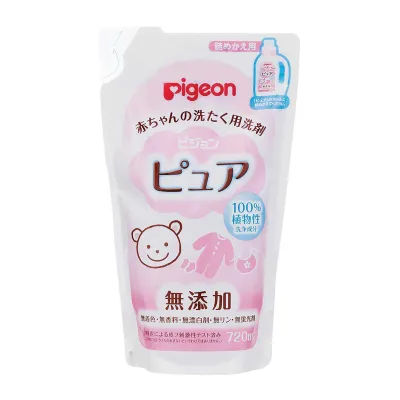
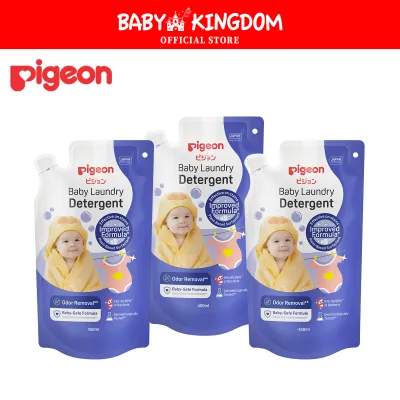
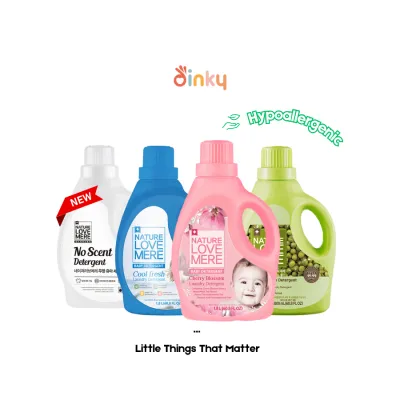
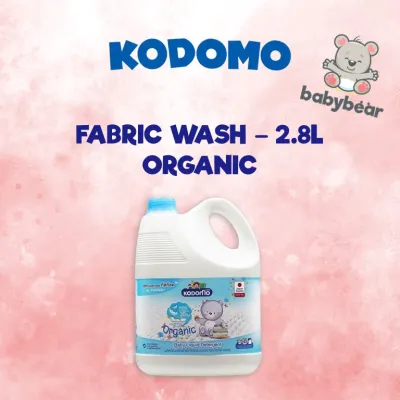
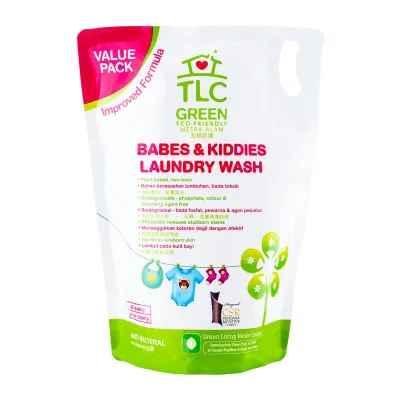
Prices are valid at publication and may change. Please refer to the product page for the latest price.
To find the formulation details on a refill pouch, inspect the back panel, typically near the bottom seam or alongside the usage instructions. Manufacturers generally list ingredients in descending order of concentration. The top of the list is usually dominated by water or liquid solvents, followed by active cleaning agents, and ending with low-concentration additives such as preservatives, pH adjusters, or fragrances.
It is important to review this panel every time you purchase a new batch. Manufacturers occasionally update their formulations to improve performance, comply with new environmental standards, or source alternative raw materials. A quick scan of the refill pouch ensures that no new fragrance compounds or preservatives have been introduced since your last purchase, helping you maintain a consistent and safe laundry routine for your newborn.
Evaluating Common Detergent Components for Newborn Skin
To assess whether a baby detergent is truly gentle, you must understand the roles of the primary chemical groups found in laundry formulas. Surfactants are the core cleaning agents responsible for lifting milk stains, spit-up, and soil from fabric fibers. While plant-derived surfactants (such as those derived from coconut or palm oil) are generally considered milder than petroleum-based alternatives, any surfactant can cause dryness if it is not thoroughly rinsed from the fabric.

Fragrances are another critical category to evaluate on the ingredient label. Both synthetic perfumes and natural essential oils can act as skin sensitizers for newborns. Even if a product is marketed as having a “clean” or “baby-fresh” scent, the chemical compounds responsible for that aroma can linger in the fabric fibers and rub off on your baby’s skin. If your newborn has extremely sensitive skin or a family history of eczema, fragrance-free formulas are generally the safest starting point.
Additionally, pay close attention to additives like optical brighteners, enzymes, and preservatives. Optical brighteners are synthetic chemicals designed to remain on clothes to reflect light and make fabrics appear whiter; however, they do not contribute to actual cleanliness and can cause skin irritation. Enzymes are highly effective at breaking down organic stains like milk and baby food, but some infants may react to specific enzyme residues. Preservatives are necessary to prevent bacterial growth in water-based liquid detergents, but you should verify that the formula avoids harsh preservatives like formaldehyde-releasers or paraben compounds.
Interpreting Safety Claims and Packaging Certifications
Product packaging is often covered with appealing claims such as “hypoallergenic,” “mild,” “gentle,” or “specially formulated for babies.” It is vital to recognize that many of these terms are marketing descriptors rather than standardized, legally defined medical classifications. A product labeled “hypoallergenic” simply means it is formulated to minimize the risk of allergic reactions, but it does not guarantee that your specific baby will not react to it.
To validate these claims, look for objective indicators on the packaging, such as dermatological testing seals or independent laboratory certifications. These symbols indicate that the formula has undergone clinical patch testing on human subjects under the supervision of dermatologists to verify its low irritation potential. If these seals are present, they provide an extra layer of reassurance beyond basic marketing claims.
Always review the manufacturer’s specific usage instructions and safety warnings printed on the back of the pack. Proper dosage is critical; using more detergent than recommended does not make clothes cleaner. Instead, it leaves excess soap residue trapped in the fabric fibers, which can irritate your newborn’s skin. Ensure you adjust the dosage based on your load size and whether you are using a front-loading or top-loading washing machine, as front-loaders require less sudsing detergent to rinse clean.
Introducing the Detergent and Monitoring for Irritation
Before committing to washing your newborn’s entire wardrobe with a new detergent, it is highly recommended to perform a controlled patch test on their clothing. Select a few small, non-essential items, such as a couple of washcloths or a single sleepsuit. Wash these items separately using the new detergent, ensuring you follow the recommended dosage and rinsing instructions carefully.
Once washed and dried, dress your baby in the test clothing and monitor their skin closely over the next 24 to 48 hours. Pay close attention to areas where the fabric fits snugly or rubs against the skin, such as the neck, wrists, thighs, and diaper line. Look for early signs of contact dermatitis, which can present as localized redness, dry or rough patches, tiny raised bumps, or unexplained fussiness that might indicate itching or discomfort.
If you observe any signs of skin irritation, discontinue using the detergent immediately. Re-wash all of the baby’s affected clothing in plain, warm water without any detergent to strip away any lingering residues. If the skin redness or rash persists, spreads, or causes your baby significant discomfort, consult a qualified pediatrician for professional medical advice and guidance on managing your infant’s skin sensitivity.
Frequently Asked Questions (FAQ)
Do I need to double-rinse baby clothes washed with this detergent?
While a single rinse cycle may suffice for babies with normal skin, running an extra rinse cycle is a highly effective precautionary measure for newborns. In Singapore, where water hardness and washing machine efficiency can vary, an additional rinse helps ensure that every trace of surfactant and fragrance residue is thoroughly flushed out of the fabric fibers. If your baby has sensitive skin or eczema, a double-rinse cycle provides peace of mind by minimizing the risk of chemical buildup on their clothing.
Can I use fabric softeners with Tollyjoy baby detergent?
It is generally best to avoid using fabric softeners when washing newborn clothing and bedding. Fabric softeners work by leaving a thin, chemical coating over the fabric fibers to make them feel smoother. This coating can trap detergent residues underneath it, reduce the natural breathability and absorbency of cotton baby garments, and potentially irritate your newborn’s delicate skin. To keep clothes soft naturally, consider line-drying them in a well-ventilated area or using a gentle, low-heat dryer cycle instead.
Are the ingredients in the refill pouch identical to the original bottle?
In most cases, manufacturers maintain the exact same formulation across different packaging formats, meaning the liquid inside a tollyjoy detergent refill pouch is identical to the product sold in the rigid plastic bottle. However, because regional formulation updates or batch variations can occasionally occur, it is always a good practice to perform a quick side-by-side comparison of the ingredient lists on both packages. If the ingredients match exactly, you can safely transition to using the refill pouches without altering your baby’s laundry routine.
Community discussion
Share your experience or ask a question. Comments are reviewed before publication.