
Deciding how to guide your child through potty training often comes down to choosing the right equipment for their developmental stage. The two primary options are a standalone potty chair and a specialized toilet seat for kids (also known as a toilet seat reducer) that fits directly over your existing adult toilet. The right choice depends on your child’s physical coordination, psychological comfort, and your home’s layout. While a standalone potty offers an approachable, low-to-the-ground start for younger toddlers, a toilet seat for kids helps older toddlers transition seamlessly to the family toilet. Many families find that matching the tool to their child’s current readiness signals—rather than a strict age milestone—leads to a smoother, less stressful potty training journey.
Quick Guide: Is Your Child Ready for a Toilet Seat Reducer or a Standalone Potty?
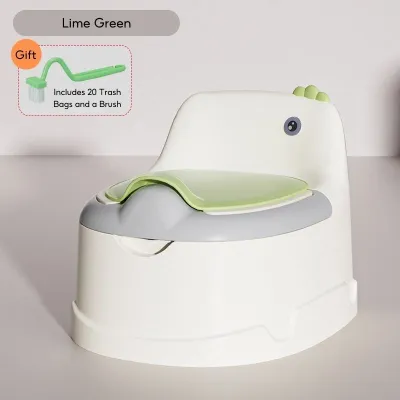
Potty training is not a one-size-fits-all milestone, and your child’s physical and emotional readiness should dictate your choice of gear. A standalone potty is typically the ideal starting point for younger toddlers who are just beginning their training journey. These low-profile chairs allow small children to sit with their feet planted firmly on the floor, providing the physical stability and pelvic alignment needed to push comfortably. It is also an excellent option for children who show anxiety or hesitation when approaching the standard household toilet.
Conversely, a toilet seat for kids is highly suited for older toddlers who have developed the physical coordination to climb a step stool and balance themselves at a greater height. This option appeals to children who exhibit a strong desire to imitate adult bathroom habits and want to use the “big toilet” just like their parents or older siblings. Instead of focusing solely on age, look for developmental cues such as balance, interest in adult bathroom routines, and the ability to follow simple multi-step instructions to determine which path to take.
Products mentioned in this guide
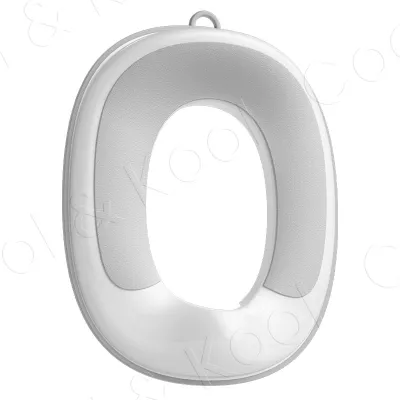
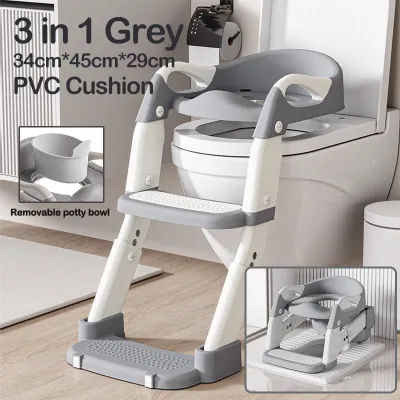
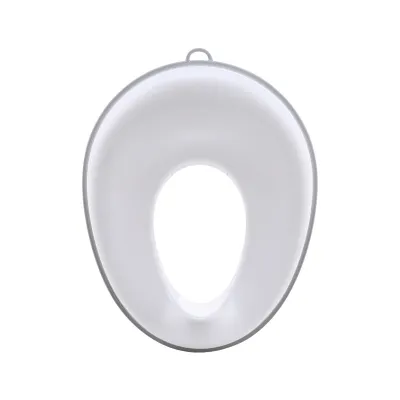
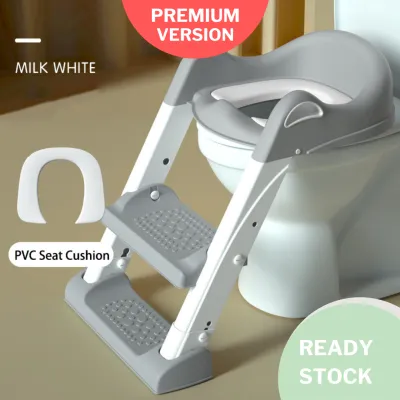
![[Cozy Nest] Premium Baby and Toddler Toilet Seat Gender-Neutral Specialized Kids PVC Seat Cushion Potty Training Solution for Boys and Girls](https://img.lazcdn.com/g/p/873339941a343221f0b25d9fc2da4016.png_400x400q80.png_.webp)
![[SG] Kids Travel Foldable Toilet Seat/ Baby Foldable Travel Potty Seat/ Kids Folding Toilet Training Seat Cover](https://img.lazcdn.com/g/p/d0f64ba2678c26156c57f25b7d66c912.jpg_400x400q80.jpg_.webp)
Prices are valid at publication and may change. Please refer to the product page for the latest price.
Standalone Potty vs. Toilet Seat for Kids: Key Differences at a Glance
Before committing to a specific training method, it is helpful to understand how these two tools function in your daily routine. A standalone potty is a self-contained, mobile plastic unit that sits directly on the floor, requiring no installation and allowing placement in any room of the house. A toilet seat for kids, on the other hand, is an insert or modified seat that reduces the opening of your adult toilet bowl so a small child can sit securely without falling in. This setup almost always requires the addition of a stable step stool to help the child reach the seat and rest their feet.

To help you compare the practical aspects of each option, the table below outlines the core structural and operational differences:
| Feature | Standalone Potty | Toilet Seat for Kids (Reducer) |
|---|---|---|
| Floor Footprint | Occupies dedicated floor space; must be positioned carefully in small bathrooms. | Minimal; sits on top of the existing toilet, though the step stool requires floor space. |
| Portability | Highly portable; can be moved from the bathroom to the living room or bedroom. | Stationary; fixed to a specific adult toilet, though the insert itself can be packed for travel. |
| Child Independence | High; low height allows toddlers to sit down and stand up completely unaided. | Moderate; requires climbing a step stool and turning around, which may require early supervision. |
| Cleanup Process | Requires manual emptying of the waste bowl into the toilet, followed by washing and sanitizing. | Simple; waste goes directly into the plumbing, requiring only occasional wiping of the insert. |
| Transition to Adult Toilet | Requires a secondary transition step as the child must eventually adapt to the big toilet. | Direct; the child is already accustomed to the adult toilet bowl, reducing future transition anxiety. |
Assessing Your Child's Readiness, Size, and Comfort Level
Understanding your child’s physical development and emotional state is essential for selecting a tool that builds confidence rather than frustration.
Physical Size and Climbing Ability
A child’s physical stature and motor skills play a decisive role in how safely they can use a toilet seat for kids. To use a reducer seat comfortably, a toddler must be able to climb a step stool, turn around, and sit down safely. Proper foot support is critical during this process; when a child sits on the toilet, their knees should ideally be bent slightly higher than their hips with their feet resting flat on a surface. This squatting posture relaxes the puborectalis muscle, making bowel movements significantly easier. If a child’s legs dangle from a high seat without a stool, they may struggle to push effectively and may feel physically insecure, leading to stool retention or resistance.
Psychological Comfort and Fear of Falling
The standard adult bathroom can be an intimidating environment for a small child. The large opening of an adult toilet, the deep water below, and the sudden, loud sound of a flushing mechanism can trigger genuine anxiety. A standalone potty mitigates these fears by keeping the child close to the ground, where they feel physically secure and in control of their movements. If your child exhibits fear or startles easily at loud noises, starting with a floor-level potty can prevent negative associations with bathroom routines.
Independence and Imitation
Toddlers are driven by a strong developmental desire for autonomy and imitation. If your child constantly watches you use the bathroom and attempts to mimic your actions, a toilet seat for kids can leverage this natural curiosity. Using the same toilet as the rest of the household makes them feel grown-up and accomplished. However, if your child values privacy or prefers to have a designated object that is exclusively theirs, a standalone potty placed in a quiet corner can provide a sense of ownership and comfort that encourages consistent use.
Evaluating Your Bathroom Setup and Daily Routine
The physical layout of your home and your daily schedule are just as important as your child’s readiness when deciding on potty training gear.
In Singapore, housing layouts often feature compact HDB or condominium bathrooms where floor space is at a premium. A standalone potty sitting on the floor can easily block the swing of the bathroom door, obstruct the walking path, or get wet in a combined wet-and-dry bathroom layout. If your bathroom is small, a toilet seat for kids that rests on the existing toilet bowl can keep the floor clear, though you must still account for the space needed to store a step stool when it is not in use.
Portability is another major factor during the initial weeks of training. Many parents prefer to keep a standalone potty in the living room or play area during the early days so that the child can access it immediately when they feel the urge. This setup minimizes accidents caused by the time it takes to walk to a distant bathroom. However, if you prefer to establish a strict boundary that bodily functions only occur within the bathroom, a toilet seat reducer keeps all training activities localized from day one.
When opting for a toilet seat reducer, you must also evaluate the surrounding environment for safety. Ensure there are stable surfaces or grab bars the child can hold onto while climbing. If your bathroom floor is frequently wet due to shower runoff, you must select a step stool with high-quality, non-slip rubber feet to prevent slipping during use.
Factoring in Cleaning, Maintenance, and Parent Convenience
The practical realities of daily maintenance can heavily influence how smoothly your potty training journey proceeds.
A standalone potty requires a multi-step cleaning routine after every single use. You must carefully carry the removable inner bowl to the adult toilet, empty the contents, rinse the bowl, and sanitize it with a child-safe disinfectant. This process carries a small but persistent risk of accidental spills, especially if the child attempts to help carry the bowl. For busy parents, this frequent cleanup can become a source of daily friction.
In contrast, a toilet seat for kids offers a much more streamlined workflow. Because the child urinates and defecates directly into the adult toilet, cleanup is as simple as flushing. The reducer seat itself only requires a quick wipe with a sanitizing cloth or a mild soap solution to maintain hygiene.
When shopping for either option, look for specific design features that simplify maintenance. For families training boys, a high, integrated splash guard is essential to prevent urine from spraying over the edge. Look for seamless plastic designs without deep crevices, foam padding, or fabric seams, as these areas can trap moisture and bacteria, leading to unpleasant odours and hygiene concerns over time.
When to Switch or Use Both: Transitioning Between Potty Stages
Potty training is a dynamic process, and many families find that their needs change as their child grows and gains confidence.
You can look for clear, observable signs that your child is ready to graduate from a standalone potty to a toilet seat for kids. These indicators include the child physically outgrowing the small potty, expressing boredom or dissatisfaction with their floor seat, or showing a persistent interest in using the family toilet. If your child is consistently dry during the day and successfully uses the standalone potty, transitioning to the adult toilet with a reducer is a natural next step that prepares them for public restrooms and preschool environments.
A hybrid approach is often highly effective for managing different times of the day or various areas of the home. For example, you might place a standalone potty in your child’s bedroom to handle nighttime or early morning emergencies when walking to the main bathroom in the dark might be difficult. At the same time, you can install a toilet seat for kids on the main bathroom toilet for daytime training.
Regardless of the path you choose, always verify the manufacturer’s guidelines for both products. Check the specified weight limits, age recommendations, and safety warnings for the potty seat and any accompanying step stools. Ensure that all stools are placed on flat, dry surfaces and that young children are supervised to prevent accidental falls.
Frequently Asked Questions (FAQ)
Can I use a toilet seat reducer without a step stool?
Using a toilet seat reducer without a step stool is generally not recommended for daily potty training. A step stool is essential because it allows your child to climb onto the toilet safely and independently. More importantly, a stool provides necessary foot support; without it, your child’s legs will dangle, which can cause physical instability and make it difficult to contract the abdominal muscles needed for comfortable bowel movements. Always refer to the manufacturer’s instructions to ensure your step stool is compatible with your toilet’s height.
At what age should I switch from a standalone potty to a toilet seat reducer?
There is no universal age at which you must switch from a standalone potty to a toilet seat reducer, as children develop physical coordination and bladder control at different rates. Instead of relying on an age milestone, look for signs of physical readiness, such as your child being able to climb stairs confidently, showing interest in the adult toilet, or outgrowing the physical dimensions of their floor potty. Most children make this transition between the ages of two and four years old.
Are foldable toilet seat reducers safe for daily use?
Foldable toilet seat reducers are highly convenient for travel and outings, but they may not be ideal as the primary seat for daily home use. When choosing a foldable model, it is crucial to inspect the locking mechanisms and hinge stability to ensure the seat does not collapse or pinch your child’s skin during use. Ensure the underside has secure, non-slip grips that prevent the seat from shifting on the adult toilet bowl. Always follow the manufacturer’s setup instructions carefully, and supervise your child during use to ensure safety.
Community discussion
Share your experience or ask a question. Comments are reviewed before publication.