
Selecting the right mattress firmness is one of the most critical decisions when setting up a toddler floor bed. For most toddlers, a medium-firm to firm mattress is the ideal choice. This specific firmness level provides the necessary structural support for a rapidly growing skeleton while offering enough surface cushioning to accommodate a toddler’s increasing weight and active sleeping positions. Unlike infants, who require an exceptionally rigid surface, toddlers benefit from a slight degree of pressure relief, provided the mattress does not allow them to sink deeply into the material.
Why Firmness Matters for Toddler Floor Beds
Safety remains the primary concern during the transition to a floor bed. While toddlers are stronger and more mobile than infants, overly soft sleeping surfaces still present real hazards. If a mattress is too soft, a sleeping child’s face can become obstructed if they roll onto their stomach, increasing the risk of suffocation. A firm surface ensures that the airway remains clear and unobstructed, regardless of how much the child moves during the night.
Beyond immediate safety, physical development is a key factor. A toddler’s bones, joints, and spine are growing at a rapid pace. During sleep, the muscles relax, leaving the skeletal system to rely entirely on the mattress for alignment. A mattress that sags or contours too deeply can cause the spine to curve unnaturally, potentially leading to discomfort or long-term posture issues. A firm foundation keeps the spine in a neutral position, supporting healthy physical growth.
Products mentioned in this guide
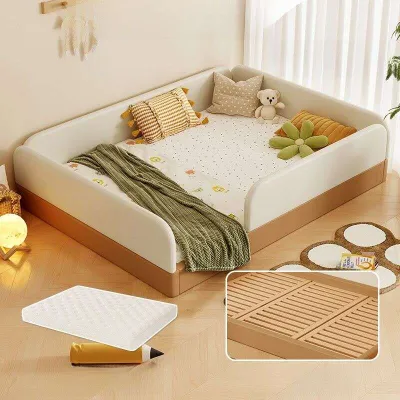
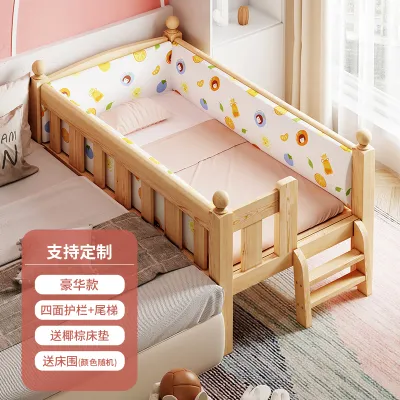
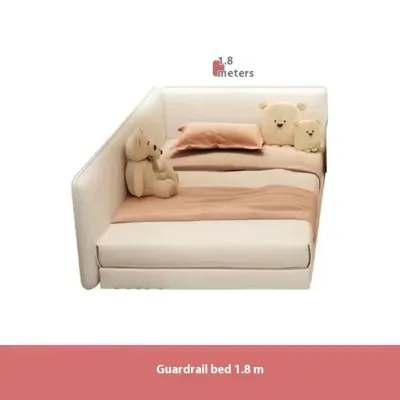
Prices are valid at publication and may change. Please refer to the product page for the latest price.
The unique nature of a floor bed setup also demands careful consideration of mattress firmness. Because the mattress sits directly on the floor or on a very low slatted base, it lacks the elevated airflow and flexible support of a traditional bed frame. A firm mattress prevents the child’s weight from pressing completely through the comfort layers to the hard floor beneath. This structural integrity ensures the mattress retains its supportive qualities over years of daily use.
Decoding Mattress Firmness Levels for Toddlers
Understanding the distinction between infant and toddler firmness needs is essential for making an informed purchase. Infants require an extra-firm mattress to prevent physical entrapment and support safe sleep. As children reach toddlerhood—typically around 12 to 18 months—their muscle strength and motor skills improve significantly. At this stage, they can safely transition to a medium-firm to firm mattress, which introduces a touch of comfort without sacrificing essential skeletal support.

A child’s weight and preferred sleeping position should guide your final choice. Toddlers who primarily sleep on their backs or stomachs require a firmer surface to keep their hips and shoulders aligned. Side sleepers may benefit from a medium-firm feel that offers a small amount of give for their shoulders and hips, preventing uncomfortable pressure points. However, the mattress must always remain firm enough to prevent any deep body contouring.
When shopping, look past generic marketing terms like ‘ultra-plush’, ‘orthopaedic’, or ‘pediatric-approved’. These labels are often subjective and vary widely between brands. Instead, carefully read the manufacturer’s product specifications, user manuals, and packaging labels. Look for explicit age and weight recommendations to ensure the mattress is engineered specifically for toddlers rather than older children or adults.
Key Specifications to Check Beyond Firmness
Mattress thickness and edge support play a vital role in floor bed safety. A mattress for a floor bed should ideally be relatively low-profile, typically between 10 to 15 centimetres thick. A thinner mattress minimizes the distance a toddler might roll if they accidentally tumble off the edge onto the floor. Additionally, robust edge support is crucial; it prevents the sides of the mattress from sagging when your child sits on the edge, reducing the risk of them sliding off or getting stuck in gaps.
In warm and humid climates, such as Singapore’s tropical environment, temperature regulation is a major comfort factor. Sleeping close to the floor can restrict natural air circulation around and beneath the mattress, leading to heat retention. Look for mattresses constructed with breathable materials, open-cell foam, or natural latex, which allow heat to dissipate. Verify the manufacturer’s cooling and ventilation specifications to ensure a comfortable sleep environment.
Hygiene and moisture management are equally important during the toddler years, which often coincide with toilet training. A high-quality, breathable waterproof cover or protector is highly recommended to shield the mattress core from spills and accidents. Ensure that any protector you add fits tightly around the mattress without bunching up or adding a thick, padded layer that could soften the sleeping surface and compromise safety.
How to Test and Verify the Mattress at Home
Once the mattress arrives, you can perform a few simple physical checks to verify its firmness. Press your hand firmly down into the center of the mattress and then release it. The surface should compress slightly under your weight but should immediately spring back to its original flat shape. If your hand leaves a deep, lasting impression or if the material feels spongy and slow to recover, the mattress may be too soft for a toddler.
Next, inspect the physical setup of the floor bed within the room. If you are using a frame, ensure the mattress fits snugly inside with no gaps wider than two fingers between the mattress edge and the frame. If the mattress is placed directly against a wall, check that it is pushed flush against the wall or kept far enough away to prevent your child from rolling into a tight space and becoming trapped.
Finally, observe your child during their first few nights on the new mattress. Watch their sleeping posture to ensure their body remains in a relatively straight, neutral line. They should be able to roll over, sit up, and move across the mattress surface easily without sinking or struggling against the material. If you notice them sinking deeply or waking up frequently due to discomfort, re-evaluate the mattress firmness.
Frequently Asked Questions (FAQ)
Can I use a standard adult mattress for a toddler floor bed?
Using a standard adult mattress for a toddler floor bed is generally not recommended. Adult mattresses are engineered to support much heavier weights and are often far too soft for a toddler’s developing skeletal structure. This lack of firmness increases the risk of airway obstruction and does not provide the rigid support needed for healthy spinal alignment. Always verify the manufacturer’s age and safety guidelines before repurposing any adult bedding for a young child.
When should I transition from a firm crib mattress to a softer toddler mattress?
Most children can safely transition from an extra-firm infant crib mattress to a medium-firm toddler mattress around 12 to 18 months of age. This transition often coincides with their move to a larger floor bed or toddler bed. However, because developmental milestones and physical growth rates vary, you should always consult the specific mattress manufacturer’s instructions and weight limits to determine the safest timing for your child.

Community discussion
Share your experience or ask a question. Comments are reviewed before publication.