
A toddler transitioning to a floor bed needs a mattress that balances firm support with comfortable cushioning. While older children and adults often prefer plush surfaces, toddlers require a firm to medium-firm mattress to support their rapidly developing skeletal systems and ensure safe breathing. Placing a mattress directly on the floor introduces unique environmental factors, such as restricted airflow and proximity to floor-level drafts, making the choice of mattress firmness and material construction even more critical. By understanding how to evaluate mattress specifications and perform simple physical checks, you can create a safe, supportive, and comfortable sleep environment for your child.
Why Mattress Firmness is Critical for Floor Beds
Placing a mattress directly on the floor changes how the sleep surface behaves compared to a raised bed frame with slats. Without a supportive base underneath, a mattress must rely entirely on its internal structure to distribute weight and maintain its shape. If a mattress is too soft, a toddler can sink deeply into the material, which increases the risk of positional asphyxiation or entrapment against nearby walls or the floor bed frame itself.
Proper spinal alignment is another essential consideration during early childhood development. Toddlers grow rapidly, and their bones and muscles require a stable, level surface to rest naturally without unnatural bending or pressure points. A mattress that is too soft can cause the heavier parts of the body, such as the hips and torso, to sag, leading to poor sleep posture and potential discomfort.
Products mentioned in this guide
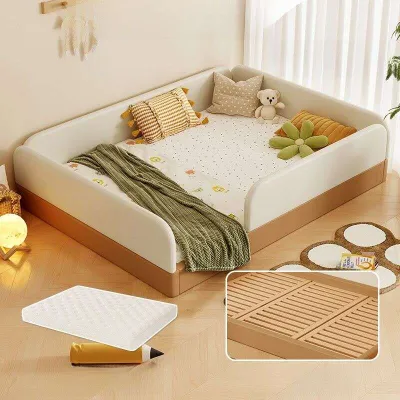
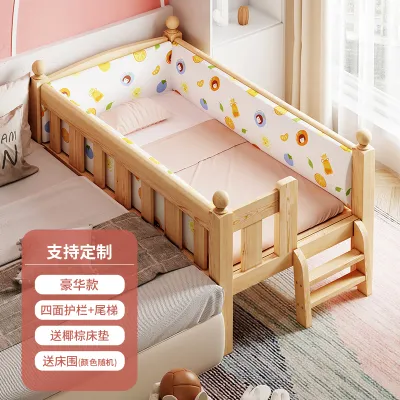
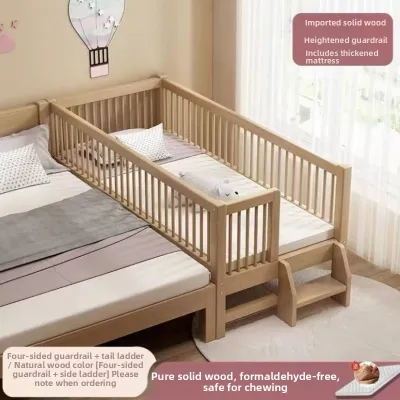

Prices are valid at publication and may change. Please refer to the product page for the latest price.
Furthermore, floor-level sleeping exposes the mattress to different thermal and moisture conditions than elevated beds. Cold air naturally settles near the floor, and without adequate ventilation underneath, body heat and moisture can become trapped. A firm mattress with a dense, breathable core helps mitigate these issues by preventing the child from sinking too deeply, which maintains better airflow around their body and reduces heat retention.
Decoding Firmness Specs: What the Labels Actually Mean
When shopping for a toddler floor bed mattress, relying on subjective marketing terms like “extra firm” or “plush” can be misleading. Instead, look for objective specifications provided by the manufacturer. Many manufacturers use a numerical firmness scale, typically ranging from 1 to 10, where 1 is extremely soft and 10 is highly rigid. For toddlers, a rating in the firm to medium-firm range—usually between 6 and 8—is generally recommended to provide the necessary support.

Many specialized toddler mattresses feature a dual-sided design to accommodate different developmental stages. One side is engineered to be extra-firm for infants, while the other side is slightly softer and more contoured for toddlers. If you are using a dual-sided mattress, check the manufacturer’s labels carefully to identify which side is currently facing up. Transitioning to the toddler side is typically appropriate once your child reaches a specific age or weight threshold, which you should verify in the product manual.
Beyond core firmness, secondary specifications play a significant role in floor bed safety and comfort. Look for mattresses with reinforced edge support, which prevents the edges from sagging when your child sits or rolls near the border. Additionally, verify the materials used in the mattress core and cover. Opt for breathable, hypoallergenic fabrics that promote airflow, and check the manufacturer’s documentation for safety standards regarding chemical emissions and flame resistance.
How to Physically Test and Verify Mattress Firmness
Before allowing your child to sleep on a new floor bed mattress, you should perform a few simple physical tests to verify its firmness. The hand-press test is a quick way to assess the surface resistance. Press your hand firmly down into the center of the mattress and then release it. A suitable toddler mattress should resist deep compression and rebound almost instantly to its original flat shape, leaving no lasting hand impression.
You can also observe your child’s posture while they are lying on the mattress. When your toddler is sleeping on their back or side, their spine should appear straight and natural, without any noticeable sagging at the hips or shoulders. If you notice that their body sinks significantly into the surface or that they struggle to roll over easily, the mattress may be too soft for their current weight and developmental stage.
Always cross-reference the physical condition of the mattress with the manufacturer’s guidelines regarding weight limits. As toddlers grow, their increased weight exerts more pressure on the mattress materials. Regularly check that your child’s weight remains within the recommended range specified by the manufacturer to ensure the mattress continues to provide adequate support.
Ongoing Safety Checks and When to Replace the Mattress
A mattress on the floor requires regular inspection to ensure it remains safe, supportive, and hygienic over time. Periodically check the surface for any signs of sagging, permanent body indentations, or soft spots, especially in the areas where your child typically sleeps. If the mattress fails to regain its flat shape or shows visible wear along the edges, it is time to replace it to prevent spinal misalignment or entrapment hazards.
Moisture management is a critical aspect of maintaining a floor bed. Because the mattress sits directly on the floor, moisture from spills, humidity, or sweat can accumulate underneath, leading to mold or dust mite growth. To prevent this, lift the mattress weekly to inspect the underside and the floor beneath it. Allow both the mattress and the floor to air out completely before placing the mattress back down.
If you observe any signs of mold, persistent dampness, or structural breakdown, stop using the mattress immediately. Always consult the manufacturer’s care instructions for specific cleaning and maintenance guidelines. If the manufacturer advises against placing the mattress directly on the floor without a slatted base or a specific barrier, follow those instructions to maintain the product’s safety and warranty.
Frequently Asked Questions (FAQ)
Is a Standard Adult Mattress Safe for a Toddler Floor Bed?
Standard adult mattresses are generally not recommended for toddlers, especially when placed on the floor. Adult mattresses are often designed with plush comfort layers that are far too soft for a young child’s safety and skeletal support. Additionally, adult mattresses lack the specific safety certifications and weight-limit guidelines required for toddler sleep products, increasing the risk of entrapment or suffocation if the child rolls off or becomes wedged against a wall.
Does a Floor Bed Mattress Require a Waterproof Protector?
Yes, a breathable, waterproof protector is highly recommended for a floor bed mattress. Moisture from spills, accidents, or floor-level humidity can seep into the mattress core, degrading the foam or spring materials and causing them to lose their firmness over time. When choosing a protector, select one that fits snugly without bunching, and ensure it is made from breathable materials that do not trap heat or alter the firm feel of the mattress surface.

Community discussion
Share your experience or ask a question. Comments are reviewed before publication.