
Ensuring your child’s safety on the road is one of the most critical responsibilities of parenthood. In Singapore, traffic regulations are strict when it comes to child passenger safety, mandating that anyone under the height of 1.35 metres must be secured with an appropriate child restraint. For parents of toddlers, this often means navigating the transition from a rear-facing or forward-facing harnessed car seat to a toddler booster seat. Understanding the legal requirements, safety standards, and practical installation steps is essential to keep your child secure and ensure your vehicle remains fully compliant with local laws.
While the transition to a booster seat represents a major milestone in your toddler’s development, it is not a step that should be rushed. A booster seat relies on the vehicle’s adult seatbelt to secure the child, which means the child must have reached the physical size and maturity required for the seatbelt to fit correctly. This guide provides a comprehensive overview of how to verify official height and age thresholds, identify legally recognized safety certifications, install the seat correctly, and avoid common compliance mistakes on Singapore’s roads.
Checking the Official Height and Age Thresholds
To ensure your toddler is riding legally, you must first consult the latest official guidelines from local traffic authorities, such as the Singapore Police Force and the Land Transport Authority. Under Singapore’s Road Traffic Act, the primary legal metric for determining whether a child needs a restraint is height rather than age. Specifically, any passenger under 1.35 metres in height must be secured in an approved child restraint appropriate for their height and weight. If a child has reached or exceeded 1.35 metres, they are legally permitted to use the vehicle’s standard adult seatbelt, though safety experts often recommend continued booster use until they fit the seatbelt perfectly.
Products mentioned in this guide
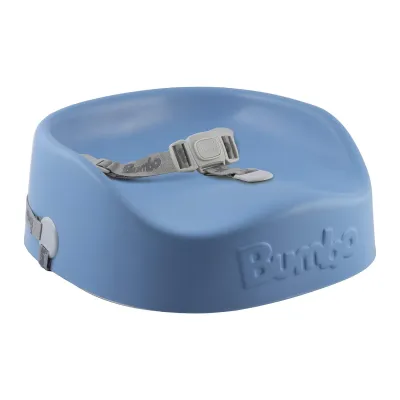
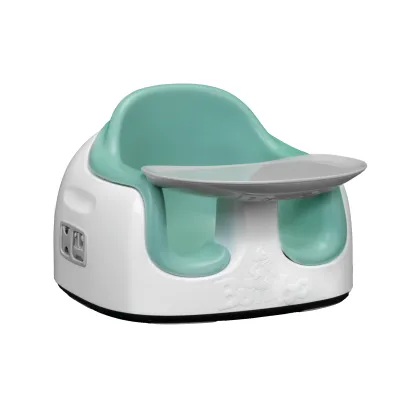
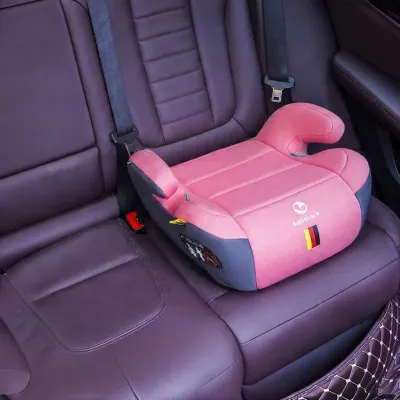
![[FREE GIFT] Lucky Baby Foodee 2 In 1 Booster Seat](https://img.lazcdn.com/g/p/3204c8280918dcfa5931cb8bb8bf37a2.jpg_400x400q80.jpg_.webp)
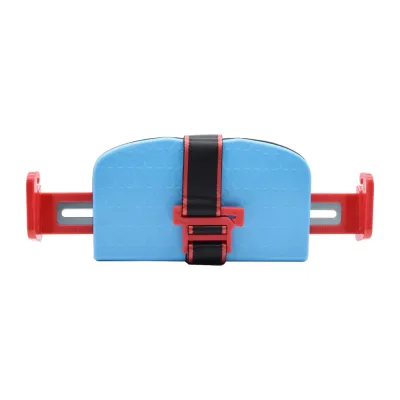
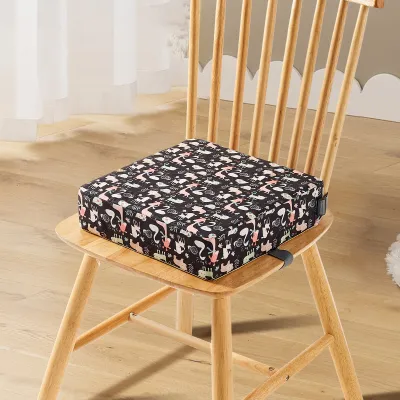
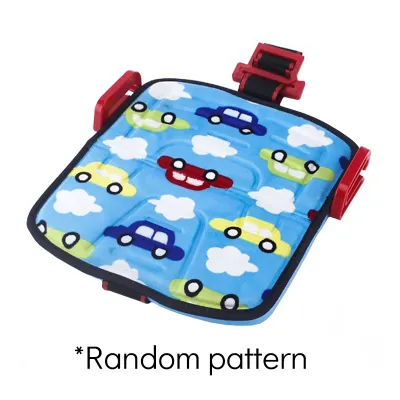
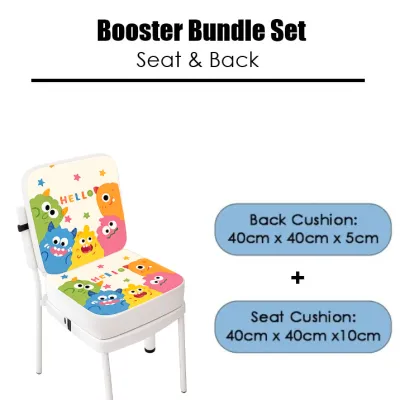
Prices are valid at publication and may change. Please refer to the product page for the latest price.
The legal definition of an “appropriate child restraint” depends heavily on your child’s physical development. For toddlers who are outgrowing their forward-facing harnessed seats, a belt-positioning booster seat is often the next step. However, transitioning too early can leave your child vulnerable. A toddler should only move to a booster seat once they have fully outgrown the maximum height or weight limit of their forward-facing car seat with a five-point harness. You must check your current car seat’s instruction manual to verify these limits, as keeping a child in a harnessed seat for as long as possible offers enhanced protection for their developing spine and neck.
Before legally using a belt-positioning booster, your toddler must meet specific developmental milestones. They must be physically large enough for the booster seat to position the adult seatbelt correctly over their strongest skeletal points. Additionally, they must possess the behavioral maturity to sit relatively still for the entire journey without slouching, leaning forward, or pulling the shoulder belt under their arm. If your toddler cannot maintain a proper sitting position, they are not yet ready for a booster seat, and you should continue using a harnessed car seat that matches their weight and height.
Verifying Safety Certifications on the Product Label
When shopping for a toddler booster seat, you cannot rely solely on the product’s marketing claims or brand reputation. Singapore law requires child restraints to meet recognized international safety standards. To verify compliance, you must locate and inspect the physical safety certification label permanently attached to the booster seat. These labels are typically bright orange, white, or yellow stickers located on the back or underside of the seat shell.

The most common standards recognized by Singapore authorities include the European Union standards (such as ECE R44/04 or the newer UN R129, also known as i-Size), United States standards (FMVSS 213), British standards, or Japanese standards. When examining the label, look for specific approval codes, such as an “E” mark followed by a number (which indicates the European country that granted approval) and the specific regulation version. If you are purchasing a seat online or from an overseas retailer, you must verify that the product carries one of these officially recognized marks before installing it in your vehicle.
It is equally critical to match the booster seat’s certified weight or height range, as printed on the safety label, with your toddler’s current measurements. A seat is only legally compliant and safe if the child falls within the exact parameters specified by the manufacturer’s certification. For example, some boosters are certified for children weighing 15 kg to 36 kg, while others under the UN R129 standard are categorized by height ranges (such as 100 cm to 150 cm). Never assume a booster is suitable simply because your child fits into the seat physically; always cross-reference their current weight and height with the label.
Using a booster seat with a missing, faded, or unrecognized certification mark carries severe legal and safety risks. In the event of a traffic stop or an accident, an unlabelled seat may be deemed non-compliant, potentially leading to legal penalties or complications with your motor insurance coverage. More importantly, uncertified seats may not have undergone rigorous crash testing, meaning they could fail under the force of a collision. If a label is missing or illegible, the seat should be retired immediately, and you should consult the manufacturer or a certified child passenger safety professional for guidance.
Meeting the Legal Requirements for Installation and Use
Legal compliance does not end with purchasing a certified booster seat; you must also install and use it correctly according to both the manufacturer’s instructions and local traffic laws. Booster seats generally fall into two categories: high-back boosters and backless boosters. High-back boosters are highly recommended for younger toddlers because they provide essential side-impact protection and feature built-in shoulder belt guides that keep the vehicle’s seatbelt positioned correctly. Backless boosters, which only raise the child’s seating position, should only be considered for older, taller children whose heads are fully supported by the vehicle’s seat headrest to prevent whiplash.
For a booster seat to function legally and safely, the vehicle’s adult seatbelt must be routed precisely through the booster’s designated guides. The lap belt portion must sit low across your toddler’s upper thighs or pelvis, never across their soft abdomen, where it could cause severe internal injuries in a crash. The shoulder belt must cross the center of the child’s shoulder and chest, avoiding the neck and face. Many high-back boosters feature adjustable headrests with integrated belt guides to help you achieve this perfect fit as your child grows. You must read both your vehicle’s owner manual and the booster seat’s instruction guide to ensure compatibility with your car’s seatbelt system.
Furthermore, you must pay close attention to where the booster seat is installed within the vehicle. In Singapore, placing a child restraint in the front passenger seat is subject to strict legal and safety conditions. If the front passenger seat is equipped with an active passenger airbag, installing a rear-facing or forward-facing child seat there is highly dangerous and often illegal unless the airbag can be and is deactivated. Even with a booster seat, the force of a deploying airbag can cause catastrophic injuries to a toddler’s fragile body. The safest and most legally compliant location for your toddler’s booster seat is always in the rear passenger seats.
Avoiding Common Legal and Safety Mistakes
One of the most common mistakes parents make is transitioning their child to a backless booster or a standard adult seatbelt prematurely. It can be tempting to switch to a lighter, more portable backless booster for convenience, but doing so before your child meets the minimum height, weight, and developmental requirements can compromise their safety and violate traffic laws. Always verify that your child meets the specific physical thresholds outlined by both the booster manufacturer and local regulations before making any changes to their seating arrangement.
If you are considering a second-hand booster seat, you must exercise extreme caution and perform a thorough verification check. Before using a pre-owned seat, inspect it for any signs of wear, hairline cracks in the plastic shell, frayed harness straps, or missing safety labels. You must also verify the seat’s history; a booster seat that has been involved in a moderate-to-severe vehicle accident must be disposed of immediately, as invisible structural damage can compromise its performance in a future collision. Additionally, check the manufacturer’s expiration date, which is typically stamped on the bottom of the seat, as materials can degrade over time due to heat and UV exposure.
Parents must also understand how child restraint laws apply to different types of vehicles in Singapore. While private passenger cars are subject to the strict 1.35-metre restraint rule, there are specific legal distinctions for public transport. Taxis are legally exempt from the child restraint requirement due to practical constraints, meaning children under 1.35 metres can travel in them using standard seatbelts. However, private hire vehicles (such as ride-hailing services booked via mobile apps) are not exempt from this law. If you are traveling with a toddler in a private hire car, you must provide your own compliant booster seat or book a specialized ride option that includes an approved child restraint.
Frequently Asked Questions (FAQ)
Are toddler booster seats legally required in taxis and private hire cars?
Under Singapore’s Road Traffic Act, taxis are classified as public service vehicles and are legally exempt from the mandatory child restraint requirement for passengers under 1.35 metres. This exemption exists because taxis are hailed on demand, making it impractical for drivers to carry multiple seat sizes. However, private hire cars (ride-hailing services) do not share this exemption. If you book a private hire vehicle, your toddler must be secured in an appropriate child restraint or booster seat if they are under 1.35 metres. To comply with the law and ensure safety, you must either bring your own portable booster seat or select a ride-hailing service tier that specifically provides a compliant child car seat.
Can I use a booster seat purchased overseas in Singapore?
You can use a booster seat purchased overseas in Singapore, provided it meets one of the safety certification standards officially recognized by local traffic authorities. These recognized standards typically include the European ECE R44/04 or UN R129 standards, the American FMVSS 213 standard, or equivalent British and Japanese certifications. Before using an overseas seat, you must physically inspect it to ensure the safety label is intact, legible, and clearly displays the approved standard mark. Using a seat that lacks a recognized certification label can result in legal non-compliance, and it may also affect your motor insurance coverage or liability in the event of an accident.
What are the penalties for not using a compliant child restraint?
Failing to secure a passenger under the height of 1.35 metres in an approved child restraint is a serious traffic offense in Singapore. Drivers found in violation of this regulation can face composition fines and demerit points issued by the traffic police. If the case is prosecuted in court, penalties can escalate to heavier fines or even imprisonment for repeat offenses. However, these legal penalties are secondary to the primary concern of child safety. In a collision, an unrestrained or improperly restrained toddler faces an extremely high risk of severe injury or death, making strict compliance with booster seat laws a matter of life-saving importance.
Community discussion
Share your experience or ask a question. Comments are reviewed before publication.