
Transitioning a child from a baby cot to their very first toddler bed is an exciting milestone for families in Singapore. This shift typically occurs when a child is between 18 months and three years old, depending on their individual physical, behavioral, and developmental progress. However, ensuring a safe sleep environment remains paramount during this transition. Before transitioning your child, always verify the specific age, weight, and developmental milestones from the manufacturer’s documentation, and ensure they are supervised as recommended by the manufacturer.
When shopping for a toddler bed in Singapore, there is no single, mandatory domestic safety standard specifically dedicated to this category of children’s furniture. Instead, these products are governed by broader consumer safety regulations, meaning parents must take an active role in verifying safety credentials. To secure a safe sleep space, it is essential to understand the regulatory landscape, inspect key physical design elements, verify material certifications, and practice proper assembly and room layout.
Understanding Toddler Bed Safety Regulations and Labels in Singapore
In Singapore, children’s furniture is regulated under the Consumer Protection (Consumer Goods Safety Requirements) Regulations (CGSR), which is overseen by the Consumer Product Safety Office (CPSO) under Enterprise Singapore. Unlike infant cots, which must comply with specific safety standards to be imported and sold, toddler beds generally fall under these broader consumer safety guidelines. This means that while they must be safe for public consumption, they do not automatically undergo the same rigorous pre-market testing as baby cribs unless the manufacturer voluntarily complies with international frameworks.
Products mentioned in this guide
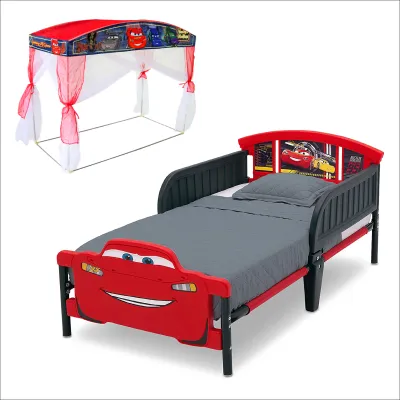
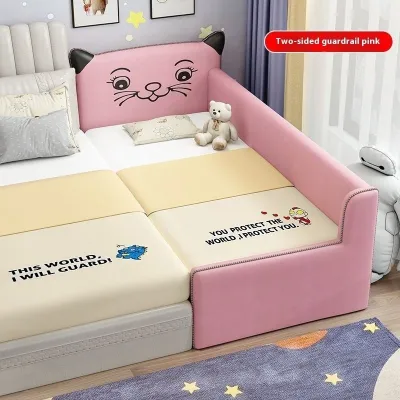
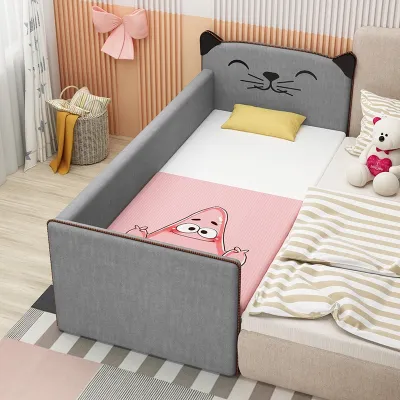
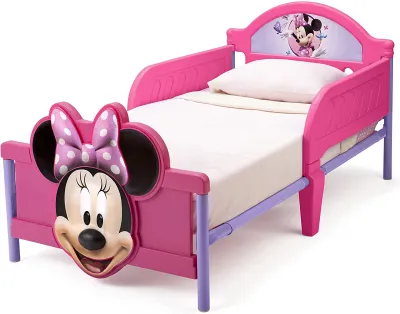
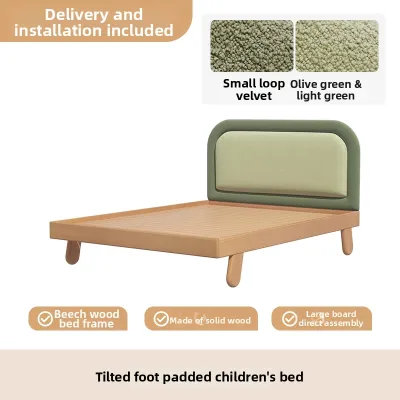
Prices are valid at publication and may change. Please refer to the product page for the latest price.
To ensure the highest level of safety, parents should look for products that explicitly state compliance with recognized international safety standards. The most common and reliable standards to verify include:
- ASTM F1821: The standard consumer safety specification for toddler beds established by ASTM International (United States), which covers structural stability, guardrails, and entrapment prevention.
- BS EN 8509: The British and European safety standard specifically designed for children's domestic beds, ensuring they are structurally sound for children up to four years of age.
When evaluating a toddler bed, do not rely solely on the marketing claims or product descriptions found on third-party online marketplaces. Many unverified listings on e-commerce platforms bypass local safety checks and may lack proper documentation. Instead, purchase from reputable local showrooms, official brand stores, or authorized distributors who can provide transparent access to the manufacturer’s official specifications, user manuals, and compliance certificates. Always cross-reference the product’s model number with official safety databases to ensure there are no active recalls or safety warnings associated with the item.
Essential Physical Safety Features to Inspect Before Purchase
Before finalizing a purchase, parents must carefully inspect the physical design and structural integrity of the toddler bed to eliminate potential physical hazards.

Guardrails and Fall Prevention
A primary difference between a standard single bed and a toddler bed is the inclusion of guardrails. Because toddlers frequently shift positions during deep sleep, guardrails are essential to prevent accidental roll-offs. Ensure the bed features sturdy, integrated guardrails on both sides. These rails should be high enough to prevent a rolling child from tumbling over them, yet designed to leave a safe, unobstructed opening at either the foot or head of the bed. This opening allows your child to climb in and out of bed independently without the risk of tripping.
Slat Spacing and Entrapment Risks
Entrapment is a severe hazard that can lead to head, neck, or limb injuries. Parents must verify that the spacing between the slats of the bed base, as well as the gaps in the guardrails, headboard, and footboard, conform to safe limits. According to international safety guidelines, the gap between slats should be narrow enough to prevent a child’s head or body from slipping through. Typically, a gap of no more than 60 millimeters (approximately 2.36 inches) is recommended. Always check the manufacturer’s official specifications to confirm these precise measurements before purchasing.
Structural Stability and Weight Limits
Toddlers are highly active and will inevitably use their bed for activities other than sleeping, such as sitting, playing, or climbing. A safe toddler bed must have a low center of gravity, keeping the mattress close to the floor to minimize the impact of any accidental falls. Additionally, verify the manufacturer’s stated maximum weight capacity. Most toddler beds are designed to support weights between 22 and 50 kilograms. Exceeding this limit can compromise the bed’s structural integrity, leading to sudden joint failure or tipping.
Smooth Finishes and Hardware
A thorough physical inspection of the bed frame is necessary to prevent cuts, scratches, and snagging hazards. Run your hands along all wooden or plastic components to check for splinters, sharp corners, or rough edges. Inspect the assembly hardware to ensure that all screws, bolts, and brackets are designed to sit completely flush with the frame or are safely countersunk. Protruding hardware is a significant safety risk, as it can catch on a child’s clothing, pajamas, or bedding accessories.
Verifying Material and Chemical Safety Standards
The materials used to manufacture a toddler bed can impact your child’s health, particularly regarding indoor air quality and chemical exposure.
Non-Toxic Finishes
Teething toddlers often chew on their bed frames, making non-toxic finishes a critical requirement. Ensure that all paints, stains, varnishes, and sealants used on the bed are certified lead-free and non-toxic. Look for products that comply with international toy safety standards, such as EN 71-3 (the European standard restricting heavy metal migration), or those that carry a clear manufacturer declaration of non-toxicity.
Wood and Composite Materials
Many modern toddler beds are constructed from engineered wood, plywood, or medium-density fibreboard (MDF). While these materials are cost-effective, they are often manufactured using adhesives that emit formaldehyde and other volatile organic compounds (VOCs). In Singapore’s typical high-rise apartments, where bedrooms are frequently closed and air-conditioned, VOCs can accumulate and irritate a child’s respiratory system. To mitigate this risk, look for beds certified for low chemical emissions, such as GREENGUARD Gold, CARB Phase 2, or EPA TSCA Title VI compliance. Alternatively, prioritize solid wood frames finished with natural, water-based coatings.
Mattress Compatibility and Safety
Using an incorrectly sized mattress creates dangerous gaps where a child’s limbs or head can become trapped. To prevent this, always select a mattress that matches the exact dimensions specified by the bed frame manufacturer. As a general rule, if you can fit more than two fingers between the edge of the mattress and the bed frame, the gap is too large and poses an entrapment risk. Furthermore, ensure the mattress itself meets relevant safety standards, such as fire retardancy guidelines (e.g., BS 7177) and chemical certifications (e.g., OEKO-TEX Standard 100 or CertiPUR-US) to guarantee it is free from harmful chemical additives.
Safe Assembly, Room Placement, and Daily Maintenance
Even the safest toddler bed can become hazardous if it is assembled incorrectly, placed in a dangerous location, or poorly maintained.
Assembly Best Practices
When assembling the bed, follow the manufacturer’s step-by-step instructions precisely. Use only the hardware and tools provided or specified in the manual. Never attempt DIY modifications, such as drilling new holes or substituting missing parts with random hardware store screws, as this can severely compromise the structural integrity of the frame. If you discover missing or damaged parts upon opening the packaging, contact the retailer or manufacturer immediately for official replacement components.
Anti-Tip and Anchoring Measures
While toddler beds are designed to be low to the ground, toddlers may use them as a stepping platform to reach higher objects. If the bed is positioned adjacent to taller furniture, such as wardrobes, bookshelves, or chests of drawers, ensure those heavy items are securely anchored to the wall using anti-tip straps. This prevents catastrophic tip-over accidents if your child decides to climb from the bed onto nearby furniture.
Hazard-Free Room Placement
Carefully plan the layout of your child’s bedroom to avoid secondary environmental hazards. Position the toddler bed well away from windows, even if they are fitted with safety grilles. Ensure the bed is completely out of reach of window blind cords, curtain pull-strings, electrical outlets, wall-mounted heaters, and low-hanging decorative shelves. Blind cords and curtain strings are highly dangerous strangulation hazards that must be kept entirely out of a toddler’s reach.
Routine Maintenance Checks
Singapore’s high humidity levels can cause wooden furniture to expand and contract, which may gradually loosen joint connections and hardware. Establish a routine to inspect the bed frame at least once a month. Check all screws, bolts, and brackets to ensure they remain tightly secured. Inspect the wood for any signs of cracking, splitting, or structural warping. If you detect any wobbling or squeaking, tighten the hardware immediately using the appropriate tools, taking care not to over-tighten and strip the threads.
Recognizing When to Stop Using a Toddler Bed
A toddler bed is a transitional piece of furniture, and parents must remain vigilant to recognize when their child has outgrown it. For sleep and protection, do not assume any bed guarantees absolute safety; if you observe structural issues or if your child struggles to sleep safely, stop use immediately and consult a qualified professional.
Height and Weight Thresholds
Always monitor your child’s physical growth against the manufacturer’s documented height and weight limits. Most toddler beds are designed for children up to a certain weight (typically around 22 to 23 kilograms) or until they reach a height where they can no longer lie down comfortably without their head or feet touching the ends of the bed. Once your child approaches these limits, transition them to a standard single bed to prevent structural failure or accidental falls.
Behavioral Signals
Your child’s behavior is a clear indicator of when a toddler bed is no longer safe. If your child is highly active, frequently attempts to climb or jump over the guardrails, or exhibits restless sleeping habits that cause them to repeatedly collide with the frame, the bed may pose a fall risk. At this stage, the guardrails can act as a pivot point, increasing the height of a potential fall.
Structural Wear and Tear
If you observe any signs of compromised structural integrity, stop using the bed immediately. These signs include deep cracks in the wooden support beams, bent metal brackets, stripped screw holes that can no longer hold hardware securely, or a persistent wobble that cannot be corrected. Do not attempt to make temporary repairs on a structurally compromised bed frame; consult the manufacturer or a qualified professional, or replace the bed entirely to ensure your child’s ongoing safety.
Frequently Asked Questions (FAQ)
Do toddler beds need the same safety certifications as baby cribs?
No, toddler beds do not always share the same mandatory domestic regulations as baby cribs in Singapore. While baby cribs must meet strict national import and safety standards due to the extreme vulnerability of infants, toddler beds are generally regulated under broader consumer goods safety frameworks. However, to ensure your child’s safety, you should still look for toddler beds that voluntarily comply with recognized international standards, such as ASTM F1821 or BS EN 8509.
Is it safe to use a second-hand toddler bed?
Using a second-hand toddler bed is only safe if you can thoroughly verify its complete history and structural condition. Before accepting a pre-owned bed, check the manufacturer’s model number against official recall databases to ensure it has not been recalled. Verify that you have the original assembly manual and all original hardware; never substitute missing screws with random alternatives. Thoroughly inspect the frame for cracks, splinters, or structural wobbling, and ensure that no modifications have been made to the original design.
How often should I check the screws and joints on a toddler bed?
You should inspect and tighten the screws, bolts, and joints of a toddler bed at least once a month. Active toddlers frequently jump, climb, and move dynamically on their beds, which can gradually loosen the hardware over time. Regular monthly inspections help maintain structural stability and prevent sudden frame failure. If you notice any squeaking, shifting, or instability between your scheduled checks, inspect and secure the hardware immediately.
Community discussion
Share your experience or ask a question. Comments are reviewed before publication.