
Quick Answer: Balancing Cushioning and Portability
When searching for a baby crawling mat thick enough to protect your little one’s developing joints yet portable enough for outdoor adventures, the ideal solution lies in a foldable XPE (cross-linked polyethylene) foam mat or a roll-up high-density foam mat. A thickness of 1.5cm to 2cm strikes the optimal balance, offering substantial shock absorption on hard or uneven outdoor surfaces while keeping the total weight under 3kg for easy transport.
To withstand outdoor elements like damp grass, dirt, or playground surfaces, a completely waterproof, non-porous outer layer is a non-negotiable feature. Always prioritize mats that fold or roll into compact dimensions to fit easily into stroller baskets or car trunks, ensuring outdoor play remains both safe and convenient. Remember that no matter how protective a mat is, it should always be used under active caregiver supervision to ensure your baby’s safety.
How to Choose a Baby Crawling Mat Thick Enough for Outdoors
Transitioning a baby’s play area from the controlled environment of a living room to the outdoors is a wonderful way to stimulate their sensory development. However, natural outdoor terrains present physical challenges that indoor floors do not. Surfaces such as grass, soil, sand, concrete, and rubberized playground tiles are inherently uneven and unforgiving.
Products mentioned in this guide
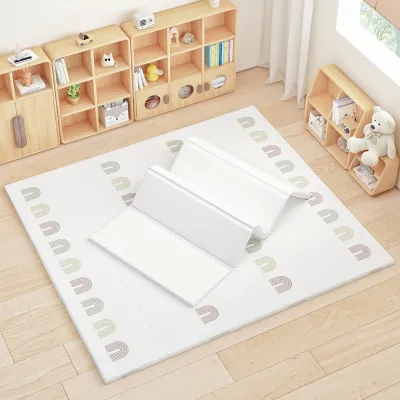
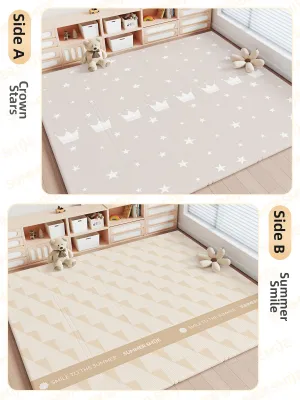
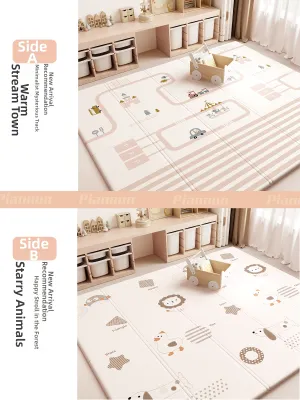
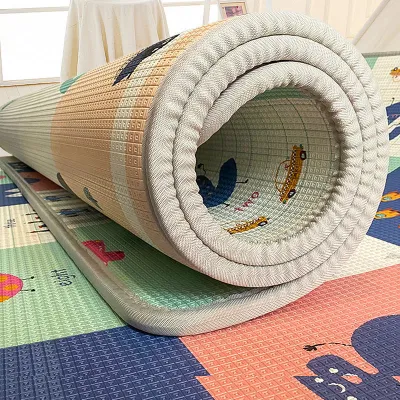
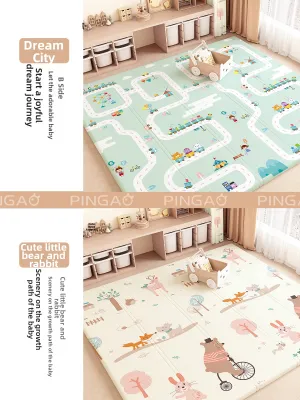
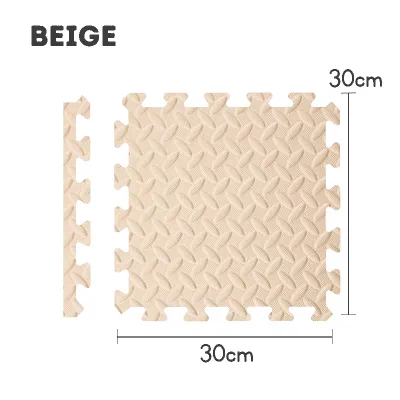
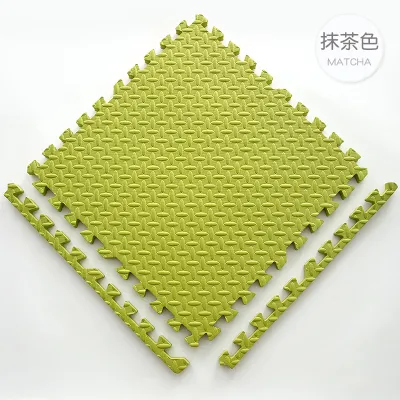
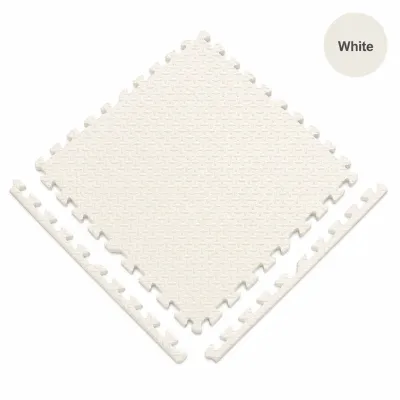
Prices are valid at publication and may change. Please refer to the product page for the latest price.

During critical developmental milestones—such as tummy time, learning to roll over, sitting up, and crawling—babies frequently lose their balance. A fall on hard dirt or concrete can cause discomfort and discourage movement, while hidden pebbles, twigs, or tree roots beneath a patch of grass can painfully poke a baby’s knees and wrists. This is why a dedicated, thick crawling mat is essential for outdoor excursions.
To provide adequate protection, the mat must offer superior shock absorption, which is directly determined by its thickness and material density. While a thicker mat generally offers better cushioning, it also increases bulk and weight, creating a direct conflict with portability. For active families, a mat that is too heavy or awkward to carry will simply be left at home. The key to evaluating portability is looking for a weight limit under 3kg, compact folded or rolled dimensions that align with your primary mode of transport (such as fitting into a lift, a car boot, or the undercarriage of a compact stroller), and robust, integrated carrying handles or a dedicated shoulder bag.
When evaluating product specifications, it is crucial to distinguish between overall thickness and material density. A mat may advertise a generous thickness of 2cm, but if it is constructed from low-density, open-cell foam, it will compress completely under the localized pressure of a baby’s knees or hands. This phenomenon, known as “bottoming out,” means the baby effectively feels the hard ground beneath the mat.
Conversely, high-density, closed-cell foams (such as high-grade XPE or TPE) maintain their structural integrity and rebound quickly, providing consistent cushioning even at a highly portable thickness of 1.5cm. Before purchasing, verify the foam type and look for high-density ratings to ensure the mat delivers on its protective promises. Always consult the manufacturer’s age and weight guidelines to ensure the mat is suitable for your child’s specific developmental stage.
Recommended Types of Thick Portable Crawling Mats
While specific brands and designs change seasonally, three primary structural types consistently solve the dilemma of balancing cushioning with outdoor portability. Understanding these categories allows you to match a mat’s design to your family’s typical outdoor routines and travel constraints.
Foldable XPE Foam Mats: Best for Quick Park Trips
Foldable XPE mats feature an accordion-style design that allows them to fold flat along pre-creased lines in seconds. This structural design is incredibly lightweight, often weighing less than 1.5kg even at a generous 2cm thickness. The main advantage is speed: you can unpack, unfold, and pack up the mat in moments, making it highly efficient for quick trips to local parks or playgrounds. The closed-cell structure of XPE foam makes the surface naturally waterproof and exceptionally easy to wipe clean after exposure to damp grass or spilled baby purées.
However, the accordion-fold design comes with specific trade-offs. The deep creases that facilitate folding can easily trap outdoor dirt, sand, and moisture. If you set the mat on sandy soil or dry grass, you will need to spend extra time wiping down the creases before folding it back up to prevent debris from transferring to the clean side. Additionally, folded XPE mats can be somewhat bulky, presenting a wide, flat profile that, while light, might not fit into smaller stroller undercarriages and may require being carried separately via integrated handles. They are best suited for parents who prioritize quick setup and lightweight handling for casual park picnics.
From a safety perspective, XPE is widely regarded as a non-toxic, BPA-free, and hypoallergenic material, making it excellent for babies with sensitive skin. However, because XPE is highly lightweight, these mats can easily be caught by a sudden gust of wind when laid out on open grass. Parents should be prepared to secure the corners with diaper bags, water bottles, or shoes to keep the mat anchored during outdoor play. Always check the manufacturer’s label to verify that the mat has been certified as safe and non-toxic.
Roll-Up High-Density Mats: Best for Flat Outdoor Surfaces
Roll-Up high-density mats are designed to be rolled tightly into a cylindrical shape, secured with straps, and carried in a dedicated shoulder bag. These mats are typically made from dense, durable materials such as specialized polyurethane or high-grade thermal plastic elastomer (TPE). The primary benefit of a roll-up mat is its completely smooth, crease-free surface. Without fold lines, there are no crevices to trap dirt, insects, or moisture, and there is no risk of a crawling baby tripping over raised folds. This makes them ideal for flat outdoor surfaces, such as wooden patios, concrete balconies, or rubberized playground flooring.
On the downside, roll-up mats tend to be heavier than their foldable XPE counterparts due to the higher material density required to prevent bottoming out at thinner profiles. They can also exhibit “material memory,” meaning the edges may curl upward when first unrolled outdoors, requiring you to place weights or bags on the corners to keep the mat flat. Cleaning can also require more effort if the mat features a deeply textured, non-slip surface where mud or dirt can become embedded. These mats are highly recommended for families who want a seamless, premium play surface and do not mind carrying a slightly heavier roll-up bag.
When selecting a roll-up mat, pay close attention to the quality of the included carrying bag. A high-quality, water-resistant storage bag is essential for outdoor use, as it protects the rolled mat from dust and moisture during transit and prevents any dirt collected on the bottom of the mat from transferring to your car’s interior or your home’s storage closet.
Thick Interlocking EVA Tiles: Best for Customizable Play Areas
Interlocking EVA (ethylene-vinyl acetate) foam tiles offer a modular approach to outdoor play surfaces. By piecing together individual square tiles, parents can customize the shape and size of the crawling area to fit specific outdoor spaces, such as a narrow balcony, a shaded corner of a backyard, or an irregular patch of grass. High-quality EVA tiles are widely available in thicknesses of 2cm or more, providing excellent impact absorption. A key benefit of this modular design is durability: if a single tile becomes permanently stained, punctured, or damaged during an outdoor excursion, you can simply replace that specific tile rather than discarding the entire mat.
Despite these benefits, interlocking tiles are generally the least portable option for spontaneous outdoor trips. Carrying a full set of bulky tiles requires a large storage bag, and assembling them piece-by-piece on-site takes considerably more time than unfolding an accordion mat. Furthermore, the interlocking seams can easily separate when placed on uneven natural ground like bumpy grass or gravel. This separation allows dirt, insects, and moisture to seep up from the ground, potentially dirtying your baby’s clothes and hands. If you plan to use EVA tiles outdoors, they are best reserved for semi-permanent setups on flat, dry surfaces under close caregiver supervision.
Additionally, chemical safety is a critical factor when choosing EVA foam. Some low-grade EVA tiles can contain formamide, a chemical used to make foam soft, which has raised health concerns. It is vital to verify that any EVA tiles you purchase are explicitly certified as non-toxic, formamide-free, and lead-free by reputable testing bodies. Because babies frequently explore their environment by mouth, ensuring the material is safe for teething infants who might chew on the puzzle-like edges is paramount.
Essential Outdoor Features to Verify Before Buying
To ensure your chosen crawling mat remains safe, durable, and hygienic, there are several non-negotiable features you must verify on the manufacturer’s product label before making a purchase.
- Waterproof and Wipeable Surfaces: Outdoor environments expose the mat to damp soil, morning dew, wet grass, and inevitable diaper leaks or beverage spills. A mat with a porous surface or a fabric cover will absorb these liquids, leading to deep-seated stains and a breeding ground for bacteria. Look for mats with a sealed, non-porous outer layer (such as a TPU coating) that allows you to easily wipe away mud, water, and dirt with a damp cloth.
- UV Resistance: Prolonged exposure to intense tropical sunlight can rapidly degrade certain foam materials, causing them to crack, become brittle, or fade. In some cases, extreme heat and UV exposure can trigger chemical off-gassing in low-quality plastics. Ensure the manufacturer explicitly states that the mat is UV-resistant or suitable for outdoor use. Regardless of the material, always supervise your baby closely to ensure the mat's surface does not become too hot to the touch under direct sunlight.
- Non-Slip Backing: A mat that remains stationary on a carpeted living room floor may slide dangerously when placed on smooth outdoor tiles, polished concrete, or damp grass. Look for mats featuring a textured, high-grip bottom surface or specialized non-slip backing patterns to prevent the mat from sliding when your baby attempts to push off or crawl.
- Carrying Mechanisms: Since you will often be managing a stroller, diaper bag, and baby simultaneously, the mat's carrying system must be highly practical. Verify that the built-in handles, detachable shoulder straps, or carrying bags are constructed from heavy-duty, double-stitched materials. Flimsy straps can easily tear under the weight of a thick mat, making transport a major hassle.
Cleaning and Storing Your Outdoor Crawling Mat
Proper maintenance is essential to prevent your outdoor crawling mat from tracking outdoor allergens, dirt, and tropical pests into your home. Implement a consistent cleaning routine immediately after every outdoor excursion.
- Initial Debris Removal: Shake the mat vigorously before leaving the outdoor site to remove loose grass, sand, and dry dirt.
- Gentle Wipe Down: Once home, wipe down the entire surface using a soft microfiber cloth, warm water, and a mild, baby-safe soap. Avoid using harsh chemical bleach, abrasive scrubbing pads, or alcohol-based sanitizers unless explicitly permitted by the manufacturer's care instructions, as these can degrade the waterproof coating and foam structure.
- Thorough Air-Drying: In highly humid climates, moisture management is critical. Never fold, roll, or store a damp mat. Doing so traps moisture within the creases or layers, rapidly promoting the growth of mold, mildew, and unpleasant odors that can ruin the mat and pose respiratory risks to your baby. Always allow the mat to air-dry completely in a well-ventilated, shaded area indoors before packing it away.
- Proper Storage: When storing the mat, avoid leaving it in hot car trunks for extended periods. Extreme heat buildup inside a parked vehicle can warp the foam, melt adhesive layers, and cause permanent creasing or flattening. Store the mat in a cool, dry place inside your home, away from direct sunlight, and avoid placing heavy objects on top of it, which could compress the foam permanently.
Frequently Asked Questions (FAQ)
Can I use a thick indoor crawling mat outdoors?
It is generally not recommended to use a dedicated indoor crawling mat outdoors. Indoor mats often lack the robust waterproof seals, UV-resistant coatings, and durable outer skins required to withstand rough outdoor elements. Using them on grass or dirt risks puncturing the soft outer layer, absorbing ground moisture, and promoting mold growth inside the foam core. Additionally, sun exposure can cause rapid material degradation. For outdoor use, select a mat specifically rated as waterproof and outdoor-friendly by the manufacturer.
What is the ideal thickness for a baby crawling mat on grass?
For natural, uneven surfaces like grass, a minimum thickness of 1.5cm to 2cm is highly recommended. This thickness provides sufficient shock absorption to cushion your baby’s knees, elbows, and head from hidden pebbles, hard soil, and uneven roots beneath the grass. While thicker mats (such as 4cm folding mats) offer even more cushioning, they are significantly bulkier and heavier, which reduces their portability. A high-density 1.5cm to 2cm mat offers the optimal sweet spot between protective cushioning and ease of carrying.
Community discussion
Share your experience or ask a question. Comments are reviewed before publication.