
Finding the right storage for soft toys in a nursery requires balancing accessibility, room layout, and safety. Plush toys are comforting companions for babies and toddlers, but they can quickly overwhelm a room if left without a dedicated home. The ideal storage solution keeps these items organized, clean, and easy for your child to reach, while fitting seamlessly into your nursery design.
In compact living environments, such as apartments and condominiums in Singapore, maximizing floor space is a primary concern. High humidity levels also mean that storage must promote air circulation to prevent dust mites and moisture buildup. By selecting a combination of fabric bins, open shelving, vertical organizers, and secure toy chests, you can create a functional system that grows alongside your child.
Key Factors When Choosing Soft Toy Storage
Before purchasing any storage unit, safety must be your absolute priority. Tall shelving units and heavy chests present real hazards in a nursery if they are not designed or installed correctly. Always check the manufacturer’s documentation to verify age suitability, weight limits, and installation requirements.
Products mentioned in this guide
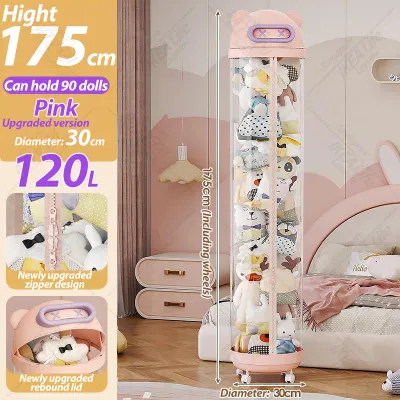
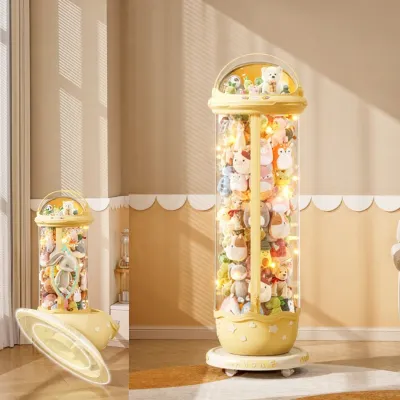
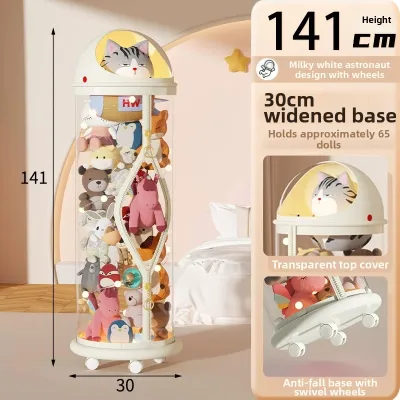
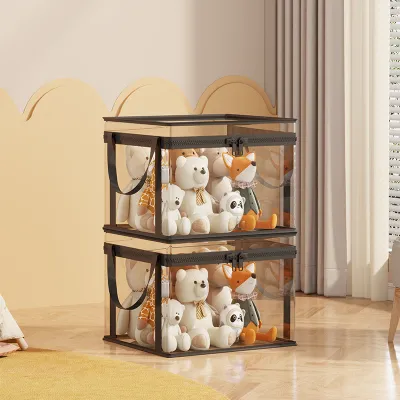
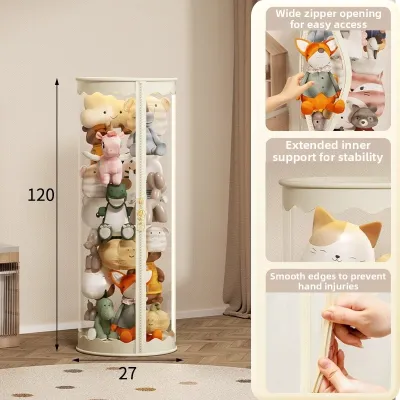
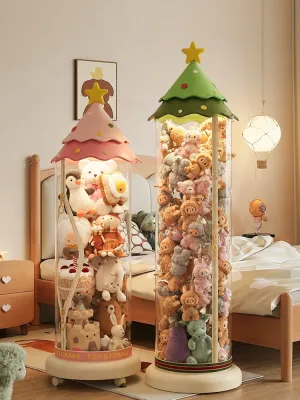
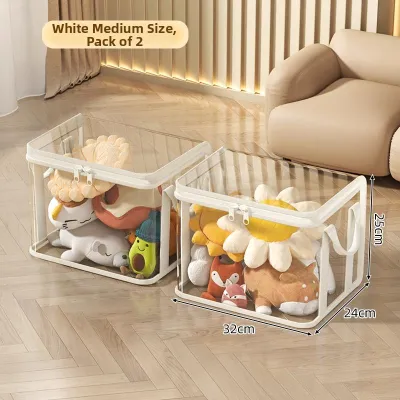
Prices are valid at publication and may change. Please refer to the product page for the latest price.
Securing furniture is a critical step in preventing accidents. Any tall shelving unit or heavy chest should be anchored securely to the wall using tip-over restraint hardware. Children often attempt to climb shelves to reach a favorite plush animal, making stability a non-negotiable feature.
Lids on toy boxes require careful inspection. Heavy, free-falling lids can easily trap small fingers or fall on a child’s head. Look for storage chests equipped with safety hinges or soft-close mechanisms that hold the lid open at any angle. Alternatively, consider open-top designs or removable lightweight lids to eliminate this risk entirely.
Material safety is another essential consideration for nursery items. Look for products made from non-toxic, BPA-free, and lead-free materials. Because infants and toddlers frequently put toys and nearby objects in their mouths, verifying material certifications on product labels is a necessary safeguard.
Accessibility plays a major role in your child’s developmental journey. Low-profile storage options allow toddlers to independently select and return their toys, fostering a sense of autonomy and order. When toys are kept within a child’s natural line of sight and reach, cleanup time becomes an opportunity for learning rather than a chore managed solely by parents.
Evaluating your nursery’s layout helps you choose between floor-based and vertical storage. If floor space is limited, utilizing wall space or the back of a door can keep the play area clear. Conversely, if you have ample floor space, low-lying baskets can define specific play zones within the room.
Ventilation is particularly important for soft toys, which easily trap dust, pet dander, and moisture. In warm, humid climates, stagnant air can lead to musty odors or mold growth on fabric toys. Choosing breathable materials, such as cotton canvas, open wire, or slatted wood, helps maintain a fresh and hygienic environment for your baby’s plush collection.
Best Storage Types for Nursery Soft Toys
No single storage method fits every nursery perfectly, and the best approach often involves combining different formats. A mix of open and closed storage allows you to display cherished keepsakes while tucking away bulkier everyday toys.

Each storage type offers distinct trade-offs regarding capacity, visibility, and ease of maintenance. Understanding these differences helps you design a system tailored to the size of your collection and the age of your child.
Fabric Bins and Baskets
Fabric bins and woven baskets are highly popular choices for nursery storage due to their versatility and soft construction. These containers are ideal for quick clean-ups, allowing you to gather scattered plushies and toss them inside within minutes. They work exceptionally well as standalone floor bins or when paired with standard cube shelving units.
One of the primary benefits of fabric storage is safety. Because these bins lack sharp corners and hard edges, they pose no risk to crawling babies or toddlers who might bump into them. Many fabric options are also lightweight and collapsible, making them easy to store away when your child outgrows them or when space needs to be repurposed.
However, fabric bins do have limitations when it comes to visibility. Plush toys stored at the bottom of a deep basket can easily become buried and forgotten, leading children to dump the entire contents of the bin to find a specific toy. To mitigate this, look for shallow baskets or bins with clear-front panels that keep the contents visible.
When shopping for fabric bins, verify the structural rigidity of the product. High-quality options feature reinforced sides, wire rims, or sturdy cardboard inserts that prevent the bin from collapsing under the weight of multiple toys. Additionally, check the care labels to ensure the fabric can be spot-cleaned or machine-washed, as nursery items inevitably accumulate dirt and spills over time.
Open Shelving and Cubbies
Open shelving units and cubbies offer an excellent way to display soft toys while keeping them organized by size or category. This setup is ideal for showcasing special heirloom plushies, seasonal toys, or the items your child plays with most frequently.
The main advantage of open shelving is high visibility. Children can easily see their entire collection at a glance, which encourages them to make deliberate choices rather than dumping out piles of toys. This visual accessibility supports cognitive development and helps establish a predictable routine.
On the downside, open shelves require regular tidying to prevent the nursery from looking cluttered. Unlike closed bins, every misplaced toy is immediately visible, which may not appeal to parents seeking a minimalist aesthetic. Shelves also take up permanent physical and visual space in the room, making them less flexible than portable baskets.
Before installing open shelves, always verify the manufacturer’s weight capacity and mounting instructions. Ensure the unit is compatible with your wall type and that you have the correct anchors. If you are using free-standing cubby units, prioritize models that come with dedicated wall-anchoring kits to prevent tip-over hazards.
Hanging Organizers and Over-Door Storage
Hanging organizers and over-door storage systems are excellent space-saving solutions, particularly for smaller nurseries or shared bedrooms. By utilizing the vertical space on walls, closet doors, or the sides of wardrobes, you can keep the floor completely clear for active play.
These vertical solutions are highly effective for organizing medium-to-small soft toys. Many designs feature clear mesh pockets or tiered compartments, keeping each plush animal visible and easily identifiable. This setup prevents toys from getting lost in deep corners and makes it simple to grab a specific toy when needed.
Despite their convenience, hanging organizers can look cluttered if they are overfilled with mismatched items. They are also unsuitable for heavy, oversized plush toys, which can stretch the fabric or strain the mounting hooks. Caregivers must ensure these organizers are hung securely out of reach of infants who might pull on them.
When choosing an over-door organizer, check the thickness of your nursery door to ensure the included hooks will fit properly without damaging the frame. Verify the stitching strength along the pockets and seams, as repeated pulling can cause cheaper fabrics to tear. Look for breathable mesh pockets that allow air to circulate around the toys, reducing dust buildup.
Toy Boxes and Storage Chests
Traditional toy boxes and storage chests remain a classic choice for bulk storage in the nursery. These large-capacity units are ideal for housing oversized plush animals or hiding away a massive collection of toys to maintain a clean, minimalist aesthetic in the room.
Many modern storage chests are designed to be multi-functional. Some models feature flat, sturdy tops that can double as a bench seat for toddlers or support a changing pad when your baby is small. This dual-purpose design is highly beneficial for maximizing utility in smaller rooms.
The primary drawback of traditional toy boxes is the tendency for toys to become jumbled together in a single, unorganized pile. Finding a specific toy often requires digging to the very bottom, which can frustrate young children. Additionally, heavy lids present a significant safety risk if they lack proper support mechanisms.
To ensure safety, strictly look for toy chests equipped with safety hinges that prevent the lid from slamming shut. The lid should remain open at any angle and require active pressure to close. Furthermore, verify that the chest has adequate ventilation holes or gaps beneath the lid to ensure air circulation in the event a child climbs inside.
Practical Tips for Organizing and Maintaining Soft Toys
Implementing a storage system is only the first step; maintaining it requires a practical routine. Grouping your child’s soft toys by size, theme, or frequency of use makes it easier to keep the nursery organized. Keep everyday favorites on low, accessible shelves, and store seasonal or delicate items in higher bins.
A toy rotation system is highly effective for managing clutter and keeping your child engaged. Instead of keeping every plush toy out at once, store a portion of the collection in a closet or storage room. Every few weeks, swap the active toys with the stored ones to renew your child’s interest and simplify daily cleanup.
Regular hygiene maintenance is essential for keeping soft toys safe and clean. Dust and allergens can accumulate quickly on plush fabrics, especially on open shelves. Schedule regular dusting or vacuuming for display areas, and check the manufacturer’s care labels on the toys for specific washing instructions.
Involving your child in the cleanup process teaches valuable organizational skills from an early age. For opaque bins or baskets, use simple picture labels showing a drawing of a soft toy. This visual cue helps toddlers understand exactly where their toys belong, turning cleanup into a collaborative and educational activity.
Frequently Asked Questions (FAQ)
How do I store oversized plush animals without taking up floor space?
Storing giant soft toys without sacrificing valuable floor space requires creative vertical solutions. Large, open-top canvas hampers can be placed in unused corners, keeping the toys contained while remaining easily accessible. Alternatively, dedicated corner toy hammocks made of sturdy mesh can suspend lightweight, oversized plushies high on the wall, transforming them into playful wall decor. If you prefer a structured look, consider a sturdy storage bench or a wide window seat with hidden under-seat compartments. Always check the structural integrity and weight limits of any hanging solution or wall shelf before suspending heavy items to ensure they remain secure.
Are plastic toy boxes safe for storing soft toys?
Plastic toy boxes are generally safe for storing soft toys, but they require careful evaluation regarding physical safety. While plastic is easy to wipe clean and resistant to moisture, heavy or un-hinged plastic lids can pose a risk of trapping small fingers. If you choose a plastic chest, look for models with completely removable lids or those equipped with safety hinges that prevent sudden slamming. It is also important to check for non-toxic material certifications on the product packaging or the manufacturer’s website to ensure the plastic is free from harmful chemicals.
How often should I wash soft toys kept in nursery storage?
The frequency of washing soft toys depends on how often they are handled and where they are stored. Always check the manufacturer’s care label for specific washing and drying instructions before cleaning any plush toy, as some materials require delicate care. For toys that are played with daily, spot-cleaning with a damp cloth and mild soap is recommended weekly, with a deeper wash every few months. Toys kept in closed storage or rotated out of use may only need a wash before being reintroduced to the play area. Using a gentle cycle in a mesh laundry bag and allowing the toys to air dry completely helps preserve their shape and protects delicate details like embroidered eyes.
Community discussion
Share your experience or ask a question. Comments are reviewed before publication.