
Administering liquid medication to an unwell infant is one of the most challenging tasks a parent faces. A crying, resisting baby combined with a sticky, spilled dose creates immense stress, especially when precise dosage is critical for recovery. Finding the right baby medicine feeder can transform this high-pressure chore into a manageable, stress-free routine.
Choosing the right tool helps ensure your baby receives their full prescribed dose safely and comfortably. By understanding the differences between syringes, droppers, and pacifier-style feeders, you can select the most appropriate option based on your child’s age, developmental stage, and temperament.
Quick Answer: Which Medicine Feeder Should You Choose?
The most effective baby medicine feeder depends entirely on your child’s age, the required dosage volume, and their level of cooperation. No single design works perfectly for every stage of early childhood development.
Products mentioned in this guide
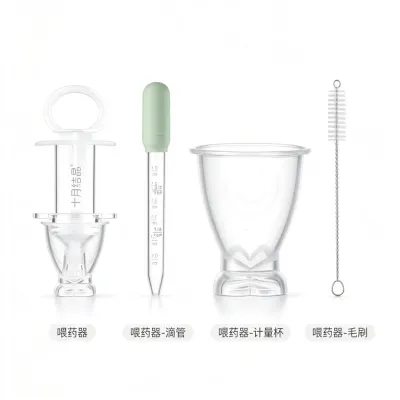
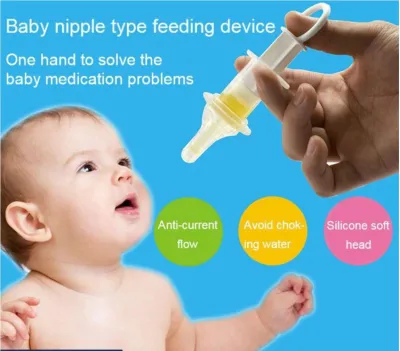
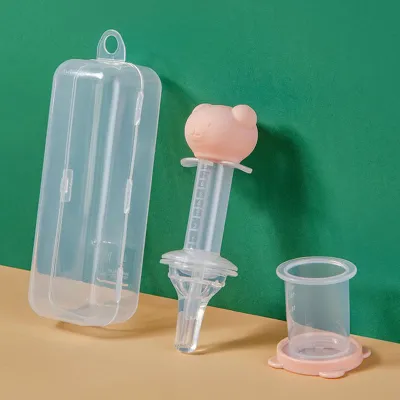
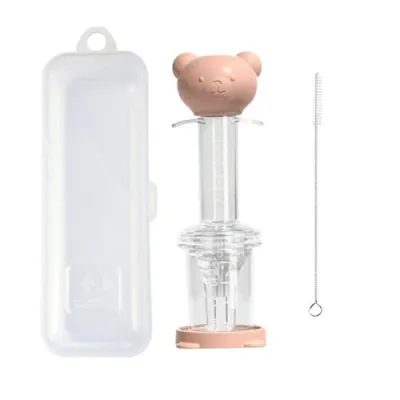
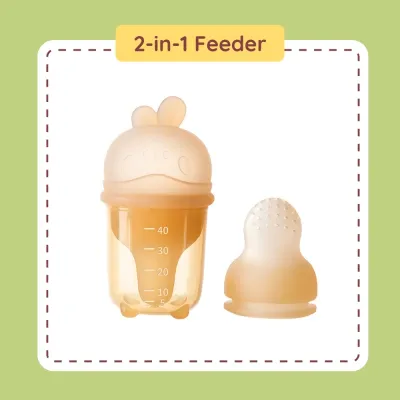
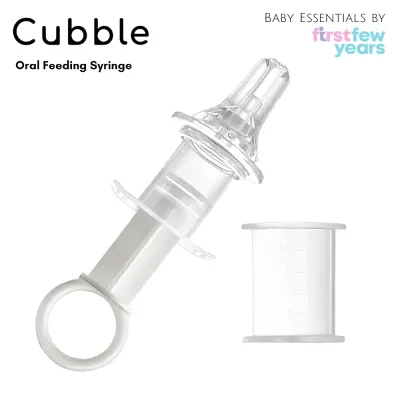
Prices are valid at publication and may change. Please refer to the product page for the latest price.
- Droppers are best suited for newborns and tiny volumes (under 1 ml), such as daily vitamin D drops.
- Oral syringes provide the highest level of dosage accuracy and control, making them the standard choice for infants and toddlers requiring larger volumes (2 ml to 10 ml).
- Pacifier-style feeders work well as an alternative for highly resistant babies who reject traditional syringes, leveraging the natural sucking reflex to deliver medicine.
Syringe, Dropper, and Pacifier Feeders: How They Work
Understanding the mechanical design and physical delivery method of each feeder type helps you select the right tool for your daily routine. Each option interacts differently with a baby’s oral anatomy and swallowing patterns.

Syringe Feeders
Oral syringes are the most common tools recommended by healthcare professionals. They consist of a simple plastic barrel with graduated measurement markings and a tight-fitting internal plunger. To administer medicine, you pull the plunger back to draw liquid into the barrel, insert the tip into the baby’s mouth, and slowly depress the plunger.
The primary advantage of the syringe is its high dosage accuracy and exceptional control over the flow rate. Because you control the speed of the plunger, you can deliver the liquid in tiny, manageable increments. This design is highly effective for larger volumes of medicine, such as paracetamol or ibuprofen suspensions. By aiming the nozzle toward the inside of the baby’s cheek, you bypass the majority of the taste buds on the tongue and reduce the likelihood of the baby spitting the medicine back out.
However, syringes require careful handling. If you push the plunger too quickly or aim the liquid directly down the throat, you risk triggering the baby’s gag reflex or causing choking. Additionally, operating a syringe usually requires two hands—one to hold the syringe and one to gently steady the baby’s head—which can be difficult if you are managing a highly active or resisting infant alone.
Dropper Feeders
Dropper feeders utilise a classic squeeze-bulb mechanism attached to a plastic or glass pipette. Squeezing the rubber or silicone bulb expels air, and releasing it draws liquid up into the tube. To administer the medicine, you gently squeeze the bulb again to release the liquid drop by drop or in a very slow, continuous stream.
This design excels at delivering tiny, highly precise doses, making it the ideal choice for newborns who only require a fraction of a millilitre of vitamins or supplements. The flow is naturally gentle, mimicking the slow drip of early feeding. Because the tip is usually rounded and soft, it is very gentle on a newborn’s sensitive gums and oral cavity.
On the downside, droppers are highly inefficient for larger medication volumes, as they rarely hold more than 1 ml to 2 ml at a time. The squeeze-bulb mechanism is also notoriously difficult to clean thoroughly. Water can easily become trapped inside the rubber bulb, creating a dark, damp environment where mould and bacteria can rapidly multiply. In Singapore’s humid climate, this risk is particularly high, requiring parents to exercise extreme caution and ensure complete drying after every wash. Furthermore, if the dropper pipette is made of glass, there is a physical risk of breakage if dropped on hard tiled floors.
Pacifier-Style Feeders
Pacifier-style medicine feeders integrate a standard orthodontic pacifier shield and nipple with a small, detachable liquid reservoir or a built-in channel. The medicine is poured into the reservoir, and as the baby sucks on the pacifier, the liquid is drawn through tiny holes in the nipple directly into the mouth.
The greatest benefit of this design is that it leverages a baby’s natural, involuntary sucking reflex. Because the shape is familiar, babies who already use pacifiers are highly likely to accept the feeder without resistance. This allows for a hands-free or single-handed administration process, reducing the physical struggle often associated with sick infants. Many designs feature dual-side ports on the nipple, which direct the medicine toward the cheeks rather than the back of the throat, bypassing the taste buds and reducing gagging.
Despite these benefits, pacifier-style feeders have notable drawbacks. They are not suitable for newborns who have not yet established a strong, consistent sucking pattern or those who reject pacifiers entirely. Dosage control is also less precise; if a baby stops sucking halfway through, or spits out the nipple, it is difficult to determine exactly how much medication was successfully swallowed. Additionally, the multi-part design, tiny valves, and narrow channels make these feeders complex to clean and sterilise thoroughly.
Feature Comparison: Accuracy, Cleaning, and Ease of Use
When choosing a baby medicine feeder, you must weigh several practical trade-offs. While one style might excel at soothing a fussy baby, it may fall short in dosage precision or hygiene maintenance.
The following table compares the three primary feeder types across key operational dimensions to help you make an informed decision:
| Feature | Oral Syringe | Squeeze Dropper | Pacifier-Style Feeder |
|---|---|---|---|
| Dosage Accuracy | Outstanding (clear, precise markings) | Good for small volumes (<1 ml) | Moderate (dependent on complete sucking) |
| Best Age Range | 3 months to toddlerhood | Newborns (0 to 3 months) | 2 months to 18 months |
| Ease of Cleaning | Very Easy (plunger detaches completely) | Moderate (bulb interior is hard to dry) | Difficult (multiple small parts and valves) |
| Baby's Acceptance | Moderate (may require gentle coaxing) | High (very gentle, slow flow) | Very High (utilises familiar sucking reflex) |
| Operation | Typically requires two hands | Simple one-handed squeeze | Hands-free once accepted |
These comparisons highlight why many parents keep more than one type of baby medicine feeder in their home medical kit. For example, while a pacifier feeder is excellent for keeping a fussy baby calm during administration, it lacks the absolute accuracy of an oral syringe. If your paediatrician prescribes a highly concentrated medication where even a tiny variance in dosage could be unsafe, the oral syringe is the superior choice. Conversely, for routine, low-risk supplements like daily vitamin D, the comfort and ease of a dropper or pacifier feeder may outweigh the need for micro-millilitre precision.
Hygiene is another critical consideration. Preventing bacterial buildup in baby feeding equipment is vital for protecting your infant’s developing immune system. Simple, two-piece oral syringes are incredibly easy to wash and dry completely. Squeeze droppers and pacifier feeders, however, feature hidden crevices, internal channels, and enclosed bulbs that trap moisture. If you choose these styles, you must commit to meticulous cleaning and sanitisation routines to prevent mould growth.
How to Match the Feeder to Your Baby’s Age and Cooperation Level
Selecting the right baby medicine feeder is not a one-size-fits-all decision. Your child’s developmental stage and temperament should guide your choice. Use this conditional framework to determine which tool fits your current situation:
- Choose a Dropper if:
- Your baby is a newborn (under 3 months old).
- The prescribed medication dose is very small, typically under 1 ml.
- You need a gentle, slow delivery method that does not overwhelm a tiny infant's swallowing reflex.
- Choose a Syringe if:
- Your baby is over 3 months old and has developed stronger head control.
- The medication dose is larger, ranging from 2 ml to 10 ml.
- You require strict, absolute dosage accuracy for prescription medications like antibiotics.
- Your baby has a habit of spitting out liquids. Practical Tip: Gently slide the syringe tip along the inside of your baby’s cheek, aiming toward the back corner of their mouth. Administer the liquid slowly in small increments, allowing them to swallow naturally. This bypasses the taste buds on the centre of the tongue and prevents the gag reflex.
- Choose a Pacifier-Style Feeder if:
- Your older infant or toddler is highly resistant to medicine, cries intensely, or clamps their mouth shut at the sight of a syringe.
- Your baby already uses and is comforted by regular pacifiers.
- The medication has a mild or masked taste that the baby will not immediately reject upon sucking.
- Verify First if:
- Your baby has specific oral-motor delays, cleft palate, or severe gastroesophageal reflux. In these cases, consult your paediatrician before using any specialised feeder.
- The medication is highly concentrated or critical (such as cardiac medications or specific anticonvulsants). For these high-risk treatments, avoid pacifier-style feeders, as any leftover residue in the reservoir can lead to dangerous under-dosing. Always use a pharmacy-grade oral syringe for critical medications.
Safe Medicine Administration: Tips and Boundaries
Regardless of the baby medicine feeder you choose, safety must always remain your top priority. Administering liquid medication to infants carries physical risks that require careful attention and adherence to professional guidelines.
- Dosage Verification: Always use the specific measuring device that comes with the medicine, or a dedicated, pharmacy-grade oral syringe. Never use household kitchen spoons, as they are not standardised and can lead to severe under-dosing or overdosing. If the markings on your feeder become faded or blurry, discard the device immediately and replace it.
- Choking and Aspiration Risks: Never squirt medicine directly down the back of your baby's throat. Doing so can cause the liquid to enter the airway, leading to choking or aspiration. Always administer the liquid slowly, in small portions of 0.25 ml to 0.5 ml at a time, allowing the baby to swallow completely before giving more. If your baby begins coughing, choking, gasping, or crying heavily, stop the administration immediately, sit them upright, and allow them to recover fully.
- Hygiene and Maintenance: Wash all feeder components in warm, soapy water immediately after each use. Rinse them thoroughly to remove all soap residue. Before sterilising, check the manufacturer's care instructions; some plastic syringes and rubber dropper bulbs will warp, melt, or degrade when exposed to boiling water or high-heat steam sterilizers. Allow all parts to air-dry completely in a clean, well-ventilated area. Discard any feeder that shows signs of wear, such as cloudy plastic, cracks, or a loose plunger seal.
- When to Seek Help: If your baby consistently vomits the medication within 30 minutes of administration, do not readminister the dose without professional guidance. If your baby completely refuses all types of feeders, or if you are confused by the dosage instructions on the label, stop the process immediately. Consult your paediatrician or a qualified pharmacist to discuss alternative options, such as flavoured suspensions or alternative administration techniques.
Frequently Asked Questions (FAQ)
Can I use a baby medicine feeder for daily vitamins?
Yes, baby medicine feeders are excellent for administering daily vitamins and supplements. Squeeze droppers are particularly convenient for delivering tiny, concentrated doses of liquid vitamin D to breastfed newborns. However, to maintain safety and hygiene, you must wash and dry the feeder thoroughly after every single use. Never use the same feeder for multiple children without sterilising it first, as this can easily spread common childhood illnesses and bacteria.
How do I get my baby to take medicine if they spit it out?
If your baby routinely spits out medicine, try using an oral syringe and aiming it gently at the pocket between their gums and inner cheek. This makes it physically harder for them to push the liquid out with their tongue. For older infants, you can ask your pharmacist if the medication can be safely mixed with a very small amount of breastmilk, formula, or pureed food. Never mix medicine into a full baby bottle, because if your baby does not finish the entire bottle, they will not receive the full, correct dose of their medication.
Community discussion
Share your experience or ask a question. Comments are reviewed before publication.