
Quick Answer: Which Medicine Feeder is Best for Your Baby?
Selecting the most appropriate medicine feeder depends entirely on your baby’s age, oral motor skills, and current temperament. There is no single design that works perfectly for every infant, as what succeeds during one developmental stage may cause resistance or safety concerns in another.
Syringes are highly reliable for precise dosing across all age groups, especially when you need to direct liquid safely to the inner cheek. Pacifier-style feeders leverage a baby’s natural sucking reflex to soothe resistant infants, making them highly useful during fussy periods. Droppers are generally suited for small, quick doses in older babies who already accept liquids without struggle.
Before administering any medication, always verify the exact dosage instructions on the product label and consult a pediatrician or pharmacist. If your child shows persistent resistance or difficulty swallowing, seek professional medical advice rather than forcing the medication.
Products mentioned in this guide
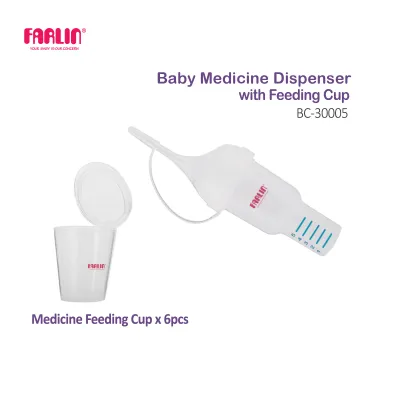
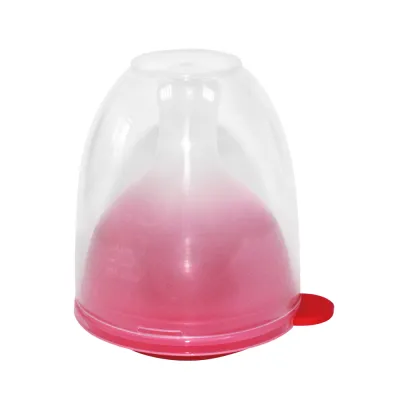

Prices are valid at publication and may change. Please refer to the product page for the latest price.
Comparing the Three Main Medicine Feeder Designs
Parents navigating local pharmacies or online marketplaces will encounter a variety of baby care accessories designed to make health management easier. Understanding the physical design, practical advantages, and inherent limitations of each feeder type allows you to evaluate them against your child’s immediate needs.

Syringe-Style Feeders
Syringe-style feeders consist of a simple plastic barrel, a plunger, and a narrow tip designed to control the flow of liquid. This mechanism allows caregivers to measure doses with high accuracy and direct the medication toward the side of the baby’s inner cheek, bypassing the majority of taste buds.
The primary advantage of the syringe is its highly visible, exact measurement markings, which are essential for administering precise doses of prescription liquids. Because you control the plunger, you can pace the delivery to match your baby’s swallowing speed.
However, syringes require the baby to keep their mouth open voluntarily or with gentle assistance. If the tip is placed too far back toward the throat, it can trigger a strong gag reflex, causing the baby to spit out the medication or choke.
Pacifier-Style Feeders
Pacifier-style feeders feature a built-in reservoir attached to a soft silicone nipple. As the baby sucks on the nipple, the liquid medication is drawn from the reservoir and delivered gradually into the mouth, mimicking a natural feeding experience.
This design is highly effective at reducing spillage and leveraging the baby’s natural soothing reflex during stressful moments. By combining the familiar sensation of a pacifier with the medicine delivery, it can significantly lower anxiety for both the infant and the caregiver.
On the downside, these feeders are physically more complex, making them harder to clean and sterilize thoroughly. Furthermore, if your baby is highly sensitive to nipple shapes or textures, they may refuse the feeder entirely, rendering it ineffective.
Dropper-Style Feeders
Dropper-style feeders utilize a traditional glass or plastic tube paired with a flexible rubber bulb at the top. Squeezing the bulb draws liquid into the tube, and releasing it dispenses the medication in controlled drops or a small stream.
This style is highly valued for its simplicity and speed, making it a convenient option for older babies who do not resist taking liquids. The lightweight design is easy to handle with one hand while supporting your child with the other.
Nevertheless, droppers often lack the highly detailed, precise measurement lines found on medical syringes. There is also a higher risk of accidental spills or delivering too much liquid at once if the rubber bulb is squeezed too quickly or with too much pressure.
Matching the Feeder to Your Baby's Age and Development
As infants grow, their oral motor skills, swallowing coordination, and behavioral responses to unfamiliar tastes change significantly. Matching the feeder to your baby’s specific developmental stage helps ensure a safer, more comfortable experience.
Newborns to 3 Months
During the first three months of life, infants possess a strong, involuntary sucking reflex but have very limited head and neck control. Their swallowing coordination is still developing, making them highly vulnerable to choking if liquid is introduced too rapidly.
For this age group, syringes or pacifier-style feeders are generally preferred because they allow caregivers to manage the flow rate with extreme care. A syringe allows you to dispense tiny fractions of a milliliter at a time, while a pacifier feeder lets the baby control the flow through their own sucking pace.
Droppers should be used with extreme caution during these early months. The risk of dripping liquid directly onto the back of the throat before the infant can coordinate a swallow is high, which can lead to immediate coughing or aspiration. Always ensure you support the baby’s head and neck fully in a semi-upright position during administration.
4 to 8 Months
Between four and eight months, babies become much more aware of their surroundings and begin to develop distinct taste preferences. This is often the stage where infants start actively resisting medicine, pushing feeders away with their hands or spitting out unfamiliar liquids.
Pacifier-style feeders can be highly beneficial during this transition period. By utilizing the familiar, soothing motion of sucking, these feeders can bypass initial resistance and deliver the medication before the baby fully registers the unfamiliar taste.
While syringes remain the standard for ensuring exact dosage, caregivers may need to employ gentle distraction techniques or slower pacing. Before using any commercial feeder, verify the manufacturer’s age and weight recommendations on the packaging to ensure the nipple or tip size is still appropriate for your baby’s growing mouth.
9 Months and Older
Older babies have developed deliberate swallowing coordination, can sit upright independently, and are often transitioning to open cups or straw cups. Their increased physical strength means they can offer stronger resistance if they dislike the taste of a medication.
At this stage, droppers or small medicine cups (if provided by the manufacturer and appropriate for the child’s coordination) become practical options. Because their swallowing is more mature, they can handle slightly larger volumes of liquid safely.
Syringes remain highly useful for strong-tasting medicines because they allow for quick, targeted delivery to the back of the cheek, minimizing contact with the tongue. Never force a feeder into your baby’s mouth if they are actively crying or screaming, as this significantly increases the risk of inhaling the liquid into their lungs.
Essential Safety Checks and Features to Verify
Before purchasing or using any medicine feeder, caregivers must perform several physical and safety checks to protect their child’s health. Do not rely solely on product names or marketing claims; instead, inspect the physical item and its packaging carefully.
- Measurement Clarity: Verify that the measurement lines on the barrel or tube are clearly printed, highly legible, and use standard metric units (ml) that match your doctor's prescription. Faded or confusing markings can easily lead to underdosing or overdosing.
- Material Safety: Check the product label or packaging to verify that the materials are certified as BPA-free, food-grade, or medical-grade. This is particularly important in warm, humid climates where low-quality plastics may degrade more rapidly under frequent washing.
- Choking Hazards: Inspect the feeder for small, detachable parts such as loose caps, rings, or internal valves. Ensure all components are securely attached and cannot be easily pulled off by a curious baby or dislodged during cleaning.
- Cleaning Requirements: Review the manufacturer's instructions to see if the feeder is dishwasher safe or requires manual sterilization. Look for designs with minimal crevices, as hard-to-reach areas can trap moisture and promote mold growth.
Step-by-Step Guide to Administering Medicine Safely
Using the correct physical technique is just as important as choosing the right tool. Following a structured approach minimizes distress, prevents spitting, and ensures the full dose is swallowed safely.
- Positioning: Cradle your baby in a semi-upright position in your arms, or secure them in a high chair if they are older. Never administer liquid medication while the baby is lying completely flat, as this poses a severe choking hazard.
- Pacing: Dispense the medication slowly in small increments, such as 0.5 ml at a time. Aim the tip of the syringe or dropper toward the inside of the baby's cheek rather than straight down the throat, allowing them to swallow naturally.
- Observation: Watch your baby closely between increments. Ensure they have swallowed the previous portion and are breathing normally before administering the next amount.
- Stopping Conditions: Stop the administration immediately if your baby begins to choke, coughs persistently, vomits, or shows any signs of respiratory distress. If you observe hives, swelling, or breathing difficulties, seek emergency medical care immediately as these may indicate an allergic reaction.
Frequently Asked Questions (FAQ)
Can I mix baby medicine with milk or formula to make it easier to swallow?
Mixing medication directly into a full bottle of milk or formula is generally discouraged. If your baby does not finish the entire bottle, you will not know how much of the active dose they actually received, making accurate treatment impossible. Additionally, certain medications can interact chemically with the calcium or proteins in milk, reducing their effectiveness. Always check the specific medication label or consult a pharmacist before mixing any drug with food or liquids. If mixing is approved, use only a very small, easily consumable amount of liquid.
How do I properly clean and sterilize a pacifier-style medicine feeder?
To maintain proper hygiene, disassemble all parts of the pacifier feeder completely immediately after each use. Wash every component thoroughly in warm, soapy water, using a small nipple brush to clean the inside of the silicone bulb and the reservoir crevices where medicine residue can accumulate. Rinse all parts with clean water and allow them to air dry completely on a clean rack. Before boiling or using a steam sterilizer, check the manufacturer’s packaging instructions, as excessive heat can warp certain plastics or damage the silicone seals.
Community discussion
Share your experience or ask a question. Comments are reviewed before publication.