
Introducing solid foods is a major milestone in your baby’s first year, marking a transition toward diverse tastes and vital nutrients. Sweet pumpkin—often available in local markets as kabocha or butternut squash—is widely considered one of the most exceptional starter foods for infants. Its naturally sweet flavor profile closely mimics the familiar taste of breastmilk or formula, which helps ease the transition to spoon-feeding. Packed with essential vitamins, minerals, and dietary fiber, this vibrant orange vegetable supports your baby’s rapid growth while remaining exceptionally gentle on their developing digestive system.
While sweet pumpkin offers an array of physiological benefits, introducing it successfully requires understanding your baby’s developmental readiness, mastering safe preparation techniques, and pairing it with other nutrient-dense foods. This guide outlines when to introduce sweet pumpkin to your infant, explores its unique nutritional profile, provides step-by-step cooking instructions for different developmental stages, and addresses safety considerations to keep your baby healthy and thriving.
When to Introduce Sweet Pumpkin to Your Baby
Most pediatric experts and international health organizations recommend introducing solid foods, including sweet pumpkin, when your baby is around six months of age. At this stage, an infant’s digestive system has matured sufficiently to process solid foods, and their natural iron stores begin to deplete, making dietary variety essential. However, age is not the sole indicator of readiness; you must also observe your baby’s physical and developmental milestones to ensure they can swallow safely.
Products mentioned in this guide
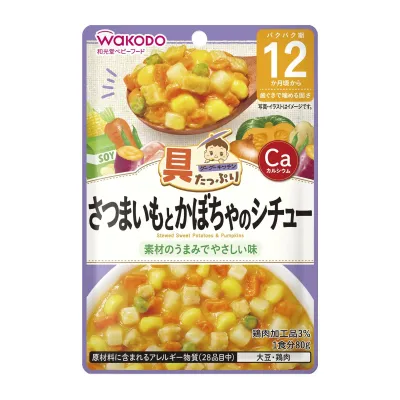
![[Market Kurly] Seoul Madame Instant Sweet Pumpkin Porridge (Juk) - Frozen](https://img.lazcdn.com/g/p/6cda239ec247adf7d0e4c552d60b287d.jpg_400x400q80.jpg_.webp)
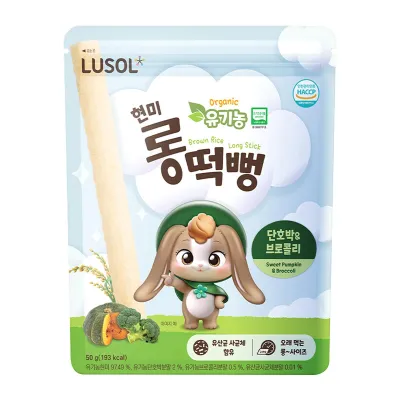
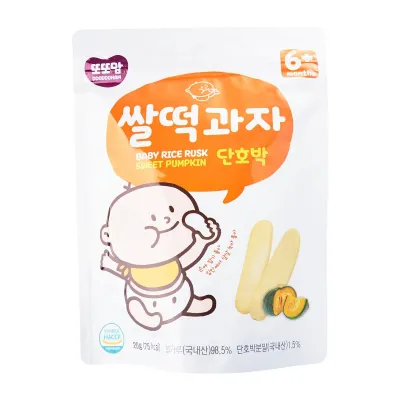
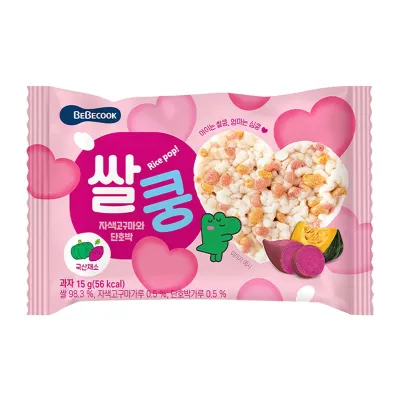
Prices are valid at publication and may change. Please refer to the product page for the latest price.
Before offering sweet pumpkin, verify that your baby exhibits the following key signs of readiness:
- Excellent Head and Neck Control: Your baby must be able to hold their head upright and steady without assistance while sitting.
- Minimal Support Sitting: Your baby should be able to sit upright in a highchair or with very little physical support, which reduces the risk of choking.
- Loss of the Tongue-Thrust Reflex: This natural reflex causes infants to push solid objects out of their mouths with their tongues. Once this reflex diminishes, they can successfully move food from the front of the mouth to the back to swallow.
- Active Interest in Food: Your baby may lean forward during family meals, reach for your plate, or watch attentively as you eat.
Because every infant develops at their own unique pace, it is highly recommended to consult your pediatrician, family doctor, or a healthcare professional at a local polyclinic before introducing any solid foods. When you receive the green light, sweet pumpkin is an ideal choice for those very first spoonfuls. Its mild, non-acidic flavor is highly tolerable, and its soft, starchy composition makes it incredibly easy for young babies to digest without upsetting their delicate tummies.
Nutritional Benefits of Sweet Pumpkin for Babies
Sweet pumpkin is a nutritional powerhouse that delivers a concentrated dose of vitamins and minerals essential for your baby’s rapid physical and cognitive development. Its bright orange hue is a direct visual indicator of its most prominent nutrient: beta-carotene. Once ingested, the baby’s body converts beta-carotene into Vitamin A, a crucial compound that supports healthy vision development, maintains skin integrity, and bolsters the immune system’s ability to fight off common childhood infections.

In addition to Vitamin A, sweet pumpkin provides a robust blend of supporting nutrients:
- Vitamin C: This essential antioxidant strengthens the immune system and plays a critical role in cellular repair. More importantly for growing infants, Vitamin C significantly enhances the absorption of non-heme iron from plant-based foods when served in the same meal.
- Potassium: This vital electrolyte supports healthy muscle development, regulates fluid balance, and ensures proper nerve transmission throughout your baby's rapidly growing body.
- Dietary Fiber: Sweet pumpkin contains a balanced mix of soluble and insoluble fiber. This dietary fiber adds bulk to the stool and promotes smooth digestion, helping to prevent or alleviate infant constipation—a common digestive hurdle when transitioning from an all-liquid diet to solids.
Despite these impressive benefits, parents must be aware of a critical nutritional limitation: sweet pumpkin contains negligible amounts of iron and zinc. Around the six-month mark, a baby’s natural iron reserves inherited during gestation begin to run low, making dietary iron intake a top priority. To prevent nutritional deficiencies, do not rely on sweet pumpkin as a standalone meal. Instead, pair it with iron-rich foods such as pureed chicken, beef, tofu, lentils, or iron-fortified infant cereals. Combining sweet pumpkin with these iron sources not only creates a balanced meal but also utilizes the pumpkin’s Vitamin C to maximize iron absorption.
How to Prepare and Serve Sweet Pumpkin Safely
To preserve the maximum nutritional value of sweet pumpkin and ensure it is safe for your baby to consume, you must select the right cooking methods and tailor the texture to your baby’s specific feeding stage. Steaming or roasting are the preferred preparation methods. Steaming cooks the pumpkin quickly while keeping water-soluble vitamins, like Vitamin C, intact. Roasting is another excellent option; it caramelizes the natural starches, enhancing the pumpkin’s natural sweetness and creating a rich, deeply flavorful puree without the need for additives.
As your baby grows, their oral motor skills will develop rapidly. You should adjust the texture of the sweet pumpkin systematically to match their capabilities:
- Beginners (Around 6 Months): Serve a completely smooth, velvety puree. After steaming or roasting the pumpkin flesh, blend it thoroughly. If the mixture is too thick, thin it down to a runny consistency using expressed breastmilk, prepared infant formula, or a small amount of the clean steaming water.
- Intermediate (7 to 8 Months): Transition to a thicker, mashed consistency. Instead of pureeing, mash the cooked pumpkin with a fork, leaving very soft, tiny lumps. This encourages your baby to practice chewing and moving food around their mouth using their tongue and gums.
- Advanced / Baby-Led Weaning (9+ Months): Offer soft, bite-sized pieces or thick, finger-sized wedges. At this stage, your baby is developing their pincer grasp. Ensure the pumpkin is cooked until it is tender enough to pass the "squish test"—meaning you can easily squash the piece between your thumb and forefinger using minimal pressure. If it does not squish easily, it is a choking hazard and must be cooked longer.
When preparing baby food, establish strict safety boundaries. Never add salt, sugar, honey, or strong artificial spices to your baby’s food. Excess sodium can strain an infant’s immature kidneys, while added sugars can foster an early preference for overly sweet foods. Honey must be strictly avoided for any infant under 12 months of age due to the serious risk of infant botulism, a rare but life-threatening illness caused by bacterial spores.
Always practice thorough kitchen hygiene. Before cutting into a fresh sweet pumpkin, scrub the outer skin thoroughly under running water to prevent dirt or bacteria on the rind from transferring to the flesh via your knife. Peel the skin completely, and carefully scrape away all seeds and stringy pulp, as these elements present severe choking hazards for young infants.
Potential Risks and Things to Watch Out For
While sweet pumpkin is generally hypoallergenic and highly tolerated, parents should still exercise standard precautions when introducing it. Although true pumpkin allergies are exceedingly rare, they can occur. When offering sweet pumpkin for the very first time, follow the standard two-to-three-day wait rule. Serve it as a single ingredient without introducing any other new foods during this window. This allows you to isolate and identify the cause of any adverse reactions, such as skin rashes, hives, swelling, vomiting, or diarrhea. If you observe any of these symptoms, discontinue use immediately and consult your pediatrician.
Another common phenomenon associated with sweet pumpkin is carotenemia. This is a completely harmless, benign condition where a baby’s skin develops a mild orange or yellowish tint, most noticeably on the nose, palms of the hands, and soles of the feet. Carotenemia occurs when an infant consumes high amounts of beta-carotene-rich foods, such as pumpkins, carrots, and sweet potatoes, causing the pigment to accumulate temporarily in the skin. It is not dangerous, does not cause discomfort, and resolves naturally once you reduce the frequency of beta-carotene-rich foods in their diet. However, you must distinguish carotenemia from jaundice. If the whites of your baby’s eyes turn yellow, or if their skin yellowing is accompanied by lethargy, consult a doctor immediately, as these are signs of jaundice, which requires medical evaluation.
Finally, be cautious when purchasing pre-packaged pumpkin products. Always read the ingredient labels carefully and avoid canned pumpkin pie filling, which is frequently sold alongside plain pumpkin in grocery aisles. Pumpkin pie fillings contain added sugars, sodium, corn syrup, starch, and strong spices like nutmeg and cloves, which are entirely unsuitable for an infant’s digestive system. If you choose to use canned options for convenience, ensure the label specifies “100% pure pumpkin” or “plain unsweetened pumpkin puree” with no added ingredients.
Frequently Asked Questions (FAQ)
Can babies eat sweet pumpkin every day?
While sweet pumpkin is incredibly nutritious and safe for regular consumption, feeding it to your baby every single day is not recommended. Offering the same food daily can limit your baby’s exposure to other essential nutrients and increase the likelihood of developing carotenemia (the harmless orange skin tint). To foster healthy eating habits and ensure a balanced intake of vitamins and minerals, aim to rotate a diverse variety of colorful vegetables, grains, and proteins throughout the week.
Is sweet pumpkin better than regular pumpkin for babies?
Sweet pumpkin varieties, such as kabocha or butternut squash, are generally superior to standard field or carving pumpkins when it comes to preparing baby food. Sweet pumpkins have a denser, less watery flesh and a higher natural starch and sugar content. This unique composition yields a much creamier, smoother puree that is naturally sweeter and more palatable for infants. Regular carving pumpkins tend to be stringy, watery, and bland, making them far more difficult to blend into an appealing texture for early feeding.
Community discussion
Share your experience or ask a question. Comments are reviewed before publication.